

Autism Research Study: Exploring Vibroacoustic Therapy (VAT) for Children & Teens
About the Study
The Sound Wave Therapy Center, in partnership with Vibroacoustic Solutions, is conducting an observational research study to explore the effects of Vibroacoustic Therapy (VAT) on children and teens with autism spectrum disorder. This study builds on emerging research suggesting that low-frequency sound vibrations may support sensory regulation, emotional well-being, and overall quality of life.
Study Objectives:
- Monitor behavioral changes and sensory regulation improvements
- Document sleep quality and duration changes
- Assess overall well-being and quality of life indicators
- Explore any unexpected developmental benefits
Why This Research Matters:
Early intervention and sensory-based therapies have shown promise for supporting individuals with autism. Research indicates that music-based and vibroacoustic interventions can lead to meaningful improvements in language communication, social skills, and sensory processing. This study will contribute valuable data to help families and practitioners understand whether VAT may be a beneficial complementary approach.
Partnership & Resources:
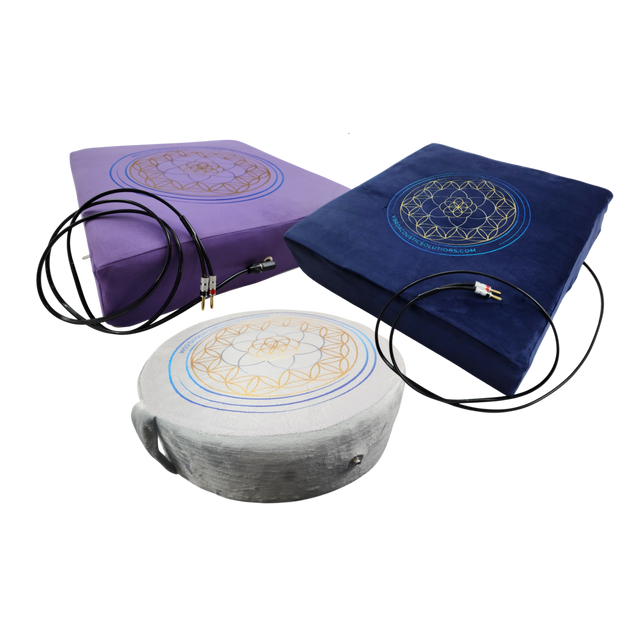
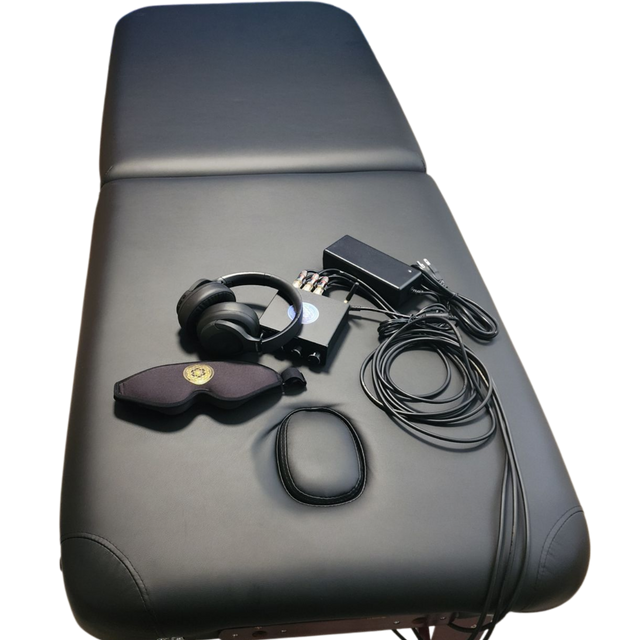
As part of this collaboration, Vibroacoustic Solutions has donated 3 Standard Vibroacoustic Kits to the project. Dr. Catrina Boca is graciously supplying the massage beds, the facility, and her ongoing time and support to facilitate this research.
What is Vibroacoustic Therapy?
Vibroacoustic Therapy (VAT) is a science-based, multisensory modality that leverages low-frequency sound vibrations (30–120 Hz) paired with music to address core challenges in autism spectrum disorder, including sensory processing differences, emotional dysregulation, and sleep disturbances.
During a VAT session, the client rests on a specially designed sound bed that delivers gentle, low-frequency sound vibrations directly into the body. For this study, the equipment will deliver a deeply relaxing 40Hz frequency for 30 minutes. To provide extra sensory comfort and grounding, a weighted blanket will also be used during each session.
What to Expect During a Session:
- Participants will lie comfortably on the vibroacoustic bed
- A weighted blanket will be provided for additional sensory comfort
- The 40Hz frequency will be delivered for 30 minutes
- Caregivers may remain present during sessions
- Sessions will take place in a calm, controlled environment
Research Team
Principal Investigator: Dr. Catrina Boca brings extensive experience in therapeutic interventions and is committed to advancing evidence-based approaches for supporting individuals with autism spectrum disorder.
Research Partner: Vibroacoustic Solutions is a leading provider of vibroacoustic therapy equipment and has contributed both equipment and technical expertise to this study.
Who Qualifies?
Inclusion Criteria:
Children and teenagers aged 3 to 18 years old
- Definitive ASD diagnosis from a qualified healthcare professional
Both verbal and non-verbal participants are welcome
- Ability to commit to the full study duration (8-12 weeks)
Exclusion Criteria:
Please contact us to discuss whether your child qualifies if they have:
- Implanted medical devices (pacemakers, cochlear implants, etc.)
- Severe sound sensitivity that cannot be accommodated
- Medical conditions that prevent lying flat for 30 minutes
- Active seizure disorders (please consult with your physician)
Concurrent Therapies:
Participants may continue their regular therapies and interventions during the study. We ask that you maintain consistency in other treatments throughout the study period to help us accurately assess VAT's effects.
Study Requirements & Cost
Participation in this study is completely FREE.
To gather accurate data and assess the effects of consistent VAT exposure, we are asking parents to commit to a minimum of 8 weeks of regular 30-minute sessions. The full program may run between 8 to 12 weeks, with the exact duration finalized prior to starting. Depending on availability and enrollment, shorter program options may also be offered.
We have two participant groups available:
Group A: One session per week (8-12 sessions total)
Group B: Two sessions per month (4-6 sessions total)
Study Timeline:
- Initial baseline assessment: Week 0
- Active intervention period: Weeks 1-8 (or 1-12)
- Follow-up assessment: Final week
- Optional follow-up contact: 4 weeks after completion
Data Collection & Assessment
To closely monitor progress and ensure rigorous data collection, we will use standardized assessment tools combined with parent observations.
Required Data Collection:
Baseline Assessment: Before beginning sessions, parents will complete comprehensive questionnaires assessing their child's current behavioral patterns, sensory sensitivities, sleep quality, and social interactions.
Session-by-Session Tracking: Parents will be required to fill out a brief questionnaire before and after every session to report on their child's behaviors, triggers, mood, and any positive changes observed.
Standardized Measures: We will use validated assessment tools appropriate for autism spectrum disorder to measure outcomes objectively.
Optional Objective Data (Highly Welcomed!):
While the questionnaires are our primary tracking method, we highly welcome any objective data you can provide! This is not required to participate, but it greatly helps validate the study results and strengthens the scientific value of our findings.
If you already use the following tools, we encourage you to share the data with us:
Physiological Tracking: Data from wearables (like an Apple Watch, Fitbit, or Oura Ring) or non-wearables (like a sleep tracking mat) that monitor:
- Heart Rate Variability (HRV)
- Resting heart rate
- Sleep patterns and quality
- Activity levels
Behavioral Tracking Apps: Exported logs from apps you may use to track meltdowns, mood, or triggers, such as:
- Birdhouse for Autism
- Autism Tracker Pro
- PandaPal
- Similar behavioral tracking applications
Data Confidentiality:
All data collected will be kept strictly confidential and anonymized for analysis. Your child's personal information will be protected according to research ethics standards. Only aggregate, de-identified data will be used in any publications or presentations of study results.
Informed Consent & Participant Rights
Voluntary Participation: Participation in this study is completely voluntary. You may withdraw your child from the study at any time without penalty or explanation. Your decision to participate or withdraw will not affect your access to other services at The Sound Wave Therapy Center.
Potential Risks & Benefits:
Potential Benefits: Participants may experience improvements in sensory regulation, sleep quality, behavioral patterns, and overall well-being. However, individual results may vary, and benefits are not guaranteed.
Potential Risks: VAT is generally considered safe and non-invasive. Minimal risks may include temporary sensory discomfort or fatigue. Any concerns will be addressed immediately, and sessions can be modified or discontinued as needed.
Ethical Review: This study has been designed following ethical research guidelines for observational studies involving children with developmental differences.
Results Sharing: After the study concludes, all participants will receive a summary of the findings and information about their child's individual progress throughout the program.
Expected Outcomes & Future Impact
Contributing to the Field:
The data collected from this study will contribute valuable information to the growing body of research on sensory-based interventions for autism spectrum disorder. Our findings may help families and practitioners make more informed decisions about complementary therapeutic approaches.
Publication Plans:
We intend to publish our findings in peer-reviewed journals and present results at relevant conferences. This will help advance understanding of vibroacoustic therapy's potential role in supporting individuals with autism.
Future Research:
Depending on the outcomes of this initial study, we hope to conduct larger-scale research that may include control groups, longer follow-up periods, and exploration of optimal treatment frequencies and durations.
Program Start Date & Enrollment
Target Enrollment: We are seeking 12-18 participants to ensure adequate data collection while maintaining personalized attention for each family.
Current Status: We are currently accepting participants and will begin enrollment immediately.
Program Start Date: The official start date of the program will be announced once a sufficient number of participants have enrolled. We anticipate beginning sessions within 4-6 weeks of opening enrollment.
Waitlist: If the study reaches capacity, we will maintain a waitlist and contact families as spaces become available or for potential future study cohorts.
Practical Information
Location:
The Sound Wave Therapy Center 10349 Balboa Blvd, Suite 203 #6 Granada Hills, California 91344
Facility Access:
- Free parking available
- Wheelchair accessible
- Quiet, sensory-friendly environment
- Private session rooms
What to Bring:
- Comfortable clothing for your child
- Any comfort items your child may need
- Completed questionnaires (if provided in advance)
Session Scheduling:
- Flexible scheduling available within business hours
- Consistent day/time slots recommended for routine
- Make-up sessions available for unavoidable conflicts
How to Join
We are currently accepting participants! To sign up, ask questions about the study, or discuss whether your child qualifies, please contact:
Dr. Catrina Boca The Sound Wave Therapy Center
Phone: (818) 688-1522
Email: info@
Hours:
- Monday - Friday: 10:30 AM - 7:00 PM
- Saturday: 10:30 AM - 5:00 PM
- Sunday: Closed
Response Time: We will respond to all inquiries within 1-2 business days.
For Study-Related Questions: Please mention "VAT Research Study" in your subject line or when calling to ensure your inquiry is directed to the appropriate team member.
Frequently Asked Questions
Q: Can my child participate if they have sensory sensitivities to sound? A: Yes, many children with autism have sound sensitivities. The vibroacoustic bed uses low-frequency vibrations that are typically well-tolerated. We can adjust settings and provide accommodations as needed.
Q: Will my child need to stop other therapies during the study? A: No, participants should continue their regular therapies. We ask that you maintain consistency in other treatments throughout the study period.
Q: What if my child cannot complete a full 30-minute session? A: We understand that every child is different. Sessions can be modified based on individual needs, though we will work toward the full 30-minute duration when possible.
Q: How will I know if the therapy is working? A: You will complete questionnaires tracking specific behaviors and patterns. We will also provide periodic progress reviews to discuss any changes you're observing.
Q: Is there any cost for parking or materials? A: No, participation is completely free, including parking and all materials needed for the study.
Q: Can siblings attend sessions? A: We prefer to maintain a calm environment during sessions. Please contact us to discuss your specific situation.
Join Us in Advancing Autism Research
This study represents an important opportunity to explore innovative, non-invasive approaches to supporting children and teens with autism spectrum disorder. Your participation will contribute valuable knowledge that may benefit countless families in the future.
We look forward to partnering with you on this important research journey.
Note: The study has started March 2026. Interested parties should contact Dr. Catrina Boca at The Sound Wave Therapy Center thru email or phone number showed above or using contact form at https://thesoundwavetherapycenter.org/contact-us/
This study is conducted by The Sound Wave Therapy Center in partnership with Vibroacoustic Solutions. For more information about our center and services, visit www.
Latest posts

Vibroacoustic Practitioner Program: Science of Sound Healing
Read article

Customer reviews
Hello everyone! This is Dr Boca and I am conducting the study. The study has officially begun! We still have spaces available however! Please don’t hesitate to call to claim your spot! We would be happy to have you! The current participants are absolutely loving the vibroacoustic therapy beds! And you will too!
Hi Dr. Boca, Thank you for organizing this study. I’m interested in learning more about enrolling my son Nathan, who is on the autism spectrum.
Please let me know next steps.
Thank you, Jed Behar