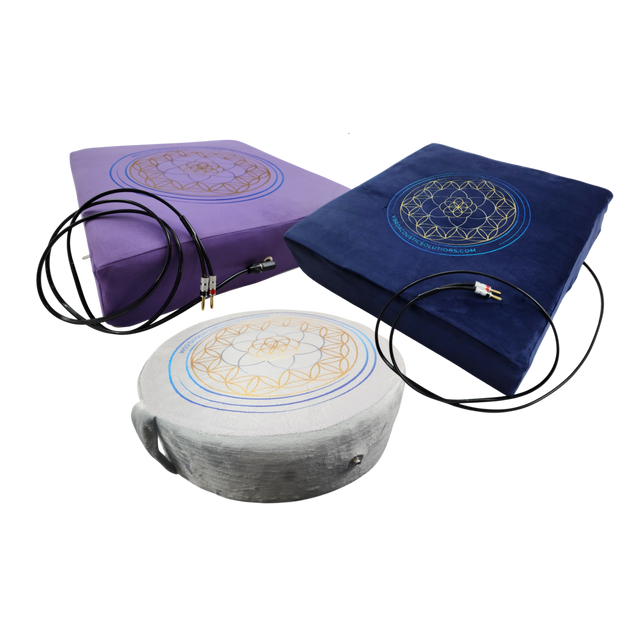
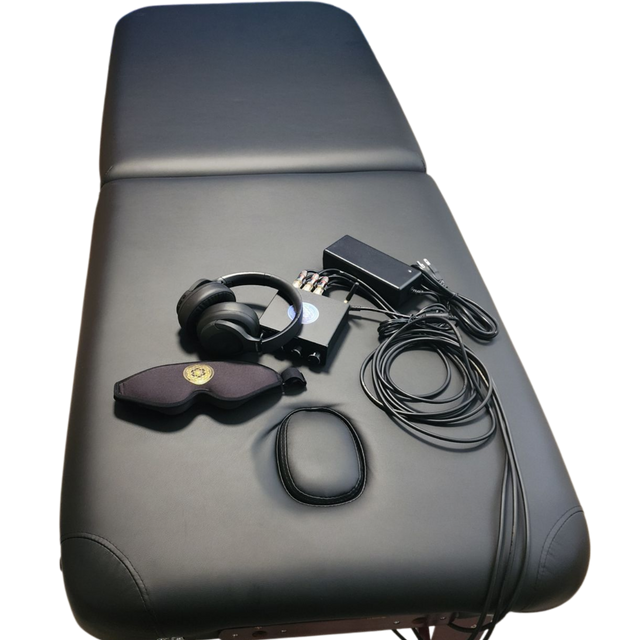
Przewodnik po sprzęcie do klinicznej sonoterapii powinien zaczynać się od tego, co klienci czują najpierw: wibracji mechanicznej przenoszącej się przez ciało. Terapia wibroakustyczna wykorzystuje dźwięki o niskiej częstotliwości do napędzania przetworników dotykowych, które przekształcają sygnał audio w precyzyjnie dostarczane wibracje poprzez łóżko, poduszkę, krzesło lub stół zabiegowy. W przeciwieństwie do muzyki odtwarzanej jedynie przez głośniki pokojowe, sygnał jest zarówno słyszany, jak i fizycznie odczuwany, tworząc wielozmysłowe doświadczenie, które może wspierać relaksację, świadomość ciała i regulację układu nerwowego.
Dla użytkownika domowego, odpowiednim systemem może być kompaktowa poduszka, która sprawia, że wieczorna rutyna wyciszania staje się bardziej regenerująca. Dla praktyka, może to być przystawka do stołu zabiegowego, która dodaje regulowaną warstwę sensoryczną do masażu, pracy somatycznej lub sesji regeneracyjnych. Sprzęt ma znaczenie, ponieważ jakość wibracji, użyteczny zakres częstotliwości i komfort powierzchni kształtują doświadczenie.
Zacznij od mechanizmu, a nie od marketingu
Niskie częstotliwości efektywnie przenoszą się przez stałe materiały. Gdy przetwornik odbiera sygnał audio o niskiej częstotliwości, jego wewnętrzne ruchome komponenty tworzą wibracje na powierzchni pod ciałem. Punkty kontaktu, takie jak plecy, biodra, nogi i stopy, odbierają te wibracje poprzez mechanoreceptory w skórze i głębszych tkankach.
Wiele programów wibroakustycznych koncentruje się w zakresie od około 30 do 120 Hz. Częstotliwości w okolicach 30 do 60 Hz są często odczuwane jako uziemiające i obejmujące większe grupy mięśniowe, natomiast zakresy w pobliżu 60 do 100 Hz mogą być odczuwane jako bardziej skoncentrowane lub energetyzujące, w zależności od amplitudy, pozycji ciała i materiału powierzchni. Nie są to sztywne recepty. Częstotliwość, która jednej osobie wydaje się uspokajająca, innej może wydawać się zbyt intensywna, szczególnie gdy występuje wrażliwość sensoryczna, ból, zmęczenie lub napięcie związane z traumą.
Dlatego sprzęt klasy klinicznej potrzebuje czegoś więcej niż tylko potężnego głośnika. Potrzebuje kontrolowanego wyjścia niskich częstotliwości. Standardowe głośniki są zaprojektowane przede wszystkim do dźwięku przenoszonego drogą powietrzną. Przetworniki wibroakustyczne są zaprojektowane tak, aby przenosić energię mechaniczną na powierzchnię wspierającą, umożliwiając ciału bezpośrednie odbieranie niskich tonów, a nie tylko ich słyszenie z drugiego końca pokoju.
Badania nad wibracjami i regulacją somatyczną nadal analizują, jak rytmiczne bodźce sensoryczne wpływają na relaksację, napięcie mięśniowe, krążenie i aktywność autonomiczną. W warunkach klinicznych i terapeutycznych, najbardziej użytecznym wynikiem często nie jest dramatyczne odczucie. Jest to rosnąca zdolność klienta do uspokojenia się, zauważenia swojego ciała i pozostania obecnym podczas opieki.
Rodzaje klinicznego sprzętu do sonoterapii
Najlepszy format zależy od tego, gdzie odbywa się terapia i jak dużej elastyczności wymaga otoczenie.
Łóżka wibroakustyczne
Dedykowane łóżko wibroakustyczne zapewnia najbardziej immersyjne doświadczenie pełnego ciała. Wiele przetworników można umieścić pod górną częścią pleców, miednicą, nogami lub stopami, tworząc szerokie i zrównoważone pole wibracji. Ten format dobrze sprawdza się w centrach wellness, pokojach do sonoterapii, przestrzeniach regeneracyjnych i klinikach, gdzie sesje wibroakustyczne są centralną ofertą.
Łóżko zapewnia również spójność praktykowi. Pozycja klienta, obszar kontaktu i reakcja powierzchni są bardziej przewidywalne z sesji na sesję. Wadą jest przestrzeń. Pełnowymiarowe łóżko wymaga dedykowanego pokoju, przemyślanych procedur czyszczenia i przepływu pracy, który wspiera dłuższe sesje.
Zestawy do mocowania do stołów do masażu
Dla masażystów i praktyków integracyjnych, zestaw do mocowania może przekształcić istniejący stół zabiegowy w powierzchnię wibroakustyczną. Jest to praktyczna opcja, gdy stół już pasuje do przepływu pracy w klinice i przestrzeń jest ograniczona.
Przyjrzyj się dokładnie, jak zestaw jest montowany i czy utrzymuje stół stabilnie pod normalnym obciążeniem. Wibracje powinny być rozłożone bez tworzenia rozpraszających grzechotań, punktów nacisku lub twardego mechanicznego odczucia przez tapicerkę. Dobrze zaprojektowany system stołowy pozwala praktykowi używać wibracji przed pracą manualną, podczas części sesji opartych na bezruchu lub jako delikatne zakończenie zabiegu.
Poduszki i maty wibroakustyczne
Poduszki i maty oferują przystępny punkt wejścia do użytku domowego, mniejszych pomieszczeń zabiegowych i dla klientów, którzy preferują wsparcie w pozycji siedzącej. Mogą być umieszczone na leżance, sofie, podłodze lub istniejącym stole wellness, w zależności od ich konstrukcji.
Mniejsza powierzchnia kontaktu może być zaletą. Poduszka pod plecami lub biodrami tworzy bardziej zlokalizowane doświadczenie i często ułatwia zarządzanie intensywnością. Są również łatwiejsze do przenoszenia, przechowywania i współdzielenia między pomieszczeniami. Ograniczeniem jest to, że nie mogą odtworzyć pełnego rozkładu wibracji na całym ciele, jak dedykowane łóżko.
Systemy do samodzielnej konwersji (DIY)
Zestaw do samodzielnej konwersji (DIY) jest dobrze przystosowany dla praktyków i użytkowników domowych, którzy posiadają już solidne meble i chcą bardziej spersonalizowanej instalacji. Kluczowe pytanie brzmi, czy istniejąca powierzchnia może czysto transmitować wibracje. Sztywna, dobrze podparta podstawa zazwyczaj działa inaczej niż mocno sprężynująca kanapa lub lekka rama z luźnymi elementami.
Instalacja powinna umożliwiać wentylację, bezpieczne okablowanie i izolację drgań, gdzie to konieczne. Jeśli powierzchnia brzęczy lub grzechocze, rozwiązaniem nie zawsze jest większa moc. Często jest to lepsze mocowanie, inny punkt umiejscowienia lub regulacja poziomu dźwięku.
Co szukać w przewodniku po klinicznym sprzęcie do sonoterapii
Zakres częstotliwości i użyteczna moc wyjściowa
Zapytaj, czy system jest zaprojektowany do czystego odtwarzania niskich częstotliwości, a nie tylko, czy podaje szeroki zakres audio. W przypadku zastosowań wibroakustycznych szczególnie istotna jest użyteczna odpowiedź w obszarze od 30 do 120 Hz. Dolna granica ma znaczenie, ponieważ częstotliwości bliskie 30 Hz mogą być bardziej odczuwalne niż słyszalne, podczas gdy wyższe częstotliwości mogą przyczyniać się do tekstury i detali muzycznych.
Moc wyjściowa powinna być regulowana w małych, powtarzalnych krokach. Większa moc nie oznacza automatycznie lepszej jakości. System z kontrolowaną mocą wyjściową i odpowiednią liczbą przetworników zazwyczaj będzie odczuwalny jako bardziej wyrafinowany niż ten, który polega na nadmiernej intensywności.
Umiejscowienie przetwornika
Umiejscowienie decyduje o tym, gdzie wibracje wnikają w ciało. Pojedynczy przetwornik pod odcinkiem lędźwiowym może być odczuwany jako skoncentrowany i silny. Wiele przetworników rozmieszczonych na łóżku może stworzyć bardziej równomierne pole. W zastosowaniach klinicznych należy wziąć pod uwagę typowe pozycje klienta: na plecach, na brzuchu, na boku i siedzące.
Celem nie jest, aby każdy cal powierzchni drżał. Chodzi o stworzenie stabilnego, zrozumiałego kontaktu bez niekomfortowych punktów gorąca. W stole do masażu należy unikać miejsc, które kolidują z podgłówkami, wałkami pod kolana lub dostępem praktyka do klienta.
Źródło dźwięku i kontrola programu
Sprzęt powinien współpracować z niezawodnym źródłem dźwięku i zapewniać wyraźną kontrolę nad głośnością, wyborem utworów i czasem trwania sesji. Niektórzy praktycy preferują specjalnie zaprojektowane programy niskiej częstotliwości, które stopniowo przechodzą przez zakres, np. 30, 40 i 50 Hz. Inni integrują muzykę terapeutyczną, ambientowe kompozycje, kontrolę oddechu lub pejzaże dźwiękowe z łagodną zawartością basu.
Użyteczny system pozwala na oba podejścia. Powinien odtwarzać utwór skoncentrowany na częstotliwości bez zniekształceń i nadal sprawiać, że muzyka brzmi ciepło, a nie mętnie. Jeśli kilku praktyków będzie używać sprzętu, proste elementy sterujące i udokumentowane ustawienia zmniejszają zgadywanie między sesjami.
Komfort powierzchni, trwałość i higiena
Powierzchnia terapeutyczna musi wspierać ciało, zanim dostarczy wibracje. Należy wziąć pod uwagę gęstość pianki, tapicerkę, stabilność krawędzi, nośność i łatwość czyszczenia między klientami. Piękny system, który pozostawia klientów z dyskomfortem uciskowym, podważy regulację, którą próbujesz stworzyć.
W przypadku klinik wybierz materiały, które tolerują rutynową dezynfekcję bez stania się kruche lub śliskie. Do użytku domowego priorytetowo traktuj powierzchnię, do której będziesz wracać konsekwentnie. System, który naturalnie wpasowuje się w rutynę przed snem, regeneracji lub medytacji, jest cenniejszy niż skomplikowane ustawienie, które pozostaje nieużywane.
Dopasowanie sprzętu do otoczenia
Użytkownicy domowi często czerpią korzyści z rozpoczęcia od poduszki, maty lub kompaktowego systemu konwersji. Te opcje tworzą tańszą drogę do eksploracji preferowanych programów, intensywności i długości sesji. Zacznij od 10 do 20 minut na umiarkowanym poziomie, a następnie obserwuj zmiany w komforcie, nastroju, rutynie snu i napięciu ciała przez kilka sesji, zamiast oceniać doświadczenie po jednym użyciu.
Praktycy muszą wziąć pod uwagę przepustowość i cel kliniczny. Dedykowane łóżko może stać się sztandarową usługą dla dłuższych sesji regulacyjnych lub regeneracyjnych. Przystawka do stołu może być lepszym wyborem, gdy terapia wibroakustyczna ma na celu wzmocnienie istniejącego masażu, pracy z ciałem lub opieki somatycznej. W obu przypadkach należy uwzględnić czas na zebranie informacji o preferencjach sensorycznych. Niektórzy klienci chcą więcej słyszalnej muzyki; inni najlepiej reagują, gdy główną cechą są wibracje dotykowe.
Dla klientów z podwyższoną wrażliwością sensoryczną, zacznij od niższych ustawień i krótszych sesji. Proś o wyraźną informację zwrotną: Czy wibracja jest uspokajająca, neutralna, rozpraszająca, czy zbyt silna? Udzielenie klientowi dostępu do sygnału stop lub kontroli głośności może być bardzo pomocne, zwłaszcza w środowiskach uwzględniających traumę.
Ustawienie dla bezpieczeństwa i spójności
Sprzęt należy umieścić na stabilnej, równej powierzchni, a przewody zabezpieczyć z dala od ciągów komunikacyjnych. Regularnie sprawdzaj połączenia, mocowania i tapicerkę. Przed każdą sesją kliniczną krótko przetestuj system pod kątem grzechotań, zniekształceń lub nierównomiernej mocy wyjściowej.
Terapia wibroakustyczna jest wspomagającą modalnością wellness, a nie substytutem oceny medycznej ani leczenia. Klienci w ciąży, posiadający wszczepione urządzenia elektroniczne, cierpiący na ostry uraz lub zmagający się ze złożonymi problemami zdrowotnymi, powinni przed użyciem skonsultować się z odpowiednim, wykwalifikowanym pracownikiem służby zdrowia. Praktycy powinni również przestrzegać wskazówek dotyczących konkretnych urządzeń i utrzymywać jasne praktyki świadomej zgody.
Najskuteczniejszy sprzęt to niekoniecznie największy lub najbardziej rozbudowany system. To system, który zapewnia czyste, komfortowe wibracje niskiej częstotliwości w sposób, który pasuje do osoby, pomieszczenia i relacji terapeutycznej. Kiedy ciało czuje się bezpiecznie wspierane, dźwięk staje się czymś więcej niż tylko czymś, co klient słyszy. Staje się stabilnym zaproszeniem do odpoczynku, regeneracji i ponownego połączenia.
Najnowsze posty

Clinic Adding Vibroacoustic Therapy: An Example
Read article

Chronic Pain Relief Room Example for Home Use
Read article