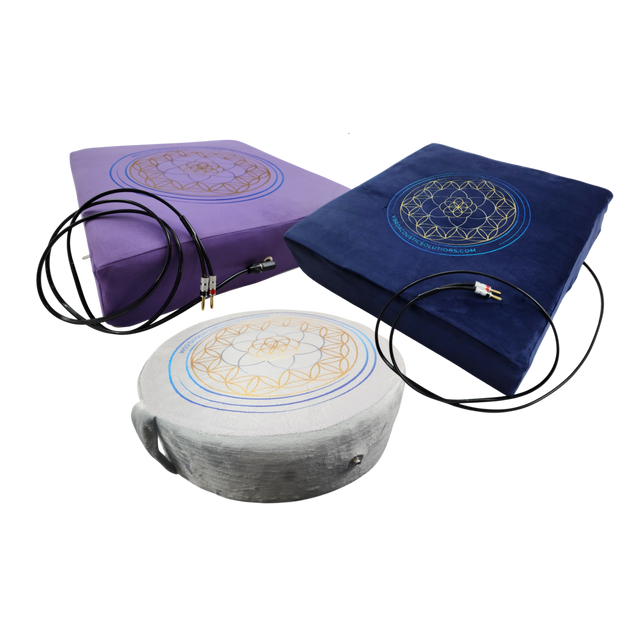
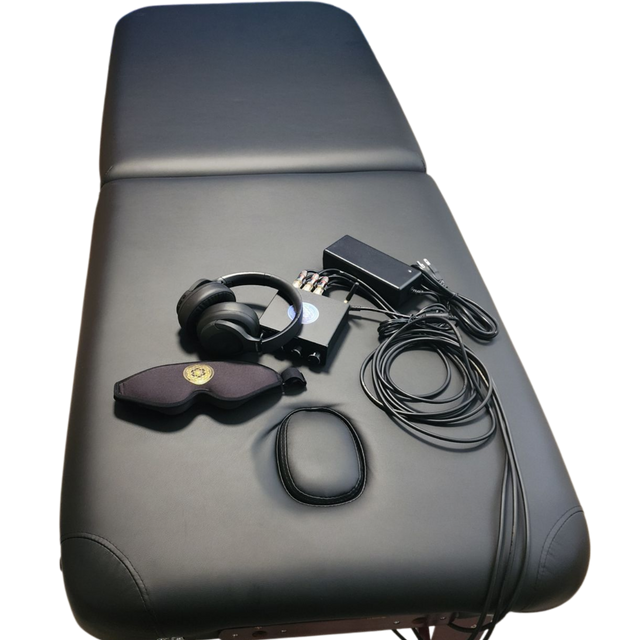
A massage session changes the body through touch. A massage table vibroacoustic kit adds another pathway - low-frequency sound vibration delivered directly through the table surface. For practitioners, that means a familiar treatment setup can become a more complete nervous system regulation tool. For home users, it means an existing table may be able to support a more therapeutic, clinically grounded sound-based experience without replacing the entire setup.
What a massage table vibroacoustic kit actually does
At its core, a massage table vibroacoustic kit converts audio frequencies into physical vibration that can be felt throughout the body. Instead of listening to sound only through the ears, the body receives sound mechanically through contact with the table. This matters because low-frequency stimulation can influence the autonomic nervous system, muscle tone, breath pacing, and the overall felt sense of safety in the body.
A well-designed system typically includes transducers or tactile sound units, amplification, wiring, and a playback method for therapeutic frequency tracks or music engineered for vibroacoustic delivery. Once mounted to a compatible massage table, the kit turns the table into a vibroacoustic platform. The client lies down as they normally would, but now the session includes localized and whole-body resonance.
That does not make every massage table vibroacoustic kit identical. Transducer strength, frequency response, mounting method, and track quality all shape the outcome. Some systems are built for gentle relaxation. Others are intended to deliver more precise, clinical-grade stimulation that supports recovery, regulation, and symptom-focused care.
Why practitioners are adding a massage table vibroacoustic kit
Massage therapists, somatic practitioners, sound therapy professionals, and integrative clinics are increasingly looking for ways to deepen the therapeutic value of a session without making the room feel more complicated. A massage table is already the center of treatment. Converting it with vibroacoustic technology is often more practical than buying a dedicated bed, especially for smaller practices or providers testing demand before making a larger investment.
The appeal is not just novelty. Vibroacoustic therapy can support downregulation in clients who arrive guarded, overstimulated, or stuck in persistent stress physiology. When low frequencies are delivered consistently through the body, many users report a shift toward slower breathing, reduced muscular holding, and a greater ability to settle into treatment. For manual therapists, that may mean less resistance and better tissue receptivity. For trauma-informed practitioners, it may create a safer entry point than aggressive hands-on work.
There is also a workflow advantage. The kit works with the table you already use, so it can be integrated into massage, bodywork, guided relaxation, energy-based care, and recovery sessions. That flexibility matters in real practice. A piece of equipment only earns its place if it can adapt to different session goals and client populations.
How the therapeutic effect differs from ordinary vibration
Not all vibration is therapeutic. This is where the science matters.
Vibroacoustic therapy is not the same as a generic vibrating pad or percussive device. A therapeutic system is designed to deliver specific low-frequency ranges through the body in a controlled way. Those frequencies are chosen for resonance, regulation, and somatic response rather than simple stimulation. Depending on the programming, the effect may feel sedating, grounding, organizing, or gently mobilizing.
This distinction is important for practitioners serving clients with chronic pain, sensory processing challenges, sleep disruption, burnout, trauma-related tension, or nervous system dysregulation. Too much intensity can become activating rather than calming. Poor-quality audio can feel distracting instead of therapeutic. Clinical-grade design is less about making the strongest sensation and more about producing a coherent one.
Who benefits most from a vibroacoustic table setup
The strongest use cases tend to involve conditions where the body needs support with regulation, recovery, or sensory integration. Clients dealing with stress-related tension, shallow breathing, insomnia, chronic discomfort, and post-exertion fatigue often respond well to low-frequency therapy when it is applied thoughtfully.
It can also be valuable in practices serving autism, ADHD, sensory sensitivity, and trauma recovery, although this is where customization becomes essential. Some clients want broad, calming resonance across the whole body. Others need shorter exposure, lower amplitude, or more gradual introductions. The best outcomes usually come from matching the intensity and session length to the person rather than assuming more vibration is better.
For home users, a massage table vibroacoustic kit can make sense if they already have a suitable table and want a more immersive alternative to a cushion or mat. It is especially useful for people building a recovery or regulation routine at home but who are not ready to invest in a dedicated vibroacoustic bed.
What to look for in a massage table vibroacoustic kit
The first question is compatibility. Not every massage table frame, padding thickness, and surface construction will transmit frequencies equally well. A good kit should be designed with treatment-table installation in mind, not retrofitted as an afterthought. Stable mounting, even sound distribution, and safe cable management are basic requirements.
The second issue is frequency quality. This gets overlooked because many buyers focus on hardware first. In practice, the audio content is a major part of the therapeutic effect. Purpose-built vibroacoustic tracks can create a more coherent body response than standard playlists because they are structured around frequency delivery, pacing, and nervous system goals.
You should also consider adjustability. Clinics rarely serve one type of client. Being able to modulate volume, intensity, and program selection gives practitioners much better control over session design. A flexible system can support both restorative sessions and more active recovery-oriented protocols.
Durability matters too. In professional use, equipment has to handle repeated sessions without losing performance. Components should feel solid, easy to maintain, and realistic for everyday treatment flow. A massage table vibroacoustic kit should enhance the room, not create technical friction every time you use it.
Trade-offs to think through before you buy
A kit is often more affordable than a full vibroacoustic bed, but there are trade-offs. The table you already own may limit how evenly sound travels through the body. A dedicated bed is usually engineered from the ground up for acoustic performance, while a conversion setup has to work within the design of existing furniture.
That does not mean the kit is a compromise in every case. For many practitioners, it is the most sensible starting point because it lowers cost, preserves floor space, and lets them integrate vibroacoustic therapy into established treatments. If your practice is mobile, multi-use, or still evaluating client demand, a conversion kit may be the better strategic choice.
The main question is not whether a kit is better than a bed in the abstract. It is whether it matches your treatment model, budget, and physical setup. A smaller practice may get more value from adaptable equipment than from a larger fixed installation.
Best practices for clinical and home use
Once a system is installed, session design matters as much as hardware. Shorter introductory sessions are often wise for first-time users, especially those with high sensitivity or complex stress patterns. Gentle frequency programs can help establish safety and familiarity before longer or more targeted sessions are introduced.
Practitioners should observe pacing, breath, facial tension, and verbal feedback rather than assuming stillness means comfort. Some clients drop into regulation quickly. Others need more gradual exposure. The therapeutic skill lies in titration.
At home, consistency usually matters more than intensity. A predictable 15- to 30-minute routine can be more effective than occasional high-intensity use. People exploring recovery, better sleep, or stress support often benefit from making vibroacoustic sessions part of a regular nervous system hygiene practice.
For providers and home users alike, the most meaningful results tend to come when the technology is treated as part of a broader therapeutic framework. Breathwork, bodywork, recovery protocols, and guided relaxation can all pair well with vibroacoustic stimulation when the system is used intentionally.
Why this category is growing
More practitioners want tools that bridge body-based care and evidence-based nervous system support. More consumers want non-invasive options that feel advanced but still usable at home. A massage table vibroacoustic kit sits in that middle ground. It is practical, scalable, and rooted in the science of how sound and vibration affect the body.
That is why the category matters. It gives clinics and households a way to access clinical-grade vibroacoustic therapy without rebuilding the entire treatment environment. For brands like Vibroacoustic Solutions, the opportunity is not just selling hardware. It is helping more people experience what regulated, frequency-based care can feel like in real life.
The best setup is the one that fits your space, your clients, and your goals well enough that you actually use it consistently - because therapeutic technology only helps when it becomes part of care, not just part of the room.
Latest posts

Somatic Sound Therapy Versus Massage: Key Differences
Read article

Massage Practice Sound Table Example That Works
Read article