A client can leave a session feeling calmer, less guarded, and more comfortable after either modality, yet the experience that creates that shift is fundamentally different. In the conversation around clinical vibration therapy versus TENS, the most useful question is not which technology is universally better. It is which kind of input the body needs: broad mechanical sound vibration that can support whole-body regulation, or focused electrical stimulation intended to modulate a specific area of discomfort.
Both are non-invasive tools used in pain management, rehabilitation, and wellness settings. Both can fit within a thoughtful care plan. Their mechanisms, practical setup, and therapeutic feel are not interchangeable.
Clinical vibration therapy versus TENS: the core difference
TENS stands for transcutaneous electrical nerve stimulation. A TENS unit sends low-voltage electrical pulses through adhesive electrodes placed on the skin. Those pulses stimulate sensory nerves near the treatment area. Depending on the settings, TENS may use higher frequencies, often around 80 to 120 Hz, for a strong but comfortable tingling sensation, or lower frequencies, commonly 1 to 10 Hz, that create a more rhythmic sensation.
The clinical rationale is largely neurological. Electrical input can compete with pain signals traveling toward the brain and spinal cord, often described through gate-control mechanisms. Lower-frequency settings may also encourage the body's endogenous pain-modulating systems. The goal is typically localized, short-term comfort that makes movement, exercise, or daily activity more manageable.
Clinical vibration therapy uses mechanical vibration rather than electrical current. In vibroacoustic therapy, low-frequency sound is converted by transducers into palpable vibration through a bed, cushion, chair, or treatment table. The body does not simply hear a tone. It receives a physical wave through the surface supporting it.
Vibroacoustic systems commonly work in the 20 to 120 Hz range, with many therapeutic programs concentrating between 30 and 80 Hz. At these lower frequencies, the vibration is felt through large areas of the body. Muscles, connective tissue, and sensory receptors receive gentle rhythmic stimulation while the auditory system receives accompanying music or tones. This combination gives vibroacoustic therapy a distinctly somatic quality: the client is supported by sound rather than asked to tolerate an isolated electrical sensation.
What each modality feels like in practice
TENS is direct and site-specific. Pads may be placed around a shoulder, lower back, knee, or other area of concern. The user feels tingling, tapping, buzzing, or mild pulsing under the electrodes. A well-adjusted session should be strong enough to be perceptible without becoming painful or causing unwanted muscle contraction, unless a clinician is intentionally using a different electrical stimulation approach.
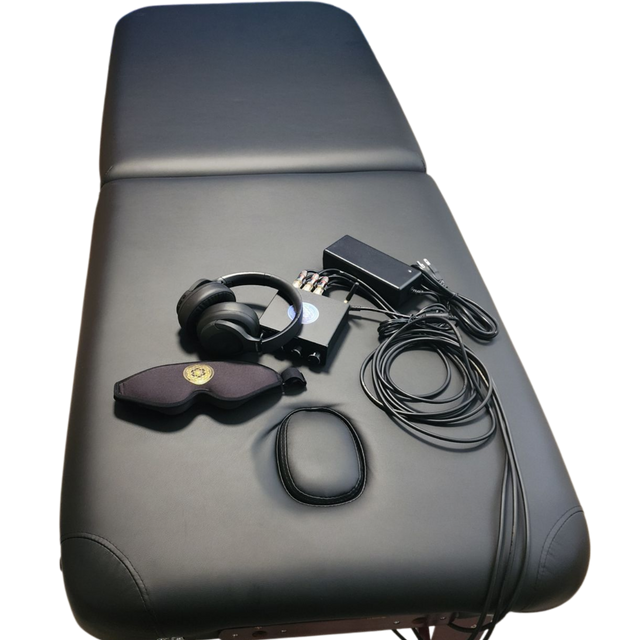
Vibroacoustic therapy is immersive. A person may lie on a vibroacoustic bed during a 20- to 40-minute session while low frequencies move through the back, hips, legs, and torso. Some people describe it as a gentle internal massage. Others notice that their breathing slows, their jaw softens, or their awareness of a tense area changes as the whole system settles.
That difference matters for clients whose discomfort is inseparable from stress, poor sleep, sensory overload, or persistent muscular guarding. Pain is not only a signal from tissue. It is also shaped by attention, threat perception, autonomic state, sleep quality, and the body's capacity to shift out of protective tension. Broad, rhythmic vibration can be especially appealing when the treatment goal includes regulation as well as local relief.
Frequency, tissue input, and nervous system regulation
Mechanical vibration engages the body through touch and pressure-sensitive receptors, including mechanoreceptors in the skin and deeper tissues. Repetitive low-frequency input can create a steady sensory reference point, which may help the nervous system orient toward safety and predictability. When paired with slow music, breathing, or a quiet treatment environment, the experience can support parasympathetic settling.
Frequency selection shapes the experience. Around 30 to 40 Hz, vibration often feels grounding and substantial, making it a popular range for relaxation, body awareness, and muscle release. Frequencies around 40 Hz have also drawn research attention for their relationship to sensory processing and rhythmic neural activity. Moving toward 60 to 80 Hz can feel more energizing or focused for some users, depending on amplitude, body position, and the sound program.
The therapeutic effect is not determined by Hz alone. Amplitude, session length, speaker or transducer placement, music, and the individual's sensory profile all influence the result. A low-volume 40 Hz program on a cushioned table can feel profoundly different from a high-amplitude vibration platform, even though both involve vibration.
TENS also depends on parameters. Pulse width, pulse rate, electrode placement, and intensity determine how the nervous system experiences the stimulation. This makes TENS highly adjustable, but it also means it requires careful placement and user education. If the pads are poorly positioned or the intensity is too high, the session may be irritating rather than supportive.
When TENS may be the more practical choice
TENS can be a useful option when a person wants portable, targeted support for a defined area. Someone managing intermittent knee discomfort during activity, for example, may appreciate a small device that can be used at home or around an exercise routine. Its compact design and relatively quick setup are practical strengths.
It may also fit a rehabilitation environment where a provider is tracking symptoms in a specific region and wants a familiar, localized modality. For short sessions focused on immediate sensory modulation, TENS is efficient.
The trade-off is that TENS usually treats a limited surface area at one time. It does not create the same whole-body sensory environment as a vibroacoustic table or bed. Some users also find the electrode sensation distracting, particularly if they are sensitive to tactile input, adhesives, or unexpected electrical pulsing.
When vibroacoustic therapy may be the better fit
Vibroacoustic therapy is particularly well suited to people who need a downshift before they can fully benefit from hands-on work, movement therapy, counseling, or rest. Massage therapists and somatic practitioners often use it as a foundation for a session because the body arrives with less bracing and more interoceptive awareness.
It can also be an appealing option for clients with widespread tension, stress-related sleep disruption, sensory dysregulation, or recovery needs that are not confined to one joint or muscle group. Rather than asking the person to focus on a painful location, the session can create a broader sense of containment and comfort.
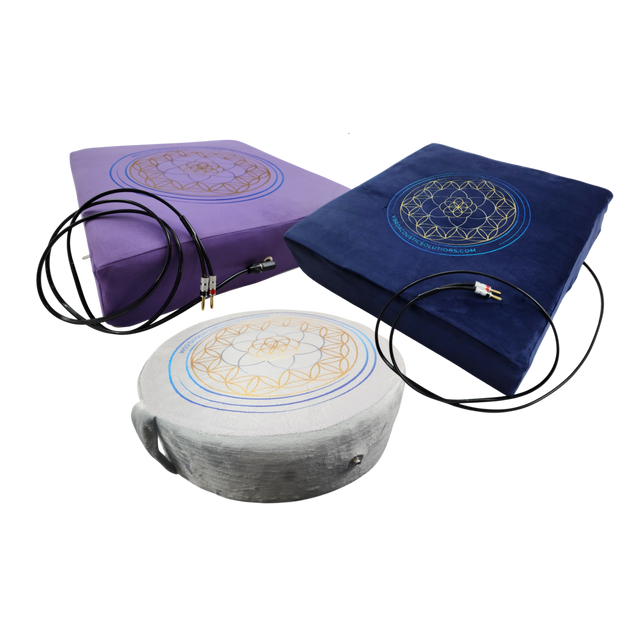
For home users, the format matters. A vibroacoustic cushion can bring low-frequency support to a favorite chair, while a bed system creates a more dedicated recovery environment. Professional settings may benefit from a massage table attachment or conversion kit that integrates into care without requiring an entirely new room design. Vibroacoustic Solutions builds these options around the same clinical-grade principle: making the physical experience of therapeutic low frequency more accessible.
Safety and clinical decision-making
Neither modality should be treated as a one-size-fits-all solution. The right choice depends on health history, symptoms, sensory preferences, goals, and professional guidance when appropriate.
TENS is generally avoided over areas of impaired sensation, broken or irritated skin, and certain implanted electronic devices. Electrode placement also matters. It should not be used across the chest, over the front of the neck, or in other areas a qualified provider has advised against. People who are pregnant, have a cardiac history, experience seizures, or use implanted devices should speak with a licensed clinician before using electrical stimulation.
Vibroacoustic therapy calls for its own thoughtful screening. Volume and vibration intensity should remain comfortable, particularly for people with sound sensitivity, acute inflammation, recent injuries, or a history of feeling overwhelmed by strong sensory input. A lower amplitude, shorter session, and calming frequency progression are often a wise place to begin. Clients with complex medical conditions should consult their care team about appropriate use.
For practitioners, consent is part of the treatment. Explain what the client will feel, start gently, and invite feedback throughout the session. The most therapeutic setting is not the strongest setting. It is the one that helps the person feel safe enough to receive the input.
A practical way to choose
Choose TENS when the priority is portable, localized stimulation for a specific area and the user is comfortable managing electrode placement. Choose vibroacoustic therapy when the priority is a full-body sensory experience that supports relaxation, recovery, body awareness, and nervous system regulation.
They can also complement each other. A clinician may use TENS as one targeted tool within a broader rehabilitation plan, while vibroacoustic therapy supports the rest-and-regulate side of recovery. The deciding factor is not technology loyalty. It is whether the intervention matches the person in front of you.
A body that has been guarding for months rarely needs to be pushed into calm. Often, it needs a clear, gentle rhythm it can trust. That is where low-frequency sound vibration can become more than a comfort measure: it can become a reliable space for the nervous system to settle, listen, and recover.
Najnowsze posty

Recenzja poduszki wibroakustycznej: Czy warto?
Read article