Klient masażu może przyjść ze spiętymi barkami, płytkim oddechem i układem nerwowym, który nie reaguje natychmiast na umiejętny dotyk. Integracja masażu wibroakustycznego dodaje w tym momencie drugą drogę sensoryczną: starannie dostarczane wibracje dźwiękowe o niskiej częstotliwości, które można odczuwać przez stół, poduszkę lub łóżko podczas wykonywania masażu. Nie chodzi o to, aby sesja była głośniejsza lub bardziej skomplikowana. Chodzi o to, aby dać ciału stały fizyczny sygnał bezpieczeństwa, rytmu i wsparcia.
Dla praktyków może to stworzyć bardziej celowe środowisko leczenia. Dla użytkowników domowych może to sprawić, że rytuały samoopieki staną się bardziej ustrukturyzowane i regenerujące. Wartość wynika z zrozumienia najpierw mechanizmu, a następnie dopasowania wibracji, muzyki i pracy manualnej do osoby, z którą się pracuje.
Jak działa integracja masażu wibroakustycznego
Terapia wibroakustyczna wykorzystuje przetworniki – specjalistyczne komponenty, które przekształcają sygnały audio w fizyczne wibracje. Zamiast po prostu słyszeć bas przez głośnik, słuchacz czuje, jak niskie częstotliwości dźwięku przemieszczają się przez stół zabiegowy, materac, krzesło lub poduszkę. Ciało otrzymuje jednocześnie bodźce słuchowe przez uszy i bodźce dotykowe przez skórę, mięśnie i tkankę łączną.
Niskie częstotliwości są szczególnie istotne, ponieważ są łatwo postrzegane jako ruch. W systemach wibroakustycznych klasy klinicznej sesje często pracują w zakresie od około 20 do 120 Hz. Częstotliwości w zakresie od 30 do 80 Hz są powszechnie używane do głęboko odczuwalnych, rytmicznych wibracji, podczas gdy wyższe częstotliwości mogą dodawać lżejszej tekstury sensorycznej. Idealne ustawienie nie jest automatycznie najsilniejsze. Zależy to od komfortu, wrażliwości, celów, rozmiaru ciała klienta i używanej powierzchni.
Ten ruch mechaniczny można rozumieć jako formę delikatnego mikromasażu komórkowego. Gdy wibracje przemieszczają się przez powierzchnię podparcia i do ciała, tworzą powtarzające się, małe zmiany ciśnienia i ruchu w tkankach miękkich. W połączeniu z powolną muzyką, stałym pulsem i spokojnym otoczeniem zabiegowym, ten bodziec może pomóc w oderwaniu uwagi od wzorców obronnych i skierowaniu jej na wewnętrzne odczucia.
Masaż dodaje kolejną warstwę. Umiejętne ręce zapewniają ukierunkowany nacisk, ciepło, tempo i bezpieczeństwo relacyjne. Wkład wibroakustyczny zapewnia całemu ciału rytmiczną podstawę pod tą pracą. Zamiast konkurować, oba podejścia mogą wspierać ten sam cel terapeutyczny: pomóc osobie przejść od aktywacji do regulacji.
Dlaczego częstotliwość i dotyk dobrze ze sobą współgrają
Masaż jest z natury lokalny i reaktywny. Terapeuta może skupić się na szyi, biodrach, szczęce, stopach lub obszarach napięcia ochronnego, dostosowując nacisk w każdym momencie. Stymulacja wibroakustyczna jest szersza. Daje ciału ciągłe pole dotykowe, które może być odczuwane przez plecy, miednicę, nogi i inne punkty kontaktu ze stołem.
Ta kombinacja ma znaczenie, ponieważ układ nerwowy nie doświadcza sesji jako listy oddzielnych technik. Reaguje na całkowity wzorzec informacji sensorycznych: temperaturę w pomieszczeniu, tempo pracy terapeuty, jakość dotyku, przewidywalność dźwięku i to, czy klient czuje, że może odpocząć. Stały program niskich częstotliwości może sprawić, że początek sesji będzie mniej gwałtowny, zwłaszcza dla klientów, którzy przychodzą nadmiernie pobudzeni lub mają trudności z uspokojeniem się.
Badania nad wibracjami, muzyką i regulacją somatyczną nadal badają, jak rytmiczny bodziec sensoryczny może wpływać na reakcję na stres, odczuwanie bólu, napięcie mięśniowe i relaks. W praktyce wibroakustycznej, klinicyści i użytkownicy często zauważają, że spójny rytm może wspierać wolniejsze oddychanie i większe poczucie świadomości ciała. Te efekty są indywidualne, a nie identyczne dla każdego, dlatego ważne jest przemyślane dawkowanie.
Niektórzy klienci wolą niski, delikatny program około 30 do 40 Hz podczas początkowej części masażu. Inni uważają nieco bardziej obecny zakres, taki jak 50 do 70 Hz, za wspierający podczas szerokiego ucisku lub pracy na dużych grupach mięśniowych. Doświadczenie powinno pozostać komfortowe. Jeśli wibracje wydają się rozpraszające, zbyt intensywne lub emocjonalnie aktywujące, zmniejszenie głośności, zmiana programu częstotliwości lub całkowite wstrzymanie są odpowiednią opieką kliniczną.
Budowanie sesji bez przeciążania klienta
Najskuteczniejsza integracja jest zazwyczaj prosta. Praktyk nie musi uruchamiać wibracji z maksymalną intensywnością ani dodawać jej do każdej minuty każdego masażu. Zacznij z jasnym celem: uspokojenie układu nerwowego, wspieranie regeneracji po wysiłku, tworzenie doświadczenia przyjaznego dla zmysłów lub pomaganie klientowi w przejściu do odpoczynku.
Powszechnym podejściem jest rozpoczęcie od pięciu do dziesięciu minut niskointensywnego bodźca wibroakustycznego, gdy klient jest w pełni podparty na stole. Ten okres otwarcia daje mu czas na zauważenie wrażeń i przekazanie preferencji, zanim rozpocznie się praca manualna. Powolna, niskoczęstotliwościowa muzyka ze stabilnym rytmem jest często łatwiejsza do odbioru niż utwory z nagłymi zmianami, ostrymi uderzeniami perkusji lub zatłoczonym aranżacją.
Gdy masaż się rozpocznie, wibracje mogą pozostać stałe pod szerokimi technikami, takimi jak głaskanie, uciski lub powolna praca na powięzi. Podczas intensywniejszej pracy niektórzy praktycy zmniejszają intensywność, aby klient mógł lepiej rozróżnić kontakt rąk. Nie ma uniwersalnej formuły. Sesja regeneracji sportowej może wykorzystywać inne tempo niż sesja skoncentrowana na wspieraniu snu, przewlekłym stresie lub pracy z ciałem zorientowanej na traumę.
W przypadku 60-minutowej wizyty stymulacja wibroakustyczna może być stosowana przez całą sesję na delikatnym poziomie, lub może być zarezerwowana na pierwsze i ostatnie 10 minut. Ta ostatnia opcja może być szczególnie przydatna, gdy praktyk chce zapewnić uregulowane przyjście i ugruntowane przejście z powrotem do dnia klienta.
Sprzęt powinien służyć zabiegowi, a nie go przerywać
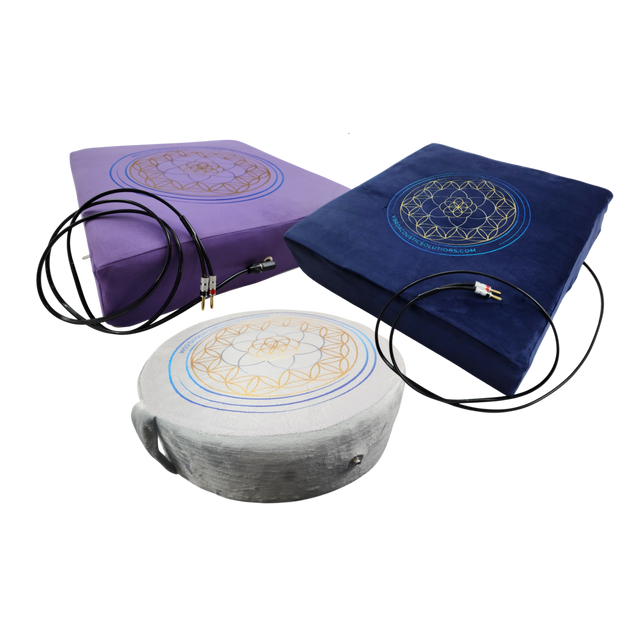
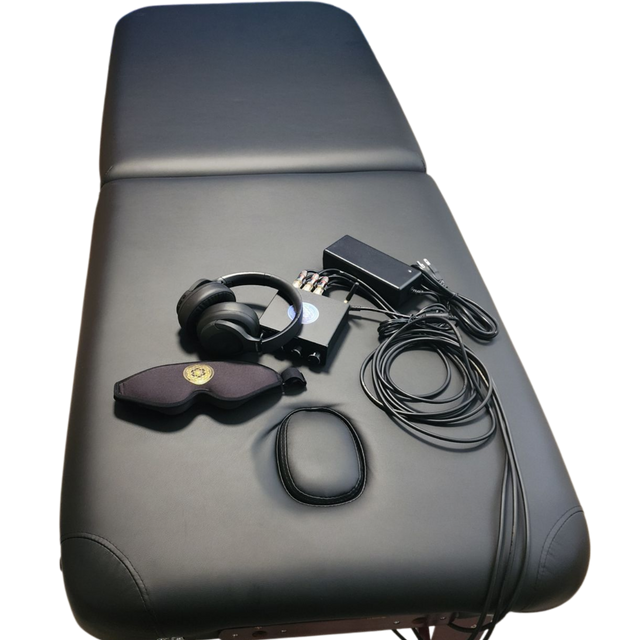
Integracja działa najlepiej, gdy sprzęt pasuje do istniejącego przepływu pracy. Zestaw do adaptacji stołu do masażu wibroakustycznego może wprowadzić dźwięk dotykowy do profesjonalnego stołu bez konieczności całkowitego przeprojektowania gabinetu zabiegowego. Poduszki mogą być przydatne w gabinetach konsultacyjnych, strefach relaksu lub w domu. Specjalistyczne łóżko może wspierać dłuższe sesje oparte na odpoczynku, gdzie celem jest zanurzenie, a nie masaż manualny.
Istotne są rozmieszczenie i kontakt z powierzchnią. Przetwornik wymaga stabilnego połączenia ze stołem lub meblem, aby skutecznie przekazywać wibracje. Gruba wyściółka, luźne elementy lub niestabilna rama mogą osłabić lub nierównomiernie rozłożyć wrażenia. Przetestuj system przed przybyciem klienta, włączając poziom dźwięku, intensywność wibracji i wszelkie przejścia muzyczne.
Najlepsza konfiguracja jest również cicha w sensie praktycznym. Kable powinny być zabezpieczone, sterowanie łatwe do osiągnięcia, a praktyk powinien być w stanie dostosować ustawienia bez przerywania spokoju sesji. Technologia powinna być częścią środowiska opieki, a nie odwróceniem od niej uwagi.
Komunikacja z klientem jest częścią tej modalności
Masaż wibroakustyczny jest dotykowy. To sprawia, że zgoda i komunikacja są niezbędne. Przed rozpoczęciem wyjaśnij, że klient poczuje delikatne wibracje dźwiękowe przez stół lub poduszkę, a nie tylko usłyszy muzykę w pomieszczeniu. Zaproś go do opisania, co jest komfortowe, czy woli subtelniejsze ustawienie i czy chce, aby wibracje trwały przez cały masaż.
Przydatne pytania są bezpośrednie i niespieszne: Czy odczucie jest uspokajające, neutralne czy zbyt silne? Czy chciałbyś bardziej stabilnego rytmu, czy mniej wibracji? Czy zauważasz jakieś obszary, w których jest szczególnie wspierające? Tego rodzaju sprawdzenie pomaga klientom budować interocepcję – zdolność do rozpoznawania i nazywania wewnętrznych sygnałów ciała.
Dla osób z nadwrażliwością sensoryczną, w tym niektórych osób z ADHD lub potrzebami sensorycznymi związanymi z autyzmem, przewidywalność może być cenniejsza niż intensywność. Zacznij od niskiego poziomu. Opisz każdą zmianę przed jej dokonaniem. Pozwól klientowi kontrolować głośność lub użyć prostego sygnału ręcznego, jeśli chce dostosowania. Doświadczenie terapeutyczne nie jest definiowane przez to, ile bodźców jest dostarczanych. Jest definiowane przez to, czy osoba czuje się przez nie wspierana.
Praktycy powinni również stosować odpowiednie procedury przyjęć i kierować klientów do ich licencjonowanego dostawcy usług medycznych, gdy pytania wykraczają poza zakres masażu lub wellness. Terapia wibroakustyczna może być znaczącym uzupełnieniem szerszego planu opieki, pozostając jednocześnie zakorzeniona w komforcie klienta, profesjonalnych granicach i indywidualnych celach.
Wprowadzenie doświadczenia do domu
Użytkownicy domowi mogą stosować te same zasady z mniejszą złożonością. Sesja z poduszką lub łóżkiem wibroakustycznym może stać się niezawodnym przejściem po pracy, przed snem lub po wymagającym treningu. Rozpocznij od 15 do 20 minut przy komfortowej głośności. Pozwól, aby oddech naturalnie się ułożył, zamiast wymuszać technikę. Zauważ, czy ciało lepiej reaguje na powolny, bogaty w basy pejzaż dźwiękowy, uspokajającą muzykę, czy dźwięki o osobistym znaczeniu.
Wiele osób jest przyciąganych do częstotliwości takich jak 432 Hz, tonów Solfeggio czy rezonansu Schumanna ze względu na ich kulturowe, duchowe i emocjonalne skojarzenia. Te tradycje dźwiękowe mogą wnieść poczucie rytuału i połączenia do praktyki odpoczynku. Gdy są dostarczane przez powierzchnię wibroakustyczną, doświadczenie staje się nie tylko słyszalne, ale i fizycznie odczuwalne, tworząc charakterystyczny most między słuchaniem a ucieleśnieniem.
Vibroacoustic Solutions projektuje systemy z myślą o tej praktycznej elastyczności: profesjonalnej klasy dźwięk dotykowy, który można zintegrować z kliniką, stołem zabiegowym lub domową przestrzenią do regeneracji. Celem nie jest zastąpienie wartości umiejętnej opieki czy uważnego dotyku. Chodzi o to, aby dać ciału jeszcze jedną, dobrze zaprojektowaną drogę do odpoczynku, świadomości i regulacji.
Najbardziej znacząca sesja może być tą, która wydaje się prawie prosta: podparte ciało, stała częstotliwość, sprawne ręce i wystarczająca cisza, aby układ nerwowy mógł rozpoznać, że może się rozluźnić.
Najnowsze posty


Vibration Therapy Versus Massage for Recovery
Read article