Większość ludzi po raz pierwszy spotyka się z terapią wibroakustyczną, gdy stres staje się fizyczny — zły sen, napięcie szczęki, przeciążenie sensoryczne, przewlekły ból lub układ nerwowy, który nigdy nie jest w pełni uregulowany. Ten przewodnik po rozpoczęciu terapii wibroakustycznej jest przeznaczony na ten moment, gdy ciekawość staje się praktyczna i chcesz wiedzieć, co naprawdę ma znaczenie: na czym polega terapia, jak bezpiecznie zacząć i jaki sprzęt ma sens dla Twojego ciała, domu lub praktyki klinicznej.
Terapia wibroakustyczna wykorzystuje dźwięk o niskiej częstotliwości, dostarczany przez głośniki lub przetworniki wbudowane w łóżko, matę, poduszkę lub powierzchnię zabiegową. Nie tylko słyszysz dźwięk. Czujesz go jako ukierunkowane wibracje przechodzące przez ciało. Ta mechaniczna stymulacja może wspierać relaksację, świadomość ciała, krążenie, rozluźnienie mięśni i regulację układu nerwowego. Dla wielu użytkowników atrakcyjność jest prosta: jest nieinwazyjna, głęboko regenerująca i oparta na nauce o somatycznej reakcji, a nie na niejasnych twierdzeniach dotyczących zdrowia.
Co tak naprawdę robi terapia wibroakustyczna
Na podstawowym poziomie terapia wibroakustyczna łączy słyszalny dźwięk z niskoczęstotliwowymi wibracjami, aby stworzyć terapeutyczny bodziec sensoryczny. Ciało reaguje na rytm i częstotliwość w mierzalny sposób. Niskie częstotliwości mogą wywoływać efekt mikro-masażu komórkowego w tkankach miękkich, podczas gdy przewidywalny bodziec sensoryczny może pomóc przesunąć autonomiczny układ nerwowy z chronicznego stanu nadpobudliwości.
Ma to znaczenie nie tylko dla relaksu. W praktyce ludzie często szukają terapii wibroakustycznej w celu regeneracji po stresie, wsparcia snu, rozluźnienia napięcia mięśniowego, regulacji sensorycznej, rozładowania napięcia ciała związanego z traumą i regeneracji po wysiłku. Praktycy mogą również włączać ją do masażu, terapii somatycznej, terapii dźwiękiem, pracy z ciałem lub programów wellness, ponieważ może pogłębić uspokojenie klienta bez dodatkowego obciążenia sesji.
Warto być tutaj precyzyjnym: terapia wibroakustyczna nie jest panaceum, a wyniki różnią się w zależności od osoby, programu częstotliwości, długości sesji i jakości sprzętu. Klient z ostrym lękiem może dobrze reagować na łagodne, stabilne sesje. Ktoś z przewlekłym bólem może potrzebować innego zakresu częstotliwości, początkowo krótszych sesji i bardziej stopniowego zwiększania intensywności. Dobre rozpoczęcie oznacza poszanowanie tego, że indywidualna reakcja ma znaczenie.
Przewodnik po rozpoczęciu terapii wibroakustycznej w domu lub w praktyce
Najlepszym miejscem do rozpoczęcia jest Twoje zastosowanie. Jeśli jesteś użytkownikiem domowym, zapytaj, jaki problem chcesz rozwiązać w pierwszej kolejności. Lepszy sen, mniej stresu, regeneracja fizyczna i uspokojenie sensoryczne wskazują na nieco inne wzorce użytkowania. Jeśli jesteś praktykiem, pytanie jest inne: jak terapia wibroakustyczna wpisze się w Twój przepływ pracy, ustawienie stołu, cele terapeutyczne i populację klientów?
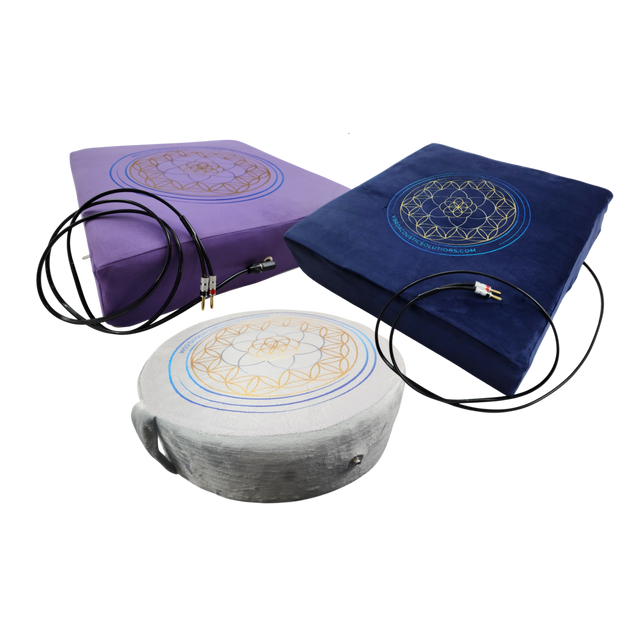
Do użytku domowego zazwyczaj wygrywa prostota. Poduszka, mata lub kompaktowy system na powierzchni często wystarcza do prowadzenia regularnych sesji bez potrzeby posiadania dedykowanego pomieszczenia. Jeśli Twoim celem jest codzienne obniżanie aktywności układu nerwowego, system, którego można używać w fotelu, na łóżku lub w cichym kącie, może być bardziej realistyczny niż duża platforma kliniczna, która zmienia całą przestrzeń.
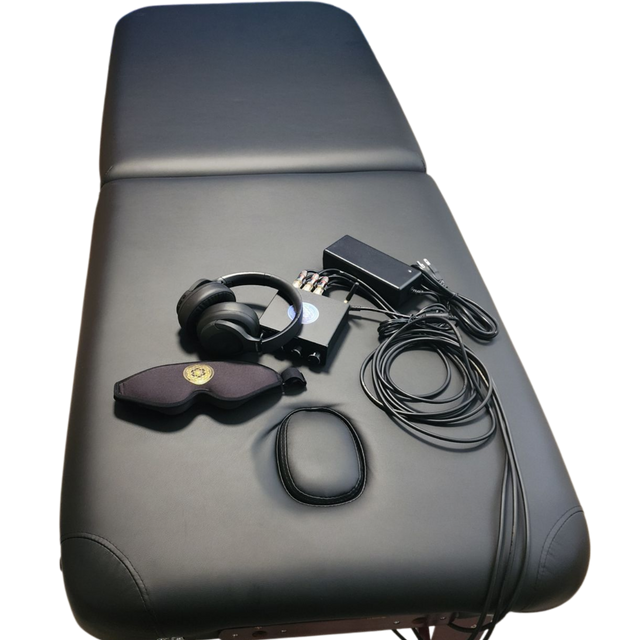
W przypadku zastosowań profesjonalnych ważniejsze są trwałość, zasięg i łatwość integracji. Terapeuci masażu mogą preferować nakładkę na stół zabiegowy lub zestaw do konwersji, który zachowuje ich istniejące wyposażenie. Kliniki i studia wellness mogą chcieć dedykowane łóżko wibroakustyczne, które zapewnia bardziej równomierne rozłożenie częstotliwości i lepsze wrażenia klienta. Właściwy wybór nie zawsze oznacza największy system. To ten, którego będziesz używać konsekwentnie i z ufnością.
Wybór odpowiedniego sprzętu
Powszechnym błędem początkujących, którego należy unikać, jest kupowanie tylko na podstawie wyglądu. Terapia wibroakustyczna jest zależna od sprzętu, więc jakość przetworników, konstrukcja powierzchni i kontrola nad dostarczaniem częstotliwości wpływają na wyniki.
Jeśli przystępna cena jest głównym czynnikiem, zestaw do samodzielnej konwersji lub nakładka na stół może być inteligentnym punktem wejścia. Opcje te często pozwalają praktykom i doświadczonym użytkownikom domowym przekształcić meble lub stoły zabiegowe w terapeutyczne powierzchnie dźwiękowe bez wymiany wszystkiego, co już posiadają. Obniża to barierę wejścia, jednocześnie zachowując kliniczną logikę tej metody.
Jeśli chcesz uzyskać najbardziej immersyjne doświadczenie, dedykowane łóżko lub platforma do terapii całego ciała zazwyczaj zapewnia lepszy kontakt z ciałem i bardziej jednolite wibracje. Może to być szczególnie przydatne dla użytkowników pracujących nad głębokim relaksem, regeneracją całego ciała lub dłuższymi sesjami. Poduszki i urządzenia lokalne nadal mają wartość, szczególnie do użytku siedzącego, regeneracji w biurze i w mniejszych przestrzeniach, ale mogą nie tworzyć takiego samego efektu dla całego ciała.
Kontrola częstotliwości również ma znaczenie. Nie każda sesja powinna być intensywna. W rzeczywistości wiele osób lepiej reaguje na umiarkowane, kojące bodźce niż na silne wibracje. Dobrze zaprojektowany system powinien umożliwiać wystarczającą kontrolę, aby dopasować sesję do osoby, zamiast narzucać każdemu ciału to samo doświadczenie sensoryczne.
Jak rozpocząć pierwsze sesje
Twoim pierwszym instynktem może być użycie terapii wibroakustycznej na długiej sesji o wysokiej intensywności, ponieważ więcej wydaje się lepsze. Zazwyczaj tak nie jest. Lepszym punktem wyjścia jest 15 do 20 minut na łagodnym do umiarkowanego poziomie, raz dziennie lub kilka razy w tygodniu, w zależności od Twojej wrażliwości i celów.
Stwórz ciche środowisko terapeutyczne. Przygaś jasne światła, ogranicz przerwy i wybierz programy audio lub częstotliwości, które wspierają regulację, a nie nadmierną stymulację. U wielu użytkowników ciało najlepiej reaguje, gdy sesja jest przewidywalna i bezpieczna. Jest to szczególnie prawdziwe w przypadku osób z napięciem związanym z traumą, różnicami w przetwarzaniu sensorycznym lub już aktywnym układem nerwowym.
Zwróć uwagę na to, co dzieje się po sesji, a nie tylko podczas niej. Niektórzy ludzie odczuwają natychmiastową ulgę w ramionach, oddechu lub tempie myślenia. Inni zauważają największą zmianę później tego wieczoru w jakości snu lub następnego dnia w bólu i regeneracji. Śledzenie tych zmian pomaga zbudować bardziej efektywną rutynę.
Praktycy powinni robić to samo z klientami. Zaczynaj ostrożnie, obserwuj reakcję i dostosowuj. Terapia wibroakustyczna może dobrze łączyć się z masażem, pracą z oddechem, prowadzoną relaksacją, terapią somatyczną lub usługami regeneracji, ale nakładanie zbyt wielu bodźców zbyt szybko może zmniejszyć efekt uspokajający.
Bezpieczeństwo i przeciwwskazania mają znaczenie
Ponieważ terapia wibroakustyczna jest delikatna, ludzie czasami zakładają, że jest odpowiednia dla każdego. To zbyt szerokie uogólnienie. Jak każda interwencja somatyczna, ma ona przeciwwskazania i sytuacje wymagające ostrożności.
Osoby z niektórymi implantowanymi urządzeniami medycznymi, ostrymi urazami, niestabilnymi stanami sercowo-naczyniowymi, zaburzeniami napadowymi, obawami związanymi z ciążą lub silną nadwrażliwością na dźwięk mogą potrzebować zgody lekarza lub zmodyfikowanego podejścia. Każdy z złożoną historią kliniczną powinien skonsultować się z wykwalifikowanym pracownikiem służby zdrowia przed rozpoczęciem. Praktycy powinni również mieć jasne procedury przyjmowania i udokumentowane protokoły, zwłaszcza podczas pracy z bólem, stanami neurologicznymi lub populacjami wrażliwymi.
Istnieje również czynnik komfortu, który ma znaczenie. Niektórzy użytkownicy od razu uwielbiają stymulację o niskiej częstotliwości. Inni potrzebują czasu, aby się zaaklimatyzować, ponieważ intensywne bodźce oparte na ciele mogą być nieznane. To nie znaczy, że terapia wibroakustyczna jest dla nich niewłaściwa. Często oznacza to, że sesja wymaga niższej intensywności, krótszego czasu trwania lub innej powierzchni dostarczającej bodźce.
Jakich rezultatów można się spodziewać i kiedy
Powszechne pytanie brzmi, czy terapia wibroakustyczna działa natychmiast. Czasami tak, czasami nie. Najszybsze zmiany często dotyczą relaksacji, rozluźnienia mięśni i odczuwanego stresu. Bardziej złożone cele, takie jak poprawa wzorców snu, regulacja sensoryczna lub ulga w przewlekłym napięciu, zazwyczaj zależą od konsekwencji.
Tutaj oczekiwania mają znaczenie. Jeśli ktoś użyje systemu raz i oczekuje trwałej zmiany, prawdopodobnie będzie rozczarowany. Jeśli użyje go jako części szerszej rutyny dbania o układ nerwowy, wyniki będą bardziej znaczące. Myśl o tym mniej jako o jednorazowym wydarzeniu, a bardziej jako o terapeutycznym bodźcu, który wspiera regulację w czasie.
W przypadku klinik ta sama zasada dotyczy wyników klientów. Terapia wibroakustyczna często działa najlepiej jako część zintegrowanego modelu opieki, a nie jako samodzielna obietnica. Może poprawić gotowość do sesji, pogłębić relaksację i wspierać świadomość ciała, co może zwiększyć skuteczność innych metod terapeutycznych.
Budowanie trwałej rutyny
Najskuteczniejszy plan rozpoczęcia to ten, który pasuje do prawdziwego życia. Dla użytkowników domowych oznacza to często powiązanie sesji z istniejącym nawykiem, takim jak wyciszanie się przed snem, regeneracja po wysiłku lub regulacja po stresującym dniu pracy. Dla praktyków oznacza to umieszczenie metody tam, gdzie rzeczywiście poprawia ona doświadczenie klienta, a nie narzucanie jej na każdą wizytę.
Konsekwencja pokonuje intensywność. Krótkie, regularne sesje zazwyczaj przewyższają sporadyczne sesje maratonowe. Realistyczny rytm to trzy do pięciu sesji tygodniowo dla wsparcia domowego lub wybiórcze stosowanie w planach opieki nad klientem w praktyce zawodowej.
Jeśli nadal zastanawiasz się, od czego zacząć, zacznij od problemu, który najbardziej chcesz zmienić, i wybierz sprzęt, który zaspokoi tę potrzebę bez dodawania niepotrzebnej złożoności. To często jest różnica między systemem, który staje się częścią leczenia, a takim, który stoi nieużywany w kącie.
Terapia wibroakustyczna jest przekonująca, ponieważ łączy technologię kliniczną z odczuwanymi doświadczeniami. Możesz mierzyć częstotliwości, omawiać regulację autonomiczną i oceniać konstrukcję sprzętu, ale prawdziwym dowodem jest to, czy ciało zaczyna czuć się bezpieczniejsze, bardziej miękkie i bardziej zdolne do regeneracji. Zacznij od tego, a właściwe ustawienie stanie się znacznie łatwiejsze do rozpoznania.
Najnowsze posty

Chronic Pain Relief Room Example for Home Use
Read article
Vibroacoustic Systems for Therapeutic Regulation
Read article
Tactile Audio Versus Headphones for Regulation
Read article