Jeśli klient mówi, że czuje się spokojniejszy w ciągu kilku minut od położenia się na stole wibroakustycznym, ta reakcja nie dotyczy tylko atmosfery. Wibracyjna terapia dźwiękiem działa poprzez mechaniczne wibracje dźwiękowe dostarczane bezpośrednio do ciała, tworząc doświadczenie sensoryczne, które może wpływać na napięcie mięśniowe, wzorce oddychania, percepcję bólu i regulację układu nerwowego.
Dla niektórych ludzi oznacza to głębszy relaks i lepszy sen. Dla innych jest to przydatne narzędzie w przypadku przewlekłego napięcia, przeciążenia sensorycznego lub regeneracji po stresie i wysiłku. Atrakcyjność jest oczywista – jest to metoda nieinwazyjna, skoncentrowana na ciele i coraz częściej wspierana badaniami w zakresie regulacji somatycznej i terapeutycznego dźwięku.
Czym właściwie jest wibracyjna terapia dźwiękiem?
Wibracyjna terapia dźwiękiem wykorzystuje fale dźwiękowe o niskiej częstotliwości przesyłane przez głośniki, przetworniki lub sprzęt wibroakustyczny, dzięki czemu ciało odczuwa dźwięk jako wibrację. W przeciwieństwie do muzyki odtwarzanej w pomieszczeniu, jest to stymulacja oparta na kontakcie. Dźwięk nie tylko jest słyszalny. Jest fizycznie doświadczany poprzez powierzchnię łóżka, maty, krzesła, poduszki lub stołu zabiegowego.
To rozróżnienie ma znaczenie. Słyszalny dźwięk może samodzielnie kształtować nastrój, ale odczuwane wibracje dodają komponent mechaniczny. Tkanki, powięzi i mięśnie otrzymują rytmiczny bodziec. Układ nerwowy otrzymuje powtarzalne informacje sensoryczne, które mogą wspierać regulację, gdy częstotliwość, intensywność i czas trwania są dobrze dopasowane do osoby korzystającej z terapii.
W warunkach klinicznych i wellness, wibracyjna terapia dźwiękiem jest często łączona z muzyką, pracą z oddechem, masażem, medytacją lub opieką manualną. W domu może być stosowana jako samodzielna sesja regeneracyjna w przypadku stresu, przygotowania do snu lub wspomagania zarządzania bólem.
Jak wibracyjna terapia dźwiękiem działa w ciele?
Podstawowy mechanizm jest prosty. Niskie częstotliwości tworzą oscylacje, które przemieszczają się przez ciało. Oscylacje te mogą sprzyjać łagodnemu efektowi mikromasażu, zmieniać odbierane bodźce sensoryczne i sprzyjać zmianom w stanie autonomicznym.
Gdy ciało znajduje się pod przewlekłym stresem, napięcie mięśniowe i aktywacja współczulnego układu nerwowego mogą stać się domyślnym stanem. Delikatne, wzorzyste wibracje mogą pomóc przerwać ten wzorzec. Wielu użytkowników opisuje ten rezultat jako poczucie „osiadania” fizycznie – mniejsze napięcie, wolniejsze oddychanie i jaśniejsze poczucie, gdzie ciało znajduje się w przestrzeni.
Regulacja układu nerwowego i bodźce sensoryczne
Jednym z powodów, dla których ta modalność przyciąga uwagę, jest jej związek z nauką o regulacji somatycznej. Układ nerwowy reaguje na rytm. Przewidywalna stymulacja o niskiej częstotliwości może dostarczyć organizujących bodźców sensorycznych, co może być pomocne dla osób, które czują się przestymulowane, zderegulowane lub odłączone od swojego ciała.
Nie oznacza to, że każda sesja działa uspokajająco. Wybór częstotliwości ma znaczenie. Niższe częstotliwości mogą być odczuwane jako uziemiające i uspokajające, podczas gdy inne zakresy mogą być bardziej stymulujące lub mobilizujące. W przypadku osoby z napięciem związanym z traumą lub wysokim stresem, celem jest zazwyczaj bezpieczeństwo i obniżenie pobudzenia. W przypadku regeneracji fizycznej celem może być wsparcie krążenia, rozluźnienie tkanek lub złagodzenie wzorców napięcia mięśniowego.
Ból, napięcie i postrzeganie ulgi
Ból jest złożony, i żaden wiarygodny dostawca nie powinien przedstawiać wibracji dźwiękowych jako uniwersalnego rozwiązania. Mimo to istnieje kilka powodów, dla których ludzie używają metod wibroakustycznych w celu wspomagania bólu. Mechaniczne wibracje mogą zmienić sposób przetwarzania sygnałów sensorycznych. Mogą również zmniejszyć odczuwaną sztywność i pomóc ciału wyjść z ochronnego napięcia.
Może to być przydatne w przypadkach przewlekłego napięcia pleców, sztywności szyi i ramion, uogólnionego bólu mięśni oraz bólu nasilonego stresem. Wyniki są zróżnicowane. Niektórzy ludzie odczuwają natychmiastową ulgę podczas sesji. Inni zauważają, że korzyści narastają przy konsekwentnym stosowaniu przez dłuższy czas.
W czym może pomóc wibracyjna terapia dźwiękiem?
Największe zainteresowanie wibracyjną terapią dźwiękiem koncentruje się wokół kilku praktycznych potrzeb: redukcji stresu, wspierania snu, zarządzania przewlekłym bólem, regulacji sensorycznej i integracji po leczeniu.
Dla zestresowanych użytkowników domowych sesje często stają się częścią wieczornej rutyny, ponieważ ciało dobrze reaguje na powtarzające się uspokajające sygnały. Dla praktyków technologia ta może pogłębić sesję masażu, pracy z ciałem lub medytacji, pomagając klientom szybciej się wyciszyć i być bardziej obecnym.
Rośnie również zainteresowanie stosowaniem metod wibroakustycznych u klientów z autyzmem, ADHD lub innymi problemami przetwarzania sensorycznego. W takich przypadkach korzyść często zależy od dawki i ustawienia. Niektórzy ludzie bardzo dobrze reagują na bodźce o niskiej częstotliwości. Inni potrzebują krótszych sesji, niższej intensywności lub bardziej ostrożnego wprowadzenia. Tutaj liczy się ocena kliniczna.
Jak wygląda sesja
Dobrze zaprojektowana sesja zazwyczaj nie jest dramatyczna. Jest stabilna, wciągająca i fizycznie uspokajająca. Ciało odczuwa pulsujące lub falujące wibracje przez plecy, nogi lub całe ciało, w zależności od sprzętu. Muzyka może być nakładana, lub sesja może wykorzystywać ukierunkowane częstotliwości z minimalnym pejzażem dźwiękowym.
Wiele osób najpierw zauważa zmianę w oddechu. Następnie rozluźnia się szczęka, opadają ramiona, a umysł staje się mniej zajęty. W gabinetach terapeutycznych może to zwiększyć skuteczność leczenia manualnego, ponieważ klient nie walczy już z relaksem.
Należy jednak pamiętać, że nie każda pierwsza sesja jest od razu przyjemna. Niektórzy użytkownicy są zaskoczeni tym, jak bezpośrednio odczuwalne są wibracje. Inni zdają sobie sprawę, jak bardzo ich system był pobudzony, gdy zaczyna się uspokajać. Rozpoczęcie od krótszych sesji i umiarkowanej intensywności zazwyczaj prowadzi do lepszych doświadczeń niż próba zrobienia zbyt wiele zbyt szybko.
Sprzęt klasy klinicznej a ogólne urządzenia dźwiękowe
Właśnie w tym punkcie kategoria często jest źle rozumiana. Nie każdy produkt oparty na głośnikach dostarcza znaczących bodźców wibroakustycznych. Systemy klasy klinicznej są zaprojektowane do przesyłania niskich częstotliwości przez fizyczną powierzchnię w kontrolowany i powtarzalny sposób. Obejmuje to jakość przetwornika, jego umiejscowienie, moc, konstrukcję powierzchni i sposób dostarczania częstotliwości.
Ogólne urządzenie do masażu może być przyjemne, ale niekoniecznie zapewnia ten sam rodzaj stymulacji somatycznej opartej na częstotliwości. Różnica jest podobna do porównania muzyki w tle z ukierunkowaną dostawą dźwięku terapeutycznego. Jeśli celem jest wsparcie układu nerwowego, integracja z praktykiem lub ukierunkowane zastosowanie objawowe, konstrukcja sprzętu ma znaczenie.
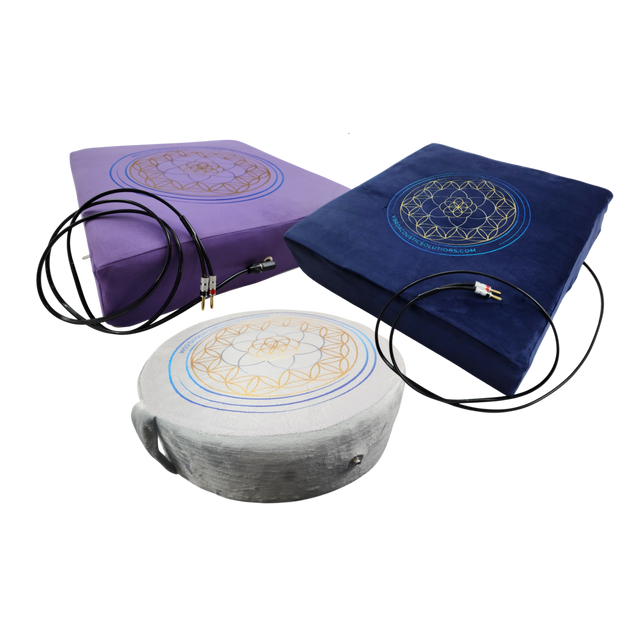
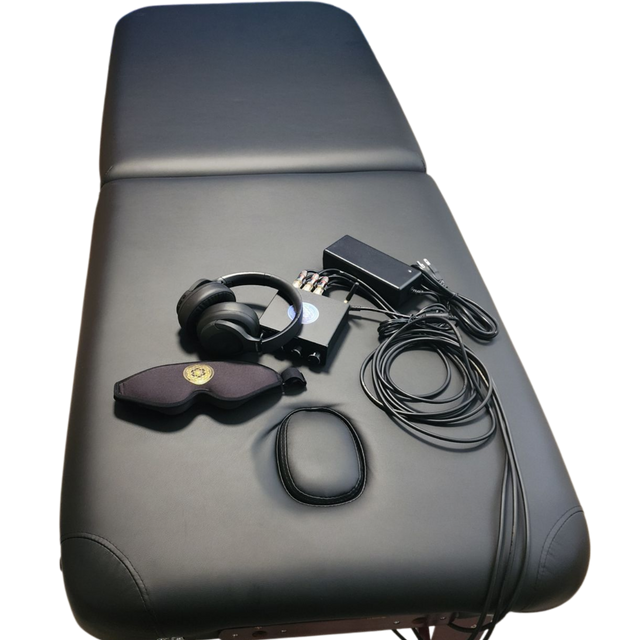
Dla użytkowników domowych liczy się również dostępność. Pełne łóżko wibroakustyczne to nie jedyna droga. Poduszki, zestawy do konwersji stołów i modułowe systemy mogą wprowadzić tę samą podstawową modalność do mniejszych przestrzeni i bardziej realistycznych budżetów. Dzięki temu wibracyjna terapia dźwiękiem jest łatwiejsza do zintegrowania, bez traktowania jej jako luksusowego eksperymentu.
Gdzie ta terapia pasuje – a gdzie nie
Wibracyjna terapia dźwiękiem działa najlepiej, gdy jest postrzegana jako metoda wspomagająca, a nie cudowne lekarstwo. Może uzupełniać masaż, medytację, terapię traumy, programy rehabilitacyjne i rutyny wellness. Może pomóc klientom osiągnąć stany, które inaczej byłyby trudne do osiągnięcia poprzez samo coaching słowny.
Jest mniej użyteczna, gdy oczekiwania są zawyżone lub konfiguracja jest źle dopasowana do osoby. Ktoś z dużą wrażliwością sensoryczną może potrzebować bardzo stopniowego podejścia. Ktoś z nierozwiązanym bólem może nadal potrzebować oceny medycznej, fizjoterapii lub opieki multidyscyplinarnej. Technologia może być potężna, ale kontekst ma znaczenie.
Dla praktyków oznacza to jasny wywiad, przemyślany dobór częstotliwości i realistyczną edukację. Dla konsumentów oznacza to wybór systemów stworzonych do zastosowań terapeutycznych i danie ciału czasu na reakcję.
Dlaczego rośnie zainteresowanie wibracyjną terapią dźwiękiem
Wzrost tej dziedziny odzwierciedla większą zmianę w zdrowiu i wellness. Coraz więcej ludzi chce nieinwazyjnych narzędzi, które wspierają regulację, regenerację i ucieleśnione uzdrawianie. Zadają również trudniejsze pytania o to, czy twierdzenia dotyczące wellness są poparte fizjologią, czy tylko dobrze opakowane.
Wibracyjna terapia dźwiękiem wyróżnia się, ponieważ znajduje się na styku nauki o zmysłach, inżynierii akustycznej i opieki terapeutycznej. Jest namacalna. Ludzie mogą odczuć jej działanie w czasie rzeczywistym. A gdy sprzęt jest dobrze zaprojektowany, doświadczenie nie jest niejasne ani mistyczne. Jest precyzyjne, fizyczne i często głęboko uspokajające.
Dlatego rośnie zainteresowanie wśród masażystów, praktyków somatycznych, klinik integracyjnych i użytkowników domowych. Ta modalność oferuje coś, czego wielu ludziom brakuje – bezpośrednią drogę do regulacji, która nie opiera się na sile woli.
W Vibroacoustic Solutions to praktyczne spojrzenie na tę dziedzinę ma znaczenie. Przyszłość terapii dźwiękiem nie będzie budowana na szumie. Będzie budowana na dostępnych systemach, lepszej edukacji i narzędziach, które pomagają ludziom czuć się bezpieczniej i bardziej wspieranymi w ich własnych ciałach.
Najbardziej użyteczne pytanie nie brzmi, czy dźwięk może wpływać na ciało. Wyraźnie może. Lepsze pytanie brzmi, jak świadomie chcesz wykorzystać ten efekt do regeneracji, regulacji i opieki.
Najnowsze posty


Vibration Therapy Versus Massage for Recovery
Read article