Szczęka jest zaciśnięta, oddech płytki, a nawet gdy w końcu usiądziesz, ciało nie przyjmuje sygnału. Jeśli szukasz sposobów na rozluźnienie wzorców układu nerwowego, które wydają się zablokowane w nadmiernej aktywności, celem nie jest wymuszanie spokoju. Celem jest wysyłanie ciału jasnych, powtarzalnych sygnałów bezpieczeństwa.
Ta różnica ma znaczenie. Rozregulowany układ nerwowy to nie problem nastawienia. To stan całego ciała, obejmujący napięcie mięśniowe, rytm oddechu, zmienność rytmu serca, bodźce sensoryczne, ciśnienie snu oraz bieżące przewidywanie przez mózg zagrożenia lub bezpieczeństwa. Dla niektórych stres objawia się gonitwą myśli i niepokojem. Dla innych bardziej przypomina wyłączenie, zmęczenie, drażliwość, nawroty bólu lub emocjonalne otępienie. Właściwa strategia regulacji zależy od stanu, w jakim znajduje się twój system.
Co tak naprawdę oznacza relaksacja układu nerwowego
Kiedy ludzie mówią o uspokajaniu układu nerwowego, zazwyczaj mają na myśli przejście z długotrwałej aktywacji współczulnej – reakcji walki, ucieczki lub mobilizacji – i wspieranie aktywności przywspółczulnej, zwłaszcza szlaków związanych z odpoczynkiem, trawieniem, regeneracją i zaangażowaniem społecznym. Ale to nie zawsze jest tak proste, jak przełączenie z "włączonego" na "wyłączony".
Zdrowy układ nerwowy jest elastyczny. Potrafi się zmobilizować, gdy jest to potrzebne, uspokoić, gdy minie potrzeba, i poruszać się między stanami bez uwięzienia. Jeśli masz chroniczny stres, doświadczyłeś traumy, masz niedobory snu, chroniczny ból, przeciążenie sensoryczne lub wypalenie, ta elastyczność może się zmniejszyć. Twoje ciało może zacząć reagować na zwykłe wymagania tak, jakby były naglące.
Dlatego wiele osób próbuje standardowych porad dotyczących relaksacji i czuje się sfrustrowanych. Długa medytacja może pomóc jednej osobie, ale dla innej może być nie do zniesienia. Głębokie oddychanie może być skuteczne, ale jeśli jest zbyt forsowne, może u niektórych osób zwiększyć świadomość wewnętrznego napięcia. Regulacja nie jest uniwersalna. Najlepiej działa, gdy bodziec pasuje do aktualnego poziomu aktywacji.
Jak w danej chwili zrelaksować aktywację układu nerwowego
Zacznij od ciała, zanim zaczniesz od umysłu. Jeśli twój system jest silnie aktywowany, samo poznawcze uspokojenie zazwyczaj nie działa dobrze. Potrzebujesz sensorycznych i fizjologicznych sygnałów, które powiedzą pniowi mózgu i autonomicznemu układowi nerwowemu, że środowisko jest wystarczająco bezpieczne, aby zwolnić.
Pierwsze, na co należy zwrócić uwagę, to Twój wydech. Nieznacznie dłuższy wydech niż wdech może wspierać tonus przywspółczulny, nie stając się nadmiernie wysiłkowym. Spróbuj wdychać powietrze przez cztery sekundy i wydychać przez sześć, przez jedną do trzech minut. Zachowaj delikatność. Jeśli liczenie sprawia, że jesteś spięty, pozwól, aby wydech po prostu naturalnie się zmiękczył i wydłużył.
Napięcie mięśniowe to kolejna potężna dźwignia. Stres często objawia się zaciskaniem szczęki, ramion, brzucha, dłoni i dna miednicy. Zamiast próbować „rozluźnić wszystko”, wybierz jeden obszar i zmniejsz wysiłek o 10 procent. Małe zmniejszenie napięcia może skuteczniej zmienić ocenę zagrożenia przez układ nerwowy niż agresywne rozciąganie lub wymuszanie bezruchu.
Rytm również ma znaczenie. Układ nerwowy dobrze reaguje na stałe, uporządkowane bodźce – chodzenie, kołysanie, nucenie, bilateralne stukanie lub wibracje dźwiękowe. Te powtarzające się sygnały mogą pomóc w uporządkowaniu przetwarzania sensorycznego i zmniejszeniu chaotycznego odczucia stresu. Dla osób, które czują się rozproszone, drżące lub przestymulowane, rytmiczne bodźce sensoryczne są często bardziej znośne niż cisza.
Temperatura również może pomóc. Chlapanie chłodną wodą na twarz lub przyłożenie chłodnego kompresu w okolice oczu i policzków może wspomóc szlaki błędne zaangażowane w uspokajanie. Ciepło natomiast może zmniejszyć napięcie i wspomóc rozluźnienie mięśni, zwłaszcza jeśli twoja reakcja na stres bardziej przypomina zamrożenie niż gorączkę. To, które działa lepiej, zależy od twojego stanu.
Rola regulacji sensorycznej
Wiele osób myśli o stresie jako o czymś czysto emocjonalnym, ale obciążenie sensoryczne jest głównym czynnikiem napędzającym aktywację układu nerwowego. Jasne światła, ciągłe powiadomienia, hałas w tle, zatłoczone miejsca i wielozadaniowość – wszystko to zwiększa ilość informacji, które mózg musi przetworzyć. Jeśli to obciążenie utrzymuje się wysoko przez cały dzień, twoje ciało rzadko otrzymuje czyste okno na regenerację.
Jednym z najskuteczniejszych sposobów na rozluźnienie układu nerwowego jest zmniejszenie zbędnego zapotrzebowania sensorycznego. Ścisz głośność. Przyciemnij pokój. Przestań przełączać się między ekranami. Pozwól oczom spocząć na stabilnym punkcie wizualnym, zamiast na szybkich bodźcach wzrokowych. Jest to szczególnie ważne dla osób z migrenami, ADHD, autyzmem, nadmierną czujnością związaną z traumą lub przewlekłym bólem, gdzie przetwarzanie sensoryczne jest często już przeciążone.
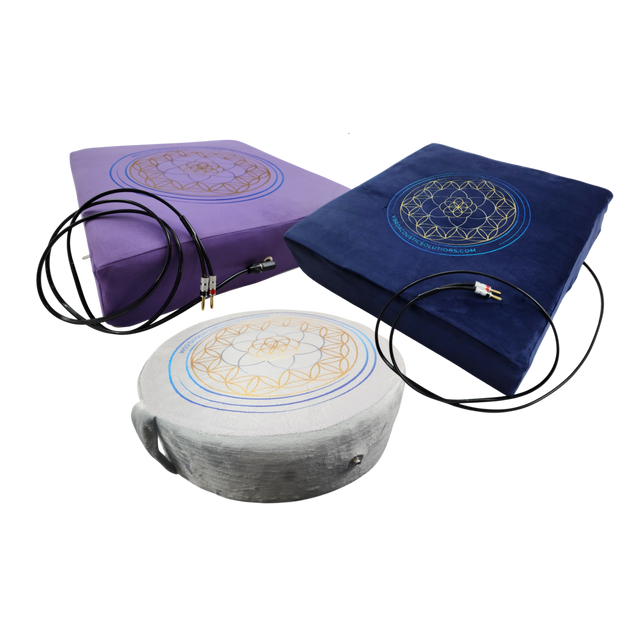
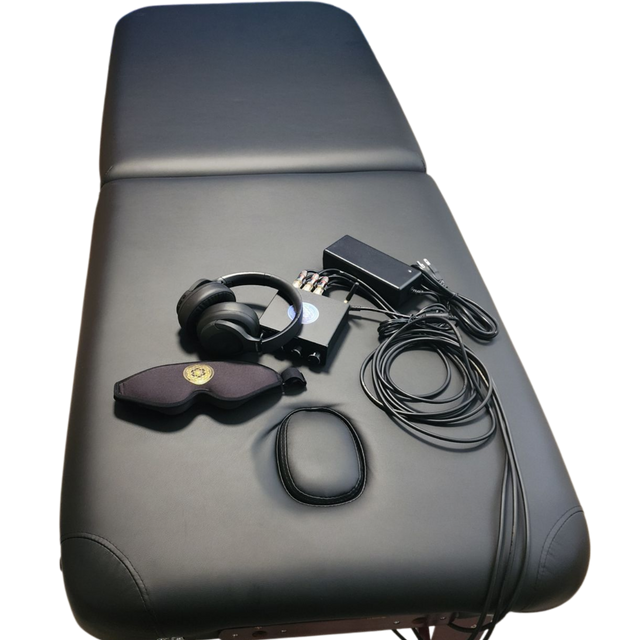
Strukturalne bodźce sensoryczne mogą być równie pomocne jak redukcja bodźców sensorycznych. Delikatny nacisk, terapeutyczny dźwięk, niskoczęstotliwościowe wibracje, dociążenie i powolna muzyka mogą dostarczać sygnałów orientujących, które wspierają regulację. To jeden z powodów, dla których terapia wibroakustyczna staje się coraz bardziej istotna w opiece somatycznej. Łączy ona dźwięk i wibracje w sposób, który może promować relaksację, świadomość ciała i zmianę stanu poprzez mierzalne szlaki sensoryczne, a nie niejasny język wellness.
Dlaczego dźwięk i wibracje mogą pomóc
Układ nerwowy stale interpretuje wibracje. Niskoczęstotliwościowe dźwięki i stymulacja mechaniczna mogą wpływać na napięcie mięśniowe, krążenie, świadomość ciała i percepcję bezpieczeństwa. W kontekście terapeutycznym, starannie dostarczona stymulacja wibroakustyczna może pomóc zmniejszyć pobudzenie, poprawić relaksację i wspierać przejścia w stan odpoczynku.
Ma to znaczenie dla klientów i użytkowników domowych, którzy borykają się z tradycyjnymi metodami relaksacji. Jeśli siedzenie w bezruchu z myślami działa aktywizująco, interwencja oparta na ciele może być skuteczniejsza. Rytmiczne, niskoczęstotliwościowe bodźce mogą dać systemowi coś uporządkowanego, na co może zareagować. Zamiast prosić umysł o kontrolowanie stresu, oferujesz ciału sygnał regulacyjny.
Mimo to, więcej stymulacji nie zawsze oznacza lepiej. Zakres częstotliwości, głośność, czas trwania i wrażliwość osoby mają znaczenie. Osoba z silną nadwrażliwością sensoryczną może potrzebować bardzo delikatnych bodźców. Osoba z przewlekłym napięciem mięśniowym może dobrze reagować na głębszą stymulację wibroakustyczną. Narzędzia kliniczne są przydatne, ponieważ pozwalają na bardziej spójne, celowe zastosowanie niż przypadkowa ekspozycja.
Codzienne nawyki ułatwiające regulację
Jeśli Twój poziom podstawowy jest przewlekle podwyższony, doraźne narzędzia pomogą tylko do pewnego stopnia. Potrzebujesz również warunków, które wspierają odporność układu nerwowego w dłuższej perspektywie.
Sen jest jednym z największych czynników. Zły sen zwiększa aktywację współczulną, obniża tolerancję na stres i nasila ból oraz reaktywność emocjonalną. Jeśli chcesz konsekwentnie relaksować układ nerwowy, chroń godzinę przed snem. Zredukuj jasne światło, utrzymuj przewidywalną stymulację i używaj sygnałów, które Twoje ciało może kojarzyć z wyciszaniem się każdej nocy.
Stabilność poziomu cukru we krwi ma większe znaczenie, niż wielu ludzi sobie zdaje sprawę. Pomijanie posiłków, nadużywanie kofeiny i jazda na cyklu skoków i spadków może naśladować niepokój w ciele. Jeśli czujesz się roztrzęsiony, drażliwy lub pobudzony i zmęczony, nie musi to być wyłącznie psychologiczne. Regularne posiłki z białkiem i błonnikiem mogą zmniejszyć jedno ze źródeł fizjologicznego alarmu.
Ruch pomaga, ale intensywność ma znaczenie. Trening o wysokiej intensywności może być korzystny dla niektórych osób, jednak jeśli jesteś już przytłoczony, może to dodać więcej obciążenia, zanim twój system będzie gotowy. Spacer, praca nad mobilnością, lekki trening oporowy lub delikatne rozciąganie mogą być lepszym wyborem w okresach deregulacji. Pytanie nie brzmi, co spala najwięcej energii. Pytanie brzmi, co sprawia, że po treningu twoje ciało czuje się bardziej zorganizowane.
Bezpieczeństwo społeczne to kolejne niedoceniane narzędzie regulacji. Spokojny głos, kontakt wzrokowy z zaufaną osobą, przebywanie w towarzystwie kogoś opanowanego lub otrzymywanie wykwalifikowanego dotyku terapeutycznego – wszystko to może zmienić stan autonomiczny. Układy nerwowe regulują się w relacjach, nie tylko w izolacji.
Kiedy techniki relaksacyjne nie działają
Jeśli relaks sprawia, że czujesz się pobudzony, emocjonalny, odrętwiały lub bardziej świadomy dyskomfortu, to nie znaczy, że ponosisz porażkę. Zazwyczaj oznacza to, że metoda jest zbyt intensywna, zbyt szybka lub niepasująca do Twojego aktualnego stanu.
Na przykład, osoba w stanie hiperarousal może potrzebować ugruntowania poprzez ruch, zanim spróbuje bezruchu. Osoba w stanie zamknięcia może potrzebować pobudzających bodźców sensorycznych i delikatnej aktywacji, zanim będzie mogła osiągnąć spokój. Osoba po traumie może potrzebować stopniowania – małych dawek regulacji z dużą możliwością wyboru i kontroli – zamiast długich sesji, które wydają się przytłaczające.
Właśnie w tym miejscu wskazówki praktyka mogą być cenne. Masażyści, praktycy somatyczni, specjaliści od terapii dźwiękiem i dostawcy usług integracyjnych często obserwują ten sam wzorzec: ciało najlepiej reaguje, gdy interwencje są dawkowane i zindywidualizowane. Regulacja nie polega na robieniu najwięcej. Polega na zastosowaniu właściwego bodźca o właściwej intensywności.
Praktyczny sposób na zbudowanie własnej rutyny regulacji
Myśl warstwowo. Zacznij od jednego narzędzia opartego na oddechu, jednego narzędzia sensorycznego i jednego nawyku regeneracyjnego. Na przykład, możesz używać dłuższego wydechu przez dwie minuty po południu, 20-minutowej sesji dźwiękowej lub wibroakustycznej wieczorem i konsekwentnego wyciszenia z niskim poziomem stymulacji przed snem. Utrzymaj prostotę na tyle, byś rzeczywiście to powtarzał.
Śledź reakcję, zamiast dążyć do perfekcji. Po zastosowaniu techniki zadaj sobie pytanie: Czy czuję się bardziej spokojny, bardziej obecny i mniej obronny w swoim ciele? Czy może czuję się płasko, niespokojnie lub przestymulowany? Twój układ nerwowy szybko wysyła sygnały, jeśli zwrócisz uwagę.
W Vibroacoustic Solutions to jest najważniejsze: regulacja powinna być mierzalna w ciele. Lepszy oddech. Mniejsze napięcie. Łatwiejsze przejścia do odpoczynku. Większa zdolność do regeneracji po stresie. Te zmiany są znaczące, ponieważ odzwierciedlają poprawę elastyczności autonomicznej, a nie tylko chwilowe rozproszenie uwagi.
Jeśli próbowałeś się uspokoić siłą, spróbuj innego podejścia. Daj swojemu ciału rytm, bezpieczeństwo i rodzaj bodźców sensorycznych, którym może zaufać. Często to właśnie tam zaczyna się prawdziwy relaks.
Najnowsze posty

DIY Transducer Kit Review for Therapy Spaces
Read article
Somatic Sound Therapy Versus Massage: Key Differences
Read article