A meaningful vibroacoustic equipment review starts beneath the surface of the furniture. A bed, cushion, or table attachment may look simple, but its therapeutic value depends on how accurately it converts low-frequency audio into physical vibration the body can feel. The right system creates a stable, comfortable field of sound through the back, pelvis, legs, or full body. The wrong fit can feel underpowered, distracting, or difficult to use consistently.
Vibroacoustic therapy uses transducers, sometimes called tactile speakers, to translate audio signals into mechanical vibration. Rather than only hearing a tone through the ears, the user perceives frequency through skin, muscle, connective tissue, and bone conduction pathways. Most therapeutic systems work primarily within approximately 20 to 120 Hz, a range that overlaps with frequencies the body readily senses as rhythmic movement.
That physical mechanism matters because the experience is not simply a massage and not simply music listening. Slow, sustained vibration can provide a predictable sensory input that many people experience as grounding. Paired with carefully selected music, breathwork, guided relaxation, or hands-on therapy, it can help create conditions that support downregulation, body awareness, rest, and recovery.
What to Look for in Vibroacoustic Equipment
The best equipment is not necessarily the largest or most elaborate. It is the system whose frequency performance, body contact, controls, and durability match the setting where it will be used. A home user managing evening stress has different needs from a massage therapist treating four clients a day.
Frequency response and usable low end
Look first at the frequency range the system can reproduce effectively, rather than relying on a broad marketing claim. Vibroacoustic sessions often emphasize low frequencies from about 30 to 80 Hz because these tones are distinctly tactile without requiring extreme volume. Frequencies around 40 Hz are frequently used in vibroacoustic protocols for their clear, steady sensation, while lower ranges such as 20 to 40 Hz can feel slower and more enveloping when the equipment is designed to handle them well.
A useful system should deliver these frequencies with control, not rattling or buzzing. Furniture construction has a major role here. Thin panels, loose hardware, and poorly isolated components can create audible mechanical noise that interrupts relaxation. A well-built platform lets the vibration feel integrated with the surface rather than like a speaker shaking beneath it.
Do not assume that more bass is always better. Excessive intensity can be overstimulating, particularly for people with migraine sensitivity, sensory processing differences, trauma-related tension, or unfamiliarity with tactile sound. The goal is an adjustable, clear signal that can be matched to the person and session.
Transducer placement and body coverage
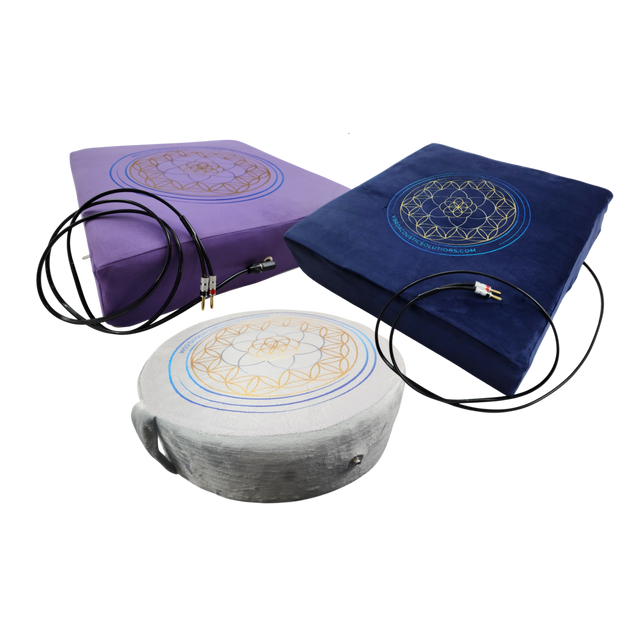
Transducers create the tactile experience, so their number and placement deserve close attention. A single transducer under a chair or cushion can offer focused support for seated use. This can be an excellent option for a desk, reading area, or short regulation practice. It may not provide the even whole-body distribution that a full-length bed or massage table system can create.
Full-body vibroacoustic beds typically use multiple transducers positioned to reach key contact areas, such as the upper back, lower back, hips, and legs. This arrangement makes lower frequencies feel more balanced across the body and can reduce the temptation to turn the volume up too high just to feel something. For practitioners, consistent coverage is especially valuable because each client should receive a predictable experience.
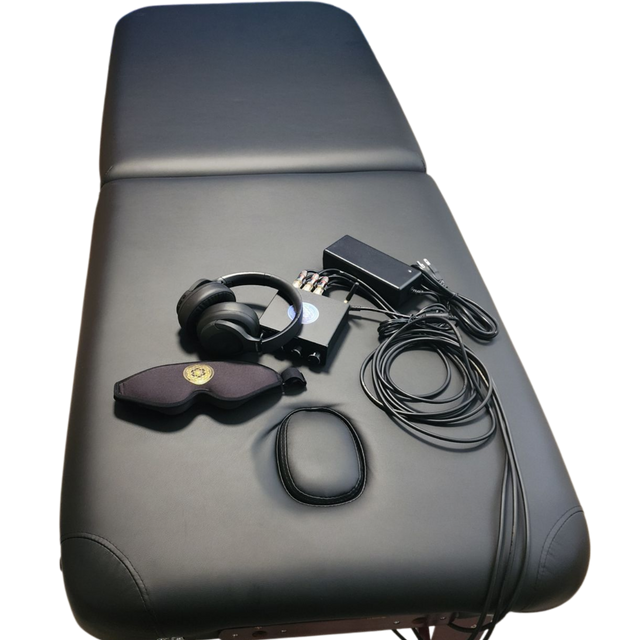
Massage table attachment kits occupy a practical middle ground. They allow an existing table to become a vibroacoustic treatment surface without replacing functional clinical furniture. The trade-off is that results depend on the table's material, padding, frame stability, and how securely the kit is installed. A solid table with quality padding often transfers vibration beautifully; a lightweight or unstable table may require more careful calibration.
Amplifier power, control, and sound source
The amplifier is the system's engine. It needs enough clean power to move the transducers across the intended low-frequency range without distortion. Underpowered equipment can make sessions feel flat, while an amplifier pushed beyond its comfortable operating level may introduce harshness or mechanical strain.
Controls should be simple enough to use when someone is already lying down or preparing a client. Independent volume adjustment is essential. Systems that offer easy connection to a phone, tablet, computer, or dedicated player give users more flexibility with therapeutic music, low-frequency programs, binaural or ambient soundscapes, and recorded guided sessions.
Consider how the audio is delivered in the room as well. Some people prefer headphones to reduce distractions and create a private, immersive session. Others prefer external speakers, especially in a clinic where verbal guidance, gentle music, and a calm environment are part of care. The tactile channel and audible music should feel coordinated, but each should remain adjustable.
Vibroacoustic Equipment Review by Use Case
The most honest vibroacoustic equipment review recognizes that the "best" choice changes with the space, budget, and therapeutic goal.
For home regulation and sleep routines
A cushion, recliner conversion, or compact mat can be the right entry point for home use. These systems take less space and make it easier to build a regular practice around a familiar place. A 20- to 40-minute session before bed, after work, or following exercise can become a repeatable cue for settling the nervous system.
Prioritize comfort and frictionless setup. If connecting cables, arranging cushions, and adjusting multiple components feels burdensome, the equipment may remain unused. A compact solution is also a good fit for people who want targeted support through the back and hips rather than a dedicated therapy bed.
For users seeking a more immersive experience, a full-length bed provides greater body contact and a clearer boundary between daily activity and restorative time. It is a larger investment and requires dedicated floor space, but it can make a home practice feel intentional and easier to sustain.
For massage therapists and somatic practitioners
Practitioners need equipment that supports their existing session flow. A massage table conversion system can add a tactile sound layer before bodywork, during stillness-based treatment, or at the end of a session when integration is the focus. Lower frequencies can be introduced gently while the client remains fully supported on the table.
Here, reliability matters as much as sensation. Choose components that are easy to clean around, simple to reconnect between appointments, and stable enough for repeated use. Consider where controls will sit during a treatment and whether the system can be adjusted quietly without breaking the atmosphere in the room.
The clinical opportunity is not to make every session louder or more technical. It is to offer carefully paced sensory input that supports safety, presence, and the therapeutic intention already guiding the work.
For clinics and high-volume environments
Dedicated vibroacoustic beds are often the strongest fit for clinics, wellness centers, and sound therapy studios. They create a recognizable treatment modality, allow full-body positioning, and can be incorporated into structured protocols. Their form factor also communicates purpose: this is a therapeutic environment designed for rest, sensory regulation, and recovery.
Durability, weight capacity, serviceability, and client access should be reviewed before purchase. A low bed may feel inviting to some clients but be difficult for others to enter or exit. Upholstery should be supportive without being so firm that it limits body contact, and so soft that vibration becomes muted. Equipment that offers a clear operating workflow helps staff deliver consistent sessions across a busy schedule.
Comfort Is a Performance Feature
It is easy to focus on Hz values and amplifier specifications while overlooking the surface carrying the vibration. Yet body comfort directly affects perception. When the neck is strained, the knees are unsupported, or the client feels cold and exposed, the nervous system has competing signals to process.
Look for stable padding, a supportive headrest or pillow strategy, and enough room for the user to shift naturally. Some people prefer a weighted blanket or light cover during a session, while others need minimal contact and open space. The equipment should accommodate those preferences without reducing vibration transfer too dramatically.
This is also where a trial period or thoughtful setup guidance adds value. Small adjustments in volume, body position, and program selection can significantly change the experience. Vibroacoustic Solutions, for example, approaches equipment as part of a larger educational process, which is useful for buyers who want to understand not just what to purchase, but how to use it well.
Questions to Ask Before Buying
Before selecting a system, clarify whether it will be used for personal relaxation, practitioner sessions, or both. Measure the available space and account for cables, power access, cleaning routines, and storage. Ask what frequencies the transducers are designed to reproduce, how intensity is controlled, and whether the system has been built for repeated therapeutic use rather than occasional entertainment.
Also consider the kind of experience you want to create. Some people are drawn to deeply physical low-frequency sessions. Others value gentle vibration paired with music at familiar frequencies, including 432 Hz arrangements, Solfeggio-inspired soundscapes, or nature-based recordings. These choices can carry personal meaning and help shape a sense of ritual, safety, and connection. The equipment should give you room to explore them at a comfortable intensity.
The right system does not need to be complicated. It needs to make therapeutic sound feel reliable, embodied, and available when regulation is needed most. Choose the equipment that meets your body, your space, and your practice where they are, then let consistent use do the deeper work.
Najnowsze posty

Why Use Massage Table Transducers in Practice?
Read article
Clinical Vibration Table Review for Therapists
Read article
Clinic Essentials for Sound Therapy That Work
Read article