A sound therapy room can look beautiful and still miss the therapeutic mark. When a client lies on a treatment table and low-frequency sound is only heard, rather than physically felt, the nervous system experience is incomplete. The most effective clinic essentials for sound therapy create a coherent pathway: audio reaches the ears, vibration reaches the body, and the practitioner has a safe, repeatable process for matching both to a client’s needs.
Vibroacoustic therapy works through a direct physical mechanism. A low-frequency audio signal is sent to transducers mounted within a bed, cushion, chair, or massage-table attachment. Those transducers convert the signal into mechanical vibration, allowing the body to receive rhythmic, tactile stimulation through broad areas of contact. Frequencies in the 20-120 Hz range are commonly used in vibroacoustic settings, with many practitioners working between 30-80 Hz for a clearly felt, comfortable body-based experience.
That mechanical input is part of what makes sound therapy especially valuable in a clinical or somatic setting. It gives clients something concrete to feel while they settle, breathe, recover, or process a session. The room, equipment, and workflow should all support that purpose.
Start With a Clinical-Grade Vibroacoustic Foundation
The central decision is where vibration will meet the body. A dedicated vibroacoustic bed offers the broadest contact area and can support full-body sessions, especially for clinics focused on nervous system regulation, chronic tension, restorative care, or extended sound therapy appointments. The client can remain comfortably supported while low frequencies travel through the back, hips, legs, and shoulders.
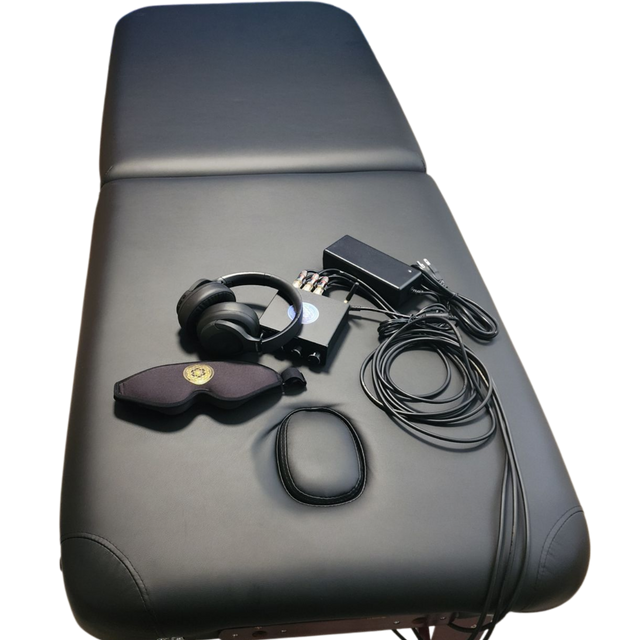
A massage-table attachment kit is often the most practical choice for bodyworkers, chiropractors, and integrative practitioners who already have a table and want to add vibroacoustic therapy without redesigning the treatment room. It preserves the hands-on nature of a session while adding a tactile sound layer before, during, or after manual work.
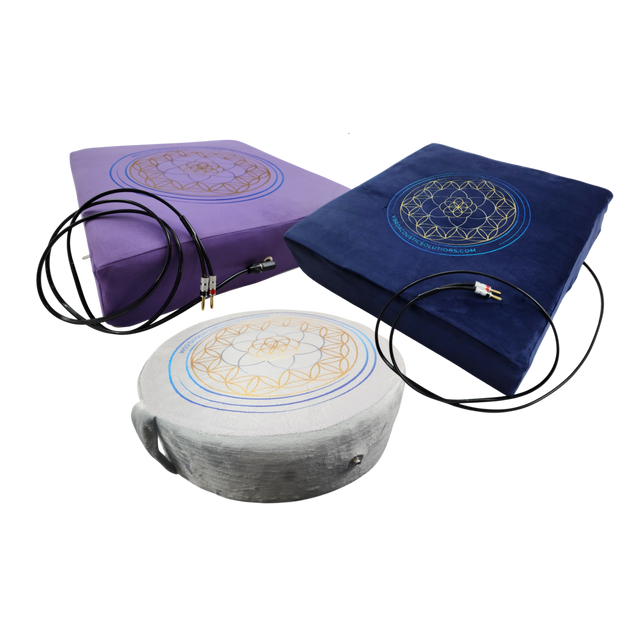
Cushions provide another useful option. They work well in consultation rooms, sensory regulation spaces, recovery lounges, and smaller clinics where a client may benefit from seated support. A cushion is not a substitute for a full-body system in every use case, but it can be a highly effective entry point for targeted sessions and portable care.
Choose equipment based on body contact, appointment style, room size, and cleaning requirements. A high-output system is not automatically better. The goal is even, comfortable vibration that feels stable across the body, not intensity for its own sake.
Why Frequency Range Matters
Low frequencies have longer wavelengths and are especially suited to tactile delivery. At approximately 30-40 Hz, many clients describe a grounded, enveloping sensation. Frequencies around 40 Hz are also of significant research interest in sensory stimulation and brain rhythm studies. Higher low-frequency settings, such as 60-80 Hz, can feel more activating or muscular, depending on the program, transducer placement, and individual sensitivity.
The right protocol is rarely one fixed frequency for every person. A client arriving with high sensory sensitivity may prefer a gentler amplitude and shorter exposure. Someone seeking post-exertion recovery may respond well to a different musical pace, frequency program, or session duration. This is why reliable controls matter as much as the equipment itself.
Build the Sound Environment Around the Body
A vibroacoustic system needs clean audio playback to do its job well. Use a dedicated audio source, appropriate amplifier or control unit, and speakers or headphones that suit the treatment model. The music does not need to be loud for the therapy to be felt. In fact, a moderate listening level often makes it easier for clients to notice the relationship between breath, body contact, and vibration.
For a shared clinic environment, room acoustics deserve attention. Hard walls, bare floors, and glass can create reflections that make music feel sharp or distracting. Soft furnishings, acoustic panels, curtains, and rugs can reduce excessive reflection without turning the room into a recording studio. The goal is speech privacy, musical clarity, and a space that does not overstimulate the client.
Consider sound containment early. A low-frequency system may be physically quiet at the listening position while still transmitting vibration through floors or shared walls. Isolation pads, thoughtful placement away from partitions, and scheduling around neighboring services can prevent disruption. This is particularly relevant in multidisciplinary clinics where counseling, massage, acupuncture, and movement sessions may run at the same time.
Lighting and temperature also affect the session. Dim, adjustable lighting supports downregulation for many clients, while a cold room can keep the body guarded. Include blankets, bolsters, sanitation-friendly covers, and a reachable call button or clear way for clients to communicate during a session.
Create a Repeatable Intake and Consent Process
Sound therapy becomes more clinically useful when the practitioner knows what a client wants from the session and how their body tends to respond to sensory input. A short intake can cover sleep quality, stress load, pain or tension patterns, sound sensitivity, comfort with touch and vibration, and any current care they are receiving.
Ask practical questions as well. Does the client prefer silence, headphones, or room audio? Would they like instrumental music, nature-based sound, rhythmic music, or frequencies without a prominent melody? Are they comfortable lying supine, prone, or side-lying? These choices give clients agency, which is particularly meaningful in trauma-informed and sensory-aware care.
Consent should include a clear explanation of what the client may feel: gentle pulsing, a low-frequency hum through the table, shifts in muscle holding, emotional release, sleepiness, or a desire to change the volume or intensity. Explain that they can pause or stop at any time. For clients with complex health histories, implanted devices, pregnancy, acute injury, seizure concerns, or significant sound sensitivity, encourage consultation with the appropriate licensed healthcare professional and use a conservative, individualized approach.
Design Sessions With a Beginning, Middle, and Landing
A strong vibroacoustic session is not simply a playlist running beneath an appointment. It has a therapeutic arc. Begin with one or two minutes of orientation: invite the client to notice points of contact, hear the music, and feel the vibration before making any judgment about it. Start lower than the level you expect to use, then adjust gradually.
The middle of the session is where the frequency program and clinical intention meet. For relaxation-oriented work, sustained tones, slow musical phrasing, and moderate tactile amplitude can support a quieter internal pace. For body awareness, a practitioner may use shorter segments and invite attention to the jaw, diaphragm, abdomen, hips, or feet as vibration travels through the table.
Research into vibroacoustic therapy has explored its role in pain perception, relaxation, motor support, and quality of life across varied populations. Small clinical studies and reviews have reported promising changes in perceived pain, anxiety, muscle tone, and relaxation, while also emphasizing differences in protocols, session lengths, and participant needs. That variability is not a weakness in practice. It is a reminder to document what is used and listen closely to the client’s response.
End with a landing period. Reduce the vibration gradually, leave time for stillness, and avoid rushing a client directly into a bright hallway or payment conversation. A few minutes for water, journaling, or verbal check-in helps integrate the session and gives the practitioner useful feedback for future care.
Use Documentation to Make Sound Therapy More Precise
A simple session record can transform sound therapy from an attractive add-on into a consistent clinical offering. Note the client’s position, program or frequency range, audio style, intensity, duration, stated goal, and response during and after the session. Over time, patterns become visible.
You may find that one client settles best with 30 Hz at a low amplitude and instrumental music, while another prefers a more rhythmic 50-60 Hz program for recovery-focused appointments. Documenting these preferences makes return visits feel more personalized and helps practitioners maintain continuity across a team.
It also supports ethical communication. Rather than promising a universal outcome, you can explain exactly what your clinic provides: a non-invasive, body-based sound therapy experience designed to support relaxation, regulation, comfort, and recovery alongside appropriate professional care.
Make the Room Easy to Use Every Day
The best equipment is equipment your team can operate confidently between appointments. Keep cables secured and labeled, place controls within practitioner reach, and create a brief setup and shutdown checklist. Clean contact surfaces between clients, inspect transducers and connectors regularly, and test the system before the first appointment of the day.
Training matters, too. Every team member should understand the difference between audible volume and tactile amplitude, how to adjust each safely, and how to respond when a client says the sensation is too strong, too subtle, or unexpectedly emotional. A calm, informed adjustment is part of the therapeutic experience.
A well-equipped sound therapy room does more than add music to a treatment. It gives the body a carefully designed sensory environment where vibration, sound, comfort, and professional presence can work together - one session, one breath, and one regulated moment at a time.
Najnowsze posty


Clinical Vibration Table Review for Therapists
Read article
Professional Frequency Equipment Review for Clinics
Read article