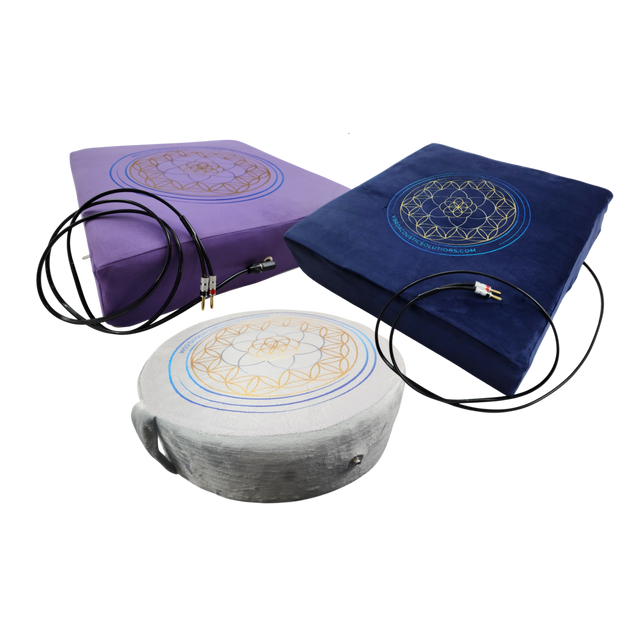
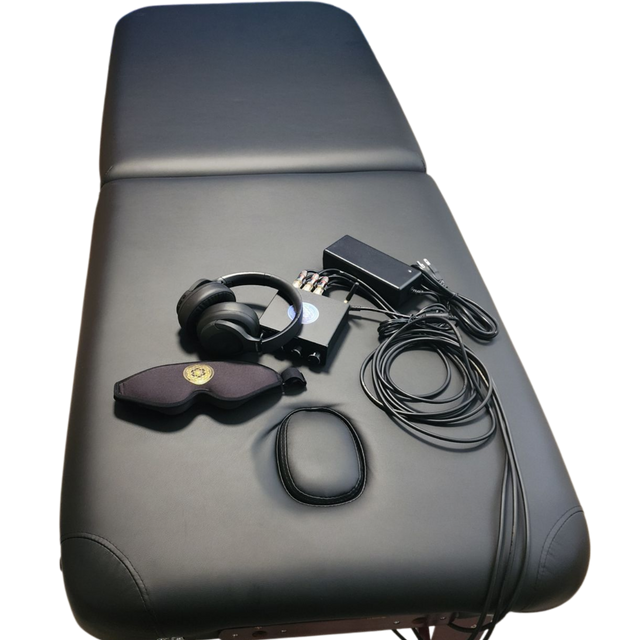
Większość ludzi nie potrzebuje więcej gadżetów poprawiających samopoczucie. Potrzebują jednego systemu, który rzeczywiście pomaga ciału się uspokoić, zregenerować i bardziej przewidywalnie reagować na stres. Właśnie tu wyróżnia się sprzęt do terapii wibroakustycznej. Gdy sprzęt jest odpowiednio zbudowany, niskoczęstotliwościowy dźwięk to nie tylko coś, co słyszysz – staje się czymś, co ciało odczuwa poprzez ukierunkowane wibracje, tworząc bezpośrednią drogę do regulacji układu nerwowego, rozluźnienia mięśni i wsparcia sensorycznego.
Ta kategoria może początkowo wydawać się myląca, ponieważ sprzęt występuje w kilku formatach, a nie każda konfiguracja pasuje do każdego celu. Użytkownik domowy poszukujący lepszego snu ma inne potrzeby niż masażysta dodający sesje wibroakustyczne do istniejącego stołu. Właściwy wybór zależy od tego, gdzie system będzie używany, jak często, kto będzie go używał i jak ważna jest elastyczność.
Do czego właściwie służy sprzęt do terapii wibroakustycznej?
Systemy wibroakustyczne wykorzystują przetworniki lub wbudowane głośniki do konwertowania częstotliwości dźwięku na wibracje mechaniczne, które przenikają przez ciało. W praktyce oznacza to, że użytkownik doświadcza niskoczęstotliwościowego dźwięku jako odczuwalnego bodźca, a nie tylko słyszalnego. Jest to część tego, co czyni tę metodę użyteczną w opiece somatycznej. Bezpośrednio angażuje ciało, co może wspierać relaksację, wyciszenie, krążenie, regenerację i świadomość ciała w sposób, w jaki samo bierne słuchanie często nie potrafi.
Efekt terapeutyczny zależy od czegoś więcej niż tylko dodawania basu do muzyki. Systemy klasy klinicznej są zaprojektowane do dostarczania częstotliwości z wystarczającą spójnością i kontaktem, aby stworzyć znaczące doświadczenie fizyczne. Powierzchnia ma znaczenie. Umiejscowienie przetwornika ma znaczenie. Sposób, w jaki ciało spoczywa na sprzęcie, ma znaczenie. Podobnie jak jakość sygnału przesyłanego przez system.
Zarówno dla praktyków, jak i użytkowników domowych, to rozróżnienie jest ważne. Konsumencki zestaw audio może wytwarzać wibracje, ale to automatycznie nie czyni go terapepeutycznym. Sprzęt zbudowany specjalnie do tego celu jest zaprojektowany z myślą o powtarzalności, komforcie i wynikach opartych na ciele.
Główne rodzaje sprzętu do terapii wibroakustycznej
Najskuteczniejszy format to ten, który pasuje do sposobu, w jaki faktycznie będziesz go używać. W praktyce sprzęt wibroakustyczny zazwyczaj dzieli się na cztery kategorie.
Łóżka wibroakustyczne
Łóżka oferują najbardziej immersyjne doświadczenie całego ciała. Ponieważ użytkownik jest podparty na większej powierzchni, wibracje mogą być rozprowadzane bardziej równomiernie od stóp do głów. To sprawia, że łóżka są szczególnie wartościowe do głębszych sesji relaksacyjnych, środowisk pracy z ciałem w oparciu o traumę, zastosowań regeneracyjnych i klinik, które pragną zapewnić najwyższej jakości doświadczenie leczenia.
Minusem jest zajmowana powierzchnia i koszt. Łóżka zajmują więcej miejsca, wymagają dedykowanej konfiguracji i zazwyczaj najlepiej sprawdzają się w stałych środowiskach, a nie w praktyce mobilnej. Dla dostawców budujących sztandarową usługę taka inwestycja może mieć sens. Dla małego gabinetu może to nie być opłacalne.
Poduszki i maty
Poduszki oferują mniejszy, bardziej dostępny punkt wejścia. Dobrze sprawdzają się w krzesłach, fotelach rozkładanych, przestrzeniach do medytacji i środowiskach domowych, gdzie elastyczność ma znaczenie. Mogą być również pomocne dla użytkowników, którzy potrzebują ukierunkowanego wsparcia podczas odpoczynku, ćwiczeń oddechowych lub krótkich sesji regulacyjnych, bez konieczności instalowania większego sprzętu.
Ich ograniczeniem jest zasięg. Poduszka może być bardzo skuteczna, ale nie zapewni takiego samego pełnego zanurzenia jak dedykowane łóżko. Dla niektórych użytkowników to jest całkowicie w porządku. Jeśli celem jest redukcja stresu, wsparcie sensoryczne lub regularna pielęgnacja układu nerwowego w praktycznej konfiguracji domowej, poduszka może być najbardziej realistycznym wyborem.
Zestawy do mocowania na stole do masażu
Systemy te są szczególnie przydatne dla masażystów, terapeutów ciała i specjalistów integracyjnych, którzy już posiadają stół do zabiegów i chcą dodać funkcję wibroakustyczną bez wymiany istniejącego sprzętu. Ten format ułatwia wdrożenie, ponieważ opiera się na konfiguracji, którą praktyk już zna i używa.
Z biznesowego punktu widzenia, zestawy do mocowania mogą być inteligentnym rozwiązaniem pośrednim. Rozszerzają usługi, zachowują układ pomieszczenia i obniżają koszty początkowe w porównaniu z zakupem dedykowanego łóżka wibroakustycznego. Kluczowym pytaniem jest kompatybilność. Struktura stołu, wyściółka i rozkład ciężaru mogą wpływać na sposób przenoszenia wibracji.
Zestawy do samodzielnej konwersji wibroakustycznej
Systemy DIY są atrakcyjne, ponieważ sprawiają, że technologia staje się bardziej przystępna cenowo i elastyczna. Mogą przekształcać istniejące meble lub powierzchnie zabiegowe w funkcjonalne platformy wibroakustyczne, co jest szczególnie atrakcyjne dla doświadczonych użytkowników, klinik z niestandardowymi ustawieniami lub kupujących z ograniczonym budżetem, którzy nadal oczekują poważnych efektów terapeutycznych.
Należy jednak pamiętać, że DIY nie oznacza, że zgadywanie powinno zastępować projektowanie. Skuteczność konwersji w dużej mierze zależy od jakości instalacji, materiału mebli, rozmieszczenia przetworników i zachowania akustycznego. Dla kupujących, którzy cenią sobie elastyczność i rozumieją proces instalacji, DIY może zapewnić dużą wartość. Dla użytkowników, którzy cenią sobie prostotę „podłącz i używaj”, lepszym rozwiązaniem może być gotowa opcja.
Jak wybrać odpowiedni system dla Twojego środowiska
Najrozsądniejszy zakup zaczyna się od przypadku użycia, a nie od kategorii produktu. Jeśli sprzęt jest przeznaczony do użytku domowego, najpierw pomyśl o rutynie. System, który jest łatwy w konsekwentnym użytkowaniu, zazwyczaj przyniesie więcej korzyści niż bardziej zaawansowany zestaw, który wydaje się uciążliwy. Zastanów się, gdzie będą odbywać się sesje, jak długo będą trwać i czy użytkownik potrzebuje przenośności, cichej pracy lub kompatybilności z meblami wielofunkcyjnymi.
Jeśli sprzęt jest przeznaczony do praktyki, pomyśl o przepływie pracy i doświadczeniu klienta. Czy terapia wibroakustyczna będzie samodzielną usługą, czy będzie włączona w sesje masażu, terapii somatycznej, medytacji, regeneracji lub uzdrawiania dźwiękiem? Czy celem jest stworzenie prestiżowej oferty, czy też zintegrowanie stymulacji niskoczęstotliwościowej z istniejącym planem leczenia przy minimalnych zakłóceniach? Odpowiedzi na te pytania kształtują poziom immersji, trwałości i dostosowania, które są faktycznie niezbędne.
Populacja użytkowników również ma znaczenie. Klienci z przewlekłym bólem, dużym stresem, zaburzeniami snu, napięciem związanym z traumą, autyzmem, ADHD lub problemami z przetwarzaniem sensorycznym mogą różnie reagować na intensywność częstotliwości, długość sesji i pozycję ciała. Sprzęt powinien wspierać delikatne, kontrolowane użycie, a nie narzucać uniwersalnego rozwiązania.
Cechy, które mają większe znaczenie niż język marketingowy
Nie każda specyfikacja zasługuje na taką samą wagę. W tej kategorii najważniejsze cechy to te, które wpływają na niezawodność terapeutyczną.
Kluczowe jest dostarczanie częstotliwości. System powinien być zdolny do odtwarzania niskich częstotliwości wystarczająco wyraźnie i spójnie, aby stworzyć prawdziwą reakcję dotykową. Projekt powierzchni również ma znaczenie, ponieważ kontakt z ciałem wpływa na sposób przenoszenia wibracji. Jeśli użytkownik nie ma stabilnego kontaktu z aktywną powierzchnią, duża część zamierzonego efektu może zostać utracona.
Kolejnym ważnym czynnikiem jest jakość wykonania. Profesjonalne środowiska potrzebują sprzętu, który wytrzyma wielokrotne użycie bez spadku wydajności. Użytkownicy domowi mogą priorytetowo traktować komfort i łatwość konfiguracji, ale nawet wtedy jakość konstrukcji wpływa na wyniki. Słabe ramy, złe mocowanie przetworników i niespójne materiały mogą zmniejszyć zarówno komfort, jak i skuteczność.
Równie ważne są opcje sterowania. Dobry system powinien umożliwiać pewien poziom dostosowywania sesji, czy to poprzez wybór utworów, kontrolę intensywności, czy programowanie specyficzne dla formatu. Jest to ważne, ponieważ terapia wibroakustyczna nie zawsze polega na robieniu więcej. W niektórych przypadkach delikatniejsza sesja jest bardziej regulująca niż silniejsza.
Koszt, wartość i co powinno oznaczać przystępność cenowa
Dostępność cenowa nie musi oznaczać obniżonej jakości. W tak specjalistycznej kategorii wartość wynika z dopasowania sprzętu do zamierzonego rezultatu bez nadmiernych zakupów. Użytkownik domowy może nie potrzebować łóżka w skali klinicznej, aby zauważyć znaczną poprawę relaksu lub jakości snu. Z drugiej strony, praktyk może stracić wartość, wybierając tani zestaw, który nie jest w stanie zapewnić powtarzalnych wyników dla klientów.
Lepsze pytanie to nie „Co jest najtańsze?”, ale „Co zapewnia największą użyteczność terapeutyczną dla tego środowiska?”. Czasami jest to poduszka lub zestaw do konwersji. Czasami jest to bardziej immersyjny system profesjonalny. Właściwa odpowiedź zależy od trwałości, częstotliwości użytkowania i roli, jaką sprzęt odegra w opiece.
To jeden z powodów, dla których edukacja ma tak duże znaczenie w procesie zakupu. Vibroacoustic Solutions pomogło uczynić tę kategorię bardziej przystępną, łącząc opcje sprzętowe z praktycznymi wskazówkami, ścieżkami opartymi na objawach i ramami opartymi na badaniach. Ta kombinacja zmniejsza zgadywanie zarówno dla klinicystów, jak i codziennych użytkowników.
Kto najbardziej korzysta z systemów wibroakustycznych?
Ta modalność przemawia do szerokiego grona użytkowników, ponieważ znajduje się na styku komfortu fizycznego i wsparcia układu nerwowego. Osoby borykające się z przewlekłym napięciem, przeciążeniem stresem, złym snem, potrzebami regeneracji po wysiłku i dysregulacją sensoryczną często dobrze reagują na interwencje oparte na ciele, które nie polegają na sile ani nadmiernej stymulacji.
Dla praktyków, sprzęt wibroakustyczny może pogłębić środowisko leczenia poprzez dodanie opartej na dowodach warstwy stymulacji niskoczęstotliwościowej do istniejących usług. Dla użytkowników domowych może on sprawić, że regulacja terapeutyczna będzie bardziej dostępna między wizytami, co często jest momentem, w którym postęp stabilizuje się lub spada.
Najbardziej realistyczne oczekiwanie nie polega na tym, że sprzęt robi wszystko sam. Polega na tym, że staje się on niezawodnym narzędziem w szerszej strategii opieki – strategii, która wspiera ciało w wychodzeniu z chronicznej aktywacji i przechodzeniu w stan, w którym praca nad uzdrowieniem jest bardziej możliwa.
Dobry wybór oznacza patrzenie poza nowość i skupienie się na dopasowaniu. Najlepszy system wibroakustyczny to ten, który wychodzi naprzeciw potrzebom ciała, działa w rzeczywistym środowisku, w którym będzie używany, i wspiera spójną, powtarzalną opiekę terapeutyczną.
Najnowsze posty

Chronic Pain Relief Room Example for Home Use
Read article
Vibroacoustic Systems for Therapeutic Regulation
Read article
Tactile Audio Versus Headphones for Regulation
Read article