The Challenge of Sensory Overload
For individuals with sensory processing differences, ADHD, or neurodivergent profiles, the world can often feel physically overwhelming. When the nervous system struggles to filter out chaotic environmental data—such as bright lights, unpredictable noises, or light touch—it triggers an involuntary, systemic stress response. This physiological overwhelm makes it incredibly difficult to self-regulate or maintain focus. Vibroacoustic Therapy (VAT) offers a unique, "bottom-up" approach to sensory organization. By delivering continuous, low-frequency sound directly into the body within the 30 Hz to 120 Hz range, our systems provide a singular, predictable mechanical stimulus. This steady, tactile resonance effectively acts as a biological anchor, helping to override chaotic sensory input and encouraging the nervous system to power down its defensive alarm bells.
Proprioception and Bodily Boundaries
A key component of sensory regulation is proprioception—the nervous system’s subconscious ability to sense where the physical body ends and the external world begins. When proprioceptive feedback is disorganized, the body often feels physically ungrounded, leading to restlessness, hyperactivity, and heightened anxiety. By introducing a rhythmic, kinetic pulse directly to the deep tissues and muscles, vibroacoustic hardware provides a clear, constant physical boundary. This deep-tissue tactile stimulation satisfies the body's craving for sensory input in a controlled, non-threatening manner. As the body registers this grounding mechanical feedback, physiological arousal decreases, creating a profound sense of bodily security and calm.
Advanced Hardware for Sensory Support Routines
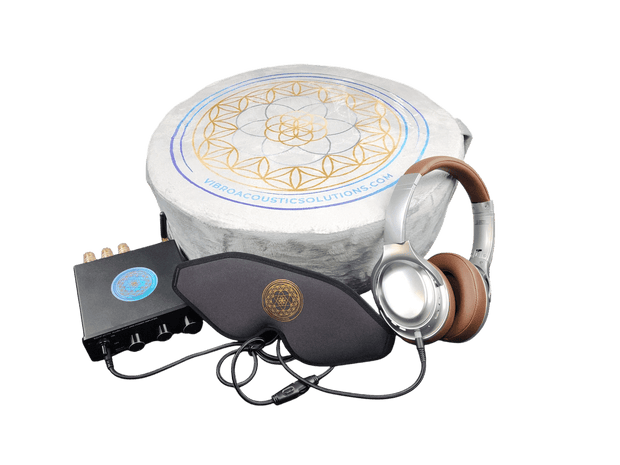
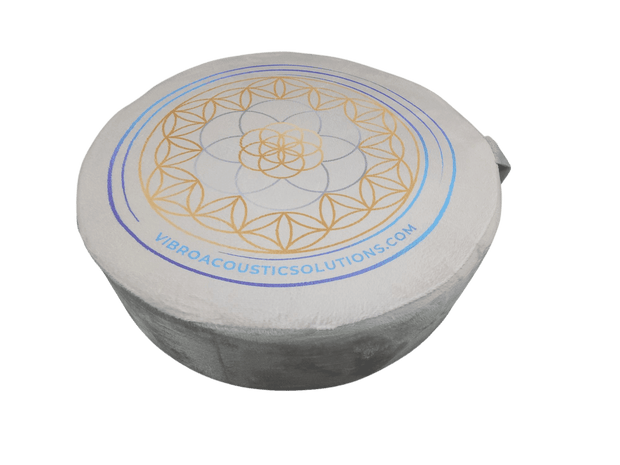
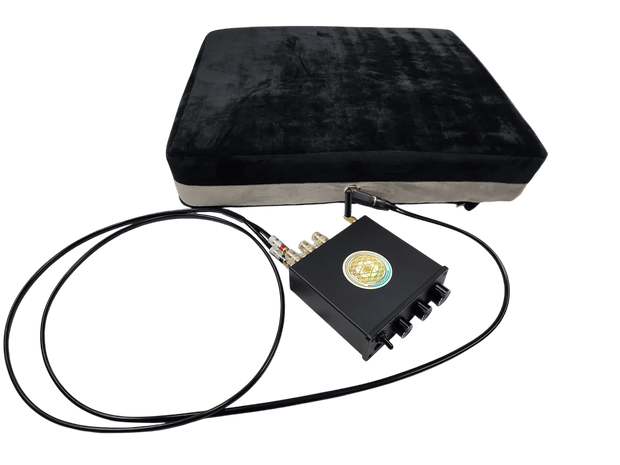
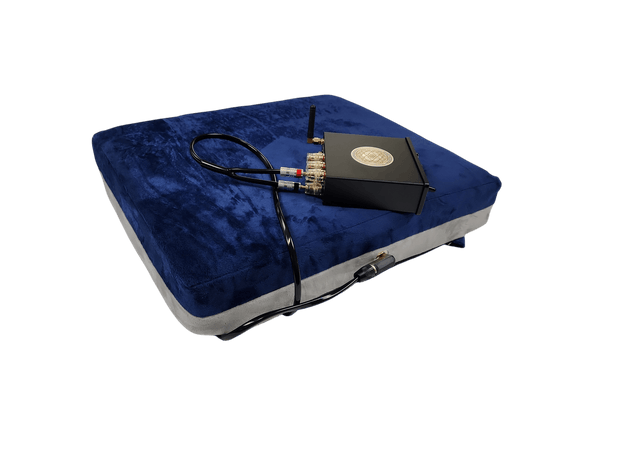
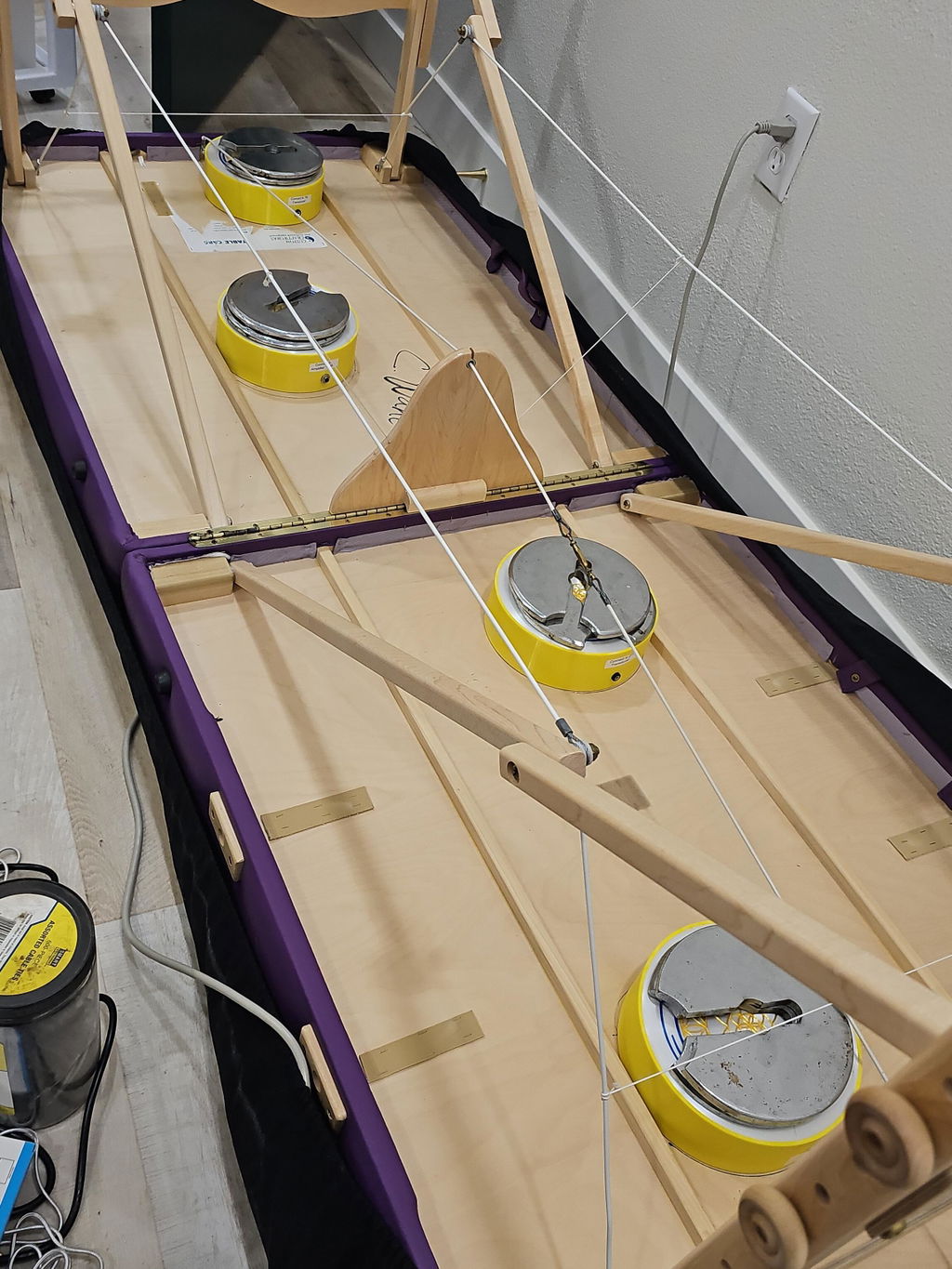
Vibroacoustic Solutions provides newly engineered, affordable hardware designed to integrate seamlessly into sensory rooms, pediatric clinics, educational spaces, or your private home sanctuary. While modern clinical research utilizes specialized tactile platforms to measure sensory regulation and attention in laboratory settings, our systems are designed strictly as general wellness tools to support your bodily relaxation and overall sensory environment. Our products are not the specific devices used in clinical trials and are not medical devices that treat, cure, or diagnose clinical conditions like Autism Spectrum Disorder (ASD), Sensory Processing Disorder (SPD), or ADHD.
Research Evidence & Direct Links
Disclaimer: The following peer-reviewed studies utilized various clinical-grade vibroacoustic and acoustic stimulation devices in controlled experimental settings. While Vibroacoustic Solutions hardware operates within standard VAT frequency parameters, our products are general wellness devices and were not used in these specific trials.
Ongoing Proprietary Research: The Sound Wave Therapy Center Partnership
We are proud to announce that Vibroacoustic Solutions is currently participating in our own dedicated clinical research initiatives. In partnership with the non-profit organization, The Sound Wave Therapy Center, we are actively exploring the physiological and behavioral effects of Vibroacoustic Therapy (VAT) on children and teens with autism. This ongoing study utilizes our specialized hardware to deliver a highly targeted 40 Hz frequency of tactile sound. We are gathering empirical data to demonstrate exactly how this specific mechanical resonance supports sensory integration, emotional regulation, and physical grounding in neurodivergent populations.
Resource 1: Vibroacoustic Therapy's Effects on Emotion Regulation and Attention in Autistic Children (2025)
-
Frequencies Used: The intervention utilized a targeted frequency bandwidth between 25 Hz and 75 Hz, with a specific emphasis on 40 Hz acoustic resonance to prevent overstimulation while maximizing tactile feedback.
-
Specific Effects on Autism: This mixed-methods clinical trial investigated VAT as a sensory-based intervention for autistic children (aged 9–12). Quantitative analysis revealed statistically significant improvements in sustained and joint attention. Qualitatively, the mechanical vibration fostered a profound sense of physical calm, allowing the children to self-regulate their emotions and physically relax their bodies during periods of sensory overwhelm.
-
Direct Accessible Link: Moore et al. (2025) - PubMed Central (PMC11898927)
Frequently Asked Questions
-
Why is mechanical vibration calming for sensory overload?
Sensory overload occurs when the nervous system cannot predict or process the vast amount of chaotic data in the environment. Vibroacoustic therapy introduces a single, steady, and predictable mechanical rhythm into the body. This continuous tactile input acts as a "biological override"—it is so profoundly grounding that the nervous system latches onto it, ignoring the chaotic external stimuli and allowing physiological arousal to rapidly decrease.
-
Are the low-frequency sounds too loud for auditory sensitivity?
No. A key benefit of the 30 Hz to 120 Hz frequency range is that it is felt physically through the body much more than it is heard audibly by the ears. Because the kinetic energy is transferred directly into the dense tissues, the audible volume remains very low. This makes it a highly tolerable and effective intervention for individuals with extreme auditory sensitivities or hyperacusis.
-
What specific frequencies are best for a daily sensory support routine?
While general vibroacoustic therapy spans a broader spectrum, an emphasis on the 40 Hz frequency is primarily found in dedicated research involving Autism and sensory integration. Other related clinical studies have observed positive regulatory effects using a slightly wider range, typically between 25 Hz and 80 Hz. These deep, heavy frequencies provide a robust sense of "deep pressure" and proprioceptive anchoring, effectively mimicking the calming, secure sensation of a weighted blanket but functioning from the inside out.
Disclaimers
-
FDA Disclaimer: These statements have not been evaluated by the Food and Drug Administration. These products are general wellness tools and are not intended to diagnose, treat, cure, or prevent any disease, neurological condition, or clinical sensory disorder (such as ASD or ADHD).
-
Research Context: The clinical research linked on this page refers to mechanical vibration and tactile stimulation as a scientific modality studied in clinical environments. Vibroacoustic Solutions products are designed as affordable solutions for general bodily relaxation and were not the devices used in the cited clinical trials. They are not intended to treat the specific behavioral or neurological conditions mentioned in any research data.
-
Medical Consultation: Always consult with a licensed healthcare provider, occupational therapist, or pediatrician before beginning any new physical wellness modality, especially if you have an implanted electronic medical device, acute injuries, or a history of severe sensory disorders.