Człowiek może rozumieć, że jest bezpieczny, a mimo to wciąż odczuwać zaciśniętą szczękę, płytki oddech, gonitwę myśli czy ciało, które nie potrafi się wyciszyć. Ta luka między świadomością a stanem fizycznym jest miejscem, w którym nowoczesna technologia wspierająca dobrostan układu nerwowego staje się naprawdę użyteczna. Najbardziej obiecujące narzędzia nie wymagają od ludzi „myślenia” o sposobie wyjścia ze stresu. Dostarczają one wymiernych bodźców sensorycznych, które ciało może odbierać bezpośrednio.
Zarówno dla użytkowników domowych, jak i specjalistów pytanie nie brzmi już, czy technologia ma miejsce w praktyce regulacji. Chodzi o to, jaki rodzaj bodźca pasuje do danej osoby, otoczenia i celu: wyhamowania po przewlekłym stresie, przygotowania do snu, łagodzenia uporczywego napięcia mięśniowego czy stworzenia bardziej ugruntowującego doświadczenia terapeutycznego.
Dlaczego układ nerwowy reaguje na bodźce fizyczne
Autonomiczny układ nerwowy nieustannie zbiera informacje z ciała i otoczenia. Nacisk, temperatura, dźwięk, ruch, światło, oddech, postawa i sygnały społeczne – wszystko to kształtuje, czy układ organizuje się w stronę mobilizacji, odpoczynku czy regeneracji. Gdy stres jest długotrwały, układ nerwowy może stać się wysoce wrażliwy na sygnały zagrożenia, stając się jednocześnie mniej responsywnym na subtelniejsze sygnały bezpieczeństwa.
Technologia wspierająca dobrostan może współpracować z tym procesem, czyniąc sygnały sensoryczne bardziej spójnymi i powtarzalnymi. Mechanizm ma znaczenie. Wibrująca powierzchnia, na przykład, nie wywołuje jedynie przyjemnego odczucia. Dźwięk o niskiej częstotliwości jest przekształcany przez przetworniki dotykowe w wibracje mechaniczne, które przenoszą się przez krzesło, stół, poduszkę lub łóżko bezpośrednio do ciała. Ten dotykowy bodziec jest odczuwany przez skórę, mięśnie i tkankę łączną, podczas gdy słyszalna muzyka lub tony stanowią towarzyszącą warstwę dźwiękową.
W terapii wibroakustycznej powszechnie stosowane częstotliwości dotykowe mieszczą się zazwyczaj w zakresie od około 20 do 120 Hz. Niższe zakresy, takie jak 30 do 50 Hz, są zazwyczaj odczuwane jako szerokie, powolne i uziemiające. Średnio-niskie zakresy, około 50 do 80 Hz, mogą być odczuwane bardziej rytmicznie i fizycznie w obrębie tułowia lub większych grup mięśniowych. Idealne ustawienie zależy od budowy ciała, pozycji, rozmieszczenia przetworników, głośności, jakości nagrania oraz indywidualnych preferencji sensorycznych.
To jeden z powodów, dla których regulacja układu nerwowego nie jest doświadczeniem uniwersalnym. Częstotliwość, która dla jednej osoby jest uspokajająca, dla innej może być zbyt stymulująca. Narzędzia wspierające dobrostan o standardzie klinicznym powinny zapewniać możliwość regulacji, zamiast traktować intensywność jako miarę skuteczności.
Kategorie kształtujące technologię dobrostanu układu nerwowego
Kilka kategorii technologii przenosi się ze specjalistycznych klinik do domów, gabinetów pracy z ciałem i ośrodków opieki integracyjnej. Ich metody się różnią, ale wspólnym celem jest dostarczenie układowi nerwowemu wyraźniejszej informacji zwrotnej i bardziej sprzyjających warunków do samoregulacji.
Terapia wibroakustyczna i dźwięki o niskiej częstotliwości
Terapia wibroakustyczna jest szczególnie przekonująca, ponieważ łączy słuchanie z odczuwaniem. Klient leżący na stole wibroakustycznym nie tylko słyszy powolną kompozycję muzyczną lub program tonalny. Odbiera on wibracje o niskiej częstotliwości poprzez powierzchnię, na której spoczywa jego ciało. Ten bezpośredni kontakt może sprawić, że dźwięk staje się mniej abstrakcyjny, a bardziej somatyczny.
Ciało może doświadczać tych częstotliwości jako formy delikatnej stymulacji mechanicznej, czasem opisywanej jako mikromasaż komórkowy. Na komfortowych poziomach wibracja może sprzyjać świadomości obszarów, które pozostawały poza świadomą uwagą: pleców, bioder, barków, nóg czy klatki piersiowej. Dla klientów, dla których znieruchomienie jest trudne, fizyczna obecność dźwięku może stanowić bardziej dostępny punkt zakotwiczenia niż sama cisza.
Badania nad zastosowaniami wibroakustyki eksplorowały efekty związane z relaksacją, odczuwaniem bólu, napięciem mięśniowym i jakością życia. Protokoły znacząco różnią się między badaniami pod kątem czasu trwania sesji, doboru częstotliwości, muzyki i potrzeb uczestników. Ta zmienność ma znaczenie: 20-minutowa sesja relaksacyjna dla użytkownika domowego to nie to samo, co sesja prowadzona przez specjalistę w połączeniu z masażem, pracą z oddechem czy terapią somatyczną.
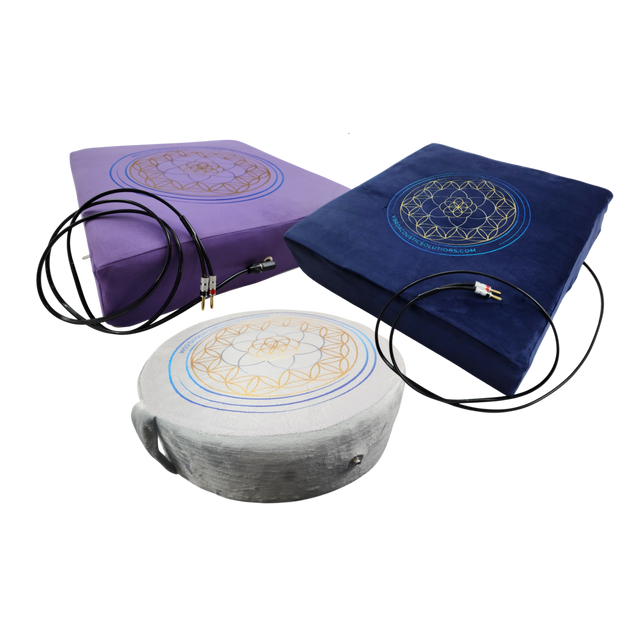
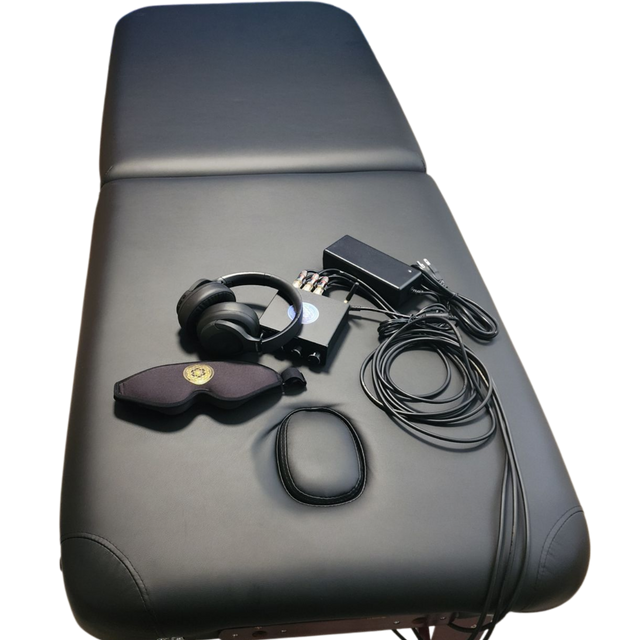
Dla specjalistów nakładki na stoły i systemy konwersji pozwalają wprowadzić tę modalność do istniejącego gabinetu bez konieczności wymiany zaufanego stołu do masażu czy zakupu pełnego łóżka. Dla użytkowników domowych system oparty na poduszce lub materacu może przekształcić znane miejsce odpoczynku w stałe środowisko regeneracji.
Urządzenia ubieralne (wearables) i feedback fizjologiczny
Urządzenia ubieralne zmieniły edukację w zakresie układu nerwowego, czyniąc wzorce widocznymi. Urządzenia monitorujące tętno, zmienność rytmu zatokowego (HRV), fazy snu, temperaturę skóry czy częstość oddechów mogą pomóc użytkownikom zauważyć, jak późne posiłki, alkohol, intensywny trening, stres w pracy, podróże czy korzystanie z ekranów wieczorem wpływają na regenerację.
Zmienność rytmu zatokowego, czyli HRV, odnosi się do zmieniających się odstępów między uderzeniami serca. Wpływają na nią oddech, aktywność, sen, stan emocjonalny, choroba i wiele innych zmiennych. Pojedynczy niski lub wysoki wynik rzadko mówi całą prawdę. Bardziej wartościową informacją jest osobisty wzorzec obserwowany na przestrzeni tygodni.
Biofeedback HRV zazwyczaj łączy czujnik z rytmicznym oddychaniem, często w tempie około pięciu do sześciu oddechów na minutę. To tempo może wspierać rezonans między oddechem, rytmem serca a regulacją ciśnienia krwi. Przeglądy badań nad biofeedbackiem HRV wykazały poprawę w subiektywnie ocenianych miarach stresu i lęku w różnych środowiskach, szczególnie gdy ludzie ćwiczą regularnie, zamiast traktować urządzenie jako pasywny tracker.
Wadą jest to, że liczby mogą stać się kolejnym źródłem presji. Dla niektórych codzienne metryki budują wgląd. Dla innych generują lęk przed wynikami. Najlepsze wykorzystanie feedbacku z urządzeń ubieralnych jest pełne ciekawości, a nie oceniające: co pomaga mojemu układowi się zregenerować? Co się zmienia, gdy znajduję przestrzeń na odpoczynek?
Neurofeedback i trening uwagi
Neurofeedback wykorzystuje informacje o aktywności mózgu w czasie rzeczywistym, często rejestrowane za pomocą czujników EEG, aby pomóc ludziom ćwiczyć zmiany w uwadze i poziomie pobudzenia. W zależności od systemu i protokołu, wyświetlacz wizualny, gra lub dźwięk zmieniają się w odpowiedzi na wybrane wzorce fal mózgowych. Użytkownik uczy się poprzez powtarzalną informację zwrotną, a nie siłą woli.
Ta dziedzina staje się coraz bardziej mobilna, choć różnica między konsumenckimi urządzeniami do treningu uwagi a neurofeedbackiem prowadzonym przez klinicystę pozostaje znacząca. Narzędzia domowe mogą wspierać praktykę uważności i świadomość wzorców koncentracji. Bardziej zindywidualizowane protokoły czerpią korzyści z fachowej interpretacji, starannego wywiadu i monitorowania postępów.
Dla osób, którym przez lata mówiono „po prostu się zrelaksuj”, trening oparty na feedbacku może zaoferować łagodniejsze ramy. Regulacja nie jest cechą charakteru. To możliwa do wyuczenia umiejętność kształtowana przez powtarzalność, kontekst i historię ciała.
Nerw błędny i narzędzia stymulacji sensorycznej
Nerw błędny jest główną drogą komunikacji między mózgiem a organami zaangażowanymi w oddychanie, trawienie, rytm serca i zaangażowanie społeczne. Nowoczesne urządzenia mają na celu wpływanie na drogi nerwu błędnego poprzez nieinwazyjną stymulację w obszarach takich jak małżowina uszna czy szyja. Te podejścia są badane w kontekstach medycznych i wellness, a ich ustawienia, przeznaczenie i doświadczenia użytkowników są bardzo zróżnicowane.
Nie każde wspierające narzędzie sensoryczne musi wykorzystywać stymulację elektryczną. Delikatne ciepło, obciążenie, rytmiczne kołysanie, prowadzone tempo oddechu oraz starannie zaprojektowane środowiska dźwiękowe mogą również zmieniać sposób, w jaki człowiek doświadcza swojego ciała. To szersze spojrzenie ma znaczenie, ponieważ niektóre układy nerwowe lubią nowość, podczas gdy inne najlepiej reagują na przewidywalne bodźce o niskim natężeniu.
Jak wybrać technologię wspierającą regulację
Zacznij od stanu, który chcesz wspierać, a nie od trendu. Ktoś, kto czuje fizyczny niepokój przed snem, może dobrze zareagować na niskoczęstotliwościową sesję wibroakustyczną w połączeniu z powolną muzyką i przygaszonym światłem. Ktoś, kto traci kontakt ze stresem, dopóki nie nastąpi wyczerpanie, może zyskać więcej dzięki urządzeniu ubieralnemu, które ujawnia wzorce regeneracji. Specjalista pracujący z klientami, którzy mają trudności z wyciszeniem się na stole terapeutycznym, może odkryć, że bodźce wibroakustyczne tworzą bardziej natychmiastowe poczucie bezpieczeństwa i otulenia.
Z równą uwagą rozważ preferencje sensoryczne. Niektórzy uwielbiają głęboko odczuwalną wibrację 40 Hz, podczas gdy inni wolą delikatniejsze ustawienia lub krótszą ekspozycję. Zacznij od komfortowego natężenia, stosuj sesje od 15 do 30 minut i obserwuj zmiany w oddychaniu, napięciu mięśniowym, nastroju i śnie w czasie. Celem nie jest przytłoczenie układu, by wymusić bezruch. Celem jest zaoferowanie doświadczenia wystarczającego bezpieczeństwa i przewidywalności, aby wyciszenie stało się możliwe.
Warto również rozróżnić pasywne wsparcie od aktywnego budowania umiejętności. Łóżko wibroakustyczne może stworzyć wyjątkowo regenerujące środowisko, ale człowiek może również odnieść korzyści z połączenia sesji z dłuższymi wydechami, skanowaniem ciała czy prostą intencją zauważenia odczuć bez potrzeby ich naprawiania. Technologia zapewnia bezpieczny pojemnik (kontener). Powtarzalność pomaga układowi nerwowemu rozpoznać tę ścieżkę.
Nowoczesna technologia dobrostanu układu nerwowego w praktyce
Najskuteczniejsze systemy nie są budowane wyłącznie wokół gadżetu. Buduje się je wokół użytecznego rytuału. Masażysta może rozpocząć sesję od 10 minut wibracji o niskiej częstotliwości, aby pomóc klientowi „pojawić się” w swoim ciele przed pracą manualną. Klinika integracyjna może używać trendów HRV, aby inicjować rozmowy o tempie życia i regeneracji. W domu można zarezerwować sesję wibroakustyczną na czas przejścia między pracą a snem, zastępując znajomy nawyk przeglądania telefonu w łóżku.
To właśnie tutaj dostępny sprzęt ma znaczenie. Praktyki regulacji stają się znaczące tylko wtedy, gdy ludzie mogą do nich wracać wystarczająco często, by dowiedzieć się, co działa. Vibroacoustic Solutions odzwierciedla ten praktyczny kierunek: systemy można dobrać do domu, dedykowanego gabinetu lub istniejącego stołu do masażu, co pozwala dopasować doświadczenie do przestrzeni, zamiast wymagać jej całkowitej zmiany.
Przyszłość dobrostanu układu nerwowego prawdopodobnie będzie mniej związana z pogonią za jedną idealną częstotliwością czy metryką, a bardziej z tworzeniem niezawodnych momentów, w których ciało może zmięknąć, zorientować się w otoczeniu i zregenerować. Dobrze dobrana technologia może ułatwić dostęp do tych chwil. Prawdziwa wartość to to, co dzieje się po sesji: pełniejszy oddech, spokojniejszy wieczór i nieco większa zdolność, by stawić czoła kolejnemu dniu z bardziej stabilnego miejsca.
Najnowsze posty


Clinic Adding Vibroacoustic Therapy: An Example
Read article