A clinic adding vibroacoustic therapy example is most useful when it looks beyond the equipment purchase. The clinical value comes from what happens when low-frequency sound is translated into physical vibration through a treatment table, bed, or cushion. Clients do not only hear a tone. They feel it through the body, creating a structured sensory experience that can support relaxation, body awareness, recovery, and nervous system regulation.
For a massage practice, integrative clinic, or somatic therapy center, that distinction changes the implementation plan. Vibroacoustic therapy is not background music with a stronger speaker. It is a clinical-grade somatic modality that needs intentional room design, informed consent, thoughtful session flow, and clear outcome tracking.
Why low-frequency vibration belongs in a treatment setting
Vibroacoustic therapy uses sound frequencies, commonly in the range of roughly 20 to 120 Hz, to create tactile vibration. When a transducer is mounted beneath a table, inside a bed, or within a cushion, the audio signal becomes mechanical movement. That movement travels through the surface supporting the client and is perceived by the skin, muscles, and deeper tissues.
Low frequencies are especially relevant because the body experiences them as rhythm and pressure as much as sound. Frequencies around 30 to 80 Hz are commonly used in therapeutic programs because they create a full, grounded sensation without requiring high listening volume. A 40 Hz program may feel steady and enveloping; a 60 to 80 Hz range may feel more physically energizing or muscle-focused. The right setting depends on the person, the care goal, and how the vibration is delivered.
This tactile input may engage mechanoreceptors, including pressure-sensitive receptors in the skin and connective tissue. Repetitive, predictable sensory input can also give the nervous system a clear signal of safety and containment. For clients who arrive with guarded posture, busy thoughts, or difficulty settling into stillness, the experience can make relaxation feel more accessible because the body has something concrete to orient around.
Research on vibroacoustic interventions has explored outcomes related to relaxation, pain experience, motor support, mood, and quality of life. The literature includes small clinical studies and varied treatment protocols, which is why a clinic should treat implementation as both a service expansion and a measured learning process. The goal is not to promise a uniform response. It is to establish a safe, repeatable offering and pay close attention to how clients respond.
A clinic adding vibroacoustic therapy: example workflow
Consider a three-room integrative wellness clinic with two massage therapists, one somatic practitioner, and a steady base of clients seeking stress support, recovery-focused bodywork, and better sleep routines. The owner wants to add vibroacoustic therapy without sacrificing a treatment room or rebuilding the practice around a new modality.
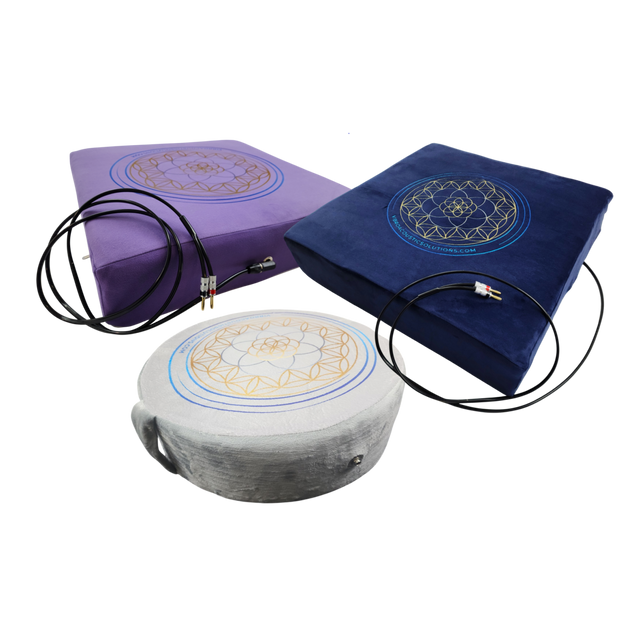
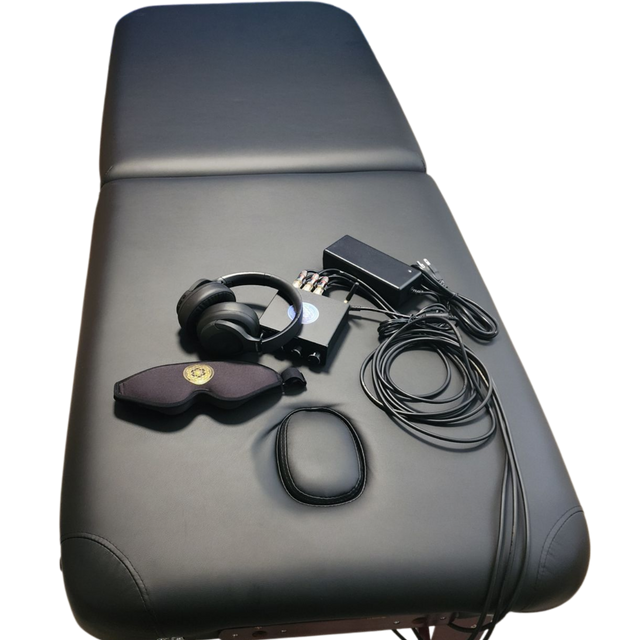
Rather than purchasing a dedicated bed immediately, the clinic starts with a massage table attachment kit on one existing table and a vibroacoustic cushion for its quiet regulation room. This approach gives the team two delivery formats. The table setup supports therapist-led sessions, while the cushion offers a lower-intensity option for seated intake, decompression after bodywork, or brief self-regulation sessions.
The clinic begins with a six-week pilot. Each practitioner completes training on the equipment, frequency controls, sound level, client positioning, contraindication screening, and communication practices. They agree on a consistent first-session structure so that client feedback is meaningful across providers.
A new client is offered vibroacoustic therapy as an optional enhancement, not an automatic part of care. Before the session, the practitioner explains that the client may feel low-frequency vibration through the table along with gentle audible sound. The client is encouraged to request a lower setting, a pause, or a different program at any time. That simple permission is particularly valuable in trauma-informed and sensory-aware care.
The first session begins with five minutes at a low, comfortable intensity. The practitioner uses a stable low-frequency program, often centered near 40 Hz, while allowing the client to acclimate. If the client reports comfort and interest, the program continues for 15 to 20 minutes during the opening or closing portion of a bodywork session. For a stand-alone regulation session, the clinic may use 20 to 30 minutes of vibration paired with quiet breathing cues and minimal verbal direction.
After the session, the practitioner records the frequency range, intensity setting, duration, client position, and immediate response. Instead of asking only, “Did you like it?” they ask practical questions: Did the vibration feel calming, neutral, activating, or uncomfortable? Was any part of the body more aware or tense? How easy was it to settle afterward? These observations guide the next session far better than a generic satisfaction score.
Designing the room for safety and sensory regulation
The clinic’s treatment room does not need to look technical or impersonal. It does need to be acoustically and physically intentional. A vibroacoustic table can create audible bass, even at modest volume, so placement matters. Keeping the transducer-equipped table away from a shared wall when possible helps preserve privacy and prevents low-frequency bleed into neighboring rooms.
The clinic uses soft, indirect lighting and limits competing sound sources. If the program includes music, the audible track should support the tactile experience rather than distract from it. Some clients prefer a pure tone or very minimal sound. Others respond warmly to ambient music, nature recordings, or carefully selected soundscapes. Choice is part of good clinical delivery.
Positioning also matters. Supine positioning distributes vibration broadly across the back of the body. A bolster under the knees can reduce low-back strain and help the client settle. Side-lying positioning may be more comfortable for some clients, though the felt vibration may be less symmetrical. For clients who do not want full-body contact with a vibrating table, a cushion placed behind the back or beneath the legs offers a more gradual entry point.
Equipment settings should be documented and protected from accidental changes between appointments. A simple laminated protocol near the control unit can identify default starting settings, maximum clinic-approved intensity, cleaning steps, and shutdown procedures. This is not about making care rigid. It is about making the client experience reliably safe across different practitioners.
Choosing protocols without overprescribing frequency
Frequency is powerful, but it is not a prescription in isolation. A client’s comfort, sensory profile, current stress level, and treatment context matter as much as the number on the screen. Clinics can begin with three broad program categories: settling, restorative, and recovery-focused.
A settling program may use steady low-frequency vibration around 30 to 45 Hz at a gentle intensity. This can work well at the beginning of a session when the aim is to help a client arrive in the body. A restorative program may remain in a similar range but extend the duration and pair vibration with slower breathing or stillness. A recovery-focused program may use a broader range, such as 40 to 80 Hz, in short segments after physical exertion or hands-on work, always adjusted to the client’s tolerance.
Avoid the temptation to treat higher intensity as better. A clearly felt but comfortable vibration often produces the best experience. Too much intensity can shift the session from regulating to overwhelming, especially for people with sensory sensitivity, migraine vulnerability, or a history of feeling unsafe in their body.
The clinic should also maintain a screening and referral process. Clients with implanted electronic devices, acute injuries, pregnancy-related considerations, seizure history, significant cardiovascular concerns, or other complex health needs should be invited to consult their qualified medical provider when appropriate. Vibroacoustic therapy can complement a broader care plan, but it should never be positioned as a replacement for medical assessment or treatment.
Making the service viable for the practice
The most sustainable rollout fits the clinic’s existing schedule. In this example, the clinic first offers vibroacoustic therapy as a 15-minute enhancement to massage and somatic sessions. It also creates a 30-minute stand-alone reset session for established clients who want a structured pause between more intensive appointments.
The owner sets pricing based on room time, practitioner involvement, equipment investment, and local demand. An enhancement may work best when it is simple and easy to add at booking. A stand-alone session should include enough time for arrival, positioning, a short check-in, and transition afterward. Rushing a client directly from deep sensory rest into a busy reception area can undercut the care experience.
After six weeks, the team reviews utilization, repeat bookings, practitioner observations, and client-reported outcomes. If the table is frequently booked and clients ask for longer sessions, a dedicated vibroacoustic bed may be the next appropriate investment. If demand is more occasional, the attachment kit may remain the right long-term solution. Vibroacoustic Solutions offers both pathways because clinics do not all need the same configuration to deliver meaningful care.
The best implementation is not the one with the most elaborate equipment. It is the one that gives clients a clear sense of choice, safety, and embodied support - and gives practitioners a practical way to make the science of somatic regulation part of everyday care.
Najnowsze posty


Chronic Pain Relief Room Example for Home Use
Read article
Vibroacoustic Systems for Therapeutic Regulation
Read article