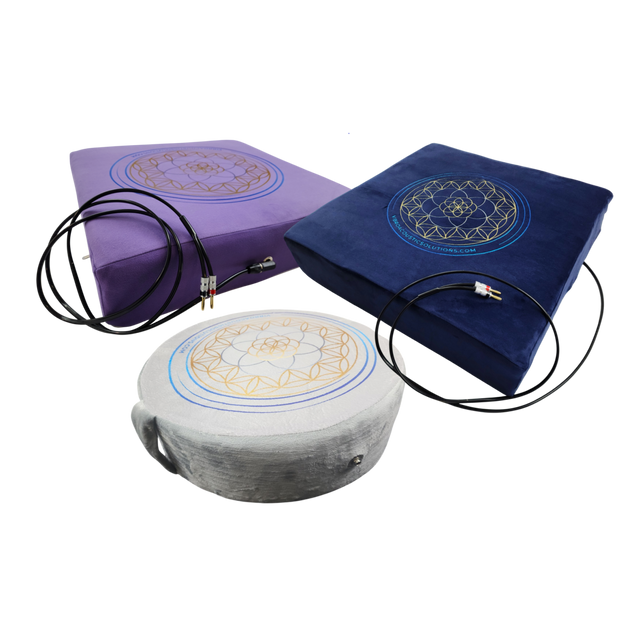
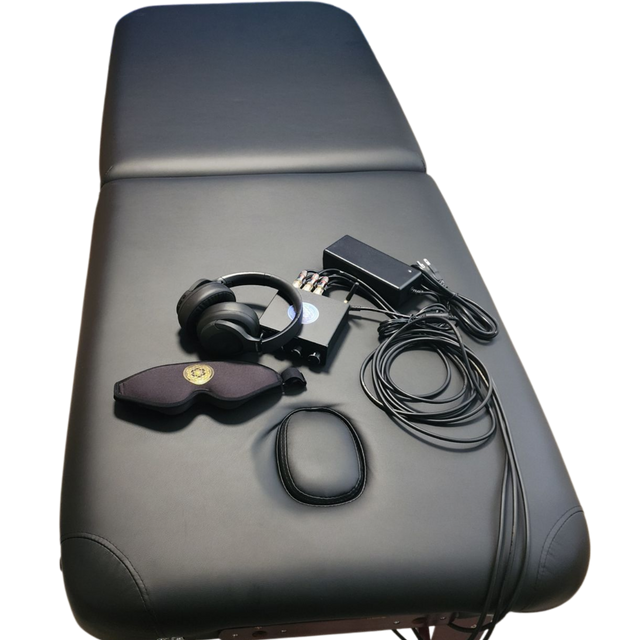
A relaxing frequency is not simply a sound you enjoy hearing. In vibroacoustic therapy, it is a measurable low-frequency vibration that travels through a bed, chair, cushion, or treatment table and into the body as gentle mechanical stimulation. The best therapeutic frequencies for relaxation are typically those that feel steady, comfortable, and easy for the nervous system to receive - often in the 30 to 60 Hz range.
That range matters because the body does not experience low frequency only through the ears. Tactile transducers convert an audio signal into vibration. As the surface moves, it creates a subtle rhythmic input for muscles, connective tissue, and sensory receptors in the skin. Many people describe the result as being held, grounded, or able to let go of bracing they did not realize they were carrying.
How therapeutic frequencies create a relaxation response
The physical mechanism comes first. A frequency is the number of vibration cycles per second, measured in hertz (Hz). Lower frequencies create slower, larger movements that are easier to feel through the body. When delivered at a comfortable intensity, this patterned sensory input can give the nervous system a clear, predictable signal to orient around.
For a person coming into a session with shallow breathing, muscular guarding, or racing thoughts, predictability is therapeutic. The brain continuously interprets sensory information for signs of safety or demand. Slow, consistent vibration paired with calming music, a supported position, and a quiet environment can reduce competing sensory load and encourage parasympathetic activity - the branch of the autonomic nervous system associated with rest, digestion, and recovery.
This is also why volume alone is not the goal. More intensity does not necessarily produce more relaxation. Effective vibroacoustic sessions use enough amplitude for the body to clearly perceive the vibration, without crossing into a sensation that feels jarring, ticklish, or overstimulating.
Research on low-frequency sound stimulation has explored outcomes including perceived pain, muscle tension, anxiety, sleep quality, and relaxation. Across clinical and wellness settings, protocols commonly use tactile frequencies between 20 and 120 Hz, with session length, sound design, and individual sensory preference all influencing the experience. For relaxation, the most useful starting point is usually lower and gentler rather than more complex.
Best therapeutic frequencies for relaxation by goal
There is no single frequency that works identically for every nervous system. Body size, position, health history, sensory sensitivity, the equipment's transducer placement, and the music layered over the vibration all shape the response. Still, several ranges are consistently useful starting points.
30 to 40 Hz for grounding and whole-body settling
A 30 to 40 Hz range is often chosen for deep, slow-feeling body vibration. It can feel broad and enveloping through a vibroacoustic bed or massage table attachment, especially when the user is lying down. This range is well suited to end-of-day decompression, pre-sleep routines, and clients who arrive feeling physically tense or disconnected from their bodies.
Thirty to 40 Hz is also a thoughtful entry point for many first sessions because it is noticeable without necessarily feeling sharp. Start with a modest amplitude and allow several minutes before changing anything. The body often needs time to recognize that a new sensory input is safe and consistent.
40 Hz for focused calm
Forty hertz holds a special place in both vibroacoustic practice and neuroscience research. It is a distinctly perceptible tactile frequency, often experienced as a centered, even pulse through the torso, back, or hips. Some people find 40 Hz deeply organizing when their mind feels scattered or when they want to shift from busy attention into calm focus.
Because 40 Hz can feel more defined than 30 Hz, it is not always the most sedating option. For some users, it creates an alert but settled state that works well before bodywork, meditation, breathwork, or a restorative movement session. For others, especially people who prefer softer sensory input, a lower frequency may be more comforting.
50 to 60 Hz for muscular ease and restorative listening
The 50 to 60 Hz range often feels slightly more localized and active than the 30 to 40 Hz range. In a well-designed session, it can complement gentle music and support the feeling of muscles softening after exercise, prolonged desk work, or a stressful day. Many practitioners use this region during the middle of a session, then return to lower frequencies for a quieter finish.
At 60 Hz, quality of the audio signal matters. Household electrical hum can make 60 Hz feel distracting, while a clean, intentionally produced therapeutic tone can feel very different. The goal is a smooth waveform and a well-calibrated system, not a buzz.
20 to 30 Hz for deep rest, with a gentle approach
Frequencies below 30 Hz can feel especially spacious and deeply physical. They may appeal to people seeking a strong sense of grounding or a slow transition toward rest. Yet lower is not automatically better. At higher amplitudes, very low frequencies can feel intense, particularly for individuals with migraine sensitivity, vestibular sensitivity, or a history of sensory overwhelm.
Use this range at a low setting, preferably while reclined, and give the user full control to lower the intensity or stop. In a clinical setting, this is where a practitioner's observation and clear check-ins are particularly valuable.
What about 432 Hz, 528 Hz, and binaural beats?
Many people feel a meaningful connection with 432 Hz, 528 Hz, Solfeggio tones, and other intentional tuning traditions. These frequencies can bring a sense of ritual, beauty, and emotional resonance to a relaxation practice. They are often selected for the music played through speakers or headphones, rather than as the low-frequency tactile signal delivered through a vibroacoustic surface.
This distinction is useful: 432 Hz and 528 Hz generally refer to musical tuning or audible tone relationships, while 30 Hz or 40 Hz describes a low-frequency vibration the body can physically feel through a transducer. A session can include both. For example, a practitioner may pair a 30 to 40 Hz tactile program with music tuned to 432 Hz to create an experience that feels both physically grounding and emotionally spacious.
Binaural beats are another option. When two nearby audible tones are presented separately to each ear, the listener perceives a rhythmic beat at the difference between them. Theta-range binaural beats, commonly around 4 to 8 Hz, are often used in relaxation and meditation audio. They work best through headphones, while a vibroacoustic bed can provide a separate low-frequency foundation beneath the body.
A practical relaxation protocol for home or practice
A successful session is less about finding a perfect number and more about creating a repeatable, regulating experience. For home users and practitioners, this four-part structure is a reliable place to begin:
1. Prepare the environment. Dim harsh light, reduce interruptions, and position the body comfortably. A pillow beneath the knees or a blanket over the body can increase the sense of support.
2. Begin at 30 to 40 Hz. Use a low-to-moderate intensity for five to ten minutes. The vibration should feel clear but never demanding.
3. Adjust based on the body, not a preset. If the user feels calmer and wants more sensation, move gradually toward 40 to 50 Hz. If they feel activated or uncomfortable, lower the amplitude first, then consider returning to 30 Hz.
4. Finish quietly. End with several minutes of lower intensity or silence before standing. Give the nervous system time to integrate the shift, especially after a longer session.
For most people, 20 to 30 minutes is enough for a restorative session. Shorter sessions can be valuable too, particularly for clients with sensory sensitivity, chronic stress patterns, or limited tolerance for stillness. Consistency usually matters more than duration. Three brief, comfortable sessions each week may be more supportive than one overly intense session.
Choosing frequencies for different sensory needs
Practitioners should avoid assuming that a relaxed-looking client is necessarily comfortable. Some people respond best to slow, low frequencies, while others find them too heavy and prefer a lighter 45 to 60 Hz sensation. Invite simple feedback: Does this feel settling, neutral, too strong, or distracting?
For autism, ADHD-related sensory needs, trauma-informed care, and chronic tension patterns, choice is part of the therapeutic mechanism. Let the person control a handheld volume setting when possible. Explain what they will feel before the session begins. Use predictable timing, and avoid sudden changes in frequency or amplitude. These details help transform sound-based therapy from passive stimulation into an experience of agency and regulation.
People with a medical condition, an implanted device, pregnancy-related concerns, acute injury, or unusual symptoms should consult an appropriate healthcare professional before beginning a new vibroacoustic routine. Vibroacoustic therapy can complement a broader care plan, while the right frequency and intensity remain highly individual.
The most effective relaxation frequency is the one that helps the body soften without asking it to push through discomfort. Start low, listen closely, and let each session teach you what safety and restoration feel like in your own nervous system.
Najnowsze posty

Chronic Pain Relief Room Example for Home Use
Read article
Vibroacoustic Systems for Therapeutic Regulation
Read article
Tactile Audio Versus Headphones for Regulation
Read article