Różnica między urządzeniem, którego używasz dwa razy, a systemem, na którym polegasz co tydzień, zazwyczaj sprowadza się do konfiguracji. Domowy zestaw do terapii wibroakustycznej nie powinien sprawiać wrażenia sterty części, poplątanych kabli i mglistych obietnic. Powinien być klinicznie uzasadniony, fizycznie wygodny i wystarczająco prosty, aby stać się częścią codziennej regulacji, regeneracji lub wsparcia snu.
Ma to znaczenie, ponieważ terapia wibroakustyczna działa najlepiej, gdy ciało może przyzwyczaić się do stałego bodźca sensorycznego. Dźwięk o niskiej częstotliwości to nie tylko coś, co słyszysz. To coś, co odczuwasz poprzez wibracje mechaniczne, często opisywane jako mikromasaż komórkowy, który może wspierać relaksację, świadomość ciała, rozluźnianie mięśni i regulację autonomiczną. Ale jakość tego doświadczenia zależy od tego, jak zbudowany jest system, gdzie jest używany i czy odpowiada Twoim rzeczywistym celom.
Co powinien robić domowy zestaw do terapii wibroakustycznej
W domu celem nie jest odtworzenie sali szpitalnej ani przeprojektowanie gabinetu klinicznego. Chodzi o stworzenie kontrolowanego środowiska terapeutycznego, w którym stymulacja niskoczęstotliwościowa dociera do ciała bezpiecznie i konsekwentnie. Dla niektórych osób oznacza to redukcję stresu pod koniec dnia. Dla innych oznacza to wsparcie w chronicznym bólu, potrzebach sensorycznych, regeneracji po wysiłku lub lepszym zasypianiu.
Solidna konfiguracja ma trzy zadania. Po pierwsze, musi skutecznie dostarczać wibracje do ciała poprzez powierzchnię, taką jak łóżko, mata, poduszka, fotel rozkładany lub przekształcany stół zabiegowy. Po drugie, powinna łączyć to wejście dotykowe z odpowiednio zaprojektowaną treścią audio i dostarczaniem częstotliwości. Po trzecie, musi być wystarczająco łatwa w użyciu, aby układ nerwowy nie napotykał tarcia przed rozpoczęciem sesji.
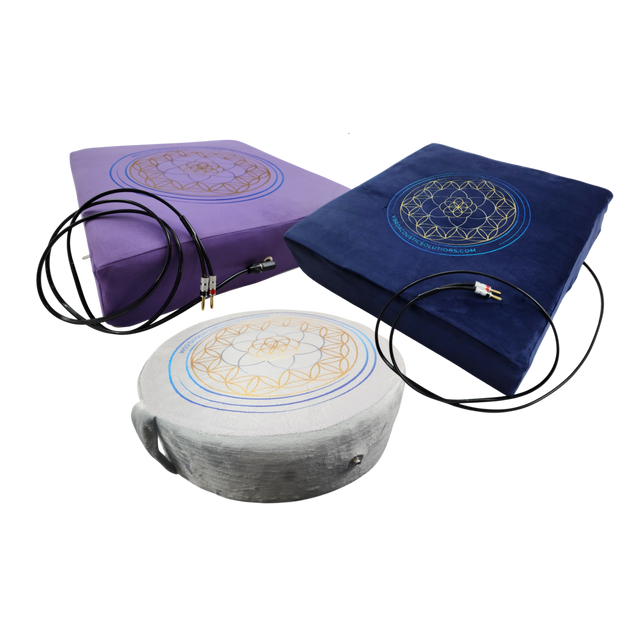
W tym miejscu kompromisy mają znaczenie. Kompaktny system oparty na poduszkach może być przystępny cenowo i elastyczny, ale nie zapewni takiego samego pełnego zanurzenia jak dedykowane łóżko wibroakustyczne. Konwersja DIY może być opłacalna i zaskakująco potężna, ale wymaga większej uwagi na umiejscowienie, kompatybilność i kalibrację. Najlepszy wybór rzadko jest najdroższy. To ten, którego będziesz używać konsekwentnie i prawidłowo.
Wybór odpowiedniej podstawy dla Twojego domowego zestawu do terapii wibroakustycznej
Powierzchnia pod ciałem kształtuje całe doświadczenie terapeutyczne. Jeśli ciało nie jest dobrze podparte, nawet wysokiej jakości przetworniki i programowanie audio będą wydawały się mniej skuteczne.
Dedykowane łóżko lub leżak to zazwyczaj najbardziej immersyjna opcja. Rozprowadza wibracje o niskiej częstotliwości na większej powierzchni kontaktu, co może być szczególnie przydatne do pełnego relaksu ciała, przygotowania do snu i sesji ukierunkowanych na ogólne napięcie mięśniowe lub uspokojenie układu nerwowego. Takie podejście często najbardziej przypomina doświadczenie kliniczne w domu.
Poduszki i maty sprawdzają się dobrze, gdy przestrzeń, budżet lub mobilność są większym problemem. Są praktyczne dla osób, które chcą korzystać z terapii wibroakustycznej w wielu pokojach lub łączyć sesje z medytacją, pracą z oddechem lub odpoczynkiem na istniejącej kanapie lub materacu. Kompromisem jest to, że odczuwane wibracje mogą być bardziej zlokalizowane.
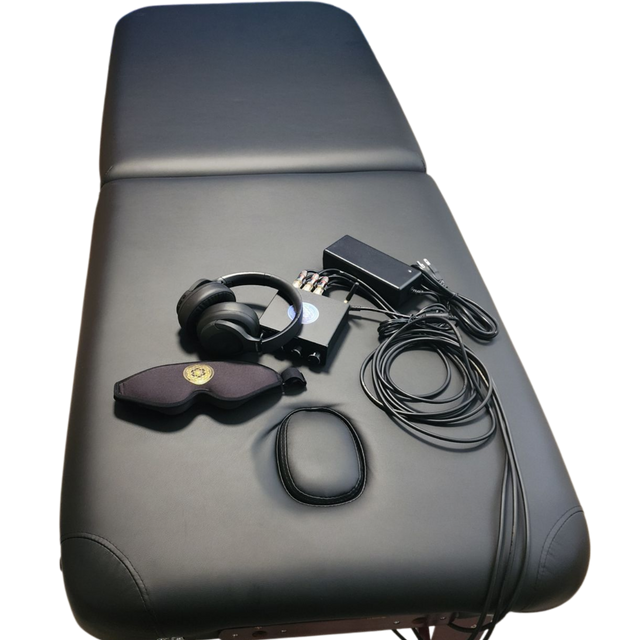
Zestawy do konwersji DIY znajdują się pośrodku. Jeśli masz już stół do masażu, fotel rozkładany lub stabilną ramę łóżka, konwersja może przekształcić znane meble w platformę terapeutyczną. Może to być sprytna ścieżka dla praktyków urządzających gabinet w domu lub dla użytkowników, którzy chcą większego zasięgu bez wymiany głównych mebli. Najważniejsza jest zgodność strukturalna. Miękkie, niestabilne lub mocno wyściełane powierzchnie mogą absorbować zbyt wiele wibracji i zmniejszać transfer terapeutyczny.
Sprzęt, który sprawia, że system działa
W minimalnym zakresie, funkcjonalna konfiguracja obejmuje przetworniki lub głośniki wibroakustyczne, wzmacniacz lub jednostkę sterującą, powierzchnię, która przenosi wibracje na ciało, oraz odpowiednio zaprojektowane audio. Niektóre systemy obejmują również zintegrowane oprogramowanie, wstępnie załadowane protokoły lub biblioteki sesji o określonej częstotliwości.
Przetworniki stanowią rdzeń wrażeń dotykowych. Przekształcają sygnały audio w odczuwalne wibracje. Umiejscowienie ma tak samo duże znaczenie, jak moc. Źle umieszczony przetwornik może powodować nierówną stymulację lub martwe strefy, podczas gdy dobrze umieszczony może tworzyć płynny, spójny rezonans w całym ciele. Większa moc nie zawsze jest lepsza. W pracy terapeutycznej klarowność i spójność są ważniejsze niż brutalna siła.
Wzmacniacz i system sterowania powinny zapewniać niezawodną wydajność bez zniekształceń. Zniekształcenie to nie tylko problem dźwiękowy. Może sprawić, że wibracje będą drażniące lub nieregularne, co działa przeciwko regulacji. Jeśli z systemu będzie korzystać wiele osób lub jeśli dążysz do różnych celów, takich jak sen w porównaniu z regeneracją, regulowane elementy sterujące stają się szczególnie pomocne.
Treść audio zasługuje na większą uwagę, niż wielu nabywców się spodziewa. Terapia wibroakustyczna to nie tylko dowolna playlista z basem. Skuteczne sesje są zazwyczaj zbudowane wokół zakresów częstotliwości i tempa terapeutycznego, które wspierają określoną reakcję układu nerwowego. W zależności od protokołu, treść może dotyczyć głębokiego relaksu, świadomości ciała, organizacji sensorycznej lub łagodnej aktywacji. To właśnie to oparte na nauce programowanie odróżnia sprzęt terapeutyczny od ogólnych gadżetów wellness.
Jak ustawić pokój, aby uzyskać lepsze wyniki
Samo pomieszczenie może albo wspomagać regulację, albo ciągle ciągnąć ciało w kierunku czujności. Dobrze skonfigurowany domowy zestaw do terapii wibroakustycznej działa najlepiej w przestrzeni, która jest fizycznie i neurologicznie bezpieczna.
Zacznij od komfortu i przewidywalności. Wybierz pokój, w którym przerwy są ograniczone, a temperatura stabilna. Zachowaj miękkie lub przyciemnione oświetlenie, jeśli celem jest obniżenie aktywności. Jeśli zestaw jest przeznaczony do użytku w ciągu dnia, naturalne światło jest w porządku, o ile przestrzeń nadal wydaje się spokojna, a nie stymulująca.
Ustaw system tak, aby wchodzenie i wychodzenie było łatwe. Brzmi to nieistotnie, ale ma znaczenie dla osób z bólem, zmęczeniem, ograniczeniami ruchowymi lub wrażliwością sensoryczną. Jeśli ktoś musi wspinać się, wykręcać się lub przestawiać pokój za każdym razem, gdy używa sprzętu, przestrzeganie zaleceń spada.
Higiena dźwiękowa również ma znaczenie. Słuchawki mogą być przydatne w niektórych sytuacjach, ale wielu użytkownikom domowym lepiej się pracuje, gdy cała konfiguracja wydaje się otwarta i ugruntowana, a nie nadmiernie izolowana. Hałas zewnętrzny powinien być w miarę możliwości zredukowany. Ciało reaguje lepiej, gdy nie musi ciągle skanować otoczenia, próbując się regulować.
Ustawianie częstotliwości, intensywności i długości sesji
To jest moment, w którym ludzie często sprawiają, że konfiguracja jest albo bardzo skuteczna, albo dziwnie rozczarowująca. System może być technicznie imponujący, a mimo to sprawiać wrażenie niewłaściwego, jeśli intensywność jest zbyt wysoka, sesje są zbyt długie lub styl częstotliwości nie odpowiada użytkownikowi.
Początkujący zazwyczaj lepiej radzą sobie z krótszymi sesjami i umiarkowaną intensywnością. Silniejsza nie oznacza bardziej terapeutycznej, gdy układ nerwowy jest już przeciążony. Jeśli ktoś zmaga się z lękiem, napięciem związanym z traumą, nadwrażliwością sensoryczną lub wypaleniem, agresywne doznania dotykowe mogą być raczej natrętne niż uspokajające.
W przypadku wsparcia snu najlepiej sprawdza się niższa stymulacja i przewidywalna rutyna. W przypadku regeneracji mięśni lub napięcia fizycznego, nieco bardziej wyraźne bodźce dotykowe mogą być odpowiednie. W przypadku regulacji sensorycznej u użytkowników neuroróżnorodnych, tolerancja może się znacznie różnić. Często pomaga najpierw zbudowanie znajomości, a następnie stopniowe zwiększanie czasu trwania lub intensywności.
To jeden z powodów, dla których systemy oparte na dowodach są cenne. Dają użytkownikom lepsze ramy do dopasowania protokołu do wyniku, zamiast zgadywać. Marki takie jak Vibroacoustic Solutions pomogły uczynić ten proces bardziej praktycznym, łącząc dostępny sprzęt z wytycznymi edukacyjnymi, czego wielu użytkownikom domowym dokładnie potrzeba.
Kwestie bezpieczeństwa i komfortu
Terapia wibroakustyczna jest nieinwazyjna, ale to nie oznacza, że szczegóły ustawienia są opcjonalne. Ciało powinno czuć się podparte, nie uciskane. Kable powinny być zabezpieczone. Sprzęt powinien być stabilny. Jeśli system wydaje grzechotanie, nierówną pracę lub powoduje punkty ucisku, coś wymaga regulacji.
Osoby z złożonymi schorzeniami, wszczepionymi urządzeniami, obawami dotyczącymi napadów padaczkowych, ciążą lub aktywnymi urazami powinny skonsultować się z wykwalifikowanym pracownikiem służby zdrowia przed rozpoczęciem. To samo dotyczy sytuacji, gdy zestaw będzie używany w gabinecie terapeutycznym w domu z klientami, którzy mają złożone potrzeby zdrowotne.
Komfort jest również kliniczny. Koc, podparcie kolan, podparcie szyi lub maska na oczy mogą poprawić zgodność i pomóc ciału szybciej się uspokoić. Te szczegóły nie są dekoracyjne. Wpływają na to, czy sesja jest wystarczająco bezpieczna dla głębszej zmiany parasympatycznej.
Częste błędy, które osłabiają doświadczenie
Większość nieudanych domowych konfiguracji nie wynika z tego, że terapia wibroakustyczna nie działa. Polegają na tym, że system jest traktowany jak technologia rozrywkowa, a nie sprzęt terapeutyczny.
Jednym z częstych błędów jest używanie mebli, które pochłaniają wibracje zamiast je przenosić. Innym jest poleganie na ogólnej muzyce z ciężkim basem, zamiast na terapeutycznym audio zaprojektowanym specjalnie dla tej metody. Niektórzy użytkownicy zaczynają również od sesji, które są zbyt intensywne, a następnie zakładają, że dyskomfort oznacza, że technologia nie jest dla nich odpowiednia.
Istnieje również problem niespójności. Wsparcie układu nerwowego zazwyczaj reaguje na powtarzającą się ekspozycję. Jeśli konfiguracja jest skomplikowana, ukryta w schowku lub wymaga dziesięciu minut rozwiązywania problemów za każdym razem, użycie szybko spada. Prostota nie jest luksusem w opiece domowej. Jest częścią sukcesu terapeutycznego.
Jak wygląda najlepsza konfiguracja w prawdziwym życiu
Najlepszy system domowy niekoniecznie jest największy czy najbardziej zaawansowany. Jest to ten, który pasuje do ciała, przestrzeni i powodu, dla którego go używasz. Dla jednej osoby może to być dedykowane łóżko w cichym pokoju do regeneracji. Dla innej może to być zestaw do adaptacji na istniejącym stole do masażu lub poduszka używana przed snem każdej nocy.
Jeśli Twoim celem jest regularna regulacja układu nerwowego, wybierz komfort i łatwość zamiast nadmiernej techniki. Jeśli Twoim celem jest pełne zanurzenie, zainwestuj w platformę, która równomierniej rozprowadza wibracje. Jeśli budżet ma największe znaczenie, zacznij od mniejszego zestawu i upewnij się, że podstawowe elementy są naprawdę terapeutyczne, a nie tylko tak reklamowane.
Domowy zestaw do terapii wibroakustycznej powinien sprawiać wrażenie niezawodnej części opieki, a nie nowinki. Kiedy sprzęt, pomieszczenie i protokół są dopasowane, ciało to zauważa. Właśnie w tym momencie sesja przestaje być testem gadżetów i zaczyna być wsparciem, któremu można zaufać.
Najnowsze posty

Why Use Massage Table Transducers in Practice?
Read article

Clinical Vibration Table Review for Therapists
Read article