Zestresowane ciało rzadko potrzebuje więcej informacji. Zazwyczaj potrzebuje sygnału bezpieczeństwa, który może faktycznie poczuć.
Dlatego pytanie, czy wibracje dźwiękowe mogą zmniejszać lęk, ma znaczenie kliniczne i praktyczne, a nie tylko w kontekście wellness. Lęk to nie tylko schemat myślowy. Jest to również stan fizjologiczny obejmujący podwyższone pobudzenie, napięcie mięśniowe, zmieniony oddech, zwiększoną aktywność współczulnego układu nerwowego, a w wielu przypadkach zmniejszoną zdolność do powrotu do regulacji przywspółczulnej. Wibracje dźwiękowe, zwłaszcza dostarczane poprzez terapię wibroakustyczną, są badane, ponieważ działają najpierw poprzez ciało.
Czy wibracje dźwiękowe mogą zmniejszyć lęk poprzez zmianę fizjologii?
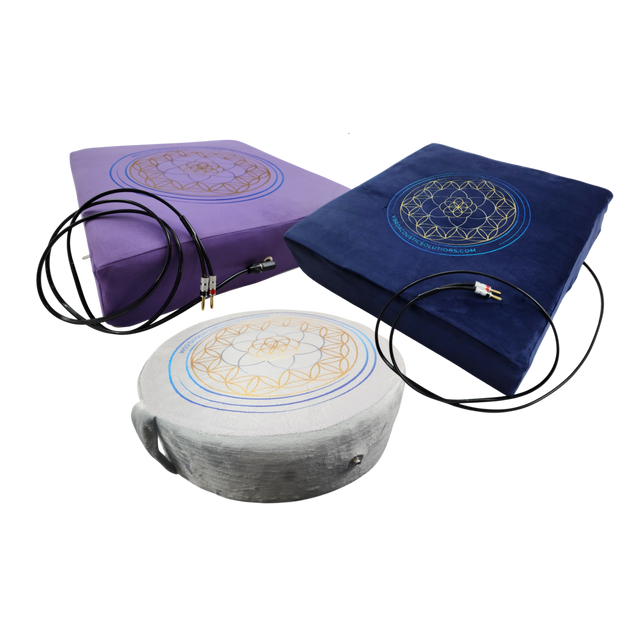
Mogą, u niektórych osób i w niektórych warunkach, ponieważ wibracje są bodźcem mechanicznym. Kiedy dźwięk o niskiej częstotliwości jest przekształcany w odczuwalne wibracje poprzez łóżko, matę, krzesło lub przystawkę do stołu, ciało nie tylko słyszy dźwięk przez uszy. Otrzymuje rytmiczny bodziec sensoryczny poprzez skórę, powięzie, mięśnie i mechanoreceptory.
Ma to znaczenie, ponieważ układ nerwowy stale ocenia informacje sensoryczne pod kątem zagrożenia, nieprzewidywalności i bezpieczeństwa. Powolny, stabilny, powtarzalny bodziec jest zazwyczaj łatwiejszy do przetworzenia przez mózg i ciało niż chaotyczny bodziec. W kontekstach terapeutycznych, wibracje o niskiej częstotliwości mogą pomóc zmniejszyć napięcie mięśniowe, spowolnić wzorce oddechowe i wspierać odwrócenie uwagi od nadmiernej czujności.
Badacze często koncentrują się na częstotliwościach w zakresie niskich basów, powszechnie od 20 do 120 Hz w zastosowaniach wibroakustycznych. Wiele systemów wykorzystuje specyficzne pasma terapeutyczne, takie jak 30 Hz, 40 Hz, 52 Hz lub 68 Hz, w zależności od celu. Mechanizm nie jest mistyczny. Jest mechaniczny i neurologiczny. Stymulacja o niskiej częstotliwości może stworzyć coś, co często jest opisywane jako mikromasaż komórkowy, jednocześnie wpływając na przetwarzanie sensoryczne i regulację autonomiczną.
Jednym z powodów, dla których 40 Hz zwraca uwagę, jest to, że był badany w kontekstach neurologicznych, w tym w badaniach nad sensorycznym wciąganiem. Nie oznacza to, że 40 Hz jest lekiem na lęk. Oznacza to, że specyficzne częstotliwości mogą wywoływać różne efekty, a wybór częstotliwości powinien być celowy, a nie przypadkowy.
Jak układ nerwowy reaguje na odczuwany dźwięk
Lęk często wiąże się z dysregulacją w kilku systemach jednocześnie. Tętno może wzrosnąć, oddech może stać się płytki, mięśnie szkieletowe mogą się napiąć, a mózg może priorytetowo traktować skanowanie zamiast odpoczynku. Stymulacja wibroakustyczna może pomóc, ponieważ daje układowi nerwowemu przewidywalny rytm, wokół którego może się zorganizować.
Istnieje kilka prawdopodobnych ścieżek. Po pierwsze, wibracje o niskiej częstotliwości mogą zmniejszyć napięcie fizyczne. Kiedy mięśnie rozluźniają się nawet nieznacznie, mózg może otrzymywać mniej informacji zwrotnych związanych z zagrożeniem od ciała. Po drugie, powtarzalny charakter bodźca może wspierać przechodzenie w spokojniejsze stany autonomiczne. Po trzecie, gdy dźwięk i wibracje są połączone z wolną muzyką, kierowanym oddechem lub cichym środowiskiem terapeutycznym, efekt może być silniejszy, ponieważ wiele uspokajających bodźców działa razem.
Niektórzy klinicyści omawiają również nerw błędny, wyjaśniając, dlaczego wibracje dźwiękowe mogą wspierać regulację. Jest to uzasadnione, ale wymaga precyzji. Terapia wibroakustyczna nie jest tym samym, co bezpośrednia stymulacja nerwu błędnego stosowana w warunkach medycznych. Może jednak pośrednio wspierać ton wagalny poprzez promowanie wolniejszego oddechu, zmniejszone napięcie obronne i bardziej uregulowaną reakcję przywspółczulną.
Ta różnica ma znaczenie. Wartość terapeutyczna wibracji dźwiękowych jest wystarczająco realna bez przesady.
Co mówią badania o wibracjach dźwiękowych i lęku
Baza badawcza jest obiecująca, ale nadal się rozwija. Terapia wibroakustyczna była badana w obszarach takich jak ból, stres, spastyczność, sen, nastrój i regulacja układu nerwowego. Wyniki dotyczące lęku są często uwzględniane, chociaż projekty badań różnią się znacznie.
Kilka małych badań klinicznych i pilotażowych zgłosiło zmniejszenie zgłaszanego przez pacjentów lęku, stresu lub pobudzenia po sesjach z udziałem wibracji dźwiękowych o niskiej częstotliwości. W niektórych warunkach uczestnicy wykazywali poprawę relaksu i nastroju po sesjach wibroakustycznych trwających około 20 do 45 minut. Badania w opiece paliatywnej, rehabilitacji i środowiskach terapii integracyjnej również sugerowały korzyści dla cierpienia emocjonalnego i relaksacji mięśni.
Istnieją również szersze dowody z muzykoterapii i rytmicznej stymulacji sensorycznej, pokazujące, że strukturyzowane wejście słuchowe może wpływać na tętno, odczuwany stres i równowagę autonomiczną. Terapia wibroakustyczna bazuje na tym, dodając element dotykowy. Dla wielu niespokojnych klientów ten fizyczny element jest różnicą między słyszeniem czegoś uspokajającego a faktycznym odczuwaniem reakcji ich ciała.
Niemniej jednak dowody mają swoje ograniczenia. Rozmiary próbek są często małe. Protokoły różnią się. Częstotliwości, długości sesji, jakość sprzętu i populacje pacjentów nie są standaryzowane w różnych badaniach. Tak więc uczciwa odpowiedź nie brzmi, że wibracje dźwiękowe leczą cały lęk. Brzmi, że oparta na dowodach, niskoczęstotliwościowa stymulacja wibroakustyczna wydaje się być w stanie zmniejszyć objawy lęku u niektórych osób, zwłaszcza gdy jest stosowana jako część szerszego planu regulacji.
Kwestia częstotliwości: które zakresy Hz są używane?
Kiedy ludzie pytają, czy wibracje dźwiękowe pomagają na lęk, często zakładają, że wystarczy dowolny ton. W praktyce częstotliwość ma znaczenie.
Terapia wibroakustyczna powszechnie wykorzystuje częstotliwości w zakresie od 20 do 120 Hz, ponieważ te częstotliwości są fizycznie wyczuwalne i mogą być transmitowane przez sprzęt terapeutyczny. Niższe częstotliwości są zazwyczaj odczuwane jako uziemiające i obejmujące całe ciało. Średnio-niskie częstotliwości mogą tworzyć bardziej stymulujący efekt w zależności od amplitudy, rytmu i projektu sesji.
Podczas sesji skoncentrowanych na relaksie, praktycy często pracują w wolniejszych, łagodniejszych zakresach, takich jak 30 do 60 Hz, czasami z nakładającą się muzyką uspokajającą. Około 40 Hz jest często omawiane ze względu na jego rolę w badaniach związanych z synchronizacją, ale nie powinno być traktowane jako magiczna liczba. Najlepsza częstotliwość dla lęku może się różnić w zależności od profilu sensorycznego osoby, wzorców napięcia fizycznego i tolerancji na stymulację.
Jest to szczególnie ważne dla osób z historią traumy, różnicami w przetwarzaniu sensorycznym, autyzmem lub ADHD. Niektóre osoby uważają wibracje za głęboko regulujące. Inni potrzebują niższej intensywności, krótszych sesji lub bardziej stopniowej ekspozycji.
Co jest naukowo uzasadnione, a co nie
Ta dziedzina przyciąga wiele wielkich twierdzeń. Niektóre warto traktować poważnie. Inne lepiej rozumieć jako oparte na wierze lub spekulacyjne.
Naukowo uzasadniona jest idea, że dźwięk o niskiej częstotliwości może być dostarczany jako wibracja fizyczna, że ciało może go odbierać poprzez mechanosensoryczne ścieżki oraz że rytmiczne wejście sensoryczne może wpływać na pobudzenie, napięcie i relaks. Istnieje również uzasadnione kliniczne zainteresowanie tym, jak terapia wibroakustyczna wspiera somatyczną regulację, redukcję bólu i odzyskiwanie po stresie.
Nie jest natomiast mocno ugruntowane twierdzenie, że jedna specjalna częstotliwość może uniwersalnie leczyć lęk, traumę lub choroby. Popularne narracje dotyczące 432 Hz, tonów Solfeggio i pokrewnych mitów częstotliwości często znacznie wykraczają poza dowody. Niektóre osoby mogą czerpać przyjemność z tych dźwięków i czuć się spokojniejsze, słuchając ich. To subiektywne doświadczenie jest ważne. Ale nie jest to to samo, co udowodnienie, że konkretna częstotliwość ma unikalne, klinicznie wiarygodne efekty przeciwlękowe.
Dla klinicystów i świadomych użytkowników domowych to rozróżnienie jest zaletą. Utrzymuje ono rozmowę skoncentrowaną na mierzalnych mechanizmach zamiast na magicznym marketingu.
Kiedy wibracje dźwiękowe pomagają najbardziej
Lęk nie jest jednorodny, więc reakcje są zróżnicowane.
Wibracje dźwiękowe często mają największy sens, gdy lęk ma silny komponent cielesny – ucisk w klatce piersiowej, zaciśnięta szczęka, niespokojne nogi, płytki oddech, trudności w uspokojeniu się, przeciążenie sensoryczne lub ból związany ze stresem. W takich przypadkach ciało może dobrze reagować na niskoczęstotliwościowe bodźce, ponieważ interwencja dotyka problemu tam, gdzie się on pojawia.
Może być mniej skuteczna jako samodzielne podejście w przypadku ostrego ataku paniki, silnych myśli obsesyjnych lub lęku, który jest napędzany głównie pętlami poznawczymi, bez większych korzyści z metod opartych na ciele. Nawet wtedy może być użyteczna jako dodatek. Osoba może stosować sesje wibroakustyczne przed snem, równolegle z terapią lub jako część rutyny regeneracyjnej po bardzo stresujących dniach.
Ważne jest również otoczenie. Wysokiej jakości system terapeutyczny, który dostarcza spójne częstotliwości przez ciało, różni się od zwykłego odtwarzania basowego dźwięku przez głośnik. Precyzja, kontakt z ciałem, struktura sesji i komfort wpływają na wyniki. Jest to jeden z powodów, dla których systemy kliniczne i dobrze zaprojektowane systemy domowe zapewniają bardziej niezawodne doświadczenie.
Praktyczne oczekiwania dla użytkowników domowych i praktyków
Jeśli rozważasz terapię wibroakustyczną na lęk, dąż do spójności, a nie intensywności. Sesje trwające od 20 do 30 minut często wystarczają, aby ocenić, jak reaguje Twoje ciało. Niska do umiarkowanej amplituda zazwyczaj działa lepiej niż silna stymulacja u osób z lękiem, zwłaszcza na początku.
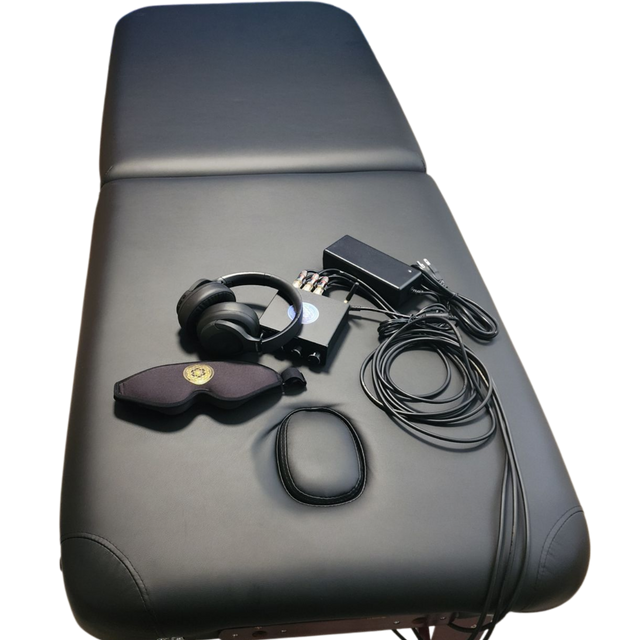
Dla praktyków, połączenie wibracji z cichym pomieszczeniem, kierowanym tempem oddechu lub stołem zabiegowym może pogłębić regulację. Dla użytkowników domowych, najbardziej efektywną rutyną jest często ta najłatwiejsza do powtórzenia – ta sama pora dnia, ta sama postawa, to samo uspokajające ustawienie. Rozwiązania wibroakustyczne i podobne systemy terapeutyczne są zaprojektowane wokół tej idei: aby wsparcie układu nerwowego było wystarczająco precyzyjne, aby było wiarygodne, i wystarczająco praktyczne, aby można było go regularnie używać.
Ostatnia rzecz, o której warto pamiętać, to to, że ulga w lęku nie zawsze jest odczuwalna jako dramatyczna zmiana. Czasami pierwszym objawem jest po prostu rozluźnienie ramion, pełny wydech lub zauważenie, że ciało nie jest już przygotowane na kolejny stres. To nie jest mały efekt. Często od tego zaczyna się powrót do zdrowia.
Najnowsze posty

Chronic Pain Relief Room Example for Home Use
Read article
Vibroacoustic Systems for Therapeutic Regulation
Read article
Tactile Audio Versus Headphones for Regulation
Read article