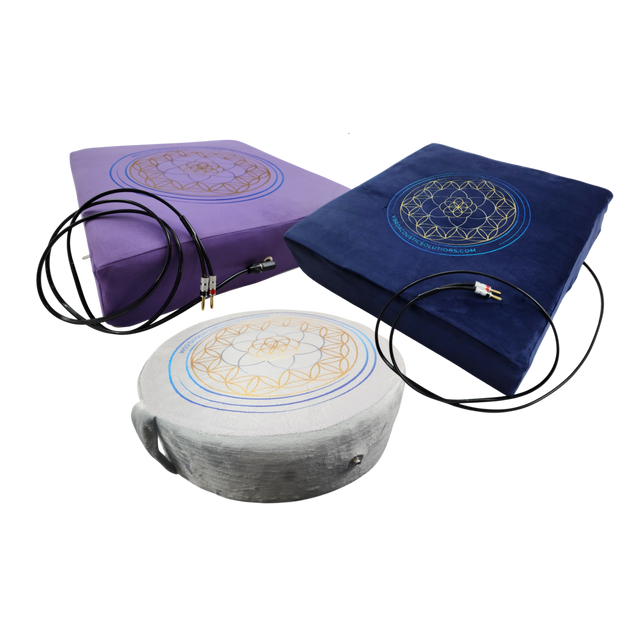
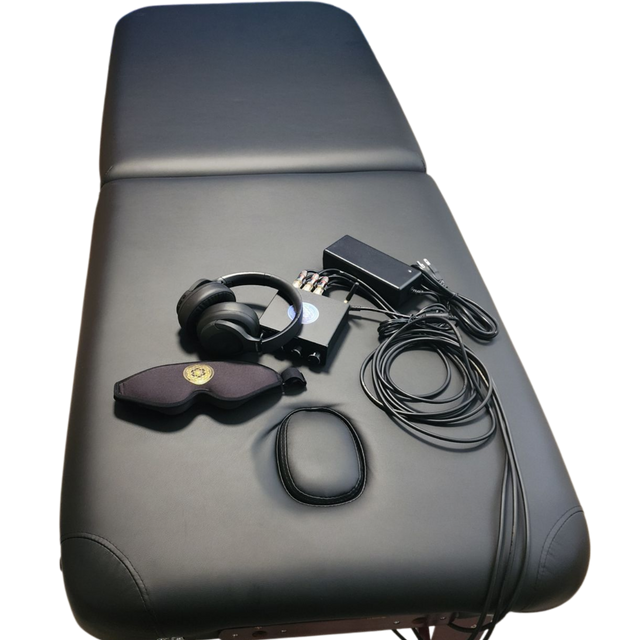
Kiedy napięcie po traumie pojawia się w ciele, rzadko wydaje się abstrakcyjne. Czuje się jak szczęka, która nigdy w pełni się nie rozluźnia, klatka piersiowa, która pozostaje usztywniona, dno miednicy, które się zaciska, lub ramiona, które nadal przygotowują się na uderzenie długo po ustąpieniu zagrożenia. Terapia wibroakustyczna na napięcie po traumie ma znaczenie, ponieważ działa najpierw poprzez ciało. Zamiast prosić kogoś, aby „przemyslał” swoje wyjście ze stanu ochronnego, wykorzystuje niskoczęstotliwościowe wibracje dźwiękowe do dostarczania rytmicznych bodźców sensorycznych, które układ nerwowy może fizycznie zarejestrować.
Ten mechanizm sprawia, że modalność jest klinicznie interesująca. W terapii wibroakustycznej słyszalne niskie częstotliwości – często w zakresie od 20 do 120 Hz – są przesyłane przez głośniki lub przetworniki wbudowane w łóżko, matę, poduszkę lub stół zabiegowy. Te częstotliwości tworzą zlokalizowane wibracje mechaniczne w tkankach. W zależności od częstotliwości, amplitudy i projektu sesji, efektem może być rozluźnienie mięśni, zmiany w pobudzeniu autonomicznym, zmienione odczuwanie bólu oraz silniejsze poczucie ugruntowania w ciele.
Dlaczego napięcie po traumie staje się fizyczne
Napięcie związane z traumą to nie tylko „stres przechowywany w mięśniach” w ogólnym sensie. To wzorzec ochrony układu nerwowego. Kiedy mózg i ciało wykrywają niebezpieczeństwo, autonomiczny układ nerwowy przekierowuje zasoby na przetrwanie. Mięśnie współdziałają, oddech się zmienia, zmienność rytmu serca często spada, a filtrowanie sensoryczne staje się bardziej obronne. Jeśli ten wzorzec stanie się chroniczny, ciało może kontynuować „ćwiczenie” ochrony nawet w bezpiecznym środowisku.
Dlatego wiele osób z historią traumy opisuje objawy, które wydają się być mięśniowo-szkieletowe, ale nie są wyłącznie ortopedyczne. Napięcie szyi, bóle głowy, zaciskanie brzucha, płytki oddech, zaburzenia snu i przesadzone reakcje przestrachu często odzwierciedlają dysregulację w wielu systemach. Ciało robi, co w jego mocy, aby utrzymać bezpieczeństwo, ale ta strategia staje się wyczerpująca.
Dlatego też czysto poznawcze podejścia nie zawsze w pełni rozwiązują wzorce napięcia. Wgląd może pomóc, ale napięcie ukształtowane przez uwarunkowanie autonomiczne często najlepiej reaguje, gdy ciało otrzymuje spójne, niegroźne sygnały sensoryczne, które wspierają uspokojenie.
Jak działa terapia wibroakustyczna na napięcie po traumie
Pierwszy efekt jest mechaniczny. Wibracje niskiej częstotliwości działają jak forma mikromasażu komórkowego i mięśniowego. Mogą zmniejszyć odczuwaną sztywność, zwiększyć miejscowe krążenie i przerwać zachowawcze wzorce utrzymywania. Częstotliwości w dolnym zakresie basu są bardziej odczuwalne niż słyszalne, co jest przydatne dla osób potrzebujących bodźców bazujących na ciele bez przytłaczającej stymulacji słuchowej.
Drugi efekt jest neurologiczny. Powtarzające się, przewidywalne bodźce sensoryczne mogą pomóc układowi nerwowemu przejść od nadmiernej czujności do regulacji. Niektórzy praktycy łączą częstotliwości w zakresie od 30 do 80 Hz z powolną muzyką lub starannie dobranymi tonami, ponieważ ciało często dobrze toleruje te zakresy. Badania nad terapią wibroakustyczną wykazały takie wyniki jak zmniejszone napięcie mięśni, zmniejszenie bólu, poprawę relaksacji i lepszą jakość snu, choć wyniki różnią się w zależności od populacji i protokołu.
Trzeci efekt może dotyczyć regulacji autonomicznej. Chociaż terapia wibroakustyczna nie jest tym samym, co bezpośrednia stymulacja nerwu błędnego, niskoczęstotliwościowy dźwięk i wibracje mogą wpływać na aktywność parasympatyczną pośrednio poprzez zmiany w oddychaniu, reakcję relaksacyjną i doświadczenie bezpieczeństwa. W praktyce może to wyglądać tak, że klient oddycha głębiej, zmniejsza napięcie mięśni i toleruje bezruch dłużej niż zwykle.
To właśnie w tym miejscu częstotliwość ma znaczenie. Niższe częstotliwości w okolicach 20 do 40 Hz często kojarzone są z głębszymi odczuciami wibracyjnymi i ugruntowaniem. Średnio-niskie zakresy w okolicach 40 do 60 Hz są powszechnie stosowane w protokołach skoncentrowanych na relaksacji. Niektóre systemy i badania wykorzystują również 68 Hz, 70 Hz lub 80 Hz w zależności od celu klinicznego. Nie ma jednej częstotliwości dla traumy. Właściwe ustawienie zależy od wrażliwości, obszaru ciała, głośności, długości sesji oraz od tego, czy osoba ma tendencję do nadmiernego pobudzenia, wyłączenia, czy stanów mieszanych.
Co sugerują badania, a czego nie
Baza dowodowa dla terapii wibroakustycznej jest obiecująca, ale wciąż się rozwija. Badania dotyczyły jej zastosowania w bólu, spastyczności, redukcji stresu, rehabilitacji, snu i schorzeniach neurologicznych. Niektóre raporty wskazują na poprawę tonusu mięśniowego, mobilności, wyników bólowych i relaksacji, zwłaszcza gdy sesje są powtarzane w czasie, a nie stosowane jednorazowo.
W przypadku traumy, najsilniejsze uzasadnienie jest pośrednie, ale wiarygodne. Napięcie po traumie wiąże się z zaburzeniem pobudzenia, chronicznym usztywnieniem, nasileniem bólu i trudnościami w osiągnięciu stanów regeneracyjnych. Terapia wibroakustyczna jednocześnie rozwiązuje kilka z tych mechanizmów, łącząc niskoczęstotliwościowy bodziec somatyczny ze strukturalizowanym środowiskiem sensorycznym.
Ważne jest, aby oddzielić to od bardziej spekulatywnych twierdzeń. Nie ma silnych dowodów klinicznych na to, że jedna specjalna częstotliwość może „wymazać traumę” lub że popularne liczby z zakresu zdrowia, takie jak 432 Hz, mają unikalne właściwości lecznicze w przypadku traumy. Te twierdzenia dobrze podróżują online, ale nie są tożsame z opartą na dowodach praktyką wibroakustyczną. Bardziej uczciwe i użyteczne podejście polega na skupieniu się na tym, co jest mierzalne: zmianach w napięciu mięśni, odczuwanym bezpieczeństwie, tolerancji sesji, śnie, bólu i autonomicznym uspokojeniu.
Jak powinna wyglądać sesja uwzględniająca traumę
Dla osób z napięciem po traumie, więcej stymulacji nie zawsze jest lepsze. Sesja powinna być przewidywalna, regulowana i łatwa do przerwania. Praca wibroakustyczna na poziomie klinicznym jest najskuteczniejsza, gdy osoba ma kontrolę nad intensywnością, pozycjonowaniem i czasem trwania.
W początkowych sesjach niższa amplituda i krótszy czas ekspozycji są często lepsze niż dramatyczne, pełne doświadczenie. Dziesięć do 20 minut może wystarczyć. Celem nie jest wymuszanie uwolnienia. Celem jest danie układowi nerwowemu nowego punktu odniesienia – stałego bodźca bez zagrożenia, presji na wykonanie lub przeciążenia sensorycznego.
Pozycja również ma znaczenie. Niektórzy klienci dobrze reagują na pełny kontakt z ciałem na łóżku lub stole wibroakustycznym. Inni lepiej zaczynają od poduszki na plecach, biodrach lub nogach, gdzie bodziec wydaje się mniej narażać na niekomfortowe odczucia. Usztywniona klatka piersiowa może się rozluźnić przy stymulacji niskoczęstotliwościowej pod kręgosłupem piersiowym, podczas gdy ktoś z napięciem szczęki i szyi może potrzebować delikatniejszego podejścia i ostrożnej kontroli głośności.
Dla praktyków, to właśnie tutaj wybór sprzętu wpływa na wyniki. Systemy, które umożliwiają precyzyjną kontrolę nad zakresem częstotliwości, umiejscowieniem przetwornika i intensywnością, są łatwiejsze do dostosowania dla populacji wrażliwych na traumę niż uniwersalne głośniki konsumenckie. Vibroacoustic Solutions, na przykład, koncentruje się na dostępnych, klinicznych zestawach, które mogą być zintegrowane z przestrzeniami terapeutycznymi bez utraty tego poziomu celowości.
Kto może najbardziej skorzystać
Terapia wibroakustyczna może być szczególnie istotna dla osób, które czują się uwięzione w chronicznym napięciu, mają trudności z rozluźnieniem na żądanie lub lepiej reagują na interwencje oparte na ciele niż na samo przetwarzanie werbalne. Może to dotyczyć klientów w masażu, terapii somatycznej, zintegrowanej opiece psychiatrycznej i środowiskach promujących zdrowie uwzględniające traumę.
Użytkownicy domowi również mogą odnieść korzyści, gdy potrzebują powtarzalnego narzędzia regulacyjnego między wizytami. Spójność ma znaczenie, ponieważ układ nerwowy zmienia się poprzez powtórzenia. Jedna głęboko relaksująca sesja może być znacząca, ale regularna ekspozycja często bardziej przyczynia się do zmiany podstawowego napięcia, jakości snu i świadomości ciała.
Niemniej jednak, trauma nie jest jednorodna. Osoba z wysoką wrażliwością sensoryczną, PTSD, autyzmem, ADHD, chronicznym bólem lub historią dysocjacji może potrzebować wolniejszego tempa i bliższej obserwacji. Jeśli wibracje zamiast uspokajać, działają drażniąco, ustawienia, czas trwania lub obszar kontaktu mogą wymagać zmiany. Czasami właściwa korekta jest techniczna. Czasami chodzi o wyczucie czasu i gotowość.
Praktyczne zastosowanie terapii wibroakustycznej w leczeniu napięcia pourazowego
Jeśli celem jest regulacja, sesja powinna być prosta. Zacznij od wygodnej pozycji, minimalnych wymagań zewnętrznych i częstotliwości, które są wspierające, a nie intensywne. Wielu praktyków zaczyna od zakresu 30 do 60 Hz przy niskiej do umiarkowanej intensywności, a następnie obserwuje oddech, napięcie twarzy, napięcie mięśniowe i werbalne informacje zwrotne.
Muzyka może pomóc, ale nie powinna konkurować z doznaniem ciała. Wolne tempo, nisko skomplikowane audio jest często lepsze niż utwory o silnym ładunku emocjonalnym. W niektórych przypadkach proste impulsy niskich częstotliwości bez warstwowej muzyki są łatwiejsze do tolerowania przez klientów wrażliwych na traumę.
Połączenie sesji z wskazówkami orientacyjnymi również może pomóc. Koc obciążeniowy, neutralne oświetlenie lub krótkie przypomnienie, że osoba może w każdej chwili przerwać, mogą poprawić poczucie bezpieczeństwa. Technologia nie zastępuje opieki uwzględniającej traumę. Najlepiej działa, gdy środowisko wzmacnia regulację.
Istnieją również granice, które warto szanować. Terapia wibroakustyczna nie jest samodzielnym leczeniem złożonej traumy i nie jest odpowiednia w każdej sytuacji medycznej. Osoby z pewnymi ostrymi urazami, wszczepionymi urządzeniami, zaburzeniami napadowymi, ciążą lub innymi problemami zdrowotnymi powinny skonsultować się z wykwalifikowanym lekarzem przed użyciem. Dobra praktyka jest specyficzna, a nie ogólna.
Prawdziwa wartość terapii wibroakustycznej nie polega na tym, że obiecuje dramatyczny przełom. Polega na tym, że daje ciału coś jasnego, powtarzalnego i nieinwazyjnego, na co może zareagować. Dla wielu osób żyjących z napięciem po traumie, tego rodzaju niezawodne wsparcie sensoryczne jest miejscem, gdzie uzdrowienie staje się bardziej namacalne.
Najnowsze posty

Clinic Adding Vibroacoustic Therapy: An Example
Read article

Chronic Pain Relief Room Example for Home Use
Read article