Niska częstotliwość dźwięku różni się od wysokiej, jasnej nuty z konkretnego powodu. Twoje ciało przetwarza dźwięk nie tylko przez uszy. Reaguje również poprzez wibracje, fale ciśnienia, rytm i synchronizację układu nerwowego. Jeśli uczysz się, jak używać częstotliwości dźwiękowych, najbardziej użytecznym punktem wyjścia nie są roszczenia czy playlisty. Jest nim fizyczny mechanizm: różne częstotliwości oddziałują z ciałem w różny sposób, a wybrana metoda zmienia doświadczenie.
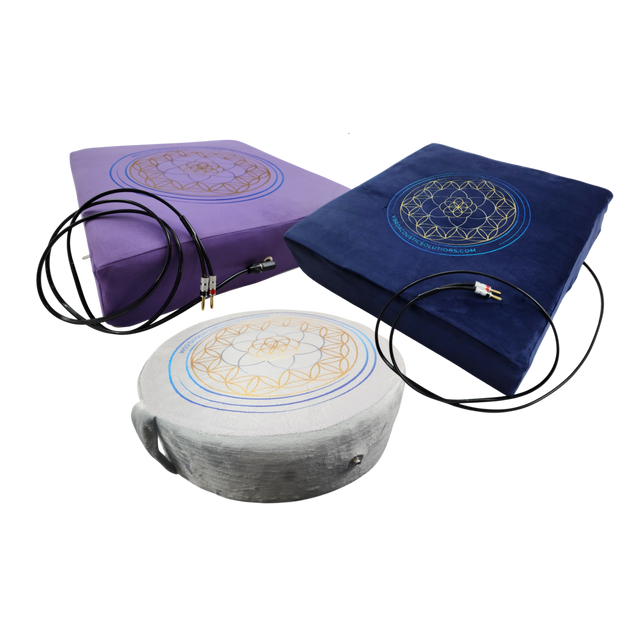
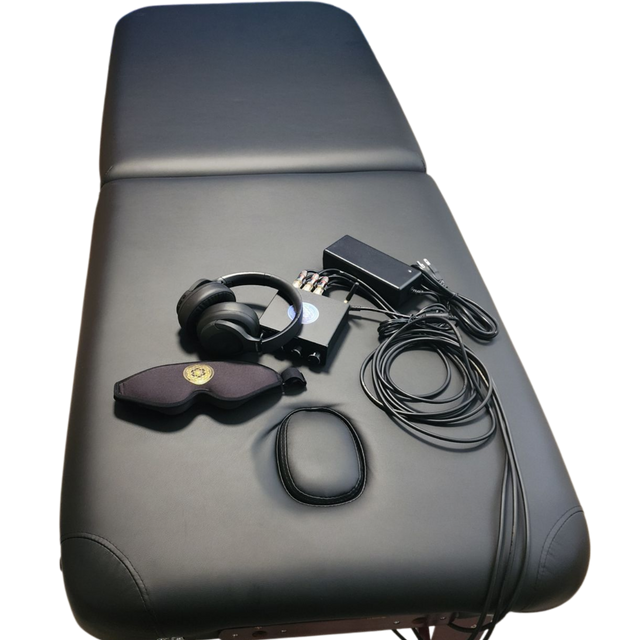
W praktyce dźwięk może być dostarczany w postaci słyszalnej muzyki, tonów pulsacyjnych, wzorców binauralnych lub stymulacji wibroakustycznej, która przesyła niskie częstotliwości bezpośrednio do ciała poprzez łóżko, poduszkę lub stół zabiegowy. Dźwięk słyszalny dociera przede wszystkim przez system słuchowy. Terapia wibroakustyczna dodaje wibracje mechaniczne, co oznacza, że ciało nie tylko słyszy zakres częstotliwości, np. 30 Hz, 40 Hz czy 60 Hz – ale również odczuwa je w mięśniach, tkance łącznej i autonomicznym układzie nerwowym. Ta różnica ma znaczenie, gdy celem jest relaksacja, regulacja sensoryczna, regeneracja lub wsparcie w łagodzeniu bólu.
Jak używać częstotliwości dźwiękowych z jasno określonym celem
Najlepsza częstotliwość nie jest uniwersalną wartością. Zależy to od tego, czy chcesz uspokoić przestymulowany układ nerwowy, wspomóc sen, stworzyć uziemiające doświadczenie sensoryczne, czy dodać delikatną stymulację dla skupienia i regeneracji. Dźwięk działa poprzez wciąganie, rezonans i percepcję somatyczną, ale wyniki są kształtowane przez czas, metodę dostarczania, głośność, pozycję ciała i indywidualny układ nerwowy.
W przypadku regulacji stresu, wolniejszy i bardziej stały impuls jest zazwyczaj najbardziej tolerowanym punktem wyjścia. Wiele sesji wibroakustycznych wykorzystuje stymulację niskich częstotliwości w zakresie 30-120 Hz, ponieważ te częstotliwości są fizycznie odczuwalne przez ciało i mogą tworzyć silne poczucie opanowania. Badania w terapii wibroakustycznej badały częstotliwości takie jak 40 Hz dla zastosowań motorycznych i neurologicznych, a także szersze zakresy niskich częstotliwości dla relaksacji, wsparcia w bólu i regulacji napięcia mięśniowego. Klinicznie, korzyści często wynikają nie tylko z samej liczby, ale z ciągłości impulsu i sygnałów bezpieczeństwa, jakie przekazuje ciału.
Dla snu celem jest zazwyczaj spowolnienie. Oznacza to zmniejszenie aktywacji współczulnej i promowanie wolniejszego oddychania, mniejsze napięcie mięśniowe i spokojniejsze pole sensoryczne. Wiele osób dobrze reaguje na sesje łączące wibracje niskiej częstotliwości z muzyką o wolnym tempie i minimalnymi nagłymi zmianami. Nie próbujesz wymusić snu. Tworzysz warunki, które sprawiają, że odpoczynek jest bardziej dostępny.
W przypadku skupienia podejście może być inne. Niektóre osoby preferują bardziej zdefiniowane struktury rytmiczne lub wyższe słyszalne tony nałożone na stabilną podstawę niskich częstotliwości. W warunkach terapeutycznych może to pomóc w stworzeniu spokojnej czujności zamiast sedacji. Wada polega na tym, że ustawienie częstotliwości, które poprawia koncentrację u jednej osoby, może być zbyt aktywujące dla kogoś z napięciem związanym z traumą, migrenami lub wrażliwością na dźwięki.
Zacznij od metody dostarczania, nie tylko od wartości Hz
Jednym z największych błędów popełnianych przez ludzi przy podejmowaniu decyzji o tym, jak używać częstotliwości dźwiękowych, jest założenie, że słuchanie i odczuwanie są zamienne. Są one ze sobą powiązane, ale nie są to te same interwencje.
Słuchawki i głośniki są przydatne, gdy chcesz mieć dostępną codzienną praktykę. Możesz używać muzyki tonalnej, pejzaży dźwiękowych inspirowanych naturą, mis śpiewających, nagrań opartych na strojeniu lub ustrukturyzowanych ścieżek częstotliwości. Ten format dobrze sprawdza się w przypadku wsparcia nastroju, medytacji, pracy z oddechem i przechodzenia w sen. Czego nie zapewnia, to bezpośrednia stymulacja mechaniczna ciała, która występuje w systemach wibroakustycznych.
Sprzęt wibroakustyczny przetwarza dźwięk o niskiej częstotliwości na wibracje dotykowe. Wibracje te mogą tworzyć to, co wielu użytkowników opisuje jako efekt mikro-masażu komórkowego, szczególnie w plecach, miednicy, klatce piersiowej i nogach, gdzie duże grupy mięśni i tkanki łącznej odbierają sygnał. W warunkach klinicznych i domowych może to być odczuwane jako bardziej bezpośrednie, ponieważ ciało otrzymuje bodźce sensoryczne poprzez dotyk i propriocepcję, a także słuch. Dla osób, które mają trudności z relaksem za pomocą samego dźwięku, ten dodatkowy komponent somatyczny może mieć znaczące znaczenie.
Dlatego praktycy często używają poduszek, łóżek lub systemów mocowania do stołu, zamiast prosić klienta o samo słuchanie niskiego tonu. Układ nerwowy zazwyczaj reaguje bardziej przewidywalnie, gdy doświadczenie jest fizycznie uziemiające, komfortowe i powtarzalne.
Zakresy częstotliwości i ich typowe zastosowania
Niskie częstotliwości stanowią podstawę większości prac wibroakustycznych. W przybliżeniu od 20 do 120 Hz dźwięk staje się silnie dotykowy, zwłaszcza gdy jest dostarczany za pomocą systemu opartego na przetwornikach. Około 30-60 Hz wielu użytkowników zgłasza uziemiający, uspokajający efekt w ciele. Częstotliwości około 40 Hz są szczególnie interesujące w rozmowach klinicznych i badawczych, ponieważ były badane w kontekstach neurologicznych i sensomotorycznych.
Średnie słyszalne częstotliwości kształtują ton emocjonalny i odczuwaną ciepło. Wpływają na to, jak sesja jest odczuwana psychologicznie, nawet jeśli główny efekt terapeutyczny pochodzi z niższych, dotykowych częstotliwości. Wyższe częstotliwości mogą dodawać jasności, przestrzenności i klarowności, ale jeśli są ostre lub zbyt złożone, mogą być męczące dla wrażliwych słuchaczy.
Niektóre tradycje i praktycy dźwięku pracują również z konkretnymi odniesieniami strojeniowymi, takimi jak 432 Hz, 528 Hz lub szersza rodzina tonów Solfeggio. Te częstotliwości rezonują głęboko u wielu osób, ponieważ często są kojarzone z harmonią, uwolnieniem emocjonalnym i duchowym wyrównaniem. W zastosowaniach terapeutycznych najważniejsza jest reakcja przeżywana. Jeśli określone środowisko tonalne pomaga komuś łatwiej oddychać, rozluźnić napięcie mięśniowe lub czuć się bardziej związanym z własnym ciałem, to doświadczenie jest klinicznie istotne, nawet jeśli mechanizmy mogą się różnić między percepcją słuchową, oczekiwaniami, pamięcią i rezonansem.
Praktyczny sposób na rozpoczęcie korzystania z częstotliwości dźwiękowych
Zacznij od jednego celu i jednej metody. Jeśli Twoim głównym celem jest redukcja stresu, wybierz 15-20 minutową sesję w cichym otoczeniu z niskoczęstotliwościowym wejściem wibroakustycznym lub uspokajającym dźwiękiem, który ma wolny rytm i brak nagłych zmian. Połóż się lub usiądź w pozycji podpartej. Pierwsze kilka minut poświęć na obserwację, nie na ocenę.
Utrzymuj umiarkowaną głośność. Głośniej nie oznacza bardziej terapeutycznie. Przy stymulacji wibroakustycznej intensywność powinna być odczuwalna, ale nie przytłaczająca. Chcesz wyraźnych wibracji bez napinania się. Jeśli ciało się napina, wejście może być zbyt silne, zbyt szybkie lub zbyt stymulujące na dany moment.
Zwróć uwagę na oddech i napięcie mięśniowe. Użytecznym sygnałem często nie jest dramatyczna emocja, ale subtelne uspokojenie – dłuższe wydechy, mniejsze napięcie szczęki, opuszczenie ramion lub uczucie cięższego kontaktu z powierzchnią pod Tobą. To są wskaźniki zmiany autonomicznej i poprawy regulacji.
Użyj tej samej sesji trzy do pięciu razy, zanim zmienisz zbyt wiele zmiennych. Układy nerwowe reagują na powtórzenia. Jednorazowe doświadczenie może być pouczające, ale wzorce w czasie są bardziej znaczące. Jest to szczególnie prawdziwe w przypadku osób zmagających się z chronicznym stresem, uporczywym bólem, dysregulacją sensoryczną lub zaburzeniami snu.
Jak bezpiecznie używać częstotliwości dźwiękowych w warunkach profesjonalnych
Dla praktyków, pierwszym priorytetem jest dopasowanie doświadczenia częstotliwości do prezentacji klienta. Klient z wysokim pobudzeniem współczulnym może skorzystać z wolniejszego, prostszego bodźca i w pełni podpartej pozycji ciała. Ktoś, kto szuka wsparcia w regeneracji po intensywnym treningu fizycznym, może preferować silniejszą stymulację niskich częstotliwości w połączeniu z krótszą sesją.
Projekt sesji jest tak samo ważny jak sprzęt. Należy wziąć pod uwagę czas trwania, kontakt z ciałem, warstwy muzyczne, oświetlenie pomieszczenia, temperaturę i czas przejściowy po sesji. 20-minutowa sesja wibroakustyczna może wydawać się niekompletna, jeśli klient musi natychmiast wstać i ponownie wejść w stymulację bez bufora. Regulacja często zachodzi w okresie przejściowym.
Pomocne jest również jasne przedstawienie doświadczenia. Wyjaśnij, co klient może fizycznie odczuwać: pulsowanie w tułowiu, zmiany w oddechu, ciepło, ciężkość lub tymczasowy wzrost świadomości sensorycznej przed uspokojeniem. Kiedy ludzie rozumieją mechanizm, zazwyczaj pozostają bardziej zaangażowani i zrelaksowani.
Dla klinik i ośrodków wellness, spójność buduje zaufanie. Systemy od wyspecjalizowanych dostawców, takich jak Vibroacoustic Solutions, są często projektowane tak, aby ułatwić tę spójność poprzez integrację dostarczania częstotliwości, kompatybilności mebli i użyteczności terapeutycznej w jednym zestawie.
Czego spodziewać się z czasem
Praca z częstotliwościami dźwiękowymi często ma charakter kumulatywny. Niektórzy ludzie odczuwają wyraźną zmianę już na pierwszej sesji. Inni zauważają zmianę później: śpią głębiej tej nocy, szybciej regenerują się po stresie lub czują się mniej fizycznie napięci w ciągu dnia. Przy regularnym stosowaniu ciało może zacząć kojarzyć określone wzorce częstotliwości z bezpieczeństwem, odpoczynkiem lub skoncentrowaną obecnością.
Należy jednak pamiętać, że więcej nie zawsze znaczy lepiej. Jeśli używasz stymulujących ścieżek zbyt późno wieczorem, mogą one zakłócać sen. Jeśli niska częstotliwość jest zbyt intensywna, może być drażniąca, a nie kojąca. Odpowiednia dawka zależy od twojego układu nerwowego, tolerancji sensorycznej i kontekstu, w którym jej używasz.
Dobra zasada jest prosta: wybierz częstotliwości, które twoje ciało może odbierać bez wysiłku. Najskuteczniejsza sesja to często ta, która jest wystarczająco zrównoważona, aby ją powtarzać. Kiedy dźwięk jest połączony z komfortem, precyzyjnym dostarczaniem i jasnym celem terapeutycznym, staje się czymś więcej niż tylko dźwiękiem w tle. Staje się praktycznym narzędziem do regulacji, regeneracji i głębszej świadomości ciała.
Jeśli dopiero zaczynasz, trzymaj się prostoty i bądź ciekawski. Ciało często bardzo jasno sygnalizuje, co pomaga, gdy tylko dasz mu odpowiednie warunki do słuchania.
Najnowsze posty

Chronic Pain Relief Room Example for Home Use
Read article
Vibroacoustic Systems for Therapeutic Regulation
Read article
Tactile Audio Versus Headphones for Regulation
Read article