A treatment room changes when clients stop bracing. You can see it in their breathing, hear it in their voice, and often feel it in the pace of the session itself. That is where vibroacoustic equipment for clinics has real value - not as a novelty, but as a practical tool for nervous system regulation, pain support, and therapeutic engagement.
For clinics, the question is rarely whether clients respond to sound and vibration. The real question is which equipment format fits the way you already practice, how much control you need, and what kind of outcomes you want to support. A vibroacoustic setup can be simple and portable, or it can become a central part of a multi-modality treatment environment. The right choice depends on your population, treatment style, room setup, and budget.
What vibroacoustic equipment does in a clinical setting
Vibroacoustic therapy uses low-frequency sound delivered through specialized transducers embedded in furniture or treatment surfaces. Clients do not just hear the sound. They physically feel it as patterned vibration through the body. That combination matters because it creates a somatic input that is both sensory and mechanical.
In clinical use, this can support downregulation, body awareness, muscle relaxation, and a greater sense of safety in the treatment process. Depending on how the equipment is used, practitioners may also aim to support sleep quality, recovery, sensory integration, chronic pain management, or trauma-informed regulation work. The mechanism is not magic, and it is not one-size-fits-all. It is a structured way of delivering low-frequency stimulation to the body in a controlled, repeatable format.
That distinction is important for clinics. Professional environments need more than a wellness story. They need equipment that can hold up to repeated use, fit into existing workflows, and support a clear therapeutic rationale.
Choosing vibroacoustic equipment for clinics
The best clinical system is not always the largest or most expensive one. It is the one that fits how care is delivered in your practice.
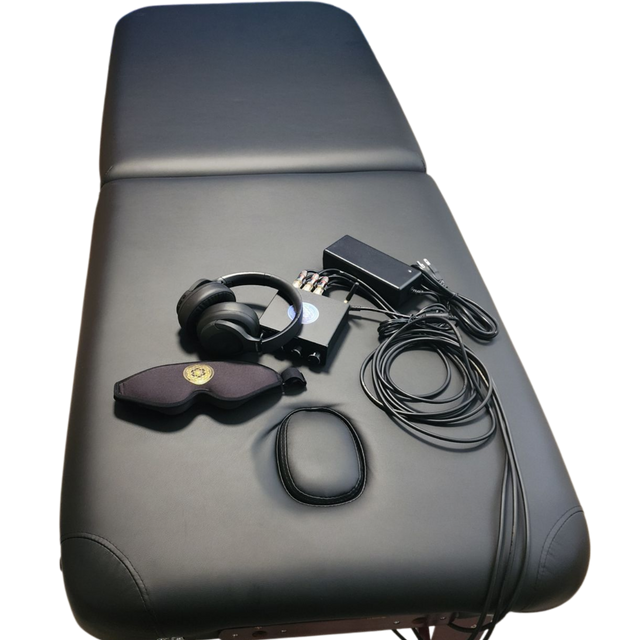
If your clinic focuses on massage therapy, bodywork, or hands-on somatic treatment, a massage table attachment kit may be the most efficient option. It preserves the table you already use while adding low-frequency vibration to sessions that are already built around touch, tissue work, and nervous system regulation. This format tends to work well for practitioners who want to integrate vibroacoustic therapy without redesigning the room.
If you run an integrative wellness clinic, recovery space, or sound therapy practice, a dedicated vibroacoustic bed may make more sense. Beds provide a more immersive experience, broader body contact, and often a stronger sense of containment for clients who benefit from full-body support. They can also help position vibroacoustic therapy as a distinct service rather than an add-on.
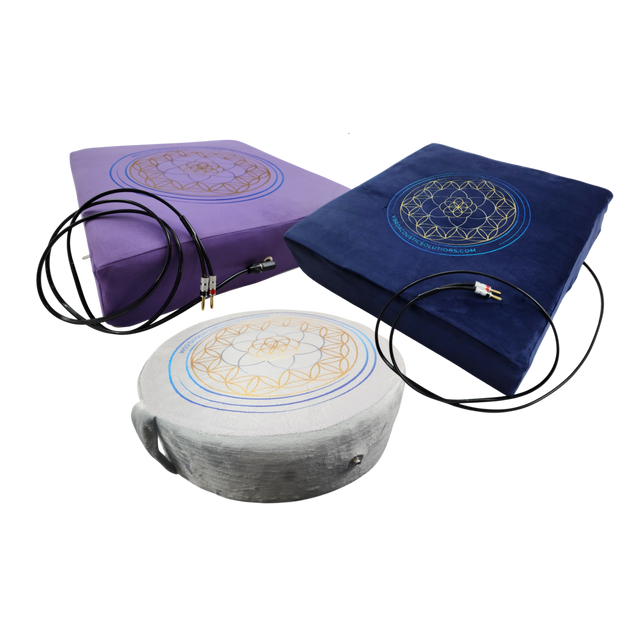
Cushions and portable pads fill a different role. They are useful when flexibility matters more than full-body immersion. Clinics with limited square footage, shared treatment rooms, or mobile practitioners often prefer portable formats because they are easier to move, sanitize, and deploy across multiple use cases.
DIY conversion kits can also be a strong option, especially for clinics that already have quality furniture and want clinical-grade function without replacing major equipment. That route makes sense when cost control matters, but it still requires attention to build quality, compatibility, and acoustic performance. A cheaper setup that delivers uneven vibration or poor low-frequency response can undermine client trust quickly.
Clinical questions worth asking before you buy
Before selecting a system, it helps to think through practical realities. How many sessions will the equipment support each week? Will clients remain clothed or be on a treatment table? Do you need portability between rooms? Is your goal deep relaxation, pain support, sensory regulation, or a broader mind-body experience?
These questions affect everything from transducer placement to upholstery choice to audio control. They also shape return on investment. A highly immersive bed may be clinically valuable, but if your model depends on short, high-turnover sessions, a simpler format may serve you better.
Features that matter more than marketing
In this category, technical details matter. A clinic should pay close attention to frequency delivery, structural durability, user controls, and ease of cleaning.
Frequency performance is central because vibroacoustic therapy depends on low-frequency output that can be felt clearly and evenly across the body. If the system is inconsistent, too weak, or overly noisy, the therapeutic effect becomes less reliable. Clinics should also consider whether the system allows control over intensity and program selection. Different clients tolerate stimulation differently, and therapeutic use often requires adjustment rather than fixed settings.
Build quality matters for obvious reasons, but not just because of wear and tear. Stable construction affects the quality of vibration transfer. A poorly built frame can rattle, disperse energy unevenly, or create distracting mechanical noise. In a professional setting, that is more than an annoyance. It changes the treatment experience.
Sanitation and workflow also deserve more attention than they usually get. If a device is hard to wipe down, awkward to reset, or disruptive to room turnover, it can become a burden no matter how promising it looked on paper.
Who benefits most from vibroacoustic equipment in clinics
Vibroacoustic therapy is especially relevant in clinics serving clients with stress overload, persistent muscle guarding, chronic pain, sleep disruption, sensory dysregulation, or trauma-related tension patterns. It can also be useful in recovery-oriented settings where the goal is to help the body shift out of high activation and into a more receptive physiological state.
For massage therapists and bodyworkers, the equipment can help prepare tissue and reduce defensive holding before manual work begins. For somatic and trauma-informed practitioners, it can support grounding and interoceptive awareness when used thoughtfully and with appropriate pacing. For wellness and recovery clinics, it offers a non-invasive modality that feels tangible to clients right away.
Still, not every client wants the same intensity or the same style of session. Some people respond best to subtle, low-level vibration paired with calming audio. Others prefer stronger sensory input and more enveloping stimulation. Clinical success often comes from matching the equipment and settings to the person in front of you rather than assuming more intensity equals better results.
Integration matters as much as the hardware
The strongest clinics do not treat vibroacoustic therapy as a standalone gimmick. They build it into a larger care strategy.
That may mean using a vibroacoustic bed at the start of a session to reduce arousal before bodywork, or offering a 20-minute regulation session between more intensive therapeutic appointments. In some clinics, the equipment becomes part of a recovery protocol for clients with high stress loads, persistent fatigue, or sleep complaints. In others, it functions as a sensory support tool for populations that need predictable, nonverbal input.
This is where education becomes part of the clinical experience. Clients tend to engage more fully when they understand that the vibration is not random background sensation. It is targeted low-frequency stimulation designed to support regulation, circulation, relaxation, and body-based awareness. A brief explanation can shift the experience from passive relaxation to meaningful therapeutic participation.
Cost, flexibility, and clinical return
Budget matters, especially for smaller practices. But the least expensive equipment is not always the most affordable over time. If a system breaks down, frustrates staff, or fails to deliver a convincing client experience, it becomes expensive quickly.
A better way to think about cost is to look at use frequency, service positioning, and adaptability. Can the equipment support multiple client populations? Can it be used as a session enhancement and as a standalone service? Does it fit your current business model without creating friction?
For many clinics, the sweet spot is equipment that feels clinical-grade but does not require a full-room rebuild. That is why modular systems, conversion kits, and adaptable treatment-table solutions are gaining attention. They lower the threshold for adoption while still allowing practitioners to offer a differentiated, evidence-informed service.
Brands such as Vibroacoustic Solutions have helped move the category in that direction by making professional formats more accessible without stripping away the science-based framing clinicians need.
A better standard for vibroacoustic equipment for clinics
The most effective vibroacoustic equipment for clinics is not defined by flashy features. It is defined by therapeutic clarity. It should deliver consistent low-frequency stimulation, support the populations you actually serve, and fit naturally into the rhythm of care your clinic provides.
When that alignment is right, the equipment does more than add another service to your menu. It helps create a treatment environment where clients feel safer in their bodies, more available for care, and more likely to return because the experience felt real. That is a meaningful standard to build around.
Latest posts