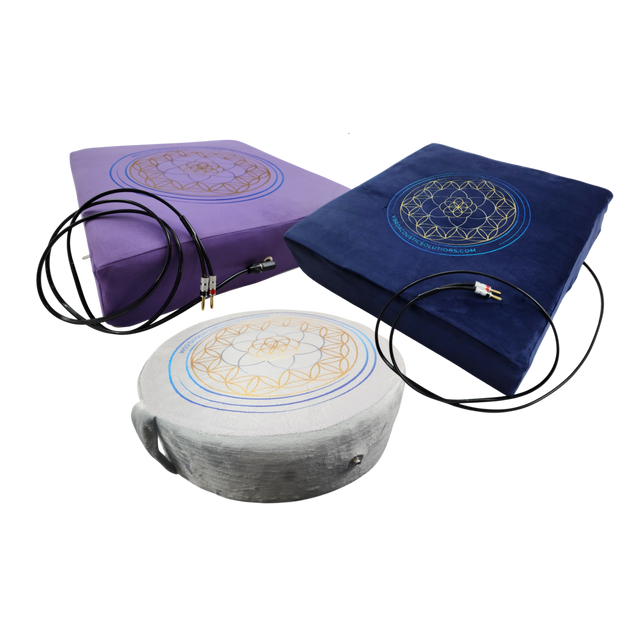
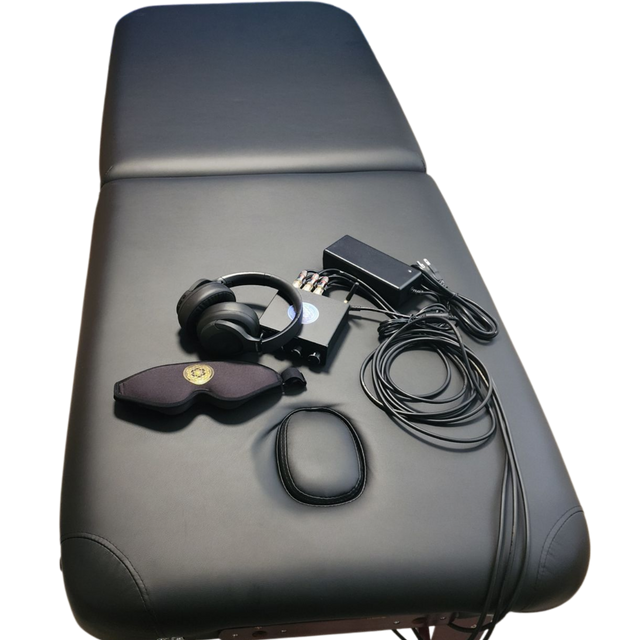
Stresujący dzień nie zawsze kończy się wraz z zakończeniem pracy. Ciało może pozostawać napięte, czujne i nadmiernie pobudzone długo po ustaniu bezpośredniego zapotrzebowania. Terapia wibroakustyczna w domu to praktyczny sposób na pracę z tym stanem fizycznym, dostarczając słyszalny dźwięk i wibracje o niskiej częstotliwości bezpośrednio przez łóżko, poduszkę lub powierzchnię zabiegową.
To nie jest zwykła muzyka odtwarzana przez głośnik. W systemie wibroakustycznym, specjalistyczne przetworniki przekształcają sygnał audio w mierzalne wibracje mechaniczne. Gdy niskie częstotliwości przechodzą przez powierzchnię pod ciałem, można je odczuwać przez plecy, biodra, nogi i inne punkty kontaktu. Ten dotykowy bodziec daje układowi nerwowemu coś stałego i konkretnego, wokół czego można się zorientować: przewidywalny rytm, wspierane ciało i możliwość przejścia od wysiłku do odpoczynku.
Co terapia wibroakustyczna robi w ciele
Najpierw pojawia się mechanizm fizyczny. Słuch ludzki zazwyczaj zaczyna się od około 20 Hz, ale wibracje o niskiej częstotliwości są również odczuwane przez dotyk. Dobrze zaprojektowany system wibroakustyczny zazwyczaj kładzie nacisk na częstotliwości w przybliżonym zakresie od 30 do 120 Hz, gdzie dźwięk może stać się doznaniem obejmującym całe ciało, a nie tylko czymś słyszanym przez uszy.
Kiedy osoba leży na wibroakustycznym łóżku lub opiera się o poduszkę terapeutyczną, przetworniki tworzą delikatne oscylacje w samym meblu. Skóra, mięśnie i tkanka łączna zawierają receptory sensoryczne, które reagują na nacisk, ruch i wibracje. Ten bodziec może zwiększyć świadomość ciała, podczas gdy stały, powtarzalny wzorzec może wspierać przejście od aktywacji współczulnej, często nazywanej reakcją walki lub ucieczki, do stanu bardziej uregulowanego.
Wiele sesji łączy również wibracje o niskiej częstotliwości z kojącą muzyką, pejzażami dźwiękowymi natury lub tonami zaprojektowanymi do regulacji oddechu. Powolny rytm może ułatwić wydłużenie wydechu i złagodzenie nawykowego napinania mięśni. Doznanie to jest często opisywane jako forma mikromasażu komórkowego, choć odczucia różnią się w zależności od częstotliwości, głośności, pozycji ciała i twardości powierzchni.
Badania nad interwencją wibroakustyczną badały jej rolę w percepcji bólu, lęku, relaksacji, wsparciu motorycznym i jakości życia. W małych badaniach klinicznych i terapeutycznych naukowcy zaobserwowali obiecujące zmiany w zgłaszanym dyskomforcie, napięciu mięśni, nastroju i relaksacji po sesjach. Dziedzina ta nadal się rozwija, ale główna idea kliniczna jest jasna: wibracje o niskiej częstotliwości są znaczącą formą bodźca sensorycznego, a ciało nieustannie reaguje na bodźce sensoryczne.
Dlaczego sesje domowe mogą być tak skuteczne
Sesja w klinice może być bardzo skuteczna, zwłaszcza gdy jest zintegrowana z masażem, pracą z ciałem, poradnictwem lub szerszym planem opieki. Użycie w domu dodaje kolejną zaletę: powtarzalność. Regulacja układu nerwowego rzadko jest jednorazowym wydarzeniem. Buduje się ją poprzez regularne doświadczenia bezpieczeństwa, przewidywalności i powrotu do równowagi.
Domowy system umożliwia krótkie sesje przed snem, po wymagającym treningu, podczas resetu w środku dnia lub po intensywnym emocjonalnie dniu. Zamiast planować ulgę z tygodniowym wyprzedzeniem, możesz stworzyć spójny rytuał sensoryczny w środowisku, w którym już zachodzi sen i regeneracja.
Dla niektórych osób 15-20 minut sesji wystarcza, aby poczuć się uziemionym. Inni wolą 30-45 minut wibracji o niskiej głośności podczas odpoczynku, medytacji lub słuchania prowadzonej relaksacji. Większa intensywność nie jest automatycznie lepsza. Celem nie jest przytłoczenie ciała doznaniami. Celem jest znalezienie poziomu, który jest wspierający, komfortowy i łatwy do powrotu.
Wybór odpowiedniego zestawu do terapii wibroakustycznej w domu
Najlepszy zestaw zależy od tego, jak planujesz go używać, ile masz miejsca i czy system będzie służył jednej osobie, czy całemu gospodarstwu domowemu. Pełne łóżko wibroakustyczne oferuje najbardziej immersyjne doświadczenie, ponieważ wibracje mogą objąć większą część ciała jednocześnie. Jest to często dobry wybór dla osób tworzących dedykowany pokój do regeneracji lub dla praktyków, którzy również pracują z domu.
Wibroakustyczna poduszka jest bardziej elastyczna. Można jej używać na sofie, fotelu rozkładanym, łóżku lub macie podłogowej i może być idealna do ukierunkowanego wsparcia pleców, miednicy lub nóg. Dla osób z ograniczoną przestrzenią przenośność może być różnicą między systemem, który staje się częścią codziennego życia, a takim, który pozostaje nieużywany.
Zestawy do mocowania do stołu do masażu i zestawy do samodzielnej konwersji wibroakustycznej są szczególnie przydatne dla terapeutów zajmujących się ciałem i praktyków integracyjnych. Pozwalają one na przekształcenie istniejącego stołu lub powierzchni meblowej w system terapeutyczny oparty na dźwięku bez konieczności całkowitego przeprojektowania pomieszczenia. Jakość doświadczenia zależy od bezpiecznej instalacji, odpowiedniego wzmocnienia i powierzchni, która równomiernie przenosi wibracje.
Przed wyborem sprzętu rozważ cztery praktyczne pytania:
- Gdzie najczęściej będą odbywać się sesje: sypialnia, salon, gabinet zabiegowy, czy cicha przestrzeń do regeneracji?
- Czy chcesz pełnej immersji całego ciała, czy bardziej przenośnej, ukierunkowanej opcji?
- Czy będziesz używać systemu do osobistej regulacji, sesji z klientami, czy do obu celów?
- Jak dużą kontrolę chcesz mieć nad playlistami, ścieżkami dźwiękowymi i dźwiękiem ukierunkowanym na częstotliwość?
System klasy klinicznej powinien zapewniać niezawodne wyjście niskich częstotliwości bez grzechotania, ostrości lub nierównych wibracji. Komfort jest tak samo ważny jak możliwości techniczne. Jeśli powierzchnia nie zachęca do odpoczynku, nie będzie wspierać zrównoważonej praktyki.
Jak rozpocząć bezpieczną, użyteczną sesję domową
Zacznij od potraktowania kilku pierwszych sesji jako obserwacji, a nie występu. Wybierz czas, kiedy nie musisz spieszyć się z innym zadaniem. Połóż się lub oprzyj, wygodnie podpierając kręgosłup i stawy, a następnie zacznij od niskiego poziomu głośności i wibracji.
Dla ogólnej relaksacji, wiele osób uważa programy o niskiej częstotliwości od 30 do 60 Hz za komfortowe, ponieważ wibracje są łatwe do odczucia bez nadmiernej stymulacji. Częstotliwości około 40 Hz również wzbudziły zainteresowanie badawcze w badaniach nad stymulacją sensoryczną i rytmami mózgu. Najbardziej użyteczne ustawienie pozostaje osobiste: to, co uspokaja jeden układ nerwowy, może wydawać się zbyt intensywne dla innego.
Na początek pozostań przy jednym programie przez 15 do 20 minut. Zwróć uwagę na głębokość oddechu, napięcie szczęki, odczucia w żołądku, temperaturę oraz na to, czy twoje myśli stają się cichsze czy bardziej aktywne. Jeśli sesja pozostawi cię przyjemnie zrelaksowanym, możesz stopniowo wydłużać czas trwania. Jeśli poczujesz się wzburzony, odrętwiały, zawroty głowy lub niekomfortowo, zmniejsz intensywność, skróć sesję lub wybierz łagodniejszą ścieżkę następnym razem.
Nawodnienie, lekki koc i zmniejszona ekspozycja na ekrany mogą sprawić, że sesja domowa będzie bardziej regenerująca. Niektórzy doceniają słuchawki do słuchania części sesji, podczas gdy inni wolą dźwięk z otoczenia, aby być świadomymi otoczenia. Nie ma jednego poprawnego rytuału. Konsekwencja i komfort są ważniejsze niż tworzenie idealnej atmosfery.
Dopasowywanie sesji do codziennych potrzeb
Dla wsparcia snu, użyj sesji o niższej intensywności 30-60 minut przed snem, zamiast włączać system, gdy jesteś już przemęczony i sfrustrowany. Połącz wibracje z wolnym instrumentalnym dźwiękiem, muzyką ambientową lub tonami, które sprawiają wrażenie emocjonalnie uspokajających. Celem jest zapewnienie ciału rozpoznawalnego przejścia z dnia.
Dla regeneracji po wysiłku, sesja po treningu może uzupełniać rozciąganie, nawodnienie, odżywianie i odpowiedni odpoczynek. Delikatne wibracje mogą być szczególnie mile widziane, gdy ciało czuje się spięte lub zmęczone, ale nie należy ich używać do przezwyciężania ostrego bólu lub urazu, który wymaga oceny.
Dla regulacji sensorycznej kluczowa jest przewidywalność. Osoby z ADHD, różnicami sensorycznymi związanymi z autyzmem lub przewlekłym stresem mogą odnieść korzyści z używania tej samej pozycji, czasu trwania i programu audio przez kilka sesji, zanim zmienią zmienne. Znane bodźce sensoryczne mogą ułatwić określenie, co naprawdę działa regulująco.
Dla dekompresji emocjonalnej, zachowaj prostą intencję. Nie musisz zmuszać się do relaksu ani analizować każdego doznania. Wspierana powierzchnia, cichy pokój i rytmiczne wibracje o niskiej częstotliwości mogą stworzyć cenną przerwę między tym, co się wydarzyło, a tym, jak to dalej uniesiesz.
Częstotliwość, znaczenie i osobisty rezonans
Dobre samopoczucie oparte na częstotliwości często niesie ze sobą zarówno ciekawość naukową, jak i osobiste znaczenie. Niektórzy ludzie są przyciągani do muzyki 432 Hz ze względu na jej ciepły, ugruntowany charakter. Inni łączą się z tonami Solfeggio, rezonansem Schumanna 7,83 Hz lub obrazami cymatycznymi, ponieważ te tradycje oferują język dla rytmu, połączenia i organizujących wzorców natury.
W domowym środowisku wibroakustycznym, słyszalna ścieżka dźwiękowa i częstotliwości dotykowe nie muszą być takie same, aby pięknie ze sobą współdziałać. Ścieżka muzyczna może zawierać odniesienie do strojenia 432 Hz, podczas gdy przetworniki podkreślają niższe komponenty dotykowe, takie jak 30, 40 lub 60 Hz. Rezultat może być zarówno emocjonalnie rezonujący, jak i fizycznie uspokajający.
Jeśli masz rozrusznik serca, wszczepiony implant, jesteś w ciąży, masz napady padaczkowe, ostrą kontuzję lub zarządzasz złożonym stanem medycznym, zapytaj swojego wykwalifikowanego pracownika służby zdrowia, czy sesje wibroakustyczne są dla Ciebie odpowiednie. Ta rozmowa pomoże Ci wykorzystać tę technologię jako przemyślany dodatek do Twojej opieki.
Najbardziej wartościową praktyką domową jest ta, którą możesz powtórzyć. Zacznij delikatnie, zauważ, na co reaguje Twoje ciało i pozwól, aby każda sesja stała się niezawodnym miejscem do regeneracji, regulacji i ponownego połączenia ze sobą.
Najnowsze posty

Chronic Pain Relief Room Example for Home Use
Read article
Vibroacoustic Systems for Therapeutic Regulation
Read article
Tactile Audio Versus Headphones for Regulation
Read article