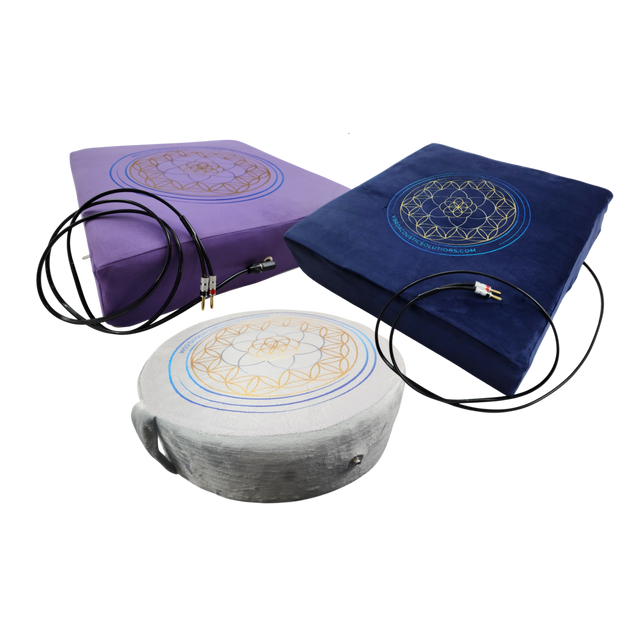
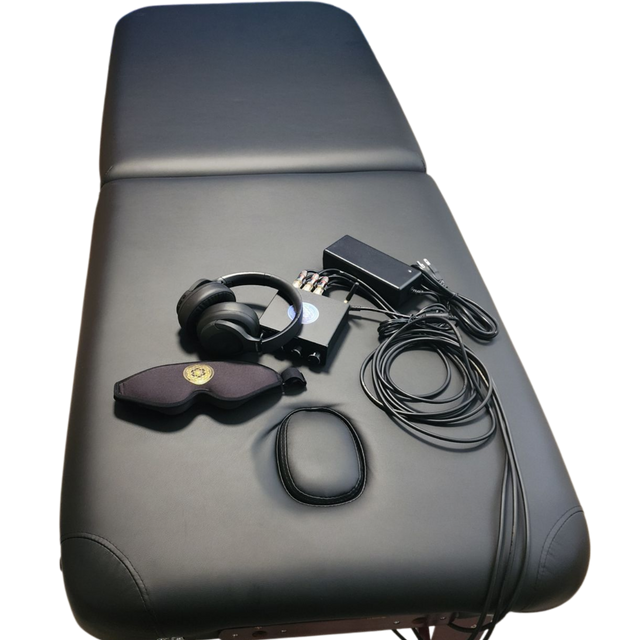
A vibroacoustic session should feel like a controlled, settling vibration moving through the body - not a harsh shake, numbness, or discomfort you have to push through. So, is vibration therapy safe? For many people, low-intensity vibroacoustic therapy is a well-tolerated, non-invasive way to support relaxation, body awareness, and recovery. Safety depends on the type of vibration, the frequency and intensity used, your health history, and whether the session is paced appropriately.
Vibration therapy is a broad term. A 15-minute session on a high-powered whole-body vibration platform is very different from resting on a vibroacoustic bed or cushion that delivers gentle, music-guided low frequencies. Knowing that distinction makes it much easier to choose an approach that supports your nervous system rather than overwhelms it.
Is vibration therapy safe when it is low frequency?
Vibroacoustic therapy uses transducers - specialized components that convert audio signals into physical vibration. Rather than simply hearing a low tone through speakers, you feel it through the bed, chair, massage table, or cushion. Those mechanical vibrations travel through soft tissue and create a gentle sensory input the body can register.
Many vibroacoustic systems work primarily in the approximately 20 to 120 Hz range, with sessions often using frequencies between 30 and 80 Hz. This lower-frequency range is felt more than heard. It can stimulate cutaneous and deeper mechanoreceptors, the sensory receptors that respond to pressure, stretch, and vibration. That input then travels to the central nervous system, where it can influence how the brain interprets body state, tension, and safety.
The experience is sometimes described as a cellular micro-massage. That phrase does not mean the device is literally massaging every cell. It describes the rhythmic mechanical sensation that can soften guarded muscles, bring attention back into the body, and create conditions that many people associate with downshifting from stress.
Research into vibroacoustic therapy has explored outcomes such as pain perception, muscle relaxation, mood, sleep quality, and autonomic regulation. In clinical and rehabilitation settings, protocols frequently use 30 to 60 minutes of low-frequency sound vibration combined with calming music or therapeutic rest. Small studies and clinical reports have observed reductions in self-reported tension and discomfort for some participants, although results vary with the person, setting, and protocol.
Safety becomes less predictable as amplitude, duration, and force increase. High-intensity mechanical vibration, particularly when standing on a whole-body vibration platform, places different demands on joints, balance, circulation, and the spine than a reclined vibroacoustic session. The question is not whether all vibration is good or bad. It is whether the dose and delivery method fit the individual body in front of you.
What a safe vibroacoustic session feels like
A properly adjusted session is usually quieting rather than effortful. The vibration should feel evenly distributed, especially across areas supported by the equipment. You may notice warmth, a soft tingling sensation, a release of muscle holding, or a gradual feeling of heaviness as the body settles.
Comfort matters because the nervous system responds to context. A frequency that feels grounding for one person may feel too activating for another, especially for someone with sensory sensitivity, migraine tendencies, trauma-related hypervigilance, or a history of dizziness. Starting with a lower volume and lower vibration intensity gives the body room to respond without being flooded by sensation.
For home users, a practical starting point is 10 to 15 minutes at a gentle setting. If that feels comfortable during and after the session, duration can gradually increase toward 20 to 30 minutes. Practitioners may use longer sessions when appropriate, but more time is not automatically more therapeutic. A regulated response is the goal.
Stop or reduce the setting if vibration produces pain, sharp discomfort, headache, nausea, new dizziness, increased numbness, or a sense of agitation that does not settle with rest. These signals are useful feedback, not a failure to "tolerate" the session.
Who should use extra caution?
Vibroacoustic therapy can be adapted thoughtfully for many adults, but some circumstances call for individualized clinical guidance before use. This is particularly true when a person has an active medical condition, is recovering from a procedure, or has symptoms that are changing rapidly.
Talk with a qualified health professional before using vibration therapy if you have an implanted electronic device such as a pacemaker or neurostimulator, an active blood clot or known deep vein thrombosis, an acute injury, recent surgery, unstable fractures, or significant cardiovascular concerns. People who are pregnant, managing severe osteoporosis, experiencing active bleeding, or undergoing cancer treatment should also seek individualized advice from their care team.
Those with epilepsy or a history of seizures may want guidance from their neurologist, particularly when sessions include strong auditory stimulation, rapidly changing rhythms, or sensory patterns they know can be activating. For people with neuropathy or reduced sensation, extra attention to positioning and intensity is wise because the body may not register excessive pressure or vibration as clearly.
These precautions are not a reason to assume vibroacoustic therapy is off-limits. They are a reason to choose the right setting, dose, and oversight. A massage therapist, somatic practitioner, or integrative provider can also coordinate with the client's medical team when vibration is being considered as part of a broader care plan.
Frequency, intensity, and positioning change the experience
Frequency is only one part of the equation. A 40 Hz tone delivered at a comfortable intensity while lying fully supported can feel deeply different from 40 Hz delivered at a higher amplitude through a firm surface. The music, body position, room temperature, session length, and a person's stress level all shape the response.
Lower frequencies around 20 to 40 Hz are often experienced as grounding and physically substantial. Frequencies in the 40 to 80 Hz range are commonly used in vibroacoustic programs because they can provide a clear tactile sensation without requiring high output. Higher frequencies may be used within music-guided programs, but they are often less physically pronounced through the body.
For clients who are new to somatic work, reclined positioning is generally the simplest place to begin. A bed, cushion, or massage table attachment reduces the balance and joint-loading demands found in standing vibration applications. Support the knees, neck, and low back as needed, and avoid placing concentrated vibration directly over an area that is acutely painful or inflamed.
Volume should remain conversationally comfortable. Vibroacoustic therapy does not need to be loud to be effective. The tactile component comes from the transducers and the structure supporting the body, not from turning the audible music to an excessive level.
Practical safety guidelines for home and clinical use
Before a session, check that the equipment is stable, cords are secure, and the controls are accessible without twisting or straining. Use the system on a level surface and follow the manufacturer's guidance for weight capacity, placement, and session settings. Clinical-grade equipment should deliver consistent vibration without rattling, sudden surges, or uneven hotspots.
Begin with a brief check-in: How is your energy? Are you hydrated? Is there new pain, illness, dizziness, or a change in medication that may affect how you respond today? For practitioners, this conversation can be as valuable as the protocol itself. It turns vibroacoustic therapy from a passive device experience into responsive somatic care.
During the session, invite the person to notice breathing, muscle tone, temperature, and emotional state without forcing a particular result. Some people relax quickly. Others need several gentle sessions before the body recognizes the vibration as safe and familiar. For sensory-sensitive clients, predictable music, slower transitions, and the option to stop at any time help build trust.
Afterward, allow two or three minutes before standing. Water, light movement, and a brief body scan can help integrate the experience. If someone consistently feels worse after sessions, lower the intensity and duration or pause use while they consult a qualified clinician.
A grounded approach to therapeutic vibration
The safest vibration therapy is not necessarily the strongest setting or the longest session. It is the one that respects dosage, medical context, sensory preferences, and the body's moment-to-moment feedback. Low-frequency vibroacoustic therapy offers a gentle way to bring sound into the body, creating a supported space for rest, regulation, and recovery.
When the technology is used with care, curiosity, and appropriate professional guidance, the vibration can become less about doing more and more about helping the body remember what settled feels like.
Najnowsze posty


Therapeutic Furniture Conversion Guide for Home
Read article