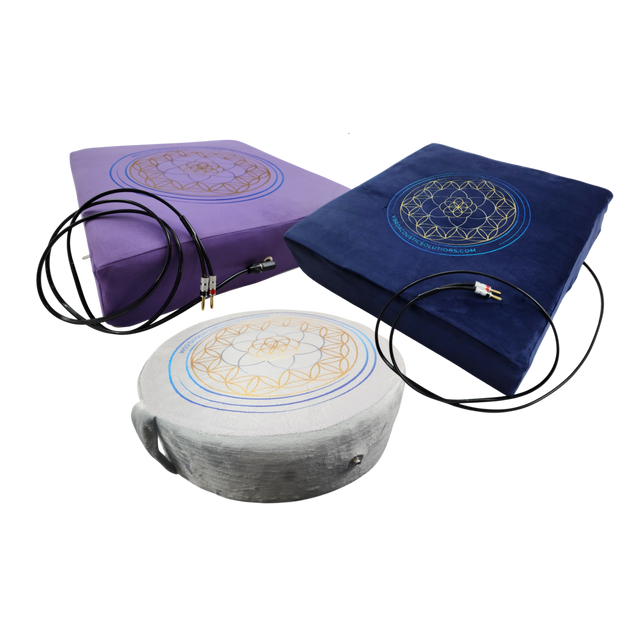
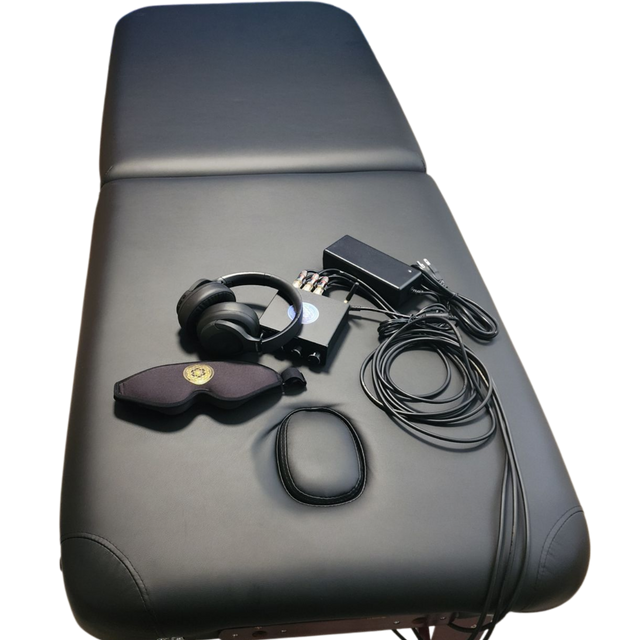
A familiar recliner, massage table, or daybed can become a powerful somatic support tool when low-frequency sound is transferred through its surface. This therapeutic furniture conversion guide explains how to choose the right foundation, place tactile transducers effectively, and create a setup that feels grounded, comfortable, and clinically purposeful.
Vibroacoustic therapy works through a physical mechanism before it becomes a felt experience. Audio signals in lower frequency ranges, often between 20 and 120 Hz, are converted into mechanical vibration by tactile transducers. Instead of only hearing a tone through the air, the body receives it through contact points such as the back, pelvis, legs, and feet. This can create a gentle, rhythmic sensory input that supports relaxation, body awareness, and nervous system regulation.
The furniture matters because it becomes part of the instrument. Its frame, padding, shape, and points of contact determine whether vibration reaches the body evenly or gets lost in the structure.
Start With the Right Furniture for Conversion
Not every piece of furniture needs to become a vibroacoustic system. The best candidate is one that already supports the way you or your clients rest, recover, or receive care. A conversion should improve an existing therapeutic environment, not force the body into an uncomfortable position.
For home use, a supportive recliner, chaise lounge, bed frame, or upholstered bench can work well. A firm mattress or daybed often provides generous full-body contact, while a recliner can be ideal for shorter sessions focused on decompression after work, sensory regulation, or pre-sleep relaxation.
For professional settings, massage tables are often the most practical option. They preserve the familiar treatment environment while adding a low-frequency tactile layer beneath massage, manual therapy, guided breathwork, or sound-based sessions. A table attachment kit can be especially useful when a practitioner needs a portable system rather than a dedicated vibroacoustic bed.
The central question is not whether the furniture looks suitable. It is whether it is structurally stable, comfortable for the intended session length, and able to hold vibration without excessive rattling or movement.
What Makes a Strong Conversion Candidate
A solid wood or metal frame generally transfers tactile sound more predictably than lightweight particleboard construction. Upholstery and padding are also significant. Very dense foam can localize vibration intensely, while extremely soft cushions may absorb too much of the signal before it reaches the body.
Look for a surface with stable contact across the torso and pelvis. Those regions tend to provide the most meaningful tactile experience because they are broad, weight-bearing contact areas. A client lying on a massage table may feel vibration through the ribs, spine, hips, and thighs, while someone in a recliner may feel it most clearly through the back and seat.
Avoid furniture with loose joints, damaged support slats, unstable legs, or pronounced squeaking. Low-frequency energy can make small mechanical issues much more noticeable. It can also distract from the calming, contained quality a therapeutic session requires.
How Vibroacoustic Conversion Changes the Experience
A speaker is designed to move air. A tactile transducer is designed to create motion in the object it is mounted to. When a transducer receives a low-frequency audio signal, its internal moving mass transfers that energy into the furniture frame or support surface. The furniture then becomes a resonant contact point for the body.
This is why placement and frequency selection cannot be treated as afterthoughts. A 30 Hz signal may feel broad, slow, and grounding through a large surface. Frequencies around 40 Hz are commonly explored in sensory and neurological research because of their rhythmic character. Frequencies in the 50 to 80 Hz range may feel more muscular and localized, particularly around the lower back, hips, and legs. Higher tactile frequencies can be useful, but they tend to feel more active and may be less suitable for deep settling sessions.
The ideal setting depends on the person, their goals, and the furniture itself. A home user preparing for sleep may prefer a lower, gentler output with slow music or therapeutic audio. A practitioner supporting body awareness during a session may use more clearly defined pulses at a modest volume, then adjust based on the client’s verbal and nonverbal response.
Therapeutic Furniture Conversion Guide: Setup Steps
A thoughtful conversion is less about adding maximum power and more about creating clear, comfortable vibration with reliable controls.
1. Inspect the frame and choose mounting zones. Identify solid structural areas beneath the primary contact points. On a massage table, this may be the underside of the central frame. On a recliner or daybed, it may be a support rail beneath the seat or back.
2. Match the system to the furniture size. A small chair may need one properly placed transducer. A full-size bed, wide treatment table, or large sectional surface may benefit from multiple transducers so the body does not experience all vibration from one isolated point.
3. Use an appropriate amplifier and audio source. The amplifier must be compatible with the transducer’s impedance and power requirements. A clean signal path reduces distortion, which can otherwise feel sharp or mechanically distracting at higher output levels.
4. Secure cables and protect moving parts. Route wiring away from recliner mechanisms, table legs, foot traffic, and areas where a client may catch a cable while getting on or off the surface. Cable management is a safety feature as much as an aesthetic one.
5. Test at low volume before every first session. Start with a slow frequency sweep or familiar low-frequency track. Place a hand on different parts of the furniture, listen for rattles, and make small placement adjustments before inviting someone to lie down.
A DIY conversion kit can simplify this process by pairing components intended to work together. That is often the clearest path for people who want to transform furniture without designing an audio system from individual parts.
Placement Is More Important Than Raw Power
More output is not necessarily more therapeutic. A transducer mounted directly under the pelvis may feel strong but overly concentrated. Moving it several inches toward the torso, or adding a second contact point near the upper back, can create a more balanced field across the body.
On massage tables, practitioners often benefit from placing components where they support the client’s central body contact while staying clear of face cradles, height-adjustment hardware, and hands-on treatment zones. On beds, positioning should account for whether the system is used by one person, two people, or someone who changes sleep positions frequently.
Test the furniture while someone is lying on it whenever possible. Body weight changes how the frame and padding respond. What feels even with an empty surface may feel much more focused once the material is compressed.
Build Sessions Around Regulation, Not Intensity
The most effective conversion supports an intentional therapeutic routine. Start with 10 to 20 minute sessions at a comfortable level, especially for people new to tactile sound. Give the nervous system time to recognize the input as predictable and safe.
For relaxation or evening use, low-frequency programs around 20 to 50 Hz are often paired with slow music, breath pacing, or quiet rest. For recovery-focused sessions, some people prefer a slightly more present tactile range, such as 40 to 80 Hz, while remaining comfortably below any level that causes bracing or fatigue. The body should feel supported by the vibration, not challenged by it.
In clinical and integrative settings, vibroacoustic therapy can be incorporated before hands-on work to help a client arrive in their body, or after treatment to create a quiet integration period. Practitioners should document frequency range, session duration, body position, and client response. Over time, these notes reveal useful patterns and help refine a protocol for each person.
People with implanted electronic devices, acute injuries, pregnancy-related concerns, or complex health conditions should seek guidance from an appropriately qualified healthcare professional before using a vibroacoustic system. The same applies when a person experiences discomfort, dizziness, agitation, or increased symptoms during a session.
Create a Space People Want to Return To
A conversion succeeds when it feels like an invitation to pause. Keep the room warm, reduce harsh overhead lighting, and make controls easy to reach without interrupting rest. In a clinic, explain what the client will feel before the session begins: low-frequency sound through the body, gentle vibration through the table, and the ability to request an adjustment at any time.
For home users, consistency is often more valuable than complexity. A well-installed transducer, a reliable amplifier, and a small selection of carefully chosen sessions can turn ordinary furniture into a dedicated place for recovery, rest, and reconnection. The goal is not to make your furniture feel futuristic. It is to create a steady, physical experience that helps the body recognize it has permission to settle.
Najnowsze posty


Is Vibration Therapy Safe for Everyday Use?
Read article