A home therapy system vs clinic decision is rarely about whether one setting is better in every circumstance. It is about matching the delivery of vibroacoustic therapy to what your body, schedule, goals, and level of support require. A clinic can offer skilled assessment and a carefully held therapeutic container. A home system can make nervous system regulation available when it matters most: before sleep, after work, during a pain flare, or in the quiet minutes between demanding responsibilities.
Vibroacoustic therapy begins with a physical mechanism. Low-frequency sound, commonly delivered through transducers in a bed, mat, cushion, or treatment table, becomes felt vibration in the body. Rather than simply hearing a tone through the ears, the user experiences mechanical stimulation through contact points across the back, hips, legs, or torso. Frequencies often fall within approximately 20 to 120 Hz, a range that can be perceived as deep, steady movement rather than ordinary music.
That tactile input may support relaxation by giving the nervous system a consistent, predictable sensory signal. Slow rhythmic stimulation can encourage a shift away from muscular guarding and high-alert states, while the auditory component helps shape attention and breathing. For some people, this combination feels like a gentle internal massage. For others, it creates the sensory boundary needed to settle, rest, or process a clinical session more comfortably.
Home Therapy System vs Clinic: The Core Difference
The central difference is not necessarily the quality of the technology. Clinical-grade vibroacoustic systems can be used in either environment. The difference is the therapeutic context around the equipment.
In a clinic, a massage therapist, sound practitioner, somatic provider, or integrative health professional can choose a protocol based on your presentation that day. They may adjust frequency, volume, session length, body positioning, and the accompanying therapeutic approach. A person arriving with acute stress may benefit from a different session structure than someone focused on post-exercise recovery, chronic tension, or sensory regulation.
At home, the system becomes a repeatable regulation tool. You have more control over timing, privacy, and frequency of use. The session does not need to be scheduled weeks ahead or compressed into a single appointment window. This matters because the benefits of nervous system practices are often shaped by consistency. A 20-minute session used three or four times a week may become part of an evening wind-down routine in a way that monthly appointments cannot.
Neither setting should be viewed as a substitute for medical evaluation, diagnosis, or treatment. Instead, vibroacoustic therapy can be a supportive, non-invasive component of a broader care plan, especially when used thoughtfully alongside the guidance of qualified health professionals.
What a Clinic Setting Does Best
A clinic has value when personal guidance is the intervention, not just the equipment. Practitioners can observe how a client responds to low-frequency stimulation in real time. They can notice changes in breath, muscle tone, facial tension, restlessness, or emotional activation, then modify the session accordingly.
This is particularly useful for people who are new to somatic work, uncertain about their sensory preferences, or working through complex patterns of stress and tension. A skilled provider can establish a pace that feels safe. They can also combine vibroacoustic therapy with massage, breathwork, body-based psychotherapy, guided relaxation, or other modalities that fit their scope of practice.
The clinical environment can also reduce decision fatigue. You do not have to decide which track to play, whether the volume is right, or whether today is the right day for a session. You arrive, settle onto the system, and allow a trained professional to guide the experience.
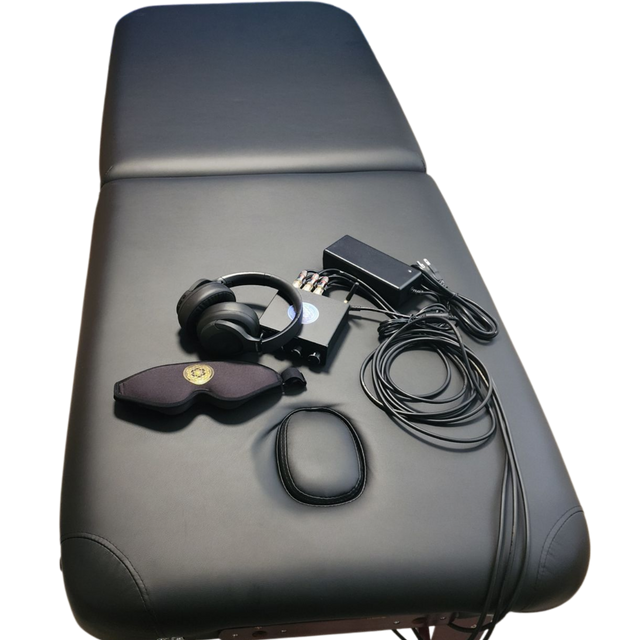
For practitioners, adding vibroacoustic equipment can deepen the work already taking place on the table. A treatment table attachment or conversion kit can bring tactile low-frequency sound into an existing massage, bodywork, or somatic practice without requiring an entirely separate treatment room. The technology becomes part of a structured client journey: intake, targeted session, integration, and follow-up.
There are trade-offs. Clinic sessions involve travel, scheduling, and a per-visit cost. Even an excellent protocol may be difficult to maintain if it only fits into a calendar once every few weeks. For clients whose main goal is ongoing relaxation, sleep support, or a reliable decompression ritual, clinic-only access can leave a gap between appointments.
What a Home System Does Best
Home-based vibroacoustic therapy is built around access. The nervous system does not operate on appointment times. A system in your bedroom, living room, or dedicated wellness space is available when you notice that your shoulders are elevated, your thoughts are racing, or your body has not yet transitioned out of work mode.
A home system also supports experimentation with routine. Many users respond well to a consistent low-frequency session before bed, often using gentle programs in the 30 to 60 Hz range paired with calming music or carefully designed therapeutic audio. Others prefer a daytime session after training, prolonged sitting, travel, or emotionally demanding work. The best timing is personal, but repetition helps you learn what your body recognizes as a cue for downshifting.
This setting is often a strong fit for adults managing ongoing stress, sleep disruption, chronic muscle tension, or sensory overload. It can also be useful for families seeking a familiar sensory regulation option for neurodivergent household members, provided sessions are introduced gradually and matched to individual comfort.
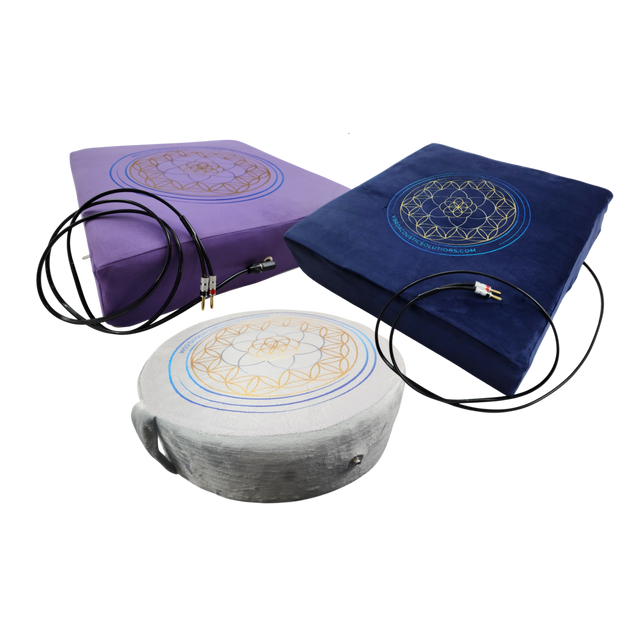
The financial equation matters too. A clinic session may be the right investment for guided care, but recurring appointments add up over time. A home bed, cushion, or DIY conversion kit shifts more of the cost toward the initial purchase. For a household where multiple people will use the system over several years, the value can become compelling.
At the same time, home use asks more of the user. You need to create the conditions for a session: a quiet space, a realistic routine, and enough patience to notice how different settings affect you. Start with shorter sessions, moderate volume, and a comfortable position. More intensity is not automatically more therapeutic. A nervous system that has been under strain often responds best to steady, tolerable input.
Frequency, Fit, and the Importance of the Body
Frequency is one reason this choice deserves more thought than a simple home-versus-clinic comparison. Lower tones in the 20 to 50 Hz range are often experienced as broad, grounding vibration through the body. Mid-low frequencies around 50 to 80 Hz may feel more localized or energizing depending on the system, track, body position, and individual sensitivity. Above that range, the sensation may become more textural and less like a slow wave.
Research into vibroacoustic therapy has explored outcomes related to relaxation, pain perception, movement, and stress. Across clinical and small-scale studies, researchers commonly examine protocols using low-frequency sound between 30 and 120 Hz, with session durations often ranging from 20 to 45 minutes. The field continues to develop, yet the practical takeaway is already useful: delivery parameters matter. The same frequency can feel entirely different at a different volume, through a different surface, or in a body that is tired versus activated.
This is where professional support can be helpful at the beginning, even for someone who ultimately wants home access. A few guided sessions may help you understand your preferred frequency range, duration, and sensory threshold. Then a home system can carry that knowledge into everyday life.
A Hybrid Model Often Makes the Most Sense
For many people, the most effective choice is not either-or. Clinic sessions can provide assessment, skilled touch, emotional support, and a more individualized protocol. Home sessions can reinforce the rhythm of regulation between visits.
A practitioner may use a 30-minute vibroacoustic session to help a client arrive in their body before massage or somatic work. At home, that same client may use a 15- to 20-minute session two evenings per week to practice settling without waiting until stress has accumulated. The clinic offers precision and relationship. The home system offers repetition and autonomy.
For providers, this model can also improve continuity of care. When clients have access to appropriate home equipment, they can develop a practical self-regulation practice rather than viewing therapeutic relief as something available only in the treatment room. Vibroacoustic Solutions designs systems, cushions, table attachments, and conversion kits with this wider continuum in mind: professional capability without making regular access feel out of reach.
How to Choose Your Starting Point
Choose clinic-based care first if you want individualized guidance, have strong sensory sensitivity, are integrating vibroacoustic therapy into an existing therapeutic process, or simply value being cared for by a practitioner. It is also a meaningful way to experience different systems before making a larger investment.
Choose a home system first if your primary need is frequent access, your goals are centered on relaxation, sleep routines, recovery, or daily stress support, and you are comfortable building a simple practice. Consider the physical format carefully. A full bed creates an immersive experience and supports longer sessions. A cushion offers flexibility for seated use. A table attachment or DIY kit can be an efficient choice for practitioners and for people who already own suitable furniture.
The most useful system is the one you can return to with consistency and comfort. Whether that happens in a clinic or at home, low-frequency vibration works best when it becomes an invitation to notice the body, soften the pace, and make room for regulation.
Najnowsze posty


Therapeutic Furniture Conversion Guide for Home
Read article
Is Vibration Therapy Safe for Everyday Use?
Read article