Pokój sensoryczny może być pięknie urządzony, a mimo to być zbyt obciążający dla układu nerwowego. Jasne oświetlenie górne, nakładające się na siebie źródła dźwięku, zbyt wiele możliwości wyboru oraz brak wyraźnego rytuału przejścia mogą sprawić, że klienci wyjdą bardziej czujni, niż wyciszeni. Niniejsze studium przypadku pokoju sensorycznego w praktyce analizuje przykładowe wdrożenie w klinice, w którym terapia wibroakustyczna stała się warstwą organizującą przestrzeń: nie jako dodatek, lecz jako dotykowy sygnał o niskiej częstotliwości ułatwiający przybycie, regulację i powrót do codzienności.
Jest to studium przypadku oparte na typowych celach i wzorcach wdrożeniowych praktyków, a nie na kontrolowanym badaniu klinicznym. Jest ono użyteczne, ponieważ pokazuje, co się zmienia, gdy przestrzeń sensoryczna jest projektowana z myślą o dawkowaniu, wyborze i przepływie terapeutycznym, a nie tylko o sprzęcie.
Praktyka: pokój z dobrymi intencjami, ale mieszanymi sygnałami
Praktyk w tym przypadku, specjalista terapii integracyjnej, pracował z dorosłymi zmagającymi się z przewlekłym stresem, zaburzeniami snu, chronicznym napięciem mięśniowym i nadwrażliwością sensoryczną. Jego gabinet był już wyposażony w stół do masażu, miękkie meble, obciążeniowe nakładki na kolana, lampy z możliwością ściemniania oraz system audio. Klienci doceniali troskę kryjącą się za wystrojem, jednak praktyk zauważył pewną nierównowagę.
Niektórzy klienci wyciszali się szybko. Inni spędzali pierwsze 15 do 20 minut na szybkim mówieniu, skanowaniu wzrokiem pokoju lub z trudem przechodzili z wymagającego dnia pracy do sesji terapeutycznej. Po głęboko relaksującej sesji kilku z nich potrzebowało również więcej czasu, zanim poczuli się gotowi, by wstać, zacząć mówić i prowadzić samochód w drodze do domu.
Problemem nie był brak narzędzi wyciszających. Był nim brak spójnej sekwencji sensorycznej. Pokój oferował komfort, ale nie zawsze dawał organizmowi jasny, powtarzalny sygnał, że może przejść z poziomu czujności w stronę odpoczynku.
Dlaczego niska częstotliwość zmieniła podejście do projektowania
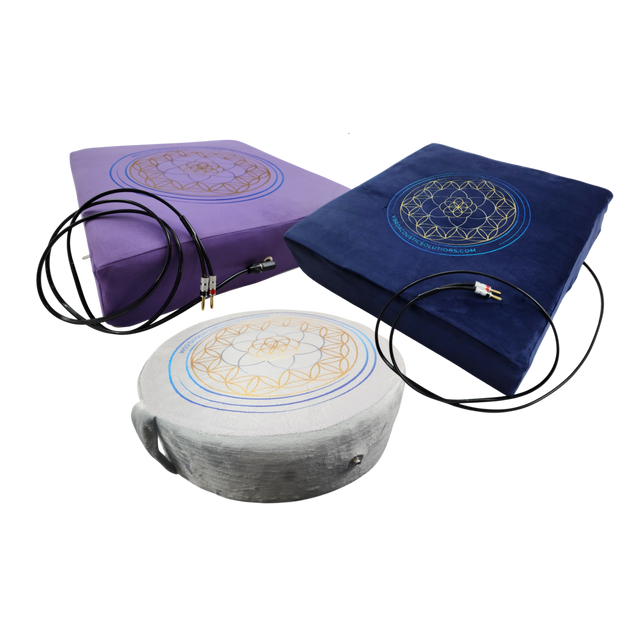
Terapia wibroakustyczna łączy słyszalny dźwięk z fizycznymi wibracjami przekazywanymi przez łóżko, poduszkę, krzesło lub stół do zabiegów. Przetwornik zamienia sygnał audio w ruch mechaniczny. Zamiast tylko słyszeć niski ton, klient odczuwa jego rytmiczną energię poprzez szerokie obszary kontaktu, takie jak plecy, biodra, nogi czy klatka piersiowa.
Ten fizyczny element ma znaczenie. Niskie częstotliwości, powszechnie stosowane w zakresach od około 30 do 80 Hz, skutecznie rozchodzą się w ciele, tworząc delikatne pulsowanie lub odczucie przypominające mikromasaż. Przy odpowiedniej intensywności może to dać klientowi konkretny punkt oparcia dla interocepcji: umiejętności zauważania wewnętrznych doznań, takich jak oddech, napięcie, ciepło, nacisk i wyciszenie.
W pokoju sensorycznym celem nie jest przytłoczenie ciała stymulacją. Chodzi o stworzenie przewidywalnego sygnału, który jest łatwy do zlokalizowania i modyfikacji. Klient, dla którego słowne instrukcje relaksacyjne są rozpraszające, może dobrze zareagować na stały ton dotykowy o częstotliwości 40 Hz lub 60 Hz. Inny może woleć sesję o wolniejszym tempie, opartą na łagodnych treściach muzycznych ze wsparciem niskich częstotliwości. Kluczem jest indywidualna reakcja.
Badania nad interwencjami wibroakustycznymi analizowały m.in. odczuwanie relaksu, doznania bólowe, nastrój i fizjologiczne wyciszenie. Badania różnią się protokołem, doborem częstotliwości, długością sesji i populacją uczestników, dlatego praktyk powinien traktować częstotliwość jako zmienną kliniczną, a nie uniwersalną receptę. Użyteczne pytanie nie brzmi: „Jaka jest najlepsza częstotliwość?”, lecz: „Jaki bodziec pomoże tej osobie poczuć się bezpieczniej, bardziej obecniej i być bardziej zdolną do uczestnictwa dzisiaj?”.
Studium przypadku pokoju sensorycznego: nowe ustawienie
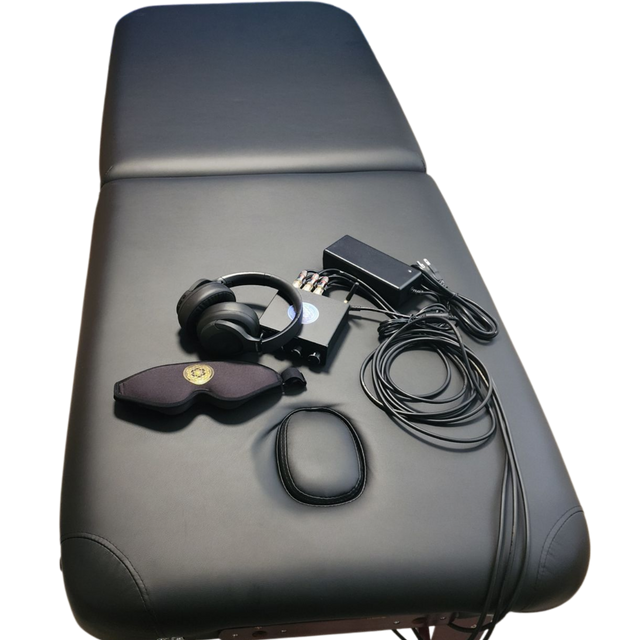
Praktyk zainstalował wibroakustyczny zestaw nakładkowy do stołu do masażu pod istniejącym stołem zabiegowym, zamiast wymieniać główny element wyposażenia pokoju. Pozwoliło to skoncentrować inwestycję i zachować znajomą powierzchnię dla powracających klientów. System połączono z dedykowanym źródłem dźwięku, prostą regulacją głośności i małym zestawem starannie przetestowanych ścieżek sesyjnych.
Zmieniony pokój zorganizowano w trzech fazach: przybycie, zabieg i powrót. Oświetlenie było redukowane przed wejściem klienta, bez domyślnie włączonych efektów świetlnych czy zmieniających kolory wyświetlaczy. Praktyk usunął również kilka przedmiotów dekoracyjnych, które tworzyły zbędny wizualny chaos. Celem nie było uczynienie pokoju surowym, lecz sprawienie, by hierarchia sensoryczna była przejrzysta.
Podczas przybycia klientowi oferowano zwięzły wybór: sesję w ciszy, sesję z minimalną ilością rozmów lub sesję obejmującą prowadzone sprawdzenie samopoczucia. Poinformowano go również, że wibracje można zmniejszyć, wstrzymać lub wyłączyć w dowolnym momencie. To stwierdzenie było kluczowe dla projektu. Przewidywalność i sprawczość same w sobie mogą regulować stan układu nerwowego, zwłaszcza u osób, które czuły się zmuszane do korzystania z usług wellness bez odpowiedniej zgody czy kontroli.
Przez pierwsze pięć do ośmiu minut praktyk stosował bardzo niską intensywność z delikatnym fundamentem niskich częstotliwości. Zamiast zaczynać od skomplikowanego krajobrazu dźwiękowego, wybierał proste materiały z przestrzennymi pauzami. Celem była orientacja. Klienci mogli poczuć pod sobą stół, zauważyć wibracje i zdecydować, czy te doznania są dla nich komfortowe.
Gdy klient wydawał się bardziej wyciszony, praktyk utrzymywał ten sam poziom lub dostosowywał program w oparciu o cel zabiegu. Dla klientów przychodzących z napięciem mięśniowym zakres 40 do 60 Hz często zapewniał stałe, łatwo wyczuwalne pole dotykowe. Dla klientów preferujących bardziej otulające odczucia praktyk ostrożnie eksperymentował z niższymi częstotliwościami w granicach 30 do 40 Hz. Ustawienia te nigdy nie były przedstawiane jako gwarancja. Były zaproszeniem do sprawdzenia, co preferuje ciało.
Co praktyk zaobserwował w ciągu ośmiu tygodni
Pierwszą praktyczną zmianą nie była nagła, spektakularna relaksacja, lecz szybsza orientacja. Powracający klienci zaczęli rozpoznawać sekwencję otwierającą, a wibracje stołu o niskiej częstotliwości stały się znanym sygnałem, że sesja się rozpoczęła. Zmniejszyło to potrzebę długiego werbalnego wsparcia na początku wizyt.
Drugą zmianą była lepsza komunikacja. Klienci, którzy mieli trudności z opisaniem swojego stanu wewnętrznego, często potrafili odpowiedzieć na bezpośrednie, sensoryczne pytania: „Czy te pulsowanie jest zbyt odczuwalne, za mało odczuwalne, czy może komfortowe?”. Łatwiej na to odpowiedzieć niż na pytanie: „Czy jesteś zrelaksowany?”. Dostarczyło to również praktykowi przydatnych informacji bez konieczności wyjaśniania lub analizowania przez klienta każdego doznania.
Praktyk odkrył, że najbardziej udane sesje niekoniecznie wykorzystywały najsilniejsze wibracje. Umiarkowana lub niska intensywność często wspierała bardziej niż dramatyczne ustawienia, szczególnie u klientów z dużą nadwrażliwością sensoryczną. Kilku klientów preferowało wibracje tylko podczas części początkowej i końcowej sesji. Inni wybierali je przez cały czas. Pokój zyskał, ponieważ mieścił obie preferencje, nie traktując żadnej z nich jako porażki.
Powrót do codzienności również stał się bardziej zamierzony. Zamiast gwałtownego wyłączania dźwięku i włączania pełnego oświetlenia, praktyk stopniowo obniżał natężenie wibracji przez dwie do trzech minut. Zapraszał klientów do zauważenia punktów styku swojego ciała z podłożem, spokojnego podniesienia się i wypicia wody przed omówieniem dalszych kroków. Pomogło to zachować stan wyciszenia uzyskany podczas zabiegu, zamiast zmuszać układ nerwowy do natychmiastowej zmiany tempa.
Kompromisy, które mają znaczenie w prawdziwej praktyce
System wibroakustyczny dodaje kolejną warstwę do podejmowania decyzji klinicznych. Praktyk potrzebował czasu przed i po sesjach na sprawdzenie poziomów, dezynfekcję powierzchni i upewnienie się, że kable i sterowniki nie zakłócają czystego układu pomieszczenia. Dowiedział się również, że więcej opcji audio nie oznacza lepszej opieki. Mała, spójna biblioteka była łatwiejsza do przemyślanego użycia niż dziesiątki utworów wybieranych w danej chwili.
Nie każdy klient chciał wibracji. Niektórzy uważali je za rozpraszające, podczas gdy inni woleli dźwięk z głośników bez bodźców dotykowych. Kilku potrzebowało początkowo krótszej ekspozycji. Rozwiązaniem nie było przekonywanie ich, lecz zachowanie wyboru i sprawienie, by pokój był użyteczny nawet wtedy, gdy funkcja wibroakustyczna była wyłączona.
Praktycy powinni również pozostawać w ramach swoich kompetencji, stosować jasne procesy przyjmowania i uzyskiwania zgody oraz zachęcać klientów ze specyficznymi problemami zdrowotnymi do konsultacji z odpowiednim licencjonowanym lekarzem. Terapia wibroakustyczna może być cenną metodą wspierającą w szerszym planie opieki, a nie zastępstwem dla diagnozy medycznej czy leczenia.
Praktyczna lekcja dla właścicieli klinik
Najmocniejszym rezultatem przebudowy tego pokoju sensorycznego nie była konkretna częstotliwość czy funkcja produktu, lecz stworzenie powtarzalnej ścieżki regulacji. Klient wchodził do cichszego środowiska wizualnego, otrzymywał jasny wybór, odczuwał wyważony sygnał dotykowy i miał czas na stopniowy powrót do codziennych aktywności.
Dla praktyków rozważających system od Vibroacoustic Solutions ta sekwencja jest użytecznym punktem wyjścia: zacznij od mebli i przepływu pracy, które już posiadasz, wprowadzaj wibracje o niskiej częstotliwości stopniowo i pozwól, aby informacje zwrotne od klientów kształtowały protokół. Dobrze zaprojektowany pokój sensoryczny nie wymusza stanu spokoju. Daje ciału wystarczająco dużo bezpieczeństwa, przejrzystości i wyboru sensorycznego, aby mogło samo znaleźć drogę do celu.
Najnowsze posty

Chronic Pain Relief Room Example for Home Use
Read article
Vibroacoustic Systems for Therapeutic Regulation
Read article
Tactile Audio Versus Headphones for Regulation
Read article