Gabinet zabiegowy może być pięknie urządzony, a mimo to sprawiać, że klient jest spięty w oczekiwaniu na kolejne zakłócenie. Odblaski światła jarzeniowego, chłodny stół, hałas z korytarza lub niejasny proces przyjmowania mogą sprawić, że układ nerwowy będzie raczej w stanie czujności niż wyciszenia. Tworzenie kojącego gabinetu zabiegowego zaczyna się od projektowania z myślą o fizjologii: należy ograniczyć zbędne bodźce sensoryczne, oferować przewidywalne sygnały i dawać ciału jasne znaki, że jest bezpieczne i może odpocząć.
Dla masażystów, praktyków pracy z ciałem (somatyki), terapeutów integracyjnych i użytkowników domowych celem nie jest uczynienie pomieszczenia bezgłośnym czy przesadnie wystylizowanym. Chodzi o stworzenie niezawodnej przestrzeni terapeutycznej, w której dźwięk, dotyk, temperatura i rytm wizualny wspierają regulację jeszcze zanim sesja się rozpocznie.
Zacznij od mechaniki układu nerwowego
Autonomiczny układ nerwowy nieustannie skanuje otoczenie w poszukiwaniu informacji. Nagły lub nieregularny hałas, ostre światło, nieznane zapachy i dyskomfort termiczny mogą zwiększać czujność. W przeciwieństwie do tego, stałe bodźce sensoryczne, łagodniejszy kontrast wizualny, przyjemne ciepło i przewidywalne przejścia zmniejszają ilość informacji, które mózg musi przetworzyć.
Dlatego spokojny gabinet często sprawia wrażenie "innego" jeszcze zanim praktyk wypowie słowo. Oddech klienta może zacząć zwalniać, ramiona mogą opaść, a uwaga może skierować się do wewnątrz. Nie są to kosmetyczne detale. To praktyczne warunki sprzyjające aktywności przywspółczulnej, interocepcji i bardziej otwartemu doświadczeniu zabiegowemu.
Wibracje o niskiej częstotliwości mogą dodać do tego środowiska warstwę fizyczną. Systemy terapii wibroakustycznej zazwyczaj dostarczają częstotliwości z zakresu około 20 do 120 Hz poprzez łóżko, stół lub poduszkę. Zamiast być słyszanymi tylko przez uszy, częstotliwości te są odczuwane jako rytmiczny ruch mechaniczny przenikający przez ciało. Przy komfortowym natężeniu ten bodziec dotykowy może stanowić stabilną kotwicę sensoryczną, przypominającą powolny, przewidywalny puls.
Badania nad interwencjami wibroakustycznymi analizowały wyniki dotyczące m.in. relaksacji, odczuwania bólu, napięcia mięśniowego, jakości snu i lęku. Protokoły są bardzo zróżnicowane, co ma znaczenie przy wyborze ustawień. Delikatna sesja o częstotliwości 30–40 Hz może być uziemiająca dla jednej osoby, podczas gdy szerszy program obejmujący zakres 40–80 Hz może lepiej sprawdzić się w sesji ukierunkowanej na regenerację u innej osoby. Zacznij od niskich poziomów, obserwuj i dostosowuj ustawienia zgodnie z komfortem oraz celami terapeutycznymi.
Stwórz kojący gabinet zabiegowy warstwa po warstwie
Wyregulowane środowisko buduje się warstwowo. Jeśli jeden element jest nadmiernie stymulujący, pozostałe muszą pracować ciężej. Zacznij od czynników, które klient zauważa od razu: wejście, światło, dźwięk, temperatura i powierzchnia, na której będzie odpoczywał.
Spraw, by przybycie było przewidywalne
Pierwsze sekundy nadają ton. Utrzymuj przejście od drzwi do obszaru zabiegowego otwarte i intuicyjne. Miejsce na buty, wieszak na płaszcz i wyraźnie wyznaczone miejsce na rzeczy osobiste eliminują drobne decyzje w momencie, gdy wielu klientów wciąż dociera na miejsce mentalnie.
Unikaj sytuacji, w których klient zastanawia się, gdzie usiąść, czy powinien mówić lub co wydarzy się dalej. Krótka orientacja słowna pomaga: wyjaśnij, gdzie może położyć swoje rzeczy, w jaki sposób może poprosić o zmiany i jakie odczucia może zauważyć. Dla klientów z historią traumy, przewlekłym stresem, ADHD, autyzmem lub nadwrażliwością sensoryczną przewidywalność jest znaczącą formą opieki.
Używaj światła, które pozwala odpocząć oczom
Oświetlenie górne często najszybciej sprawia, że gabinet staje się kliniczny zamiast odprężający. Gdy to możliwe, używaj lamp z regulacją natężenia, pośredniego oświetlenia ściennego lub ciepłych żarówek w zakresie 2700K–3000K. Powodują one mniejsze zmęczenie wzroku niż chłodne, niebiesko-białe światło.
Naturalne światło dzienne może być głęboko wspierające, ale zależy to od kontroli. Jasne okno wychodzące na zachód może być wspaniałe rano i niekomfortowe późnym popołudniem. Półprzezroczyste zasłony, rolety typu blackout lub regulowane żaluzje pozwalają korzystać ze światła dziennego bez zmuszania klientów do mrużenia oczu lub poczucia bycia „na widoku”.
Utrzymuj umiarkowany kontrast wizualny. Jeden lub dwa zamierzone punkty centralne, takie jak roślina, tkanina lub dzieło sztuki inspirowane naturą, mogą dać oczom łagodne miejsce do „odpoczynku”. Zagracone półki, ekspozycje produktów i mocno wzorzysty wystrój mogą być raczej pobudzające niż kojące.
Traktuj dźwięk jako część sesji
Dźwięk przenika przez drzwi, sufity, otwory wentylacyjne i podłogi. Zanim wybierzesz playlistę, posłuchaj pomieszczenia, gdy jest puste. Zwróć uwagę na cykl pracy klimatyzacji, ruch uliczny, szum lodówki, głosy z pobliskich pomieszczeń i odgłosy kroków za drzwiami.
Możesz nie być w stanie wyeliminować każdego dźwięku, ale możesz złagodzić te najbardziej zakłócające. Uszczelki w drzwiach, tkanina na ścianie, dywan, tapicerowane meble i źródło białego szumu poza gabinetem mogą zredukować nagłe zmiany dźwięku. W klinice planowanie głośniejszych aktywności z dala od gabinetów pracy z ciałem lub sesji dźwiękowych również chroni atmosferę terapeutyczną.
Muzyka powinna wspierać cel sesji, a nie rywalizować o uwagę. Powolne dźwięki instrumentalne, przestrzenne utwory ambientowe lub nagrania natury często sprawdzają się na poziomie pozwalającym na swobodną rozmowę. Jeśli używasz tonów o znaczących konotacjach kulturowych lub duchowych, takich jak 432 Hz lub częstotliwości solfeggio, wprowadź je jako zaproszenie, a nie oczekiwanie. Wiele osób uważa te tony za emocjonalnie rezonujące i głęboko wyciszające. Wybór powinien być podyktowany reakcją klienta.
Traktuj komfort fizyczny jako priorytet ponad wystrojem
Pomieszczenie nie może być kojące, jeśli ciało jest zmarznięte, niepodparte lub odsłonięte. Temperatura jest szczególnie ważna, ponieważ wiele osób marznie podczas leżenia bez ruchu. Dąż do temperatury w pomieszczeniu, która wydaje się komfortowa przed włączeniem maty grzewczej, koca i prześcieradła, a następnie oferuj warstwy, które klient może łatwo przyjąć lub odrzucić.
Powierzchnia zabiegowa powinna być stabilna i cicha. Stół, który się chwieje, skrzypi lub wymaga niewygodnego przesuwania, narusza zaufanie do środowiska. W razie potrzeby używaj poduszek (bolsterów) pod kolanami, kostkami lub klatką piersiową i sprawdź punkty nacisku przed rozpoczęciem. Najdrobniejsza korekta może zdecydować o tym, czy osoba się rozluźni, czy nadal będzie spięta.
Dobieraj tkaniny ze względu na ich właściwości sensoryczne, a nie tylko wygląd. Miękka bawełna, prany len i koce o niskim tarciu często wydają się bardziej przyjazne niż sztywne lub intensywnie perfumowane materiały. Zapachy wymagają szczególnej ostrożności. Olejki eteryczne mogą być znaczące i kojące dla niektórych klientów, ale u innych mogą wywoływać bóle głowy, nudności, alergie lub przeciążenie sensoryczne. Niech zapach będzie opcjonalny, a bazowy stan powietrza w gabinecie – neutralny.
Dodaj wsparcie wibroakustyczne z intencją
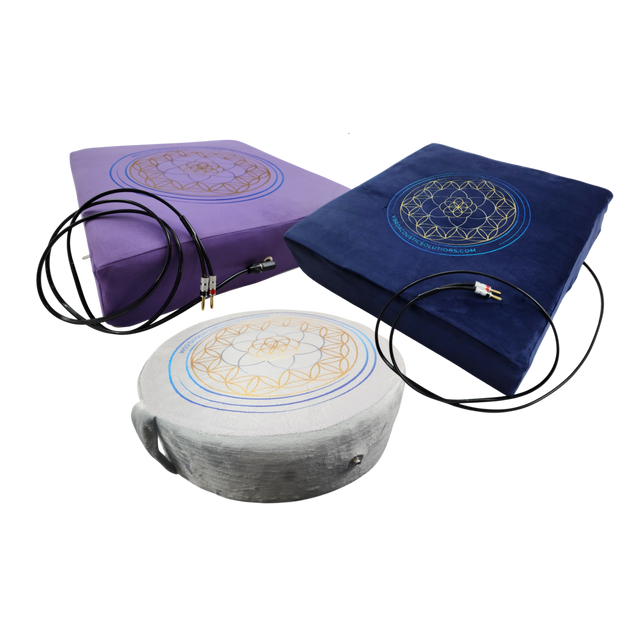
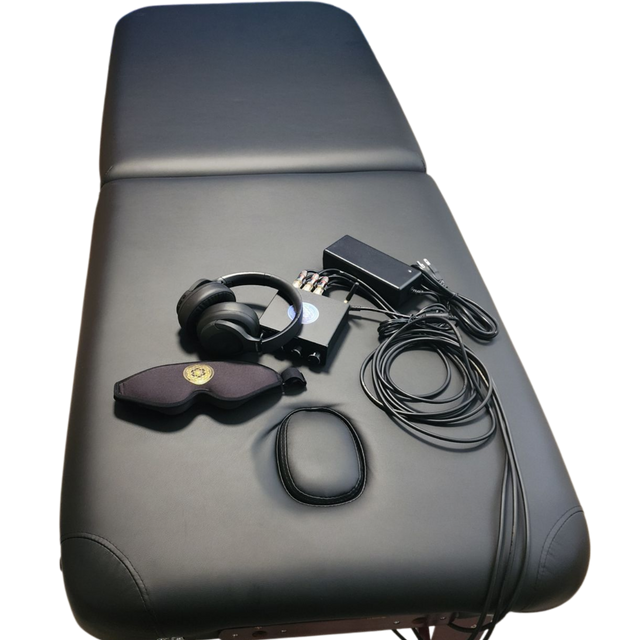
Terapia wibroakustyczna jest najskuteczniejsza, gdy jest zintegrowana z gabinetem, a nie traktowana jako dramatyczny dodatek. Łóżko wibroakustyczne, poduszka lub przystawka do stołu do masażu powinny wspierać pozycję klienta, zapewniać łatwy dostęp praktykowi i działać na poziomie, który jest odczuwalny bez bycia przytłaczającym.
Mechanizm jest prosty: przetworniki przekształcają sygnał audio w wibracje o niskiej częstotliwości, które przemieszczają się przez powierzchnię zabiegową do ciała. Tworzy to formę dotykowej stymulacji słuchowej. Ponieważ ciało odbiera rytm poprzez kontakt, klienci mogą odbierać sesję jako doświadczenie całego ciała, a nie tylko słuchanie dźwięków z mocnym basem.
W sesjach wyciszających zacznij od mniejszej głośności i węższego zakresu częstotliwości. Częstotliwości w okolicach 30–60 Hz są powszechnie stosowane dla powolnego, uziemiającego odczucia, podczas gdy sesje obejmujące częstotliwości do 80 lub 100 Hz mogą oferować bardziej zróżnicowane wrażenia. Nie ma jednego idealnego ustawienia. Budowa ciała, preferencje sensoryczne, cele zabiegu, rozmieszczenie głośników oraz rodzaj używanego mebla wpływają na to, jak postrzegane są wibracje.
Proś o informacje zwrotne na wczesnym etapie, nie tylko na końcu. Przydatne pytania obejmują to, czy wibracje są komfortowe czy rozpraszające, czy jakikolwiek obszar wydaje się zbyt intensywny i czy klient chce więcej lub mniej dźwięku. Klient, który mówi, że "nie wie", może skorzystać z dwóch krótkich opcji: zmniejsz nieco intensywność, a następnie wróć do poprzedniego ustawienia, aby mógł porównać.
W istniejących gabinetach zestaw do konwersji może być praktycznym sposobem na wprowadzenie klinicznego wsparcia wibroakustycznego do znanego stołu zabiegowego. Vibroacoustic Solutions projektuje opcje dla praktyków, którzy chcą zachować swój dotychczasowy przepływ pracy, dodając jednocześnie bardziej immersyjny komponent somatyczny.
Buduj wybór w każdej sesji
Spokój nie powstaje poprzez kontrolowanie każdej zmiennej dla kogoś. Powstaje poprzez oferowanie wystarczającej struktury, aby klient mógł bezpiecznie uczestniczyć. Pozwól klientom wiedzieć, że mogą w każdej chwili zmienić koc, oświetlenie, muzykę, matę grzewczą, podparcie, intensywność wibracji lub zakres rozmowy.
Ma to szczególne znaczenie w opiece uwzględniającej traumę. Jednego dnia osoba może cieszyć się delikatną wibracją, a innego dnia może uznać ją za zbyt intensywną. Może woleć ciszę po męczącym dojeździe do pracy lub poprosić o znajomą muzykę, aby się wyciszyć. Elastyczność nie jest brakiem protokołu. To praktyka responsywna.
Rozważ stworzenie dwóch lub trzech ustawień gabinetu zamiast jednej sztywnej atmosfery. Ustawienie "cichego resetu" może wykorzystywać przygaszone światło, neutralne tekstylia, minimalną muzykę i delikatne wibracje 30–40 Hz. Ustawienie "regeneracyjne" może obejmować więcej ciepła, dodatkowe podparcie i stopniowy program obejmujący zakres 40–80 Hz. Ustawienie dla osób wrażliwych sensorycznie może opierać się na braku zapachu, ograniczonym wizualnym chaosie i jasnym wyjaśnieniu z wyprzedzeniem każdego dźwięku i dotyku.
Utrzymuj gabinet w stanie wyregulowania między klientami
Przestrzeń również potrzebuje resetu. Przewietrz pomieszczenie, wymień pościel, przywróć sprzęt do jego zwykłego ustawienia oraz ustabilizuj oświetlenie i temperaturę przed przyjściem kolejnej osoby. Unikaj używania gabinetu jako magazynu na pudełka, dokumenty lub przedmioty osobiste. Wizualny nieporządek sygnalizuje niedokończone zadania, nawet jeśli klient nie potrafi nazwać powodu, dla którego pokój wydaje się mniej wypoczynkowy.
Kojący gabinet zabiegowy nie musi być drogi, bezgłośny ani perfekcyjnie wystylizowany. Musi komunikować spójność poprzez zmysły. Kiedy środowisko jest ciepłe, przejrzyste i responsywne, klienci mają więcej przestrzeni, aby zauważyć swój oddech, swoje ciało i potencjał regeneracyjny, który jest już dostępny w ramach sesji.
Najnowsze posty

Chronic Pain Relief Room Example for Home Use
Read article
Vibroacoustic Systems for Therapeutic Regulation
Read article
Tactile Audio Versus Headphones for Regulation
Read article