If you have ever felt your whole body relax when low music moved through a chair, table, or floor, you have already felt the basic principle behind vibroacoustic therapy for beginners. The difference is that vibroacoustic therapy is not just pleasant sound. It is a structured, frequency-based method that uses audible sound vibrations delivered through the body to support nervous system regulation, pain relief, relaxation, and recovery.
For many people, the first question is simple: is this a wellness trend, or is it a legitimate therapeutic tool? The short answer is that it can be both accessible and clinically serious. Vibroacoustic therapy sits at the intersection of sound, somatic care, and physical recovery. When designed well, it is a non-invasive technology that uses low-frequency sound to create gentle mechanical stimulation in the body while paired music or soundscapes support emotional settling and sensory regulation.
What vibroacoustic therapy is
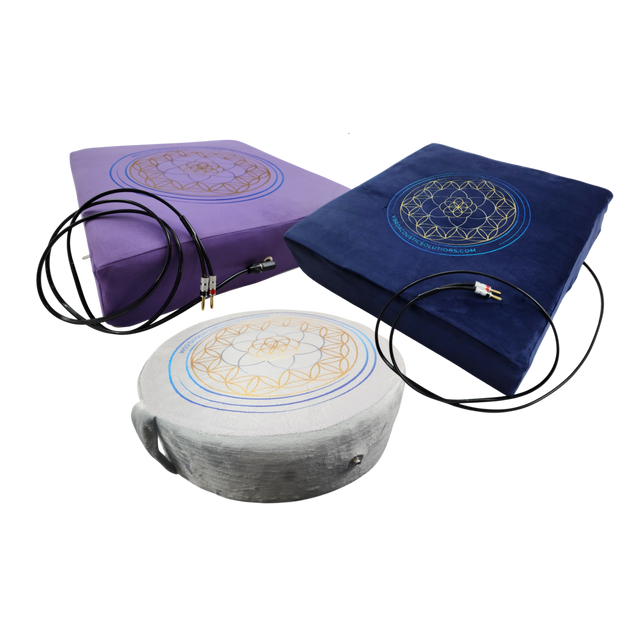
Vibroacoustic therapy uses transducers or speakers built into a bed, mat, chair, cushion, or treatment table to send low-frequency sound waves through the body. Those frequencies are usually felt more than heard. Instead of only listening with the ears, the body receives vibration through muscles, connective tissue, and the nervous system.
This matters because the body does not respond to sound only as entertainment. It also responds as sensation. Low-frequency stimulation can feel like a pulsing, humming, or soft internal massage. In a therapeutic setting, that sensation may help reduce guarding, downshift stress physiology, and support a state of regulation that is often difficult to reach through willpower alone.
People sometimes confuse vibroacoustic therapy with a standard massage chair or a speaker playing bass-heavy music. The experience can overlap, but the intent is different. Clinical-grade systems are designed to deliver specific frequencies with consistency and enough physical contact to transmit vibration effectively through the body.
Vibroacoustic therapy for beginners: how it feels
Most beginners expect something intense. In practice, a well-calibrated session usually feels subtle, steady, and surprisingly grounding. You may notice vibration under your back, legs, or torso depending on the setup. Some people feel immediate release in the shoulders, jaw, or hips. Others notice slower changes, like deeper breathing, reduced mental chatter, or a sense that the body is finally safe enough to let go.
The experience depends on the frequency used, the duration of the session, body position, and your current level of stress or sensitivity. A person with chronic pain may need a gentler introduction than an athlete using vibroacoustic support for recovery. Someone with sensory dysregulation may respond best to lower intensity and shorter sessions at first.
That is one reason this modality has gained interest across both home wellness and professional practice. It is adaptable. The same core technology can be calming, restorative, or more targeted depending on how it is applied.
Why beginners are drawn to it
Many first-time users are not looking for another wellness novelty. They are looking for relief that feels tangible. Stress, poor sleep, chronic tension, burnout, trauma-related muscle holding, and sensory overload often create patterns that are hard to interrupt cognitively. You can understand that you need to relax and still feel unable to do it.
Vibroacoustic therapy offers a bottom-up approach. Instead of asking the mind to convince the body to settle, it gives the body a direct sensory input that may encourage regulation. That distinction is especially relevant for people interested in somatic healing, trauma-informed care, or nervous system support.
There is also a practical reason for the growing interest. Access is broader than it used to be. You no longer need a specialized medical facility to explore the modality. Home systems, cushions, table attachments, and conversion kits have made it possible for both individuals and practitioners to integrate vibroacoustic sessions into real-world routines.
What the research suggests
The evidence base around vibroacoustic therapy is still developing, but it is not empty. Research and clinical use have explored its effects in areas such as pain, muscle tone, stress reduction, relaxation, sleep support, neurological rehabilitation, and sensory regulation. Some studies suggest benefit for reducing pain intensity, improving relaxation, and supporting quality of life in certain populations.
That said, beginners should hold a balanced view. Vibroacoustic therapy is not a cure-all, and results vary. It may be most useful as part of a broader care plan rather than as a stand-alone answer for every symptom. The strongest outcomes often come when the technology is matched well to the person, the condition, and the treatment goal.
For practitioners, that means clinical reasoning still matters. For home users, it means expectations should be realistic. A session may help the body shift state, but ongoing patterns of pain, insomnia, or dysregulation often need consistent support over time.
Who may benefit most
Some of the most common beginner use cases are stress, sleep disruption, chronic pain, post-workout recovery, and general nervous system overload. People who feel "stuck on" often respond well to a modality that is physically soothing without requiring effort.
Vibroacoustic therapy can also be relevant in sensory-focused settings. Certain individuals with autism, ADHD, or trauma-related hyperarousal may find rhythmic low-frequency stimulation organizing and calming when it is introduced carefully. The phrase "when introduced carefully" matters here. Sensory systems vary widely, and what is regulating for one person may be too activating for another.
This is why screening, personalization, and gradual exposure are part of good practice. Therapeutic technology should feel supportive, not overwhelming.
How to start vibroacoustic therapy safely
For beginners, less is usually more. Start with shorter sessions, moderate volume, and frequencies designed for relaxation rather than stimulation. A 10 to 20 minute session is often enough for a first experience. Pay attention to how your body responds during the session and in the few hours after.
You do not need to chase intensity. Stronger vibration is not automatically more therapeutic. In fact, too much intensity can make it harder for the nervous system to settle. Good vibroacoustic delivery should feel clear, comfortable, and stable.
If you are working with clients, begin with informed consent and simple observation. Ask what they notice in breathing, muscle tension, mood, and comfort level. This is especially important for people with chronic pain, trauma histories, concussion history, or sensory sensitivity.
Certain situations call for extra caution. If someone is pregnant, has an implanted electronic device, an unstable medical condition, acute injury, or a condition where vibration may be contraindicated, they should consult an appropriate medical professional before use. A reassuring introduction should still be a safe one.
Choosing the right setup
One reason beginners get stuck is that they assume there is only one way to experience vibroacoustic therapy. In reality, the best system depends on your setting and goals.
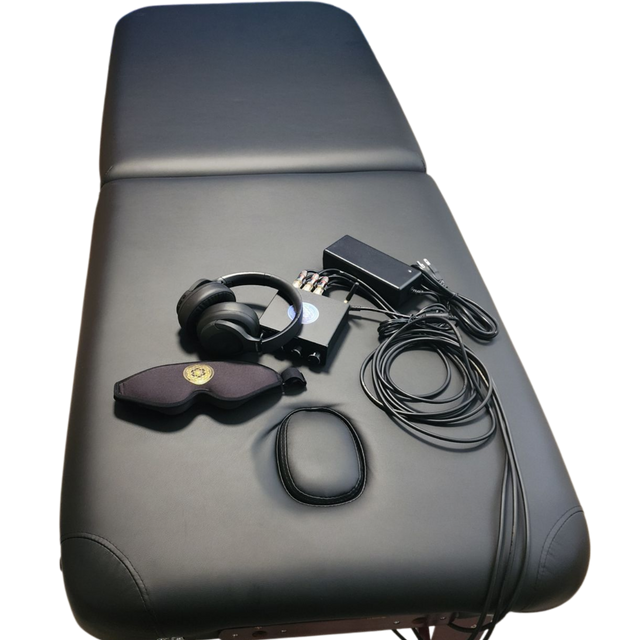
A home user focused on sleep and relaxation may do well with a cushion, mat, or bed-based system that is easy to use consistently. A massage therapist may prefer an attachment kit that converts an existing table into a vibroacoustic surface without changing the whole room setup. A clinic owner may need a more durable, clinical-grade platform that supports a wider range of client needs and treatment protocols.
The key variables are contact quality, frequency accuracy, ease of use, and whether the system supports repeatable sessions. Fancy features matter less than reliable therapeutic delivery. That is one reason brands like Vibroacoustic Solutions focus on practical systems that preserve the science-based value of the modality while making it more accessible.
What a beginner session can look like
A strong first session is usually simple. You lie or sit comfortably on the device, start a low-frequency program paired with appropriate audio, and allow the body to receive the vibration without trying to force an outcome. The environment should feel quiet, safe, and warm enough for muscles to release.
Over the first few sessions, notice patterns rather than chasing a dramatic result. Do you fall asleep more easily that night? Does your jaw feel less tight? Do you feel more regulated after work or after seeing clients all day? Small shifts are often the first sign that the body is responding.
For professionals, vibroacoustic therapy can be integrated before bodywork to reduce guarding, during a relaxation segment to deepen regulation, or after treatment to support integration. It is flexible, but the best use is intentional use.
Vibroacoustic therapy for beginners is about consistency
The biggest mistake beginners make is treating one session like a final test. Somatic regulation usually builds through repetition. Just as one good night of sleep does not erase months of tension, one vibroacoustic session may not resolve a long-standing pattern. What it can do is create a repeatable doorway into a different physiological state.
That is often where real value begins. When the body learns, through direct sensory experience, that it can soften, breathe, and downshift, change becomes more reachable. Start gently, stay curious, and let the technology support what your nervous system has likely been asking for all along: a safe way to settle.
Latest posts

Somatic Sound Therapy Versus Massage: Key Differences
Read article

Massage Practice Sound Table Example That Works
Read article