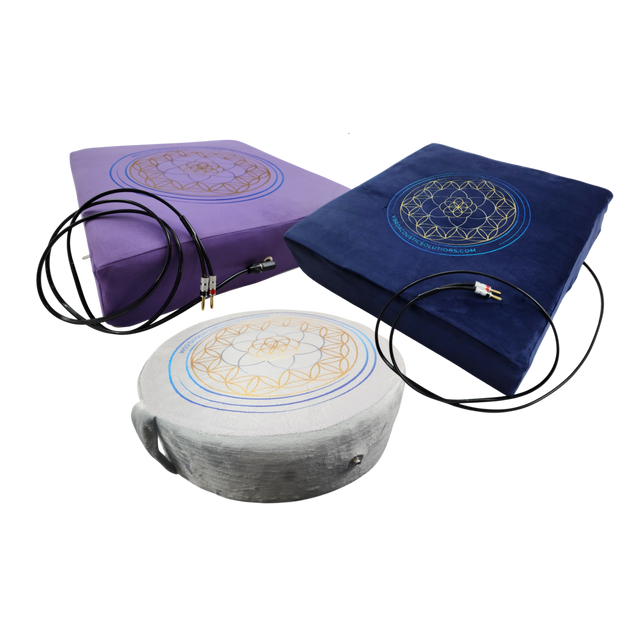
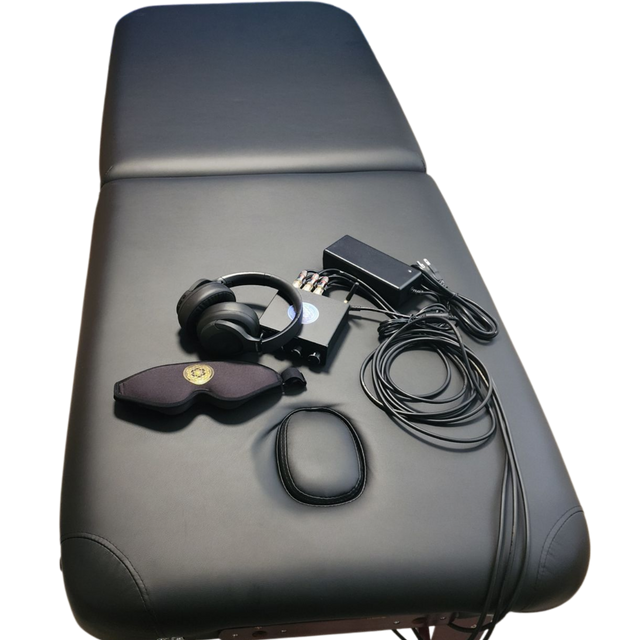
A low-frequency tone can be heard through the ears, but it can also be felt through the body. When sound is delivered through a vibroacoustic bed, cushion, or treatment table, transducers convert an audio signal into precisely controlled mechanical vibration. That physical input is what makes a sound vibration therapy guide useful: it helps you understand not only what a session may feel like, but why frequency-based vibration can support relaxation, recovery, and somatic regulation.
For some people, the experience is deeply calming within minutes. For others, it is less about immediate relaxation and more about giving the body a steady, predictable sensory signal. Used thoughtfully, vibroacoustic therapy can become a practical part of a home regulation routine or a more layered clinical-grade offering in a massage, bodywork, or integrative care setting.
A Sound Vibration Therapy Guide Starts With Physics
Vibroacoustic therapy uses low-frequency sound, commonly in the approximate 20 to 120 Hz range, delivered through a surface that contacts the body. A tactile transducer, sometimes called a bass shaker, moves in response to the audio signal. That motion travels through the mattress, cushion, or table and into the tissues resting on it.
The body receives this as mechanical stimulation. Skin, fascia, muscle, and joints contain sensory receptors that respond to pressure, movement, and vibration. Lower frequencies tend to feel broad, grounding, and rhythmic, particularly when delivered through the back, pelvis, legs, or feet. The sound may be paired with music, guided relaxation, breathwork, or therapeutic silence, but the tactile vibration remains the central feature.
This is different from simply listening to a low-bass track on headphones. Headphones primarily create an auditory experience. A vibroacoustic system creates both an auditory and body-based experience, allowing the nervous system to receive sound through more than one sensory pathway.
That distinction matters for people who hold stress as muscle guarding, restlessness, shallow breathing, or a sense of being unable to settle. A stable, non-invasive vibration can provide an organizing sensory input while the person remains fully clothed, supported, and in control of the session.
How Frequency Can Shape the Experience
Frequency is measured in Hertz, or Hz, meaning cycles per second. There is no single “best” frequency for every goal because response depends on the person, the contact area, the sound design, volume, session length, and even the time of day.
Very low frequencies near 20 to 40 Hz are often felt more than heard. They can create a slow, enveloping sensation that many people associate with grounding, deep rest, and body awareness. Frequencies around 40 Hz are especially interesting in neurotechnology research because rhythmic 40 Hz stimulation has been explored for its relationship to brain activity, sensory processing, and attention. In a vibroacoustic setting, 40 Hz may feel focused and steady, although the actual effect depends on intensity and the complete session design.
The 50 to 80 Hz range often produces a more pronounced muscular and tactile sensation, especially through larger body areas. Practitioners may use this range for relaxation-oriented bodywork, recovery sessions, or clients who benefit from clear sensory feedback. Frequencies from roughly 80 to 120 Hz can feel more localized and energizing, particularly on cushions and table attachments with direct contact points.
Research into vibroacoustic therapy has examined applications including pain management, stress reduction, relaxation, motor support, and quality of life. Across clinical reports and smaller trials, protocols vary widely, which is meaningful in itself: frequency is only one variable. The person’s comfort, the quality of contact with the surface, and a consistent treatment plan can matter as much as the number displayed on a sound file.
Music also changes the experience. Slow music with sustained tones can encourage a quieter session, while a rhythmic track may feel more activating or supportive of movement. Many people are drawn to 432 Hz music, Solfeggio tones, binaural approaches, and nature-based soundscapes because of their cultural meaning, emotional resonance, and the sense of ritual they bring to rest. When these sounds are paired with tactile vibration, they can create an especially immersive environment for personal reflection and nervous system care.
Using Sound Vibration Therapy at Home
Start with comfort, not intensity. Position the body so the spine, hips, and legs are supported, then begin at a low volume or amplitude. The goal is to feel a clear but pleasant vibration, never a jarring one. A 15- to 20-minute session is a sensible starting point for most home users.
Choose one intention for the session. For evening regulation, use a low, slow soundscape and allow the vibration to fade into the background. For post-exercise recovery, select a steady program that feels substantial but comfortable through the larger muscle groups. For midday stress, a shorter 10-minute session may be enough to interrupt accumulated tension before it becomes exhaustion.
Breathing can help the body use the sensory input more effectively. There is no need to force a complex technique. Simply let the exhale become slightly longer than the inhale, or place one hand on the chest and one on the abdomen while noticing where the vibration is strongest. This links external rhythm with interoception, the ability to perceive internal body signals.
Consistency is more useful than chasing intensity. Three 20-minute sessions per week may provide a clearer picture of your response than one long session every few weeks. Keep a short note after each session: how settled you felt before, what frequency range or music you used, and how you felt an hour later. Over time, patterns often emerge around sleep, muscle tension, focus, and emotional regulation.
For sensory-sensitive users, including some people with ADHD, autism, trauma-related hypervigilance, or chronic stress, choice is essential. Begin with shorter exposure, lower amplitude, and an easy way to stop the session. Some people prefer vibration under the back or legs; others find a cushion beneath the feet or seat more approachable than full-body contact.
Choosing the Right Vibroacoustic Setup
The right system depends on where and how it will be used. A vibroacoustic cushion is a flexible entry point for a chair, sofa, or recliner and can be useful for focused sessions in smaller spaces. A bed offers full-body support for longer rest, sleep preparation, and immersive relaxation. Massage table attachment kits allow bodyworkers to add tactile sound to an existing treatment environment without replacing their table.
A DIY conversion kit can be an effective option for practitioners and home users who want to build around furniture they already own. The key is reliable transducer placement, a compatible amplifier, and a surface that transfers vibration evenly rather than rattling or creating pressure points.
For professional settings, consider workflow as carefully as sound quality. The system should be simple to clean, easy to operate between clients, and quiet enough in the room that the session still feels private. A treatment protocol that requires too many technical adjustments can distract from therapeutic presence.
A Practitioner Approach to Session Design
Vibroacoustic therapy works best as an intentional layer of care rather than background entertainment. Before beginning, ask the client what kind of sensory experience feels supportive: gentle and barely noticeable, rhythmic and grounding, or more immersive. Also ask where they tend to carry tension and whether they are seeking rest, recovery, or help transitioning out of a high-alert state.
A simple 30-minute session can include five minutes of settling on the table, 15 to 20 minutes of vibration paired with music or guided body awareness, and several quiet minutes afterward. That integration time is valuable. It gives the client a chance to notice changes in breath, muscle tone, temperature, emotional state, or body awareness before getting up.
For massage therapists and somatic practitioners, vibration can be used before hands-on work to help a client arrive in the body, or after treatment to support rest and integration. For clinics, it may be offered as a standalone relaxation service or incorporated into a broader recovery plan. Documenting frequency range, duration, client comfort, and response helps create a more consistent, individualized practice.
Safety and Appropriate Use
Vibroacoustic therapy should feel safe, comfortable, and voluntary. Avoid settings that cause pain, dizziness, numbness, agitation, or discomfort. Reduce the intensity or stop the session if the vibration feels overwhelming.
People with implanted electronic devices, acute injuries, recent surgery, pregnancy-related concerns, blood-clotting conditions, seizure conditions, or complex medical needs should speak with a qualified healthcare professional before using a vibroacoustic system. Practitioners should also use their scope of practice and follow facility policies when incorporating any therapeutic technology.
Vibroacoustic therapy is not a replacement for medical evaluation or treatment. Its role is supportive: offering a carefully controlled sensory environment that may help people feel more settled, more present in their bodies, and better prepared for rest or recovery.
The most effective session is often the one you will actually return to. Start gently, listen closely to the body’s response, and let sound become a reliable part of the space you create for regulation.
Najnowsze posty

Vibration Therapy Versus Massage for Recovery
Read article

How to Select Therapeutic Cushions That Fit
Read article