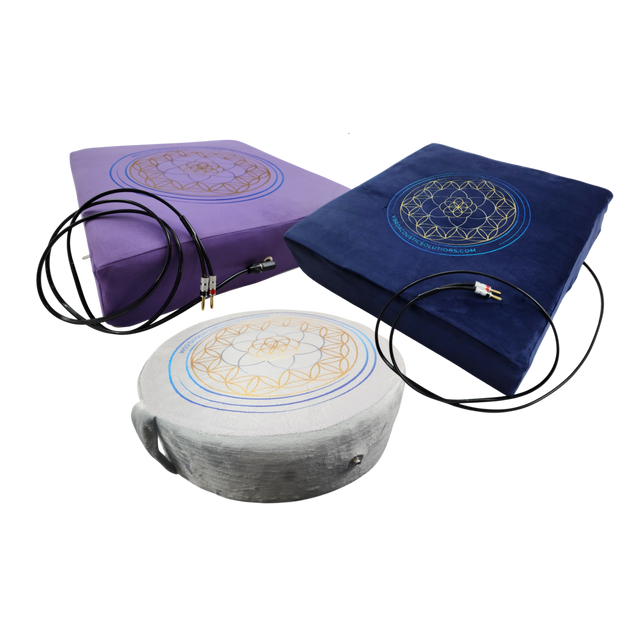
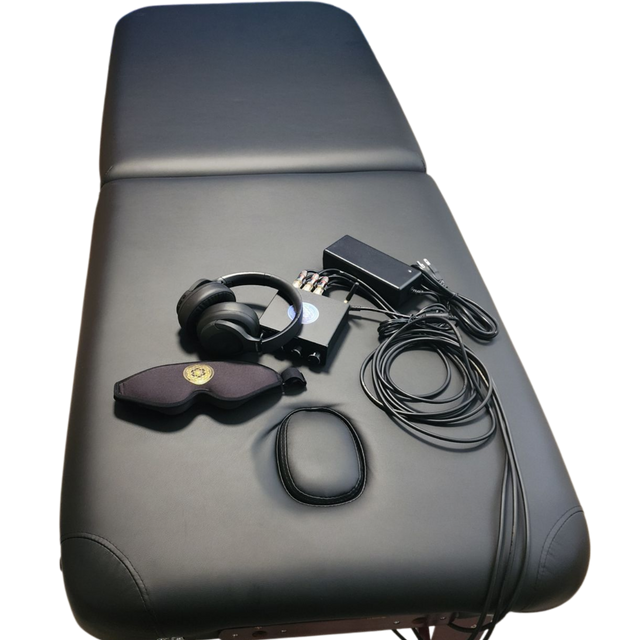
A treatment table that already feels familiar to a client can become a powerful point of regulation. That is the practical question behind a DIY conversion kit vs ready-made vibroacoustic system: should you transform furniture you already trust, or choose a purpose-built system designed as one therapeutic unit? The better choice depends less on which option is objectively “best” and more on how you will deliver low-frequency sound, how often the system will be used, and what safety, comfort, and workflow require.
Start with the Mechanism, Not the Furniture
Vibroacoustic therapy delivers low-frequency sound through tactile transducers, commonly called bass shakers, mounted beneath or within a supportive surface. Rather than primarily being heard through the ears, frequencies are felt as rhythmic vibration through the body. A properly matched amplifier and audio source send a signal to the transducers, which convert that electrical signal into mechanical movement.
The body receives this input through skin, muscle, connective tissue, and the pressure points meeting the bed, chair, or table. Frequencies from roughly 20 to 120 Hz are commonly used in vibroacoustic applications because they are easy to feel through a treatment surface. Lower ranges around 20 to 40 Hz can produce slow, spacious pulses, while the 40 to 80 Hz range often feels more defined and muscular. Frequencies between 80 and 120 Hz can feel more activating or finely textured, depending on intensity, music, body position, and the listener’s sensory preferences.
This matters because a vibroacoustic system is not simply a speaker under a mattress. The surface distributes vibration, the padding filters it, the body perceives it, and the nervous system responds to the overall sensory environment. Gentle, predictable low-frequency input can support relaxation, body awareness, and a felt sense of settling. For many people, that tactile layer makes calming music, guided breathing, or therapeutic sound programs more immersive.
Research on vibroacoustic therapy has explored its use in relaxation, pain support, muscle tone, and stress-related symptoms. Published protocols frequently use low-frequency stimulation in the 30 to 120 Hz range, often paired with music or therapeutic listening. The clinical experience is highly individual, which is why adjustability, stable hardware, and a comfortable setup matter as much as the frequency track itself.
What a DIY Conversion Kit Does Well
A DIY conversion kit is built for people who already own a suitable surface: a massage table, treatment table, recliner, platform bed, or sturdy daybed. The kit typically includes tactile transducers and the core components needed to add vibration to that furniture. It turns existing equipment into a sound-based therapeutic system without requiring you to replace the entire structure.
For a massage therapist, this can be especially practical. You may have spent years selecting a table with the right height, width, cushioning, face cradle, and weight capacity. A conversion kit allows you to preserve that trusted clinical setup while adding another therapeutic dimension. Home users can make a similar choice when they have a preferred bed or relaxation surface and want a more accessible entry point into vibroacoustic therapy.
The chief advantage is flexibility. You can select the furniture footprint, upholstery, positioning, and room design that fit your space. A kit can also be easier to move, especially for practitioners who work in more than one location or who need to adapt an existing office rather than redesign it around a large new piece of equipment.
It can be the more cost-conscious path as well. You are investing in the therapeutic hardware rather than paying again for a frame, padding, and surface you already own. For a new practitioner testing how vibroacoustic sessions fit into their care model, that lower initial commitment can be meaningful.
The Conditions for a Successful Conversion
A conversion works best when the underlying furniture is structurally sound. A rigid, stable base allows the transducers to transfer vibration more effectively than a loose frame, heavily sprung surface, or damaged table. The attachment points must be secure, and wiring should be organized so it cannot be snagged during a session or interfere with table adjustment.
Padding changes the feel, too. Thick memory foam may create a softer, more diffuse sensation, while a firmer treatment table can transmit tactile frequencies with more clarity. Neither is automatically preferable. A client who is highly sensitive to vibration may prefer a gentler, buffered experience, while another person may appreciate more direct sensory feedback.
Installation also requires a willingness to work carefully. You will need to place hardware correctly, connect the amplifier according to its specifications, manage cables, and test the system at low volume before using it with clients. If terms such as impedance, speaker wire, amplifier channels, or mounting hardware feel unfamiliar, factor that learning curve into the decision.
When a Ready-Made System Is the Better Fit
A ready-made vibroacoustic bed or treatment surface is designed around the complete vibration pathway. The frame, transducer placement, support materials, audio components, and user experience are considered together. That integration can create a more consistent session from one person to the next.
For clinics, that consistency is often the deciding factor. A dedicated system helps create a clear therapeutic environment: clients know where to lie down, practitioners know how the equipment will behave, and staff can follow a repeatable setup process. It can also look and feel more intentional in a professional setting, particularly when vibroacoustic therapy is a central part of the practice rather than an occasional add-on.
Ready-made systems also reduce the number of decisions you must make. There is no need to evaluate whether your existing table will transmit frequencies well, whether the hardware placement is optimal, or whether separate components will work together. The system arrives as a designed therapeutic tool rather than a project with variables.
That simplicity can be valuable for home users managing fatigue, chronic tension, sensory overload, or sleep disruption. When your goal is to create a reliable regulation practice, less setup can mean more actual use. A purpose-built bed or cushion may make it easier to begin a 20- to 30-minute session with calming low-frequency audio, breathing, and stillness instead of troubleshooting equipment.
What You Give Up with Ready-Made Equipment
The trade-off is usually cost, footprint, and less customization of the base surface. A ready-made system may require more room than a kit added to furniture you already own. It may also be harder to transport or adapt if you change offices frequently.
There is also a personal dimension. Some practitioners have a deep relationship with their treatment table and do not want to replace it. If your current table supports excellent hands-on work and client comfort, a conversion kit may preserve the qualities that already make your practice feel safe and familiar.
DIY Conversion Kit vs Ready-Made for Different Settings
For a home wellness space, start with the question of permanence. If you have a quiet room and want a dedicated recovery or relaxation station, a ready-made bed may offer the most cohesive experience. If space is limited and your preferred relaxation surface already serves multiple purposes, a conversion kit can make more sense.
For massage therapists and bodyworkers, the existing table often carries the decision. A high-quality, stable massage table that is used daily can be an excellent candidate for conversion. It allows vibroacoustic sessions to be integrated with massage, assisted stretching, breathwork, or somatic practices without changing the room layout or touch-based workflow.
For a multi-provider clinic, ready-made equipment may be easier to standardize. When several practitioners share rooms, consistent controls and a dedicated setup reduce training time and help protect the client experience. The system should still be introduced thoughtfully, with clear intake questions about sensory comfort, positioning, volume, and intensity.
For sound therapy professionals, either path can work. If your practice uses carefully curated frequencies, ambient music, binaural-style listening through headphones, or live instruments, a conversion kit offers room to build a highly personal setup. If you want the tactile component to be dependable across every session, a purpose-built unit provides a more controlled foundation.
Choose Based on Your Capacity to Use It Well
The most therapeutic system is usually the one you can use consistently, comfortably, and with confidence. Do not choose a DIY kit merely because it costs less if installation will remain unfinished for six months. Do not choose a larger ready-made system merely because it appears more clinical if it will dominate a room you need to keep flexible.
Before deciding, measure the intended space and examine the furniture you already own. Consider the client or family member who will use the system most often. Do they prefer firm support or deep cushioning? Are they seeking a quiet sensory refuge, more embodied awareness during bodywork, or a structured recovery ritual? These answers will clarify whether adaptability or integration should lead the purchase.
Vibroacoustic Solutions designs both pathways because accessibility does not have one shape. A carefully installed conversion kit can bring clinical-grade tactile sound to a table you already love. A ready-made system can offer a composed, dedicated environment from the first session.
Whichever route you choose, begin gently. Let the body learn the sensation at a comfortable level, use predictable sessions, and pay attention to what creates a greater sense of ease, grounding, and safety. That attentive relationship with sound and vibration is where the technology becomes a meaningful part of care.
Latest posts