A crowded grocery aisle, a back-to-back clinic schedule, or a difficult conversation can leave the nervous system carrying more input than it can comfortably organize. The top sensory regulation tools for adults are not about eliminating sensation. They provide predictable, intentional sensory input that can help the body shift from overload, agitation, numbness, or fatigue toward a more settled state.
For some people, regulation means softening muscle guarding after a demanding day. For others, it means having enough alertness to finish a task without reaching for another cup of coffee. The right tool depends on the sensory pattern in front of you: whether your system is seeking pressure, movement, rhythm, quiet, temperature change, or tactile engagement.
How sensory regulation tools work
Sensory tools work through the nervous system's ongoing interpretation of incoming signals. Pressure on the skin, vibration through tissue, resistance in muscles, visual contrast, sound, and movement all travel through sensory receptors to the brain and spinal cord. When that input is steady and within a person's comfortable range, it can give the nervous system clearer information about the body and its surroundings.
This is why predictable input often feels different from an unexpected noise, a flickering light, or someone brushing past you in a crowded room. The input itself is not automatically calming or stimulating. Its intensity, duration, rhythm, and personal meaning matter. A weighted blanket may feel grounding to one person and restrictive to another. A 40 Hz vibration may feel pleasantly organizing during a rest period but too activating when someone already feels highly sensitive.
The most useful approach is to treat regulation as an experiment in noticing. Before using a tool, identify your starting state. Are your shoulders braced? Is your attention scattered? Do you feel shut down, restless, or unable to sleep? Then notice what changes after five to 20 minutes of intentional sensory support.
Top sensory regulation tools for adults
1. Weighted blankets and lap pads
Deep, evenly distributed pressure gives the body substantial proprioceptive input - information from muscles, joints, and connective tissue about position and load. That steady pressure can reduce the feeling of being physically unanchored and may support a quieter transition into rest.
A blanket is best for reclining, while a lap pad is more practical at a desk, in a waiting room, or during telehealth appointments. Weight is not a contest. Choose an option that you can remove easily and that allows comfortable breathing and movement. Many adults prefer using a weighted tool for 10 to 30 minutes rather than throughout the entire night.
2. Vibroacoustic therapy systems
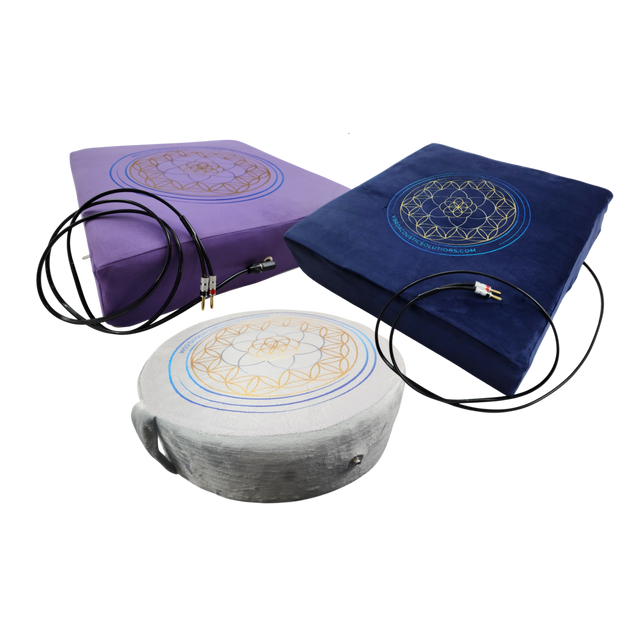
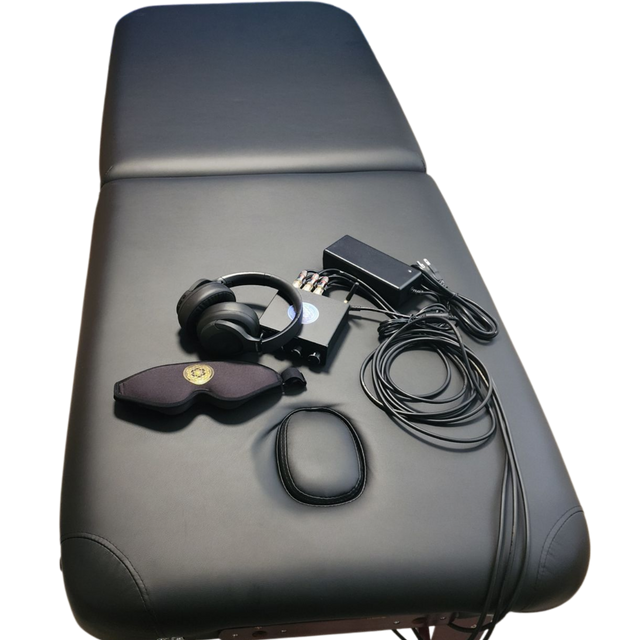
Vibroacoustic therapy pairs audible sound with low-frequency vibration delivered through a bed, cushion, chair, or treatment table. Instead of hearing bass from across the room, the body receives a tactile waveform through contact with the surface. In many therapeutic programs, frequencies between roughly 20 and 120 Hz are used because they can be felt clearly through the body.
The mechanism begins with mechanoreceptors in the skin and deeper tissues responding to rhythmic vibration. This creates a form of structured sensory input that can be paired with slow breathing, guided body awareness, or restorative rest. Low frequencies often feel less like a sound to analyze and more like a physical pulse or gentle internal massage.
Research on vibroacoustic interventions has explored outcomes including relaxation, pain experience, muscle tension, and stress-related symptoms. Rhythmic sensory stimulation at 40 Hz has also drawn significant neuroscience interest because repeated, patterned input may influence neural timing and attention. Individual response remains central: some people prefer a gentle 30 to 40 Hz session for settling, while others enjoy a broader soundscape with frequencies moving through the 50 to 80 Hz range.
For home users, a vibroacoustic cushion can create a focused regulation space without redesigning a room. For massage therapists and somatic practitioners, a treatment-table attachment or clinical-grade bed can add tactile sound to an existing session while preserving a calm, hands-on therapeutic environment. Vibroacoustic Solutions designs systems for both settings, with options that make this type of sensory support more accessible.
3. Noise-reducing headphones and intentional sound
Auditory regulation is not always about silence. It is about choice. Noise-reducing headphones can lower the unpredictability of environmental sound, particularly in offices, airports, shared homes, and busy public spaces. That reduction in competing input can free up attention for conversation, work, or recovery.
When more input is helpful, use sound deliberately. Nature recordings, brown noise, slow instrumental music, or a familiar playlist can provide a stable auditory boundary. Keep volume moderate. If the sound becomes another demand on your system, lower it, simplify it, or take it off.
4. Tactile tools for the hands
Tactile input can be remarkably effective because it is portable and discreet. A smooth worry stone, textured ring, therapy putty, silicone fidget, or small piece of fabric gives the hands a repeated sensory task. The brain receives feedback from pressure, texture, temperature, and movement while attention is gently redirected toward the present moment.
The best tactile tool is often the one you will actually use. Someone who dislikes sticky or soft textures may prefer a cool metal ring. Someone who needs stronger resistance may benefit from firm therapy putty. Keep one in the places where dysregulation tends to appear: a work bag, car console, bedside drawer, or treatment room.
5. Resistance and heavy-work tools
Proprioceptive input often comes from effort. Carrying groceries, pushing a weighted sled, using resistance bands, gardening, wall push-ups, or taking a brisk uphill walk can give the body clear feedback through joints and muscles. This is sometimes called heavy work, although it does not need to be intense exercise.
The physical mechanism is muscular contraction and joint compression, which increase proprioceptive signaling. For adults who feel restless, disconnected, or mentally scattered, a short period of purposeful resistance can feel organizing. For those already exhausted or dealing with pain, low-intensity options such as seated band pulls or gentle isometric presses may be more appropriate.
6. Temperature and pressure rituals
A warm shower, heated neck wrap, cool washcloth, warm beverage held in both hands, or a firm self-massage with lotion can become a practical sensory ritual. Temperature receptors and pressure receptors provide immediate, easy-to-notice feedback, while the ritual itself creates a pause between one demand and the next.
Temperature tools require personal judgment. A cool stimulus may feel clarifying during an afternoon slump, while warmth may support a slower evening transition. Use comfortable temperatures and avoid prolonged direct heat or cold on areas with reduced sensation.
7. Movement tools that match your energy
Movement changes sensory input from the vestibular system, which helps the brain track head position, balance, and motion. A rocking chair, gentle yoga flow, walking pad, stationary bike, or even a few minutes of paced walking can help shift a stuck nervous system.
The direction matters. Slow, repetitive movement often supports downshifting. Faster movement may help when you feel foggy or under-responsive. If spinning, rapid motion, or visual movement increases nausea or anxiety, choose grounded movement with both feet supported instead.
Build a regulation menu, not a rigid routine
A regulation plan works better when it includes options for different states. Create a small menu for three common moments: prevention, overload, and recovery. Prevention might be headphones during a commute and five minutes of resistance work before a meeting. Overload might be stepping into a quiet room with a lap pad and tactile tool. Recovery might be a 20-minute vibroacoustic session, gentle warmth, and reduced screen brightness.
Keep the first trial short. With a new tool, begin around five to 10 minutes and assess your response: breathing, jaw tension, heart rate awareness, muscle tone, attention, and emotional intensity. Increase duration only when the effect feels comfortable and useful. For practitioners, invite clients to describe sensation in concrete terms rather than assuming a particular frequency or tool will produce the same experience for everyone.
Choosing the right tool for your sensory pattern
If you feel overstimulated, begin with lower-demand input: softer light, sound reduction, gentle pressure, predictable vibration, or slow movement. If you feel under-responsive or mentally distant, consider stronger proprioceptive input, a textured object, rhythmic music, or more active movement. If sleep is the challenge, focus on consistency and lower intensity rather than adding multiple tools at once.
Cost and convenience matter, too. A simple tactile object or pair of headphones may be the right first step. A vibroacoustic cushion, bed, or table system may be a worthwhile investment when sensory regulation is a daily need or a central part of professional care. The value is in repeated use and a setup that feels easy to return to.
Sensory tools can complement care from occupational therapists, mental health professionals, physical therapists, and medical providers. Adults with significant pain, dizziness, trauma-related symptoms, sensory changes, or conditions affecting circulation should choose tools with guidance from an appropriate clinician, especially when introducing heat, strong pressure, or vibration.
The goal is not to force your body into calm. It is to offer it information that feels safe, clear, and manageable - then give it enough time to respond.
Najnowsze posty

Therapy Table Attachment Review for Practitioners
Read article
Home Sound Therapy System Review: What Matters
Read article
Massage Table Kit vs Bed: Which Fits Your Practice?
Read article