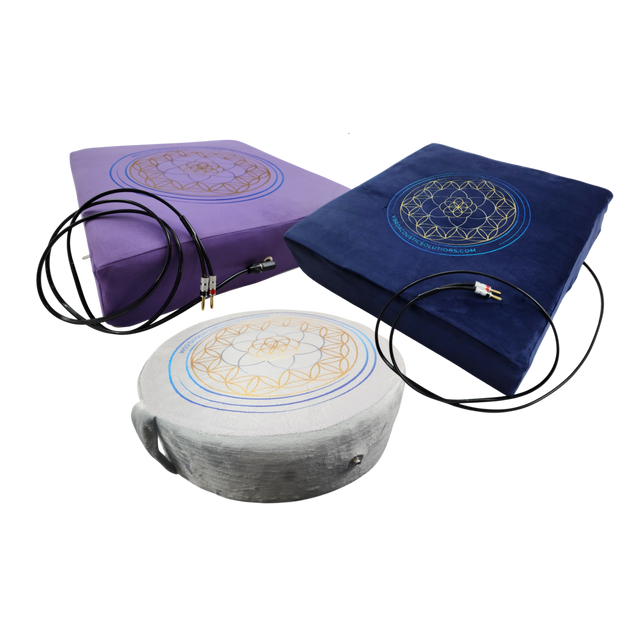
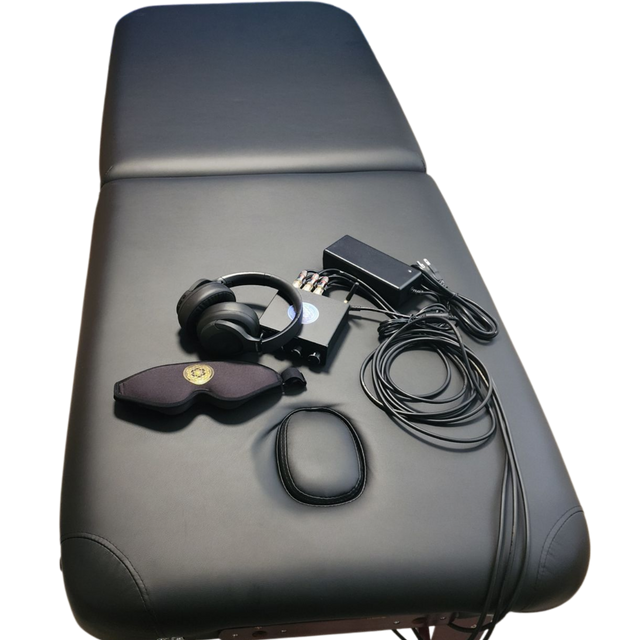
Decyzja pomiędzy zestawem do stołu do masażu a łóżkiem zmienia więcej niż tylko przestrzeń w pokoju terapii. Zmienia sposób, w jaki dźwięk o niskiej częstotliwości dociera do ciała, jak klienci przystosowują się do sesji oraz jak łatwo można wprowadzić terapię wibroakustyczną do już wykonywanej pracy. Dla masażysty z zaufanym stołem do zabiegów, zestaw do konwersji może być praktycznym punktem wyjścia. Dla użytkownika domowego, który buduje dedykowaną przestrzeń regulacyjną, specjalnie zaprojektowane łóżko wibroakustyczne może stworzyć bardziej immersyjne doświadczenie.
Właściwy wybór zaczyna się od mechanizmu fizycznego. Terapia wibroakustyczna wykorzystuje dźwięk o niskiej częstotliwości, zazwyczaj w zakresie od około 20 do 120 Hz, przesyłany przez przetworniki, które przekształcają sygnał audio w wibracje dotykowe. Zamiast po prostu słyszeć ton w powietrzu, osoba odczuwa rytmiczną energię mechaniczną poprzez powierzchnię pod nią. Te wibracje mogą być łączone z muzyką, relaksacją z przewodnikiem lub ukierunkowanymi programami częstotliwości w celu wspierania świadomości ciała, wyciszenia, regeneracji i regulacji sensorycznej.
Zestaw do stołu do masażu a łóżko: Podstawowa różnica
Nakładka na stół do masażu lub zestaw do konwersji zapewnia możliwość wibroakustyczną do stołu, który już posiadasz. W zależności od konfiguracji, przetworniki są montowane pod, wewnątrz lub obok powierzchni stołu, umożliwiając niskim częstotliwościom podróżowanie przez stół do ciała klienta. Stół pozostaje przede wszystkim powierzchnią roboczą do zabiegów, teraz z dodatkowym komponentem dźwięku somatycznego.
Łóżko wibroakustyczne jest zaprojektowane z myślą o tej transmisji od samego początku. Jego rama, materac lub wyściełana powierzchnia, rozmieszczenie przetworników i ogólne wsparcie ciała mają na celu dostarczenie równomiernych, otulających wibracji, gdy osoba odpoczywa. Zazwyczaj jest lepiej przystosowane do dłuższych sesji dźwiękowych, rytuałów regeneracyjnych, medytacji, wspomagania snu i samodzielnej terapii wibroakustycznej.
Żaden format nie jest automatycznie lepszy. Istotne pytanie brzmi, czy potrzebujesz elastycznego narzędzia terapeutycznego, czy dedykowanego środowiska terapeutycznego.
Jak częstotliwość rozchodzi się przez każdą powierzchnię
Ten sam ton 40 Hz może być odczuwany inaczej na stole do masażu niż na łóżku. To nie jest tylko kwestia preferencji. Gęstość materiału, sztywność ramy, grubość wyściółki, pozycja ciała oraz liczba i rozmieszczenie przetworników – wszystko to wpływa na to, jak wibracje są postrzegane.
Stoły do masażu są często projektowane z myślą o stabilności, regulacji wysokości i dostępie dla terapeuty. Ich twardsza, cieńsza amortyzacja może wywoływać bezpośrednią reakcję dotykową, co niektórzy klienci doceniają podczas ukierunkowanej sesji. Jednak składane połączenia, nogi, tapicerka i konstrukcja wsporcza mogą wpływać na rezonans. Wysokiej jakości zestaw musi być starannie dopasowany do konstrukcji stołu, aby wibracje były odczuwalne celowo, a nie koncentrowały się w jednym obszarze.
Dedykowane łóżko zazwyczaj oferuje większą powierzchnię i bardziej spójne punkty kontaktu od ramion przez miednicę i nogi. Dzięki temu powolne częstotliwości w zakresie od 20 do 60 Hz mogą wydawać się szczególnie uziemiające, gdy osoba leży nieruchomo. Częstotliwości od około 60 do 120 Hz mogą być odczuwane jako bardziej zlokalizowane lub energetyzujące, w zależności od programu i wrażliwości słuchacza. Doświadczenie jest zawsze indywidualne, dlatego kontrola głośności i intensywności jest tak samo ważna, jak sama częstotliwość.
Badania nad interwencjami wibroakustycznymi analizowały wibracje o niskiej częstotliwości pod kątem percepcji bólu, relaksacji, wsparcia motorycznego i regulacji emocjonalnej. Opublikowane protokoły znacznie różnią się pod względem czasu trwania, częstotliwości i metody dostarczania, ale wiele z nich wykorzystuje tony między 30 a 80 Hz wraz z muzyką lub odpoczynkiem terapeutycznym. Ta zmienność wzmacnia ważną zasadę kliniczną: najlepsza konfiguracja to taka, która daje wystarczającą kontrolę, aby dostosować sesję do osoby.
Wybierz zestaw do stołu do masażu, gdy elastyczność jest ważna
Zestaw jest często najlepszym wyborem dla masażystów, terapeutów ciała i praktyków integracyjnych, którzy już posiadają wysokiej jakości stół i ugruntowany przepływ sesji manualnych. Pozwala on dodać nową warstwę sensoryczną bez konieczności wymiany sprzętu, który jest nadal sprawny konstrukcyjnie i znany klientom.
Ten format sprawdza się szczególnie dobrze, gdy terapia wibroakustyczna jest raczej wzmocnieniem niż całym spotkaniem. Można użyć pięciu do 15 minut wibracji o niskiej częstotliwości na początku sesji, aby pomóc klientowi wejść w swoje ciało, lub po zabiegach ciała, aby wspomóc spokojniejsze zejście ze stołu. Terapeuta może również używać jej podczas prowadzonych ćwiczeń oddechowych, terapii dźwiękiem lub okresów odpoczynku bez zmieniania układu gabinetu zabiegowego.
Przenośność to kolejna ważna zaleta. Jeśli obsługujesz wiele lokalizacji, pracujesz w wspólnej klinice lub oferujesz sesje mobilne, zestaw stołowy może być łatwiejszy do zarządzania niż pełnowymiarowe łóżko. Pozwala to również klinice przetestować popyt przed przeznaczeniem pomieszczenia na stałą instalację wibroakustyczną.
Istnieją kompromisy. Zestaw zależy od stanu stołu, jego dopuszczalnej wagi, wymiarów i zachowania akustycznego. Składane stoły przenośne mogą transmitować wibracje inaczej niż stoły stacjonarne z solidnymi ramami. Komfort klienta może się również różnić, jeśli stół jest wąski, mocno wyprofilowany lub przeznaczony do krótszych spotkań. Przed wyborem zestawu upewnij się, że Twój istniejący stół jest kompatybilny i rozważ, jak często będzie ustawiany, przenoszony i używany.
Wybierz łóżko wibroakustyczne do dedykowanych sesji
Łóżko ma sens, gdy terapia wibroakustyczna jest centralnym elementem Twojej praktyki lub domowej rutyny wellness. Daje ono tej modalności wyraźne fizyczne miejsce: gdzie osoba może się położyć, być w pełni wspierana i otrzymywać wibracje dźwiękowe bez wizualnych lub praktycznych wskazówek konwencjonalnego stołu zabiegowego.
Dla użytkowników domowych może to być szczególnie cenne. Dedykowane łóżko sprzyja konsekwencji, niezależnie od tego, czy chodzi o 20-minutową sesję dekompresji po pracy, delikatne ćwiczenia dźwiękowe i oddechowe przed snem, czy uspokajającą rutynę sensoryczną w okresach przytłoczenia. Łóżko nie musi być pakowane ani rekonfigurowane, co eliminuje częstą barierę dla regularnego użytkowania.
Dla klinik, immersyjna jakość może wspierać dłuższe sesje i premium doświadczenie klienta. Osoba w pełni rozłożona z wygodnym wsparciem głowy, szyi i nóg może łatwiej pozostać obecna w odczuwaniu. Ma to znaczenie dla klientów, którzy przychodzą w stanie wysokiej czujności, mają trudności z odpoczynkiem lub korzystają z przewidywalnego bodźca sensorycznego.
Praktyczne aspekty to przestrzeń i zaangażowanie. Łóżka wibroakustyczne potrzebują stałej lokalizacji, bezpiecznej instalacji elektrycznej i miejsca, aby klienci mogli wygodnie wchodzić i schodzić. Są mniej przenośne i zazwyczaj stanowią większą początkową inwestycję. Jednak gdy sprzęt będzie często używany, dedykowana konstrukcja może zapewnić lepszą długoterminową wartość niż ciągłe dostosowywanie uniwersalnego stołu.
Rozważ doświadczenie klienta, nie tylko sprzęt
Porównanie zestawu do stołu do masażu z łóżkiem powinno obejmować sposób, w jaki ludzie będą doświadczać terapii. Klient masażu może poczuć się natychmiast swobodnie na znanym stole, na którym otrzymuje zabiegi na ciało. Dodanie wibracji do tego środowiska może być odczuwane jako naturalne i klinicznie zintegrowane. Osoba poszukująca regulacji układu nerwowego, głębokiego odpoczynku lub wsparcia sensorycznego może silniej reagować na łóżko, które sygnalizuje jeden jasny cel: położyć się, poczuć wsparcie i pozwolić ciału przyjąć.
Pozycja również ma znaczenie. Stoły są zazwyczaj zoptymalizowane do pracy w pozycji leżącej na brzuchu, na plecach i na boku z dostępem dla terapeuty. Łóżka są często zoptymalizowane do bezruchu w pozycji leżącej lub na plecach. Jeśli Twoje sesje obejmują masaż, wspomagane rozciąganie, terapię manualną lub częste zmienianie pozycji, stół pozostaje wysoce funkcjonalny. Jeśli skupiają się na długotrwałym słuchaniu, wizualizacji, medytacji lub regeneracji, łóżko może zmniejszyć przerwy.
Wrażliwość to kolejna zmienna. Niskie częstotliwości mogą być dla jednej osoby głęboko uspokajające, a dla innej intensywne, zwłaszcza przy wyższych poziomach mocy. Zacznij ostrożnie, uzyskaj wyraźną zgodę i zapewnij klientom prosty sposób na zgłaszanie zmian. Dobrze zaprojektowana sesja nigdy nie polega na tym, aby wibracje były jak najsilniejsze. Chodzi o znalezienie poziomu, który jest bezpieczny, wyczuwalny i wspierający.
Praktyczny sposób na podjęcie decyzji
Zacznij od pracy, którą najczęściej zamierzasz wykonywać w ciągu najbliższego roku. Jeśli potrzebujesz zachować wszechstronny gabinet masażu, podróżować między lokalizacjami lub stopniowo wprowadzać terapię wibroakustyczną, kompatybilny zestaw do stołu jest mądrym i ekonomicznym rozwiązaniem. Jeśli chcesz mieć dedykowany pokój terapeutyczny lub system domowy używany kilka razy w tygodniu, specjalnie zbudowane łóżko może lepiej służyć rytuałowi i konsekwencji, które umożliwiają regularną praktykę.
Rozważ również osoby, którym służysz. Aktywna praktyka fizjoterapeutyczna może skorzystać z efektywności zestawu. Studio terapii dźwiękiem, praktyka skoncentrowana na zmysłach lub dom nastawiony na regenerację mogą skorzystać z pełnego otulenia ciała przez łóżko. Vibroacoustic Solutions oferuje oba rozwiązania, ponieważ dostęp nie powinien wymagać od każdego praktyka ani gospodarstwa domowego zaczynania z tego samego miejsca.
Najbardziej wspierający system to taki, który może stać się częścią prawdziwego życia: bezpiecznie ustawiony, konsekwentnie używany i ostrożnie dostosowywany, gdy każde ciało uczy się, jak czuje się regulacja.
Najnowsze posty


Vibration Therapy Versus Massage for Recovery
Read article