Forty hertz is moving from a niche research conversation into treatment rooms, recovery spaces, and thoughtfully designed home wellness routines. The most meaningful 40 hz wellness technology trends are not about adding another sound track to a relaxation session. They are about pairing a precisely timed auditory rhythm with physical vibration, sensory comfort, and practical tools for nervous system regulation.
For practitioners and home users alike, the appeal is tangible: sound is heard through the ears, but low-frequency vibration can also be felt through the body. That dual pathway gives vibroacoustic therapy a distinct place within somatic care. It can create an experience that is calming without being passive, and technologically sophisticated without becoming difficult to use.
Why 40 Hz Has Become a Wellness Focus
Frequency is measured in hertz, or cycles per second. A 40 Hz tone cycles 40 times each second. In the brain, activity around 40 Hz is commonly associated with the gamma range, a band researchers study in relation to attention, sensory processing, and the coordination of neural networks.
When 40 Hz is delivered as an audible rhythm, a pulsed tone, or a modulation within music, the nervous system receives a steady temporal cue. In a vibroacoustic system, that cue can be translated through transducers into gentle mechanical movement across the back, hips, legs, or other areas supported by a bed, cushion, or treatment table. The effect is not simply that a person hears 40 Hz. They experience patterned sound and touch together.
That distinction matters. The body is highly responsive to rhythm, pressure, movement, and predictability. For someone arriving with muscle guarding, sensory overload, or a busy mind, a consistent low-frequency session can provide a clear physical anchor. The experience may support settling, body awareness, and a more receptive state for massage, breathwork, counseling, or rest.
Research into 40 Hz sensory stimulation has also increased public interest. Human feasibility studies using synchronized 40 Hz light and sound have measured gamma-frequency brain responses and explored whether repeated sessions can be comfortably delivered over time. These studies are not the same as a vibroacoustic treatment, yet they have helped expand the conversation around rhythmic sensory input and brain-body regulation.
The 40 Hz Wellness Technology Trends Shaping Practice
Multisensory sessions are replacing audio-only experiences
One of the strongest shifts is from listening-based sound wellness to multisensory delivery. Audio-only programs can be valuable, especially with quality headphones and intentional music design. But vibroacoustic equipment adds a mechanical layer: transducers convert the low-frequency portion of sound into vibration that travels through a supportive surface.
This matters most in the lower frequencies. While human hearing generally extends from about 20 Hz to 20,000 Hz, the body often perceives bass frequencies through touch as much as hearing. Many vibroacoustic protocols work broadly within approximately 20 to 120 Hz, where the sensation of vibration can be comfortable, grounding, and easy to locate in the body. A 40 Hz program sits within that felt-frequency territory while also carrying the rhythmic significance of the gamma range.
For clinics, this trend is changing the structure of sessions. Rather than treating sound as background ambiance, practitioners can use it as a therapeutic environment with a beginning, middle, and settling period. A client might receive 15 to 30 minutes of low-frequency support before bodywork, during an integrative session, or as a stand-alone reset between demanding appointments.
Personalization is becoming more practical
The most useful wellness technology does not assume one frequency, volume, or session length fits everyone. Some people prefer a clearly felt 40 Hz pulse. Others respond better when 40 Hz is blended into music, with a softer vibration level and less audible emphasis. Sensory preferences, pain sensitivity, stress load, and the time of day all influence what feels supportive.
That is why adjustable intensity is becoming a defining feature of clinical-grade systems. Practitioners need enough control to create a consistent session while adapting it to the person on the table. Home users need simple controls that let them begin gently and build familiarity over several sessions.
A practical starting point is usually lower intensity, especially for people who are new to tactile sound. Ten to 20 minutes may be plenty for a first experience. The goal is not to create the strongest possible vibration. It is to find a level that feels safe, comfortable, and easy for the nervous system to receive.
Modular equipment is making vibroacoustic care more accessible
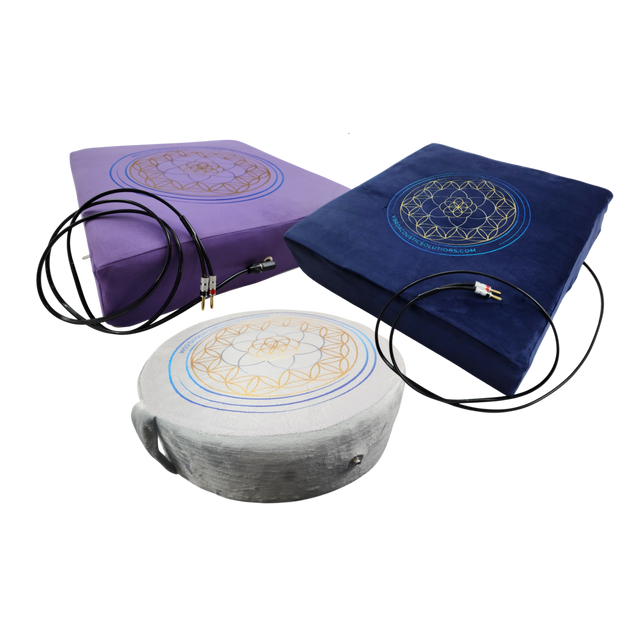
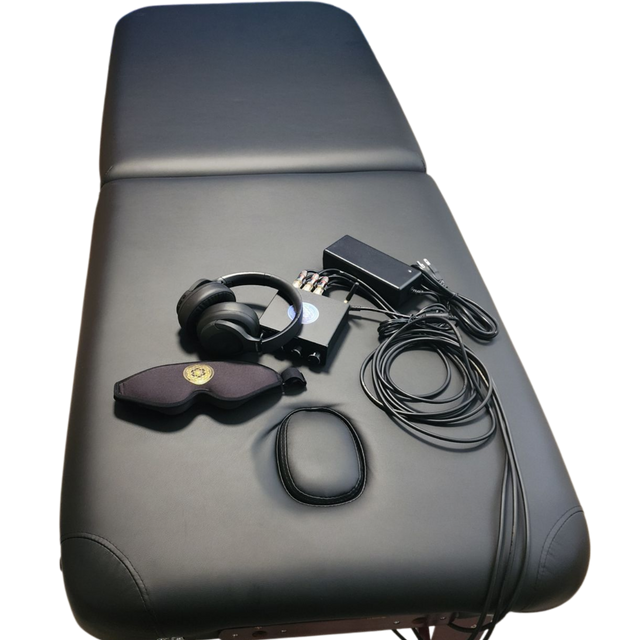
For years, vibroacoustic therapy was often associated with large, specialized installations. That model still has value for dedicated sensory rooms and high-volume clinics. Yet a major technology trend is modularity: cushions for chairs or beds, attachment kits for existing massage tables, and DIY conversion options that bring physical sound into spaces already used for care.
This shift matters because accessibility is not only about price. It is also about workflow. A massage therapist may not have room for another full-size table. A counselor may want a portable sensory regulation tool in a quiet office. A home user may need a system that fits into an existing bedroom routine rather than requiring a separate wellness room.
Vibroacoustic Solutions reflects this move toward adaptable care environments, with options that allow practitioners and individuals to build around the furniture and treatment surfaces they already trust. The right format depends on session goals, available space, cleaning requirements, and how frequently the system will be used.
Outcome tracking is becoming part of the therapeutic conversation
Wellness technology is becoming more credible when experience and observation work together. A client may describe feeling more settled after a session, sleeping more comfortably that evening, or noticing less physical tension before a bodywork appointment. Those observations are meaningful, particularly when they are tracked over time instead of treated as a one-time impression.
Practitioners are increasingly using simple check-ins before and after sessions: perceived stress, body tension, comfort, sensory state, and readiness to engage in treatment. For home use, a brief journal can reveal patterns around timing, session length, and preferred frequencies. This is not about turning rest into homework. It is about helping people recognize what supports them.
More formal research measures may include heart rate variability, sleep data, pain ratings, or validated stress questionnaires. Each has limits, and no single metric captures the whole experience. Still, the direction is clear: sound-based wellness is moving toward more intentional protocols and clearer feedback.
Sensory-informed design is no longer optional
A sophisticated system is not necessarily one with the most controls. It is one that respects the user's sensory needs. Soft surfaces, stable vibration, predictable volume, easy setup, and the ability to stop or adjust a session quickly can matter as much as frequency selection.
This is especially relevant for people managing sensory dysregulation, trauma-related tension, ADHD-related restlessness, or autism-related sensory needs. Some may find low-frequency vibration deeply organizing. Others may need a quieter room, shorter exposure, or a gradual introduction. The best approach is responsive rather than prescriptive.
For professionals, sensory-informed care also means explaining what will happen before the session begins. Let clients know where they may feel vibration, how long it will last, and how they can request changes. Predictability itself can be regulating.
How to Use 40 Hz Thoughtfully
A 40 Hz session works best when it has a purpose. Before a massage or manual therapy appointment, it may help a client transition from a rushed external pace into a more body-aware state. After exercise, a low-frequency rest session may become part of a recovery ritual. At home, it can create a boundary between work and sleep, particularly when paired with dim lighting, comfortable positioning, and reduced screen stimulation.
The surrounding audio matters. Some listeners prefer pure tones because the rhythm is easy to perceive. Others find that 40 Hz embedded in ambient music, nature soundscapes, or carefully composed therapeutic tracks feels more emotionally welcoming. Neither choice is inherently better. The right design is the one that supports comfort and repeatable use.
It is also wise to treat vibroacoustic wellness as one part of a wider care plan. People with ongoing symptoms, complex health concerns, or new changes in their well-being should work with an appropriate licensed health professional. In a clinical setting, vibroacoustic therapy can complement the practitioner's scope, goals, and informed observation rather than asking one modality to do everything.
The future of 40 Hz wellness is likely to be quieter and more personal than the headlines suggest. The real progress is a well-designed surface, a carefully calibrated frequency, and a session that gives the body enough safety and time to settle into its own rhythm.
Najnowsze posty


How to Choose Vibroacoustic Equipment for Therapy
Read article