Pokój zabiegowy może sprawić, że sesja 20 Hz będzie ugruntowująca i opanowana, lub też pozostawić klienta rozproszonego przez grzechoczącą półkę, jasne oświetlenie sufitowe i odgłosy ruchliwego korytarza. Dlatego przewodnik planowania gabinetu wibroakustycznego powinien zaczynać się od fizycznego doświadczenia wibracji, a nie od wystroju. Dźwięk o niskiej częstotliwości jest dostarczany za pomocą łóżka, stołu, poduszki lub krzesła przez przetworniki dotykowe. Przetworniki te przekształcają sygnał audio w wibracje mechaniczne, które rozchodzą się przez powierzchnię podparcia i do ciała.
Przy terapeutycznych niskich częstotliwościach, często w zakresie od około 20 do 120 Hz, klienci mogą odczuwać wibracje jako stały puls, delikatny masaż wewnętrzny lub szerokie poczucie ugruntowania. Ciało odbiera zarówno dźwięk słyszalny, jak i stymulację dotykową, angażując mechanoreceptory w skórze i głębszych tkankach, tworząc środowisko sensoryczne, które może wspierać relaksację, świadomość ciała i regulację autonomiczną. Akustyka pomieszczenia, rozmieszczenie sprzętu i poczucie prywatności kształtują, w jaki sposób to doświadczenie jest konsekwentnie dostarczane.
Zacznij od zamiaru zabiegowego
Zanim zmierzysz pomieszczenie, określ, do czego ma służyć przestrzeń. Masażysta może używać terapii wibroakustycznej jako 15-minutowego doświadczenia wyciszającego układ nerwowy przed pracą manualną. Terapeuta somatyczny może zbudować pełną sesję wokół oddechu, świadomej uwagi i starannie dobranych programów niskoczęstotliwościowych. Użytkownik domowy może potrzebować prostej przestrzeni do regeneracji, która wspiera przygotowanie do snu, dekompresję po wysiłku lub cichsze resetowanie sensoryczne.
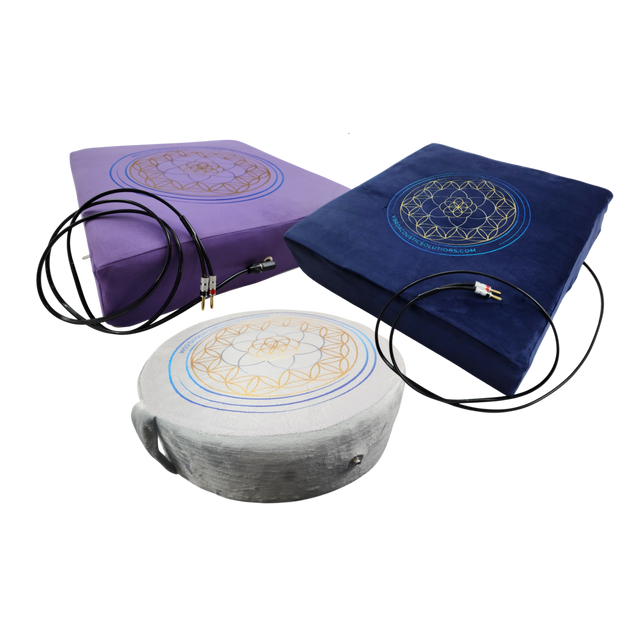
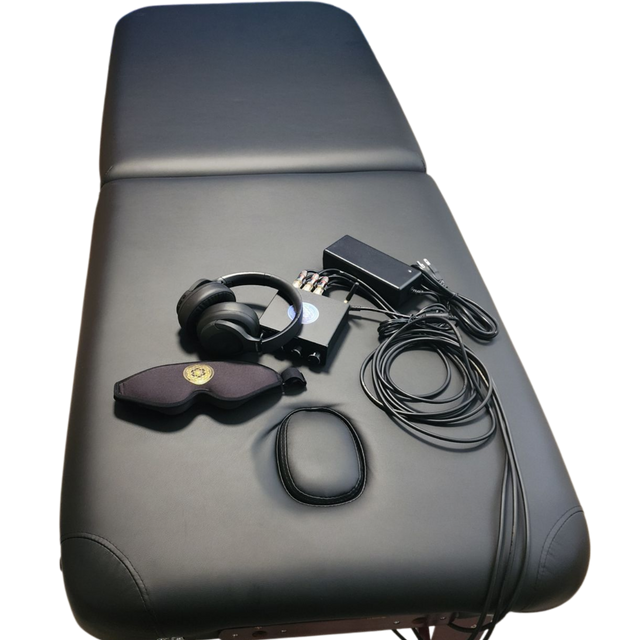
Ten zamiar określa odpowiedni format sprzętu. Łóżko wibroakustyczne zapewnia pełny kontakt z ciałem i doskonale nadaje się do dedykowanych gabinetów zabiegowych. Zestaw do mocowania do stołu do masażu może być najbardziej efektywnym wyborem dla ugruntowanej praktyki, zachowując istniejący przepływ pracy, jednocześnie dodając warstwę dźwięku dotykowego. Poduszki i zestawy do konwersji mogą uczynić mniejsze pomieszczenie, biuro lub dom bardziej dostępnymi, bez konieczności wymiany wszystkich mebli.
Zaplanuj sposób, w jaki klienci będą wchodzić, przechodzić i wychodzić. Najskuteczniejsze sesje rzadko zaczynają się od maksymalnej intensywności. Klient korzysta z kilku spokojnych minut, aby się zorientować, poczuć komfortowo i zrozumieć, co może odczuwać. Pozostaw wystarczająco dużo miejsca, aby terapeuta mógł wyjaśnić sterowanie, wyregulować poduszki i sprawdzić stan klienta bez konieczności sięgania przez niego.
Wybierz pomieszczenie, które wspiera niskie częstotliwości
Wibracje o niskiej częstotliwości zachowują się inaczej niż dźwięki o wysokiej tonacji. Energia basu może przenikać przez podłogi, ściany, meble i słabo zabezpieczone przedmioty. Jest to przydatne, gdy celem jest stymulacja dotykowa oparta na ciele, ale oznacza to również, że pomieszczenie wymaga przemyślanej izolacji od niepożądanych wibracji i hałasu.
Pomieszczenie na parterze z solidną podłogą jest często idealne dla pełnowymiarowego łóżka wibroakustycznego, szczególnie w klinice wielopokojowej. Pomieszczenia na piętrze mogą działać dobrze, ale przed podjęciem decyzji o układzie należy przetestować system na zamierzonych poziomach sesji. Posłuchaj w sąsiednich pokojach i pod obszarem zabiegowym. Niewielka korekta w rozmieszczeniu może zmniejszyć transmisję przez wspólną ścianę lub konstrukcję podłogową.
Trzymaj system z dala od luźnych półek, oprawionych obrazów, metalowych wózków i elementów dekoracyjnych, które mogą rezonować. Pomieszczenie nie musi być sterylne, ale każdy przedmiot w pobliżu sprzętu powinien zasłużyć na swoje miejsce. Jeśli lampa brzęczy na 40 Hz lub drzwiczki szafki grzechoczą na 60 Hz, konkuruje to z sygnałem terapeutycznym i może odciągać uwagę od ciała.
Miękkie materiały pomagają kontrolować odbicia powietrzne i ułatwiają słuchanie mówionych wskazówek. Dywany, zasłony, tapicerowane siedziska i elementy ścienne z tkaniny mogą przyczynić się do bardziej zamkniętego środowiska akustycznego. Materiały te same w sobie nie zatrzymają wibracji konstrukcyjnych, dlatego w razie potrzeby należy stosować stabilne ustawienie sprzętu i odpowiednie podkładki izolacyjne. Celem nie jest cisza. Jest to pomieszczenie, w którym zamierzony dźwięk i wibracje wydają się czyste, ciepłe i przewidywalne.
Zapewnij sprzętowi wystarczająco dużo miejsca do oddychania
W przypadku stołu zabiegowego lub łóżka należy zapewnić wygodny dostęp z obu stron, jeśli to możliwe. Terapeuci potrzebują miejsca, aby pomóc w wejściu i zejściu z powierzchni, ułożyć koce lub poduszki i bezpiecznie pracować wokół kabli. Wąskie pomieszczenie nadal może być skuteczne, jeśli głowa lub stopa stołu mają swobodny dostęp, a jednostka sterująca jest umieszczona bez stwarzania zagrożenia potknięcia.
Umieść wzmacniacze, urządzenia multimedialne i elementy sterujące w łatwo dostępnym miejscu, ale poza bezpośrednim polem widzenia klienta. Widoczne lampki kontrolne, splątane kable i aktywne ekrany mogą sprawić, że odprężający pokój będzie wyglądał zbyt technicznie. Mała szafka, osłona kabli lub dedykowana półka na sprzęt sprawia, że system jest profesjonalny, jednocześnie zapewniając szybki dostęp do regulacji głośności i programów.
Zaprojektuj warstwę sensoryczną wokół regulacji
Terapia wibroakustyczna jest dotykowa. Klient nie tylko słucha utworu w całym pomieszczeniu. Jego ciało odbiera częstotliwość przez powierzchnię pod nim. To sprawia, że komfort sensoryczny jest częścią konfiguracji klinicznej.
Oświetlenie powinno być regulowane, a nie stałe. Ściemnialne, ciepłe światło pozwala dostosować się do klientów, którzy preferują ciemność, tych, którzy czują się bezpieczniej w delikatnie oświetlonym pomieszczeniu, oraz terapeutów, którzy potrzebują jaśniejszej widoczności podczas wywiadu lub pracy przy stole. Unikaj bezpośredniego oświetlenia sufitowego umieszczonego w polu widzenia klienta. Oświetlenie sufitowe może być praktyczne, ale jego funkcja powinna być zrównoważona lampami lub oświetleniem pośrednim, które sprawi, że pomieszczenie będzie wydawać się mniej odsłonięte.
Temperatura zasługuje na równą uwagę. Bezruch może sprawić, że klienci poczują chłód, zwłaszcza podczas dłuższych sesji. Miej pod ręką czyste koce i upewnij się, że powierzchnia stołu pozostaje komfortowa w zależności od pory roku. Klientom z nadwrażliwością sensoryczną oferuj proste wybory przed sesją: koc lub brak koca, poduszka na oczy lub otwarte oczy, słuchawki lub dźwięk z pomieszczenia, instrukcje mówione lub cisza. Wybór pomaga zapewnić bezpieczeństwo, zanim rozpocznie się pierwsza częstotliwość.
Zapach powinien pozostać opcjonalny i delikatny. Niektórzy klienci kojarzą delikatne, naturalne aromaty z łatwością i rytuałem, podczas gdy inni są bardzo wrażliwi na zapachy lub mogą przybyć z migrenami, problemami z oddychaniem lub nadwrażliwością chemiczną. Świeże powietrze, czysta pościel i neutralne produkty tworzą niezawodną podstawę.
Zbuduj niezawodny system dźwięku i wibracji
Silne doświadczenie zabiegowe zależy bardziej od jakości sygnału niż od nadmiernej głośności. Przetwornik dotykowy powinien być dopasowany do powierzchni i wzmacniacza, tak aby niskie częstotliwości pozostawały kontrolowane, a nie zniekształcone. Zniekształcenia mogą wydawać się nagłe lub brzęczące, szczególnie w zakresie od 20 do 60 Hz, gdzie wiele programów wibroakustycznych tworzy najgłębszą obecność w ciele.
Każdego dnia rozpoczynaj od szybkiej kontroli sprzętu. Odtwórz znany utwór lub ton kalibracyjny na umiarkowanym poziomie, sprawdź równomierne wibracje na powierzchni i posłuchaj niepożądanego brzęczenia. Sprawdź kable, złącza i zasilacze. Jeśli jedna część łóżka lub stołu wydaje się wyraźnie słabsza, zajmij się umieszczeniem lub połączeniem, zanim przybędzie klient.
Jeśli system na to pozwala, używaj oddzielnych elementów sterujących dla słyszalnego dźwięku i wibracji dotykowych. Ludzie znacznie różnią się w preferowanym balansie. Jeden klient może czuć się najlepiej z wyraźnie słyszalnym podkładem muzycznym i delikatnymi wibracjami, podczas gdy inny może preferować cichy dźwięk w pomieszczeniu z bardziej wyraźnym wejściem dotykowym. Profesjonalny pokój powinien ułatwiać regulację, a nie zmuszać każdego do jednego ustawienia.
Dobór częstotliwości powinien odpowiadać celowi sesji i komfortowi klienta. Niższe częstotliwości, często w okolicach 20 do 40 Hz, mogą dawać głębokie poczucie uziemienia i fizycznej przestrzeni. Średnie niskie częstotliwości w okolicach 40 do 80 Hz mogą być bardziej rytmiczne lub przypominające masaż. Wyższe zakresy w typowym programie wibroakustycznym mogą dodawać tekstury i czujności. Rozpocznij ostrożnie, poproś o opinię i zwiększaj tylko wtedy, gdy klient opisuje odczucia jako komfortowe i mile widziane.
Planowanie bezpieczeństwa, badania przesiewowe i granice zawodowe
Spokojny pokój wymaga również jasnych procedur. Podczas wywiadu zapytaj o preferencje sensoryczne, aktualne objawy, potrzeby związane z mobilnością oraz wszelkie kwestie zdrowotne związane z narażeniem na wibracje lub dźwięk. Postępuj zgodnie z wytycznymi producenta sprzętu i zakresem swojej praktyki zawodowej. Gdy klient ma złożoną historię medyczną, koordynacja z jego wykwalifikowanym pracownikiem służby zdrowia może pomóc w określeniu odpowiedniego podejścia.
Miej łatwo dostępny przycisk zatrzymania i wyjaśnij jego działanie przed rozpoczęciem sesji. Klienci powinni wiedzieć, że mogą w każdej chwili poprosić o zmianę głośności, poziomu wibracji, muzyki, oświetlenia, temperatury lub pozycji podczas sesji. Jest to szczególnie ważne w warunkach uwzględniających traumę i wrażliwość sensoryczną, gdzie przewidywalność i zgoda są kluczowe dla regulacji.
Czystość ma znaczenie, zwłaszcza w klinikach o dużej rotacji. Tam, gdzie to możliwe, wybieraj powierzchnie łatwe do czyszczenia, zabezpieczaj poduszki i stoły odpowiednimi pokrowcami oraz utrzymuj jasną rutynę czyszczenia między klientami. Zadbane pomieszczenie przekazuje to samo przesłanie, co dobrze utrzymany sprzęt: Twój komfort i bezpieczeństwo zostały wzięte pod uwagę.
Stwórz przepływ pracy, który wydaje się niespieszny
Pokój powinien wspierać zarówno terapeutę, jak i klienta. Formularze zgłoszeniowe, koce, środki dezynfekujące, poduszki i elementy sterujące powinny być łatwo dostępne, ale niewidoczne podczas sesji. Zapewnij krótki bufor między spotkaniami na sprawdzenie sprzętu, zmianę pościeli i kilka chwil ciszy. Wyprowadzanie klienta w pośpiechu, gdy system nadal pracuje, może zniweczyć poczucie ukończenia stworzone podczas zabiegu.
Dla klinik dodających terapię wibroakustyczną do istniejących usług, zacznij od jednego powtarzalnego protokołu. Na przykład, 10-minutowa sesja wyciszająca przed masażem, lub 20-minutowa sesja regeneracyjna z delikatnym, prowadzonym oddychaniem. Dokumentuj konfigurację, program częstotliwości, opinie klientów i korekty. Z czasem tworzy to praktyczny wewnętrzny standard, pozostawiając jednocześnie miejsce na zindywidualizowaną opiekę.
Dobrze zaplanowany pokój wibroakustyczny nie musi być duży, wyszukany ani wypełniony technologią. Musi pozwalać ciału na odbieranie wibracji bez rozpraszania, dawać klientowi znaczące wybory i dawać terapeucie pewność w każdym szczególe. Kiedy przestrzeń jest celowa, pierwszy impuls niskiej częstotliwości może stać się wyraźnym zaproszeniem do zatrzymania się, poczucia wsparcia i powrotu do bardziej stabilnego wewnętrznego rytmu.
Najnowsze posty


Vibration Therapy Versus Massage for Recovery
Read article