Zrelaksowany układ nerwowy to nie tylko spokojny umysł. To mierzalna zmiana w oddychaniu, napięciu mięśni, zmienności rytmu serca i czujności sensorycznej. Dlatego pytanie, jakie częstotliwości wspierają relaksację, nie ma jednej magicznej odpowiedzi. Najbardziej użyteczna częstotliwość zależy od tego, czy słuchasz przez słuchawki, czujesz dźwięk przez powierzchnię wibroakustyczną, czy łączysz oba w sesji terapeutycznej.
Dla wielu osób najbardziej ugruntowujące doświadczenie pochodzi z niskoczęstotliwościowych wibracji dostarczanych przez ciało. Te częstotliwości są zarówno odczuwalne, jak i słyszalne. Mogą one zapewnić układowi nerwowemu stabilny, przewidywalny sygnał sensoryczny, podczas gdy ciało uspokaja się w wolniejszym, bezpieczniejszym rytmie.
Jak częstotliwość wpływa na ciało
Częstotliwość jest mierzona w hercach (Hz) lub cyklach na sekundę. Ton 40 Hz wibruje 40 razy na sekundę; ton 200 Hz wibruje 200 razy. Niższe częstotliwości zazwyczaj tworzą wolniejsze, bardziej fizyczne fale, które skutecznie przenikają przez łóżko, krzesło, poduszkę lub stół do masażu. Wyższe częstotliwości są łatwiej postrzegane jako słyszalna wysokość dźwięku.
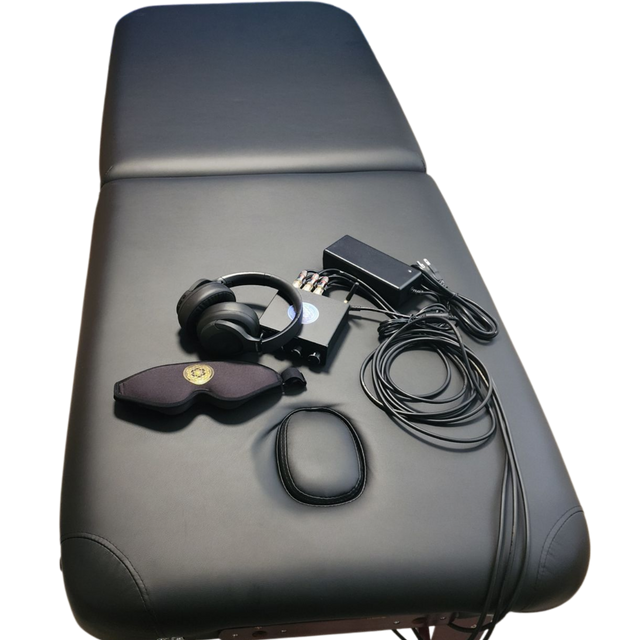
W terapii wibroakustycznej przetworniki przekształcają starannie wybrany sygnał audio w wibracje dotykowe. Ta wibracja przenosi się przez powierzchnię podparcia do ciała, stymulując mechanoreceptory w skórze, mięśniach i tkance łącznej. Ciałka Paciniego, które są szczególnie wrażliwe na wibracje, silnie reagują w zakresie około 40 do 60 Hz. Bodziec sensoryczny może pomóc w oderwaniu uwagi od napięć mięśniowych i skierowaniu jej na wyraźny, zorganizowany sygnał ciała.
Efekt nie jest wyłącznie mechaniczny. Powolny, rytmiczny dźwięk może również wspierać regulację autonomiczną. Gdy wibracje, muzyka i rytm sprzyjający oddychaniu współpracują, wiele osób zgłasza mniejsze napięcie, uczucie cięższych kończyn i łatwiejsze przejście w stan odpoczynku. Ważna jest indywidualna reakcja: częstotliwość, która jednej osobie wydaje się głęboko kojąca, innej może wydawać się zbyt intensywna lub aktywująca.
Jakie częstotliwości wspierają relaksację w terapii wibroakustycznej?
20 do 40 Hz: Głębokie uziemienie i świadomość ciała
Zakres 20 do 40 Hz jest często używany, gdy celem jest szerokie, niskoczęstotliwościowe uziemienie. Na tych poziomach wibracje mogą przypominać powolny puls przepływający przez ciało, a nie wyraźną nutę muzyczną. Ten zakres jest powszechnie wybierany do uspokojenia po wymagającym dniu, wspierania świadomości ciała i tworzenia stabilnego środowiska sensorycznego przed masażem, pracą z oddechem lub praktykami relaksacyjnymi.
Bardzo niskie częstotliwości wymagają przemyślanej kontroli głośności. Sygnał 25 Hz o delikatnym natężeniu może być uspokajający i przestrzenny, natomiast ten sam sygnał o wysokiej intensywności może stać się przytłaczający. Na wibroakustycznym łóżku lub nakładce klinicznej klasy, jakość przetwornika i sposób, w jaki powierzchnia rozprowadza wibracje, mogą znacząco wpłynąć na komfort.
40 Hz: Powszechnie stosowany centralny punkt terapeutyczny
Czterdzieści herców to jedna z najbardziej rozpoznawalnych częstotliwości w praktyce wibroakustycznej. Znajduje się w zakresie, który wielu użytkowników może wyraźnie odczuwać przez tułów, plecy i nogi, nie wymagając nadmiernej mocy. Jej fizyczną obecność często opisuje się jako stabilną, powstrzymaną i uspokajającą.
Zainteresowanie badaniami nad 40 Hz wzrosło, ponieważ rytmiczna stymulacja sensoryczna z tą częstotliwością wydaje się być zdolna do angażowania sieci neuronalnych związanych z czasem i uwagą. W sesjach zorientowanych na relaksację, jej wartość jest zazwyczaj bardziej natychmiastowa i somatyczna: oferuje równomierny rytm dotykowy, który może pomóc osobie zauważyć, gdzie ciało utrzymuje napięcie i stopniowo je rozluźnić. Jest często używana jako warstwa centralna, a nie jako jedyna częstotliwość w sesji.
50 do 60 Hz: Rozluźnianie mięśni i znajomy rezonans dotykowy
Zakres 50 do 60 Hz to kolejny częsty wybór do relaksacji, zwłaszcza gdy obecne jest fizyczne napięcie. Znajduje się on blisko szczytowego zakresu wrażliwości ciałek Paciniego i może tworzyć satysfakcjonujące, pełne odczucia w ciele poprzez powierzchnię wibroakustyczną.
Terapeuci mogą używać tego zakresu w środku sesji, gdy klienci mieli już czas na aklimatyzację do wibracji. Może dobrze współgrać z wolną muzyką instrumentalną, wyobrażeniami kierowanymi lub cichą pracą manualną na ciele. W sesjach domowych jest to często wygodny punkt wyjścia, ponieważ jest łatwo odczuwalny, ale zazwyczaj nie sprawia wrażenia nadmiernie ciężkiego.
60 do 120 Hz: Delikatna stymulacja z większą teksturą
Częstotliwości od około 60 do 120 Hz wydają się bardziej teksturowane i zlokalizowane. Mogą być przydatne, gdy osoba preferuje lżejszą, bardziej czujną formę relaksu lub gdy program stopniowo przechodzi od stymulacji do odpoczynku. Starannie zaprojektowana ścieżka może przechodzić przez ten zakres, zamiast utrzymywać jeden stały ton, co może sprawić, że doświadczenie będzie angażujące, ale nie wymagające.
Wyżej nie oznacza automatycznie lepiej. Wraz ze wzrostem częstotliwości, wibracje mogą wydawać się brzęczące lub skoncentrowane, szczególnie u osób z wrażliwością sensoryczną, tendencjami do migreny lub nadmierną czujnością związaną z traumą. W takich przypadkach niższa intensywność i węższy zakres częstotliwości są często bardziej regulujące niż złożony program.
Słyszalne częstotliwości, które mogą pomóc umysłowi się uspokoić
Relaksacja jest również kształtowana przez to, co słyszą uszy. Muzyka nie musi zawierać określonej częstotliwości strojenia, aby być terapeutyczna. Tempo, przewidywalność, dynamika, osobiste skojarzenia i brak nagłych zmian — wszystko to wpływa na układ nerwowy.
Muzyka o tempie około 50 do 70 uderzeń na minutę często wspiera wolniejsze oddychanie i spokojniejsze skupienie uwagi. Długie tony, delikatne perkusje, ciepłe ruchy harmoniczne i pejzaże dźwiękowe inspirowane naturą mogą dobrze działać, gdy są odtwarzane na komfortowym poziomie. Badania nad interwencjami muzycznymi wielokrotnie wykazywały zmniejszenie zgłaszanego niepokoju i poprawę wskaźników fizjologicznych, takich jak tętno, w wielu placówkach opieki, chociaż muzyka, która wydaje się bezpieczna i kojąca, pozostaje bardzo osobista.
Bity binauralne to kolejna opcja. Kiedy każde ucho odbiera dwa bliskie tony, mózg postrzega różnicę między nimi jako rytmiczny puls. Na przykład ton 200 Hz w jednym uchu i 206 Hz w drugim tworzy odczuwalny puls 6 Hz. Różnice w zakresie theta, około 4 do 8 Hz, są często używane do medytacji i przejścia do snu; różnice w zakresie alfa, około 8 do 12 Hz, są powszechnie wybierane do spokojnej czujności. Przeglądy badań nad bitami binauralnymi wykazały obiecujące efekty w przypadku lęku i relaksu w niektórych warunkach, a wyniki były kształtowane przez długość sesji, słuchawki i początkowy poziom stresu słuchacza.
432 Hz, 528 Hz i świadome słuchanie
Wiele osób czuje się przyciąganych do muzyki o częstotliwości 432 Hz ze względu na jej ciepłą, przestronną jakość i skojarzenia z naturalnym rezonansem, proporcjami harmonicznymi i tradycjami słuchania regenerującego. Inni wybierają 528 Hz ze względu na jej miejsce w praktykach dźwiękowych opartych na solfeżu oraz podnoszące na duchu, skoncentrowane na sercu doświadczenie, które często opisują słuchacze. Te częstotliwości mogą stać się znaczącymi kotwicami dla intencji, medytacji lub uwolnienia emocjonalnego.
Z perspektywy akustycznej, zmiana punktu odniesienia strojenia zmienia również relacje wysokości dźwięku w całej kompozycji muzycznej. Może to subtelnie wpłynąć na charakter słyszanego dźwięku. Najbardziej terapeutyczny wybór to ten, który pomaga czuć się komfortowo, być obecnym i zdolnym do przyjęcia doświadczenia. Ukochane nagranie 432 Hz może być skuteczniejsze w relaksacji niż technicznie doskonała ścieżka, której nie lubisz.
Buduj sesję relaksacyjną wokół odczuć, a nie liczb
Użyteczna sesja domowa często zaczyna się od 15 do 20 minut przy niskiej, komfortowej intensywności. Wybierz jedną stabilną częstotliwość wibroakustyczną - taką jak 30, 40 lub 50 Hz - i połącz ją z muzyką o wolnym tempie i minimalnych nagłych zmianach. Daj swojemu ciału kilka minut na adaptację, zanim zdecydujesz, czy ustawienie jest odpowiednie.
Jeśli czujesz się spokojny, ale nadal zajęty umysłowo, dodaj cichszą warstwę dźwiękową, taką jak binauralny bit alfa lub theta. Jeśli czujesz się niespokojny lub nadmiernie pobudzony, uprość: zmniejsz głośność, zredukuj intensywność wibracji i wróć do stabilnego sygnału niskiej częstotliwości. Więcej bodźców niekoniecznie oznacza więcej terapii.
Dla terapeutów, każdą sesję rozpoczynaj od krótkiego sprawdzenia odczuć sensorycznych. Zapytaj, czy klient preferuje wibracje szerokie i ciężkie, lekkie i precyzyjne, czy ledwo wyczuwalne. Jest to szczególnie cenne dla klientów z chronicznym bólem, autyzmem, potrzebami sensorycznymi związanymi z ADHD lub napięciem związanym z traumą, ponieważ przewidywalność i zgoda są kluczowe dla regulacji.
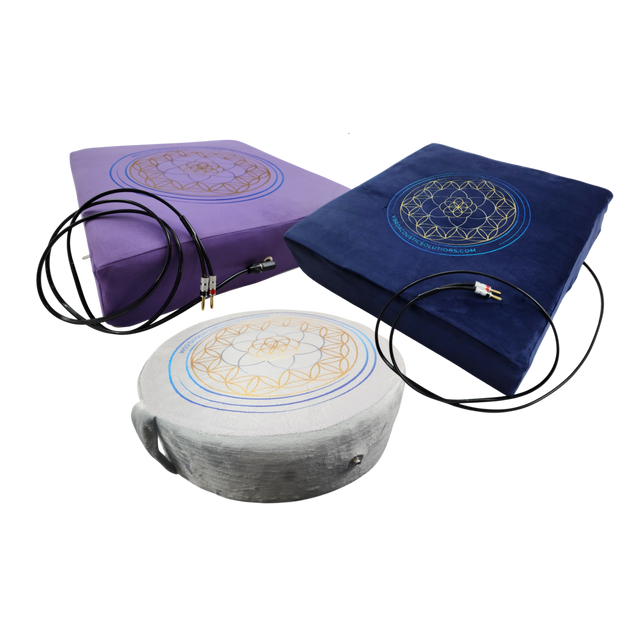
Systemy Vibroacoustic Solutions są zaprojektowane tak, aby tego rodzaju zindywidualizowana opieka oparta na dźwięku była praktyczna w domach i placówkach profesjonalnych. Niezależnie od tego, czy używasz łóżka, poduszki czy nakładki na stół, celem nie jest gonienie za idealną częstotliwością. Chodzi o stworzenie powtarzalnych warunków, w których ciało ma przestrzeń do zwolnienia.
Zacznij od częstotliwości, która wydaje się wystarczająco bezpieczna, aby przy niej pozostać. Z czasem to stałe zaproszenie do słuchania przez ciało może stać się jedną z najbardziej niezawodnych części twojej praktyki relaksacyjnej.
Najnowsze posty


Vibration Therapy Versus Massage for Recovery
Read article