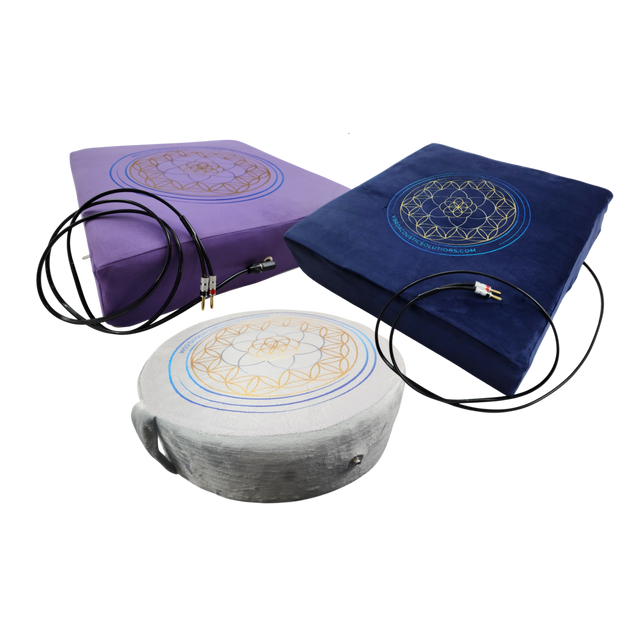
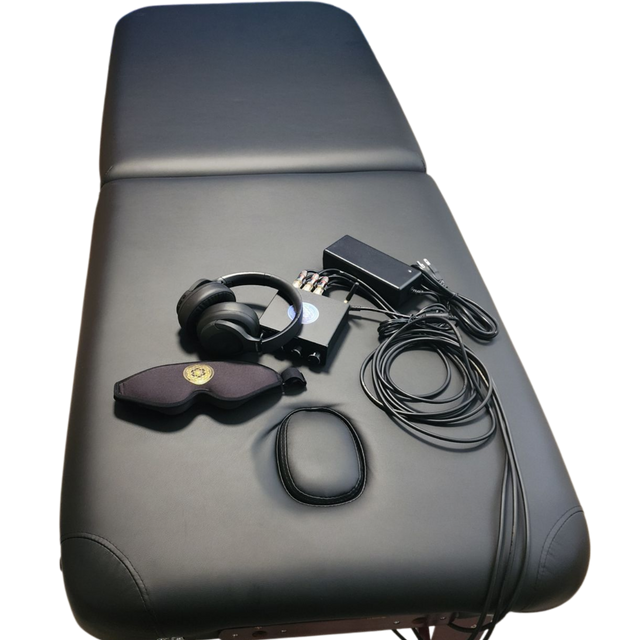
A 30 Hz tone can be felt more than heard when it is delivered through a vibroacoustic bed, cushion, or massage table. That physical sensation is exactly why people ask, “are low frequencies safe daily?” The practical answer is that daily use can be appropriate for many people when sessions are comfortable, appropriately dosed, and matched to the individual. Frequency alone does not determine safety. Intensity, session duration, the way vibration reaches the body, and a person’s health history all matter.
For home users and practitioners, the goal is not to use the strongest setting or the longest session. It is to create a reliable dose of sensory input that supports regulation, rest, movement recovery, or therapeutic work without leaving the body overstimulated.
What low frequencies do in the body
Low-frequency sound generally refers to sound below about 250 Hz. In vibroacoustic therapy, the most commonly used therapeutic range is often around 20 to 120 Hz. Below roughly 20 Hz, sound becomes infrasonic and is felt primarily as motion or pressure rather than heard as a musical tone. Within the vibroacoustic range, transducers convert an audio signal into mechanical vibration that travels through a bed, table, chair, or cushion into the body.
This is not the same exposure as sitting next to a loud subwoofer or working beside heavy industrial machinery. A vibroacoustic system is designed to couple controlled, low-frequency vibration to the body while audio is typically delivered at a comfortable listening level. The experience may feel like a slow internal pulse, a gentle rolling massage, or a steady foundation beneath music.
Mechanically, vibration stimulates skin, muscle, connective tissue, and proprioceptive receptors that help the nervous system sense position and movement. Slow, predictable rhythm can also provide an organizing sensory cue. For many people, that cue supports a shift from guarded, high-alert muscle tone toward a calmer state. Research and clinical use of vibroacoustic therapy have explored frequencies in the 30 to 80 Hz range for relaxation, pain support, motor function, and comfort, often using repeated sessions over several weeks.
The body’s response remains individual. A frequency that feels settling for one person may feel too intense, ticklish, activating, or fatiguing for another. That is why good dosing begins with sensation, not a promise attached to a particular Hz value.
Are low frequencies safe daily in vibroacoustic therapy?
For many healthy adults, gentle to moderate daily vibroacoustic sessions are generally well tolerated. A common starting point is 15 to 30 minutes, with low-to-moderate vibration intensity and audio kept at a conversational or softer level. People who respond well may gradually extend to 30 to 45 minutes if they continue to feel comfortable during the session and well afterward.
Daily use is best viewed as a nervous system practice, much like a regular relaxation routine. More is not automatically better. If a 20-minute session leaves someone grounded, less tense, and ready for sleep or daily activity, there is little reason to double the time simply because the equipment allows it.
Occupational whole-body vibration research provides useful context here. Standards such as ISO 2631-1 examine cumulative vibration exposure in settings like vehicles and industrial equipment, where vibration can be forceful, irregular, and sustained for hours. A therapeutic vibroacoustic session is a different type of exposure: intentional, time-limited, typically rhythmic, and adjustable. Still, the central safety principle carries over: dose matters, and the body deserves recovery time when it signals overload.
Signs your current dose is working
A suitable session usually feels pleasant, neutral, or gently restorative. You may notice slower breathing, easier muscle release, warmth, a sense of heaviness, or a clearer transition into rest. Some people feel pleasantly energized after daytime use, especially when a session is paired with rhythmic music or movement-focused work.
The response after the session is as meaningful as the response during it. If you feel settled, sleep normally, and do not have lingering discomfort, your current frequency, intensity, and duration are likely within a comfortable range.
Signs to reduce intensity or take a break
Scale back when vibration produces headache, nausea, dizziness, increased pain, ringing or discomfort in the ears, unusual fatigue, agitation, or a sense of sensory overload. These signs do not mean low frequencies are inherently unsafe. They mean the current dose, setup, or timing may not be right for your system.
Try lowering the transducer level, reducing the session to 10 to 15 minutes, choosing a simpler soundscape, or taking a rest day. A person with a highly sensitive nervous system may do better with shorter, more predictable sessions before adding duration. For trauma-informed practice, the client should always be able to pause or stop the vibration immediately and remain fully in control of the experience.
A practical daily dosing approach
Start with the least amount that creates a noticeable but comfortable effect. For many home users, that means a 15-minute session at a low setting for the first several uses. Let the body acclimate before experimenting with longer sessions, stronger vibration, or lower tones.
A simple progression can help. Use 15 to 20 minutes for several days and assess sleep, mood, muscle comfort, and energy. If the response is consistently positive, increase by five to 10 minutes rather than making a large jump. Keep a brief note of the frequency range, intensity, and how you felt afterward. This is particularly useful for practitioners building personalized protocols for clients with chronic tension, sensory differences, or recovery needs.
Timing changes the experience as well. Lower, slower programs may fit naturally before bed or after a demanding day. A session intended for post-exercise recovery may feel best after hydration and a brief cool-down. If morning vibration makes you feel sleepy, move it to the evening. If evening vibration feels too stimulating, shorten it or select a softer, steadier program.
Avoid treating frequency as a universal prescription. A 40 Hz session can feel very different depending on the music, transducer power, body position, surface material, and volume. The therapeutic value comes from the complete sensory environment, not one number on a track label.
When extra care is appropriate
Vibroacoustic therapy is non-invasive, but certain circumstances call for individualized guidance. Consult a qualified healthcare professional before beginning regular use if you are pregnant, have a pacemaker or implanted medical device, have a recent fracture or surgery, have a history of seizures, experience acute blood clots, or have a condition in which mechanical vibration has been restricted.
People with migraine, vertigo, tinnitus, neuropathy, autism, ADHD, or trauma-related sensory sensitivity may also benefit from a more gradual approach. These are not reasons to assume vibration will be uncomfortable. They are reasons to offer more choice: lower levels, shorter sessions, clear expectations, and the ability to adjust at any moment.
Practitioners should also screen for current pain flares, recent injuries, medication changes, and a client’s previous response to touch, sound, and vibration. The best session is one that respects the client’s capacity on that particular day. A clinical-grade system should make adjustment easy, because precision is part of safety.
Make the whole setup safer, not just the frequency
Low-frequency vibration may be gentle, but the surrounding setup still matters. Position the body comfortably, support the neck and knees when needed, and avoid awkward pressure points. Use headphones only at a moderate volume, especially when sessions include music or binaural audio. The tactile vibration can be the primary sensation, so there is no need to compete with it using loud sound.
For practitioners, explain what the client may feel before beginning: a pulsing or humming sensation, changing vibration patterns, and possible shifts in breathing or muscle tension. Check in within the first few minutes rather than waiting until the end. Clear communication turns a passive experience into a collaborative somatic intervention.
For home users, keep the first sessions simple. Lie down or recline in a safe place, avoid using a system when you need to drive immediately afterward, and give yourself a few quiet minutes to reorient before returning to a busy task.
Let comfort guide consistency
The most useful daily frequency routine is one that your body welcomes. Low frequencies can offer a powerful, embodied form of support when delivered with appropriate intensity, thoughtful timing, and room for individual variation. Begin gently, observe closely, and let each session teach you what steadier regulation feels like in your own body.
Latest posts


Vibroacoustic Systems for Therapeutic Regulation
Read article