Najlepsze urządzenia do terapii wibroakustycznej nie rozwiązują wszystkich problemów w ten sam sposób. Klinika lecząca przewlekły ból, napięcia związane z traumą lub dysregulację sensoryczną potrzebuje zupełnie innego zestawu niż użytkownik domowy, który chce lepiej spać lub uspokoić nadmiernie pobudzony układ nerwowy po pracy. Właśnie w tym momencie wielu kupujących wpada w pułapkę. Kategoria wydaje się prosta, dopóki nie zda sobie sprawy, że siła przetwornika, pokrycie ciała, dostarczanie częstotliwości, format mebli i zamierzone zastosowanie – wszystko to zmienia wynik terapeutyczny.
Terapia wibroakustyczna działa poprzez dostarczanie niskoczęstotliwościowych wibracji dźwiękowych do ciała, podczas gdy użytkownik spoczywa na powierzchni lub opiera się o nią, a w tę powierzchnię wbudowane są przetworniki lub głośniki. W dobrze zaprojektowanym systemie te częstotliwości są nie tylko słyszalne. Są fizycznie odczuwalne. Ta kombinacja ma znaczenie, ponieważ ciało często reaguje na wibracje inaczej niż na samą muzykę. W zależności od konfiguracji, celem może być rozluźnienie mięśni, uspokojenie, wsparcie sensoryczne, uśmierzenie bólu, poprawa krążenia lub głębszy stan regeneracji parasympatycznej.
Co sprawia, że warto kupić najlepsze urządzenia do terapii wibroakustycznej
Dobre urządzenie powinno robić więcej niż tylko wibrować. Systemy terapeutyczne są zaprojektowane do dostarczania kontrolowanego, niskoczęstotliwościowego dźwięku w sposób, który jest stabilny, równomierny i tolerowany przez całe ciało. Tanie produkty konsumenckie często zacierają granicę między masażem, ciężkim basem a prawdziwą terapią wibroakustyczną. Różnica szybko ujawnia się w komforcie, spójności i użyteczności klinicznej.
Zakres częstotliwości jest jedną z pierwszych rzeczy do oceny. Wiele zastosowań terapeutycznych koncentruje się na niższych częstotliwościach, które można odczuć przez tkanki, a nie tylko usłyszeć w pomieszczeniu. Jeśli systemowi brakuje wystarczającej mocy niskich tonów lub używa słabych przetworników, doświadczenie może wydawać się płytkie lub lokalne, zamiast być immersyjnym.
Ważny jest również kontakt z ciałem. Poduszka może być bardzo skuteczna w przypadku ukierunkowanego wsparcia i użytkowania w pozycji siedzącej, ale nie stworzy tego samego efektu regulacji całego ciała, co łóżko lub stół zabiegowy. Dla praktyków powierzchnia wpływa na jakość sesji. Dla użytkowników domowych wpływa na to, jak często system jest faktycznie używany.
Następnie jest kontrola. Niektórzy użytkownicy chcą prostego doświadczenia typu „podłącz i odpocznij”. Inni potrzebują programowania opartego na aplikacji, ścieżek audio specyficznych dla objawów lub możliwości integracji z protokołami leczenia. Najlepszy wybór zależy mniej od szumu marketingowego, a bardziej od tego, czy urządzenie pasuje do Twojego rzeczywistego przepływu pracy terapeutycznej.
Najlepsze urządzenia do terapii wibroakustycznej według zastosowania
1. Łóżka do terapii wibroakustycznej dla regulacji całego ciała
Dla najgłębszego i najbardziej immersyjnego doświadczenia, dedykowane łóżko wibroakustyczne jest zazwyczaj najsilniejszą opcją. Systemy te zapewniają szeroki kontakt z ciałem i bardziej równomierne rozłożenie częstotliwości od stóp do głów. To czyni je szczególnie cennymi w przypadku uspokajania układu nerwowego, przewlekłego stresu, wspierania snu, regeneracji po wysiłku oraz sesji klinicznych, gdzie celem jest rezonans całego ciała.
Kompromisem jest koszt i przestrzeń. Łóżka są większymi inwestycjami i mają największy sens dla poważnych użytkowników domowych, studiów wellness i klinik integracyjnych. Jeśli jednak Twoim priorytetem jest uzyskanie czegoś najbliższego klinicznej sesji całego ciała, ta kategoria zazwyczaj zapewnia najbardziej kompleksowe doświadczenie.
2. Poduszki wibroakustyczne dla elastyczności i dostępu początkowego
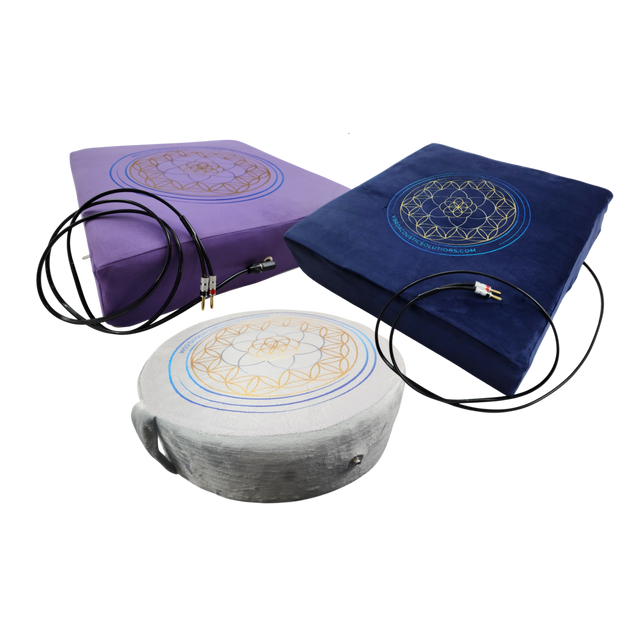
Poduszki często stanowią najbardziej praktyczny punkt wyjścia. Działają na krzesłach biurowych, fotelach rozkładanych, sofach i niektórych stołach zabiegowych, co czyni je atrakcyjnymi dla osób, które chcą terapeutycznego wsparcia bez przearanżowywania pomieszczenia. Są również przydatne dla praktyków, którzy potrzebują przenośnej opcji lub chcą dodać wibracje wibroakustyczne do istniejącej oferty usług.
Dobra poduszka powinna zapewniać wyraźne przenoszenie niskich częstotliwości przez miednicę, kręgosłup lub tułów, a nie rozproszone uczucie brzęczenia. Systemy poduszek są szczególnie przydatne do łagodzenia stresu, relaksu w pozycji siedzącej, wsparcia sensorycznego i krótszych sesji regulacji. Są mniej idealne, jeśli zależy Ci na silnej, pełnej immersji ciała.
3. Zestawy do mocowania na stole do masażu dla praktyków
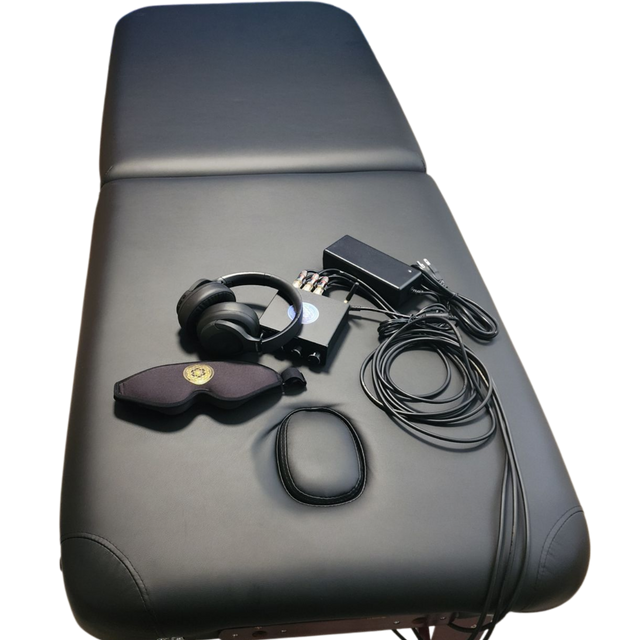
Dla masażystów, terapeutów ciała i praktyków somatycznych zestawy do mocowania mogą być jednym z najinteligentniejszych dostępnych rozwiązań. Przekształcają istniejący stół zabiegowy w platformę do terapii wibroakustycznej, umożliwiając praktykowi włączenie dźwięku o niskiej częstotliwości do masażu, pracy kranio-sakralnej, opieki zorientowanej na traumę lub sesji regeneracyjnych.
Ten format zachowuje przepływ pracy gabinetu zabiegowego, dodając jednocześnie nową warstwę terapeutyczną. Jest również zazwyczaj bardziej opłacalny niż zakup osobnego specjalistycznego łóżka. Główną zmienną jest jakość instalacji. Zestaw źle dopasowany może powodować nierównomierne wibracje lub zakłócać stabilność stołu, dlatego jakość wykonania i rozmieszczenie przetworników mają znaczenie.
4. Zestawy do samodzielnej konwersji dla niestandardowych ustawień
Zestawy do samodzielnej konwersji są atrakcyjne dla kupujących, którzy posiadają już krzesło, ramę łóżka, platformę do medytacji lub powierzchnię zabiegową, którą chcą ponownie wykorzystać. W odpowiednich rękach mogą stanowić niedrogą drogę do spersonalizowanego systemu. Są szczególnie atrakcyjne dla użytkowników zaznajomionych z technologią i praktyków, którzy chcą kontrolować fizyczną konfigurację.
Należy jednak pamiętać, że systemy DIY nie są automatycznie przyjazne dla początkujących. Wydajność w dużej mierze zależy od materiału mebli, pozycji ciała, metody montażu i kompatybilności wzmacniacza. Solidny zestaw z jasnymi wskazówkami może działać bardzo dobrze, ale niestandardowa konstrukcja wymaga więcej podejmowania decyzji niż gotowe urządzenie.
5. Maty przenośne i kompaktowe podkładki do sporadycznego użytku
Niektórzy ludzie szukają lekkiej opcji, którą można przenosić między pokojami lub używać w podróży. Maty przenośne i podkładki spełniają tę potrzebę, szczególnie w przypadku rutyn regeneracyjnych, medytacji lub szybkich sesji dekompresyjnych. Mogą być skuteczne, gdy oczekiwania są realistyczne.
Ograniczeniem jest zazwyczaj moc i pokrycie. Kompaktowe urządzenia mogą wspomagać relaksację, ale rzadko dorównują głębi dobrze zbudowanego łóżka lub profesjonalnego systemu stołowego. Należy je traktować raczej jako narzędzia pomocnicze niż podstawowe platformy kliniczne.
Jak wybrać najlepsze urządzenia do terapii wibroakustycznej dla swoich celów
Jeśli Twoim głównym problemem jest regulacja układu nerwowego, szukaj szerokiego kontaktu, płynnego dostarczania niskich częstotliwości i formatu, który sprzyja bezruchowi. Łóżka i dobrze zaprojektowane systemy stołowe zazwyczaj działają tu najlepiej, ponieważ wspierają uspokojenie całego ciała. Dla wielu użytkowników z przewlekłym stresem, nadmiernym pobudzeniem lub zaburzeniami snu, większa powierzchnia tworzy bardziej kompletny sygnał terapeutyczny.
Jeśli priorytetem jest łagodzenie bólu i napięcia mięśni, ważniejsza staje się siła i umiejscowienie przetworników. Potrzebujesz wystarczającej mocy, aby wywołać znaczące wibracje w gęstej tkance, nie popadając w zbyt dużą intensywność. Mocniejsze nie zawsze oznacza lepsze. Urządzenie, które wydaje się przytłaczające, może być używane rzadziej, zwłaszcza przez wrażliwych użytkowników.
Dla wsparcia sensorycznego, zwłaszcza w przypadkach autyzmu, ADHD, dysregulacji związanej z traumą lub wysokiego napięcia bazowego, kluczowa jest przewidywalność. Urządzenie powinno być stabilne, a nie zaskakujące. Systemy z regulowaną intensywnością i stałą odpowiedzią częstotliwościową są zazwyczaj łatwiejsze do tolerowania i bardziej przydatne w dłuższej perspektywie.
W warunkach klinicznych, trwałość i powtarzalność są prawie tak samo ważne jak efekt terapeutyczny. Praktycy potrzebują sprzętu, który poradzi sobie z regularnymi sesjami, obsługuje różne typy ciała i naturalnie wpasuje się w ich model leczenia. Piękny system, który spowalnia obrót lub dezorientuje klientów, może nie być właściwą inwestycją.
Cechy, które odróżniają urządzenie terapeutyczne od produktu nowatorskiego
Jednym z najjaśniejszych wskaźników jest to, czy system jest zbudowany wokół niskoczęstotliwościowego dostarczania bodźców somatycznych, a nie wokół rozrywki dźwiękowej. Urządzenia terapeutyczne priorytetowo traktują sposób, w jaki dźwięk przenosi się przez ciało. Produkty nowatorskie często skupiają się wyłącznie na doznaniach, z niewielką spójnością lub kontekstem terapeutycznym.
Materiały również wpływają na wyniki. Wyściółka, tapicerka, wsparcie konstrukcyjne i powierzchnia montażowa – wszystko to wpływa na sposób przenoszenia wibracji. Zbyt duża miękkość może pochłonąć sygnał. Zbyt duża sztywność może tworzyć gorące punkty lub dyskomfort. Najlepsze urządzenia są zaprojektowane z myślą o równowadze.
Projekt audio również zasługuje na uwagę. Niektóre systemy łączą sprzęt ze ścieżkami dźwiękowymi zaprojektowanymi pod kątem konkretnych celów terapeutycznych, takich jak ugruntowanie, relaksacja, regeneracja czy koncentracja. Może to być pomocne, zwłaszcza dla użytkowników, którzy nie chcą tworzyć sesji od podstaw. Inni preferują otwartą kompatybilność, aby móc pracować z własnymi protokołami dźwiękowymi.
Firma oparta na nauce powinna również być w stanie wyjaśnić, dlaczego jej produkt jest skonfigurowany w taki, a nie inny sposób. Terminy takie jak częstotliwość, rezonans, wsparcie nerwu błędnego czy mikro-masaż komórkowy powinny być oparte na praktycznym zastosowaniu, a nie używane jako ozdobniki. Jasna edukacja jest często znakiem, że produkt został opracowany z intencją terapeutyczną.
Użytek domowy a użytek profesjonalny
Użytkownicy domowi zazwyczaj najbardziej czerpią korzyści z prostoty. Jeśli konfiguracja wydaje się techniczna lub czasochłonna, spójność spada. Poduszka, łóżko lub gotowa platforma, która pasuje do istniejącej rutyny, często przewyższa bardziej zaawansowane urządzenie, które staje się weekendowym projektem.
Profesjonaliści potrzebują innego spojrzenia. Powinni zastanowić się nad przepustowością klientów, protokołami czyszczenia, układem pomieszczenia i tym, czy wibroakustyka będzie głównym zabiegiem, czy wzmocnieniem nałożonym na inną modalność. Masażysta może najlepiej sprawdzić się z zestawem do mocowania, podczas gdy terapeuta dźwięku lub studio regeneracji może preferować dedykowane łóżko.
W tym miejscu należy również prawidłowo ocenić przystępność cenową. Najniższa cena początkowa nie zawsze oznacza najlepszą wartość. Jeśli urządzeniu brakuje trwałości, kontroli intensywności lub wystarczającego pokrycia ciała, aby osiągnąć znaczące rezultaty, może stać się drogie w inny sposób.
Dla kupujących porównujących opcje, Vibroacoustic Solutions odzwierciedla model, którego wielu ludzi teraz szuka – intencje klasy klinicznej, praktyczne formaty produktów i bardziej przystępna ścieżka do tej kategorii bez pozbawiania jej naukowego aspektu.
Lepsze pytanie niż „co jest najlepsze?”
Gdy ludzie szukają najlepszych urządzeń do terapapii wibroakustycznej, często zadają bardziej użyteczne pytanie: jaka konfiguracja faktycznie pomoże mi lub moim klientom konsekwentnie, bezpiecznie i z mierzalną korzyścią korzystać z tej terapii? Odpowiedź zależy od osoby, która korzysta z terapii, miejsca i powodu, dla którego w ogóle stosuje się wibroakustykę.
Odpowiednie urządzenie powinno być terapeutyczne, a nie sztuczne. Powinno wspierać regulację, a nie nadmierną stymulację. I powinno sprostać Twoim potrzebom, niezależnie od tego, czy oznacza to pełną platformę kliniczną, konwersję stołu dla praktyka, czy kompaktowy system domowy, który w końcu sprawia, że regeneracja staje się częścią Twojej cotygodniowej rutyny.
Jeśli wybierzesz z taką jasnością, technologia staje się czymś więcej niż tylko zakupem. Staje się częścią sposobu praktykowania uzdrawiania.
Najnowsze posty

Somatic Sound Therapy Versus Massage: Key Differences
Read article

Massage Practice Sound Table Example That Works
Read article