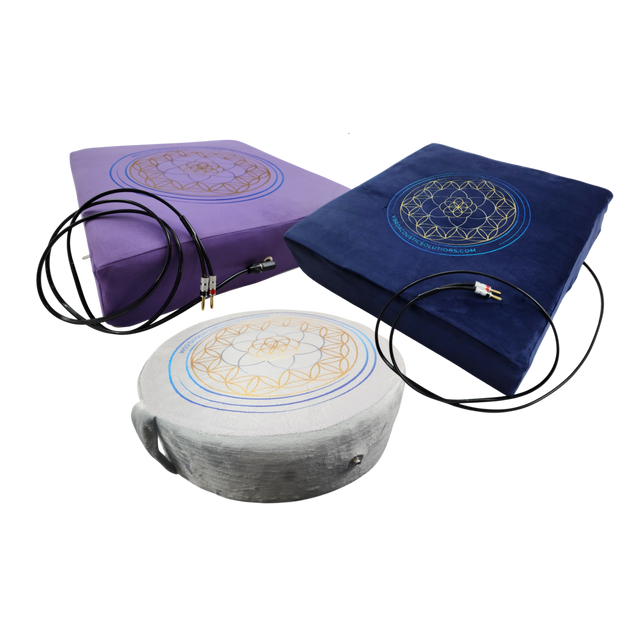
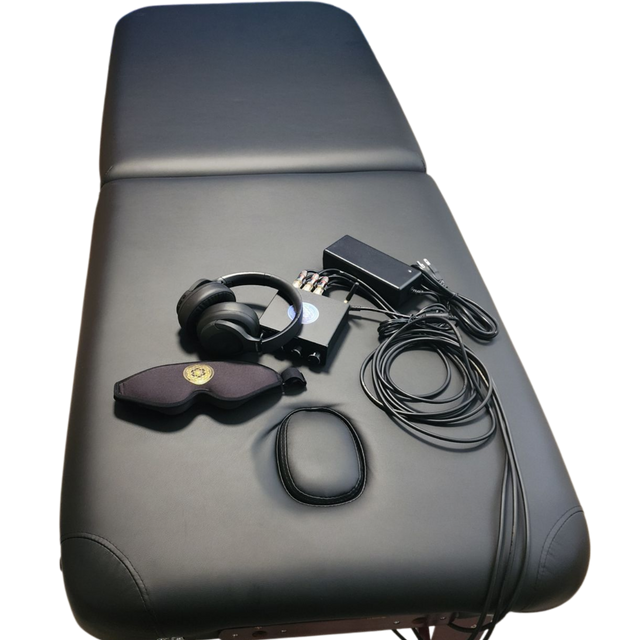
Standardowy stół do masażu może stać się bardziej kompleksowym narzędziem regulacji somatycznej, nie dominując jednocześnie w pomieszczeniu zabiegowym. Nauka, jak dodać terapię dźwiękiem do stołu do masażu, zaczyna się od jednego zasadniczego rozróżnienia: klienci powinni odczuwać dźwięk o niskiej częstotliwości przez stół, a nie tylko słyszeć muzykę grającą w pobliżu. Kiedy wibracje mechaniczne są połączone z celowym dźwiękiem, stół staje się punktem kontaktu dla układu nerwowego, a także dla ciała.
Dla masażystów, terapeutów ciała i praktyków integracyjnego wellness, może to pogłębić poczucie bezpieczeństwa, uziemienia i odpoczynku, które klienci już czerpią z opieki manualnej. Dla użytkowników domowych, konwersja stołu może stworzyć dedykowaną przestrzeń do regeneracji bez zakupu pełnego łóżka wibroakustycznego.
Dlaczego stół do terapii dźwiękiem jest inny
Stół wibroakustyczny wykorzystuje przetworniki dotykowe – czasami nazywane wzmacniaczami basów lub wzbudnikami powierzchniowymi – do konwersji elektrycznego sygnału audio na wibracje mechaniczne. Zamiast wypychać fale dźwiękowe przez powietrze, jak konwencjonalny głośnik, przetwornik przenosi energię o niskiej częstotliwości do ramy stołu i tapicerki. Klient doświadcza częstotliwości poprzez szerokie obszary kontaktu fizycznego: plecy, biodra, nogi, ramiona lub stopy.
Ta fizyczna ścieżka ma znaczenie. Niskie częstotliwości zazwyczaj efektywnie przemieszczają się przez stałe materiały i ciało, szczególnie gdy osoba jest wygodnie podparta na wyściełanej powierzchni. Częstotliwości w zakresie od 20 do 120 Hz są powszechnie stosowane w terapii wibroakustycznej. Na niższym końcu, klienci mogą doświadczyć powolnego, przestrzennego pulsu. W zakresie od 30 do 60 Hz, wiele osób opisuje stabilne, uziemiające wibracje, które wspomagają relaksację i świadomość ciała. Wyższe ustawienia w terapeutycznym zakresie niskich częstotliwości mogą działać bardziej energetyzująco lub mięśniowo, w zależności od osoby, stołu i programu audio.
Doświadczenie nie dotyczy tylko intensywności. Czysty sygnał 40 Hz przy komfortowej głośności może wydawać się bardziej terapeutyczny niż silny, zniekształcony sygnał. W zastosowaniach wibroakustycznych klinicznych i badawczych, starannie kontrolowana stymulacja niskimi częstotliwościami była badana pod kątem relaksacji, wsparcia w bólu, regeneracji mięśni i regulacji sensorycznej. Praktyczny cel w gabinecie zabiegowym jest prostszy: stworzyć stabilne, komfortowe środowisko sensoryczne, które pomoże klientowi skupić się na pracy.
Co jest potrzebne do dodania terapii dźwiękiem do stołu
Najefektywniejszą drogą jest specjalnie zbudowane mocowanie do stołu do masażu lub zestaw do samodzielnej konwersji. Systemy te są zaprojektowane do pracy z limitami wagowymi, materiałami i potrzebami zabiegowymi stołów przenośnych lub stacjonarnych. Możliwa jest niestandardowa instalacja, ale sukces zależy od wyboru komponentów, które są ze sobą kompatybilne.
Funkcjonalny zestaw zazwyczaj składa się z tych pięciu części:
- Jeden lub dwa przetworniki dotykowe przeznaczone do montażu w meblach lub na stole zabiegowym
- Kompatybilny wzmacniacz o wystarczającej mocy dla wymagań impedancji i mocy przetworników
- Źródło dźwięku, takie jak telefon, tablet, komputer lub dedykowany odtwarzacz
- Bezpieczne elementy montażowe, materiały izolujące wibracje i odpowiednio ułożone kable
- Ścieżki audio o niskiej częstotliwości, tony lub muzyka terapeutyczna zaprojektowana do odtwarzania dotykowego
Przed zakupem sprzętu sprawdź instrukcje producenta stołu, jego nośność, prześwit pod spodem i konstrukcję ramy. Przetwornik nigdy nie powinien kolidować z mechanizmami składania, linkami podtrzymującymi, regulacją wysokości, mocowaniami do podgłówka ani bezpiecznym dostępem klienta na stół i ze stołu.
Jak bezpiecznie dodać terapię dźwiękiem do stołu do masażu
Wybierz właściwe miejsce
Dla większości stołów do masażu, najlepszym punktem wyjścia jest spód głównej sekcji, blisko centralnej linii ramy. Takie umiejscowienie rozprowadza wibracje po tułowiu i miednicy, gdzie klienci zazwyczaj odczuwają je najjaśniej. Na dłuższych stołach, dwa mniejsze przetworniki mogą zapewnić bardziej równomierne pokrycie niż jedna większa jednostka.
Unikaj montowania przetwornika bezpośrednio pod strukturalnym słabym punktem lub zbyt blisko krawędzi stołu. Urządzenie umieszczone pod zagłówkiem może wydawać się nadmiernie skoncentrowane i może powodować niepożądany hałas w pobliżu uszu. Umieszczenie pod dolnymi partiami nóg może być przydatne podczas niektórych sesji skoncentrowanych na regeneracji, ale zazwyczaj nie jest to najlepsza uniwersalna lokalizacja.
Przed trwałym zamocowaniem czegokolwiek, przytrzymaj lub tymczasowo umieść przetwornik, odtwarzając ton testowy o niskiej głośności. Połóż się na stole, jeśli to możliwe. Zwróć uwagę, czy wibracje są wyśrodkowane, równomierne i ciche. Jeśli poczujesz grzechotanie, brzęczenie lub ostry punkt skupienia, dostosuj położenie przed instalacją.
Montaż dla kontaktu, nie dla hałasu
Przetwornik musi być mocno połączony z solidną częścią stołu, aby energia była efektywnie przenoszona. Postępuj zgodnie z instrukcjami montażu dostarczonymi z osprzętem i używaj śrub, wsporników lub płyt odpowiednich do materiału ramy. Luźna instalacja jest jedną z najczęstszych przyczyn słabej wydajności. Tworzy ona mechaniczne stukanie zamiast płynnych wibracji dotykowych.
Jednocześnie nie należy nadmiernie dokręcać elementów w cienkiej sklejce lub wspornikach tapicerki, które nie są w stanie bezpiecznie przenosić obciążenia. Jeśli konstrukcja stołu tego wymaga, wzmocniona płyta montażowa może rozłożyć siłę na większej powierzchni. Wszystkie elementy mocujące powinny być płaskie, bezpieczne i z dala od obszarów, gdzie mogłyby kontaktować się z klientem lub utrudniać ruch stołu.
Podłącz wzmacniacz i źródło
Poprowadź przewody głośnikowe od przetwornika do wzmacniacza, przestrzegając podanych przez sprzęt terminali dodatniego i ujemnego. Zabezpiecz kable przed stopami, ruchomymi stołkami, środkami czyszczącymi i zawiasami stołu. W profesjonalnych gabinetach zabiegowych, osłony kabli lub uchwyty do prowadzenia kabli sprawiają, że konfiguracja jest bezpieczniejsza i bardziej estetyczna.
Podłącz wzmacniacz do wybranego źródła dźwięku, a następnie zacznij od najniższej możliwej głośności. Jeśli wzmacniacz zawiera filtr dolnoprzepustowy, zacznij od odcięcia około 80 do 100 Hz. Priorytetyzuje to częstotliwości, które klienci mogą odczuć, jednocześnie redukując rozpraszający dźwięk średniotonowy z samego stołu.
Użyj zewnętrznego głośnika tylko wtedy, gdy chcesz, aby klient wyraźnie słyszał muzykę w pomieszczeniu. Przetwornik stołowy służy do wibracji dotykowej; głośnik służy do dźwięku przenoszonego drogą powietrzną. Używane razem, mogą stworzyć wciągającą sesję. Używane oddzielnie, każde z nich może nadal służyć określonemu celowi.
Skalibruj częstotliwość, zanim użyjesz jej z klientami
Stół do terapii dźwiękiem powinien zapewniać wsparcie, nigdy nie zaskakując. Kalibracja nie jest jednorazowym zadaniem, ponieważ reakcja stołu zmienia się wraz z wagą klienta, pozycją ciała, gęstością tapicerki i rodzajem odtwarzanego dźwięku.
Zacznij od stabilnego toru niskich częstotliwości na poziomie, który jest wyraźnie wyczuwalny, ale delikatny. Wielu praktyków zaczyna od zakresu 30 do 50 Hz, aby uzyskać kojące, całe ciało odczucie. Ton 40 Hz jest często używany jako punkt odniesienia, ponieważ jest łatwo wyczuwalny przez powierzchnię zabiegową, nie wymagając nadmiernej mocy wyjściowej. Powolne, rytmiczne programy w zakresie od 20 do 40 Hz mogą być szczególnie kojące podczas sesji skoncentrowanych na odpoczynku.
Unikaj zakładania, że więcej wibracji oznacza więcej korzyści. Niektórzy klienci lubią wyraźne doświadczenie niskich częstotliwości, podczas gdy inni – zwłaszcza ci z podwyższoną wrażliwością sensoryczną, wzorcami migrenowymi, napięciem związanym z traumą lub zmęczeniem – mogą preferować subtelne ustawienie. Oferuj wybór prostym językiem: „Poczujesz delikatne wibracje przez stół. Daj mi znać, jeśli chcesz, aby było ciszej, mocniej lub wyłączone”.
Daj systemowi kilka minut na rozgrzewkę przed sesją. Posłuchaj, czy nie ma grzechotania, sprawdź, czy żadne kable nie są napięte i upewnij się, że blat stołu pozostaje stabilny. Pożądanym rezultatem jest czysta, otulająca wibracja, która wspiera sesję, zamiast z nią konkurować.
Wbuduj terapię dźwiękiem w sesję z zamiarem
Moment zastosowania terapii wibroakustycznej kształtuje doświadczenie klienta. Niektórzy praktycy używają 5 do 10 minut dźwięku o niskiej częstotliwości na początku sesji, aby wspomóc przybycie i uspokojenie. Inni wprowadzają go podczas momentów bezruchu w masażu, wspomaganym rozciąganiu, pracy z oddechem lub prowadzonym odpoczynku. Dłuższy okres integracji na końcu może dać klientom czas na odczucie swojego ciała bez konieczności wykonywania lub reagowania.
W przypadku sesji skoncentrowanej na regeneracji, stabilny, umiarkowanie szybki program o niskiej częstotliwości może dobrze współgrać z pracą nad dużymi grupami mięśni. W przypadku wsparcia w stresie, delikatniejsze częstotliwości i wolniejsze frazowanie muzyczne mogą pomóc w utrzymaniu cichego środowiska zabiegowego. Jeśli używasz muzyki z bogatym basem, testuj ją ostrożnie: komercyjne utwory często zawierają nagłe zmiany głośności i bardzo niskie subbasy, które mogą wydawać się niespójne przez stół.
Dedykowany program wibroakustyczny jest zazwyczaj łatwiejszy do kontrolowania niż ogólna lista odtwarzania. Pozwala on na wybór zakresów częstotliwości, tempa i czasu trwania z myślą o celu terapeutycznym. Systemy Vibroacoustic Solutions są projektowane z myślą o tej praktycznej potrzebie, pomagając praktykom w dodawaniu dotykowego dźwięku o klinicznej jakości bez przebudowy całego miejsca zabiegowego.
Konserwuj system jak każdy inny sprzęt zabiegowy
Regularnie sprawdzaj osprzęt montażowy i kable, szczególnie jeśli stół jest składany do transportu lub używany przez wielu praktyków. Utrzymuj wzmacniacz wentylowany i z dala od olejów, wody i źródeł ciepła. Czyść stół jak zwykle, ale nie dopuszczaj do gromadzenia się środków czyszczących wokół elementów elektrycznych.
Co najważniejsze, utrzymuj współpracę. Terapia wibroakustyczna działa najlepiej, gdy klienci wiedzą, że mają kontrolę nad intensywnością i mogą w każdej chwili zrobić przerwę. Dobrze zainstalowany stół do terapii dźwiękiem nie musi być spektakularny, aby był znaczący. Nawet cicha warstwa odczuwalnych wibracji o niskiej częstotliwości może dać klientowi rzadką okazję do zwolnienia tempa, poczucia swojego ciała i opuszczenia stołu czując się bardziej spokojnie niż w momencie przybycia.
Najnowsze posty


Vibration Therapy Versus Massage for Recovery
Read article