Czy terapia wibroakustyczna jest bezpieczna? Dla większości ludzi, odpowiednio zaprojektowany system używany z komfortową intensywnością jest delikatnym, nieinwazyjnym sposobem na wspieranie relaksu, świadomości ciała i regulacji układu nerwowego. Bezpieczeństwo nie zależy tylko od samego sprzętu. Zależy ono również od zakresu częstotliwości, intensywności wibracji, długości sesji, historii zdrowotnej i tego, czy osoba może komfortowo odbierać dotykowy dźwięk.
Terapia wibroakustyczna jest często odczuwana jako głęboko uspokajająca, ponieważ dostarcza układowi nerwowemu więcej niż tylko coś do słuchania. Niskie częstotliwości dźwięku przenoszą się przez łóżko, poduszkę lub stół zabiegowy jako fizyczne wibracje, tworząc rytmiczne bodźce sensoryczne w całym ciele. Dla osoby, która odczuwa stres w mięśniach, jest niespokojna lub ma trudności z uspokojeniem się po wymagającym dniu, ten stały bodziec może stworzyć silne poczucie ugruntowania.
Jak terapia wibroakustyczna działa na ciało
Terapia wibroakustyczna łączy słyszalną muzykę lub dźwięki z niskoczęstotliwościowymi wibracjami, zazwyczaj w zakresie od około 20 do 120 Hz. Częstotliwości poniżej około 20 Hz są ogólnie uważane za infradźwięki, podczas gdy zakres od 30 do 80 Hz jest często używany w ustawieniach wibroakustycznych, ponieważ może być wyraźnie odczuwany przez ciało bez potrzeby nadmiernej głośności.
Przetwornik przekształca sygnał audio w ruch mechaniczny. Zamiast po prostu odtwarzać muzykę z mocnym basem w pomieszczeniu, przenosi on kontrolowane wibracje na powierzchnię podtrzymującą ciało. W rezultacie powstaje forma dźwięku dotykowego: klatka piersiowa, plecy, nogi i stopy mogą odczuwać rytm jako delikatny puls lub falę.
Ma to znaczenie dla bezpieczeństwa, ponieważ odczucie jest częścią dawki. Niska częstotliwość o umiarkowanej, komfortowej amplitudzie może działać uspokajająco. Ta sama częstotliwość przy niepotrzebnie wysokiej mocy może być rozpraszająca, nadmiernie stymulująca lub fizycznie niekomfortowa. Praktyka kliniczna zaczyna się od najmniejszego efektywnego odczucia i od tego się dostosowuje.
Badacze, badający zastosowania wibroakustyczne, byli szczególnie zainteresowani jej rolą w regulacji somatycznej. Rytmiczne bodźce sensoryczne mogą wpływać na napięcie mięśniowe, tempo oddychania i przejście organizmu w stan spoczynku i trawienia. Niektóre protokoły wykorzystują również częstotliwości około 40 Hz, zakres, który zwrócił uwagę w badaniach sensorycznych i neurologicznych. Jednak najbardziej odpowiednia częstotliwość nie jest uniwersalna. Reakcja organizmu jest ważniejsza niż gonienie za konkretną liczbą.
Czy terapia wibroakustyczna jest bezpieczna dla większości ludzi?
Dla ogólnie zdrowych dorosłych, sesje wibroakustyczne są zazwyczaj dobrze tolerowane, gdy sprzęt jest używany zgodnie z instrukcjami. Wiele osób zaczyna od 15-20 minutowej sesji i przechodzi do 30 lub 45 minut, jeśli doświadczenie pozostaje komfortowe. Użytkownik domowy może wybrać cichy utwór muzyczny z delikatnymi wibracjami dotykowymi, podczas gdy terapeuta może zastosować bardziej ustrukturyzowany protokół oparty na celach i preferencjach sensorycznych klienta.
Najczęstsze oznaki, że sesja wymaga dostosowania, są proste: odczuwanie zbyt dużej temperatury, napięcia, zawrotów głowy, zaskoczenie wibracjami, zalanie emocjonalne lub niemożność zrelaksowania się na powierzchni. To nie są powody, by brnąć dalej. Zmniejsz intensywność, skróć sesję, zmień dźwięk lub zakończ na ten dzień.
Terapia wibroakustyczna powinna być wspierająca, a nie wymuszająca. Wibracje nie muszą być intensywne, aby miały znaczenie. W rzeczywistości, osoby bardzo wrażliwe na dotyk, dźwięk lub wewnętrzne odczucia ciała często czerpią korzyści z rozpoczęcia na ledwo wyczuwalnym poziomie. Jest to szczególnie istotne dla osób z autyzmem, ADHD, napięciem związanym z traumą, wrażliwością na migrenę lub dysregulacją sensoryczną. Celem jest zapewnienie przewidywalnych bodźców sensorycznych, które układ nerwowy może przyjąć, a nie przytłoczenie go stymulacją.
Kiedy należy zasięgnąć indywidualnej porady
Terapia wibroakustyczna to metoda wspierająca zdrowie i dobre samopoczucie, jednak w niektórych okolicznościach zdrowotnych wymaga indywidualnej zgody wykwalifikowanego pracownika służby zdrowia. Jest to szczególnie wskazane dla osób z implantowanymi urządzeniami elektronicznymi, znaczącymi problemami sercowo-naczyniowymi, historią napadów padaczkowych, w ciąży, z ostrym urazem, aktywnymi zakrzepami krwi, niewyjaśnionym bólem lub schorzeniem, w którym wibracje mogą być ograniczone.
Praktykujący powinni również zachować szczególną ostrożność w przypadku klientów ze zmniejszonymi odczuciami, ciężką neuropatią, delikatną skórą, po niedawnej operacji lub mających trudności z komunikowaniem dyskomfortu. Osoba może nie być w stanie dokładnie odczuć lub zgłosić, kiedy nacisk, ciepło lub wibracje stały się zbyt intensywne. W takich przypadkach niezbędne są krótsze sesje, niższa intensywność, uważna obserwacja i wyraźna zgoda.
Dla osób z historią traumy, bezpieczeństwo obejmuje zarówno emocjonalne tempo, jak i fizyczne aspekty. Niskoczęstotliwościowe wibracje mogą wywołać silne wewnętrzne skupienie. Wiele osób uważa to za głęboko odnawiające, ale sesja może również uświadomić odczucia, które zazwyczaj pozostają poza świadomą uwagą. Podejście uwzględniające traumę daje osobie kontrolę nad ustawieniami, pozwala jej przerwać w dowolnym momencie i unika traktowania bezruchu jako wymogu.
Bezpieczne ustawienia: intensywność ma większe znaczenie niż deklaracje intensywności
Częstym błędem jest założenie, że silniejsze wibracje dają lepsze rezultaty terapeutyczne. To nieprawda. Właściwe ustawienie to takie, które tworzy wyraźny, ale przyjemny dźwięk dotykowy, bez grzechotania, dyskomfortu ani uczucia ucisku w głowie lub klatce piersiowej.
Do użytku domowego zacznij od ustawienia głośności i poziomu przetwornika na tyle nisko, abyś mógł swobodnie rozmawiać. Połóż się lub usiądź w stabilnej, wygodnej pozycji i obserwuj, jak Twoje oddychanie i mięśnie reagują przez pierwsze kilka minut. Jeśli Twoja szczęka się zaciska, ramiona podnoszą się, lub wibracje są ostre, a nie gładkie, zmniejsz moc.
Wybór częstotliwości również zasługuje na przemyślane podejście. Niższe tony, około 30 do 50 Hz, mogą być odczuwane jako wolne, przestrzenne i fizycznie ugruntowujące. Średnio-niskie częstotliwości, około 50 do 80 Hz, mogą być odczuwane wyraźniej przez większe grupy mięśniowe i tułów. Wyższe częstotliwości w typowym zakresie wibroakustycznym mogą tworzyć żywsze doświadczenie dotykowe. Żadne nie jest z natury lepsze. Osoba szukająca spokojnego odpoczynku może preferować inne doświadczenie niż ktoś, kto korzysta z sesji jako części rutyny regeneracyjnej.
Wybór muzyki również przyczynia się do bezpieczeństwa. Relaksująca muzyka z nagłymi spadkami basów, szybkimi zmianami tempa lub intensywnymi emocjonalnie tekstami może być mniej uspokajająca niż oczekiwano. Spokojny, przestrzenny dźwięk jest często łatwiejszy do przyjęcia przez układ nerwowy. Niektóre osoby czują się przyciągane do muzyki o częstotliwości 432 Hz, tonów Solfeggio lub pejzaży dźwiękowych inspirowanych naturą ze względu na poczucie rezonansu i rytuału, które tworzą. Te preferencje mogą być cennymi wskazówkami, gdy dźwięk pomaga słuchaczowi czuć się bezpiecznie, obecnym i zrelaksowanym.
Praktyczny protokół pierwszej sesji
Najbezpieczniejsza pierwsza sesja jest celowo umiarkowana. Poświęć 15 minut w spokojnym miejscu, gdzie nie musisz prowadzić samochodu, podejmować decyzji ani natychmiast wracać do wymagającej pracy. Przyjmij pozycję wspierającą, miej wodę pod ręką i zacznij od niskiej częstotliwości wibracji na delikatnym poziomie.
Przez pierwsze pięć minut po prostu obserwuj. Czy Twój oddech staje się łatwiejszy? Czy Twoje mięśnie czują się bardziej rozluźnione? Czy wibracje są komfortowe w obszarach dotykających powierzchni? Jeśli odpowiedź brzmi tak, kontynuuj. Jeśli nie, zmniejsz intensywność lub zakończ sesję. Następnie poświęć minutę przed wstaniem, zwłaszcza jeśli byłeś głęboko zrelaksowany.
Dla praktyków ta sama zasada staje się nawykiem klinicznym: wyjaśnij odczucia przed rozpoczęciem, uzyskaj świadomą zgodę, daj klientowi jasny sposób na sygnalizowanie dyskomfortu i kontroluj go podczas sesji. Sprzęt powinien być konserwowany, kable zabezpieczone, powierzchnie czyszczone między klientami, a ustawienia dokumentowane podczas tworzenia powtarzalnego planu leczenia.
Bezpieczeństwo to również wysokiej jakości sprzęt
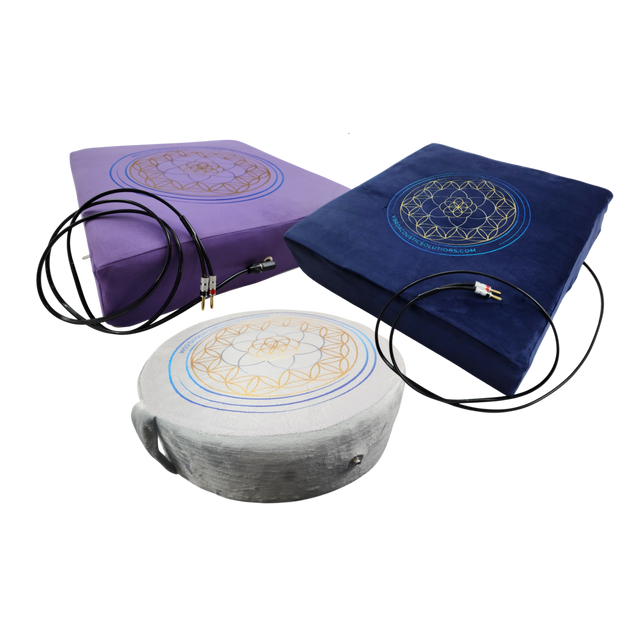
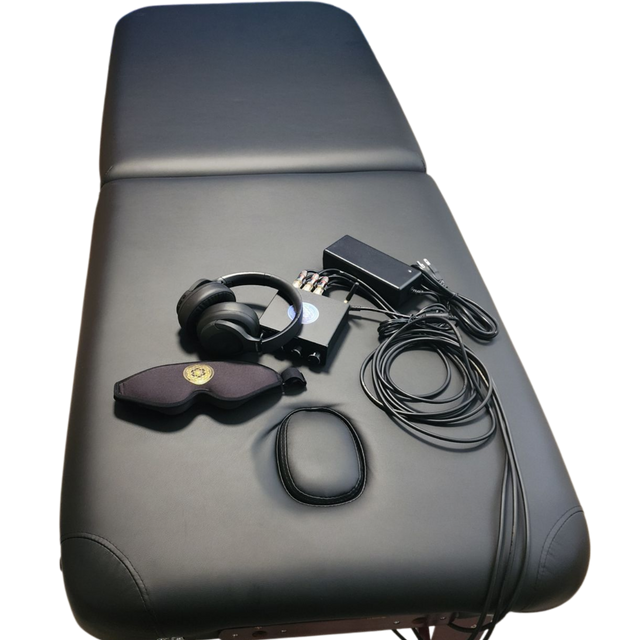
Konstrukcja systemu ma bezpośredni wpływ na doświadczenie. Dobrze zbudowane łóżko, poduszka lub nakładka na stół do masażu do terapii wibroakustycznej powinny równomiernie rozkładać wibracje i umożliwiać użytkownikowi precyzyjne regulacje. Słabo dopasowane komponenty audio mogą powodować zniekształcenia, nagłe zmiany mocy lub nierównomierne wibracje, które utrudniają znalezienie komfortowej dawki.
Jest to jeden z powodów, dla których wielu użytkowników domowych i profesjonalistów wybiera specjalnie zaprojektowane systemy, zamiast improwizować z mocnymi głośnikami. Vibroacoustic Solutions projektuje systemy oparte na kontrolowanym dźwięku dotykowym, co pomaga zapewnić bardziej spójne doświadczenie na łóżkach, poduszkach, stołach do masażu i w samodzielnych adaptacjach.
Bezpieczna praktyka nie jest skomplikowana: zacznij delikatnie, słuchaj ciała i ustal komfort jako standard. Gdy dźwięk o niskiej częstotliwości jest dostarczany z troską, terapia wibroakustyczna może stać się niezawodną przestrzenią do zatrzymania się, uspokojenia i ponownego połączenia z własną zdolnością ciała do regulacji.
Najnowsze posty


Vibration Therapy Versus Massage for Recovery
Read article