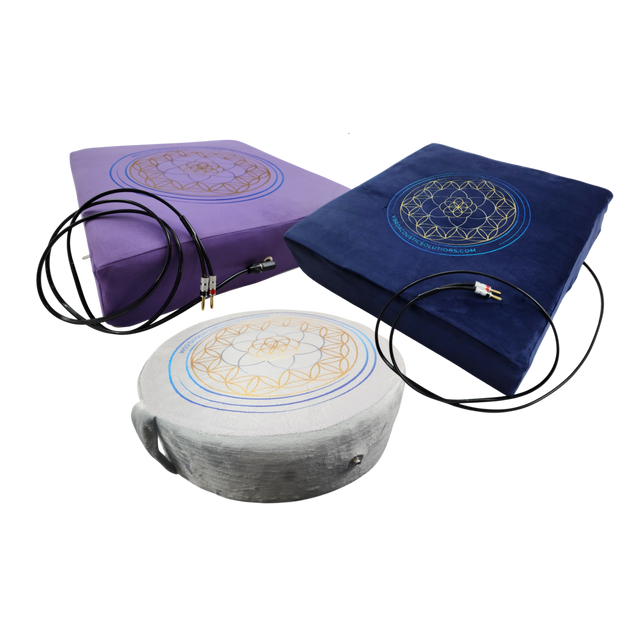
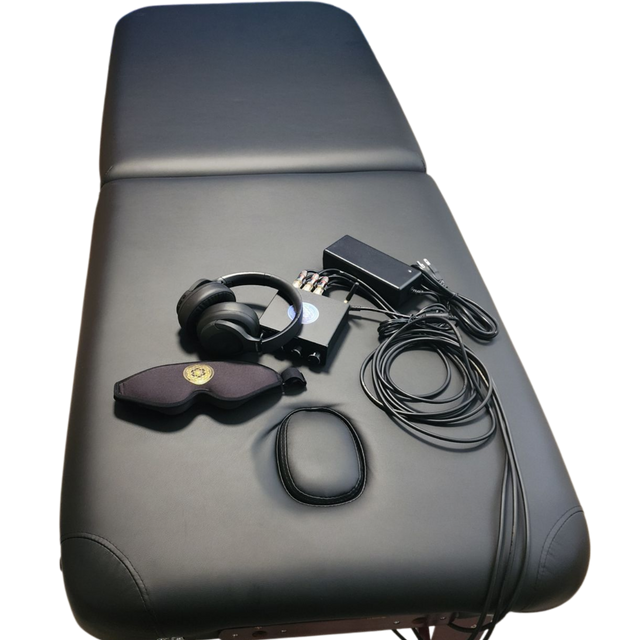
Ciągły ton o częstotliwości 40 Hz jest odczuwany bardzo różnie, gdy jest słyszany przez uszy, w porównaniu do tego, gdy jest odczuwany przez plecy, biodra i nogi. Poprzez wibroakustyczną powierzchnię, dźwięk o niskiej częstotliwości staje się fizycznym doświadczeniem: delikatne, rytmiczne wibracje, które podróżują przez ciało i dostarczają układowi nerwowemu wyraźnych informacji sensorycznych. Czy zatem niskie częstotliwości są terapeutyczne? Mogą być, szczególnie gdy częstotliwość, intensywność, czas i indywidualny komfort są starannie dopasowane.
Terapia wibroakustyczna wykorzystuje częstotliwości dźwięku, zazwyczaj od 20 do 120 Hz, do wytwarzania mierzalnych wibracji w łóżku, macie, poduszce lub stole zabiegowym. Zamiast wymagać od ciała większego wysiłku, oferuje nieinwazyjną formę somatycznego bodźca, który może wspierać relaksację, zarządzanie bólem, regenerację i regulację sensoryczną.
Co sprawia, że niskie częstotliwości są odczuwane jako terapeutyczne?
Mechanizm zaczyna się od fizyki. Dźwięk to wibracja, a niskie częstotliwości mają dłuższe długości fal i wolniejsze tempo oscylacji niż tony o wyższej tonacji. Kiedy te częstotliwości są dostarczane przez przetwornik wbudowany w powierzchnię wspierającą, wibracja jest przenoszona bezpośrednio do ciała poprzez kontakt.
Skóra, powięź, mięśnie i stawy zawierają receptory sensoryczne, które reagują na nacisk, rozciąganie, ruch i wibracje. Ciałka blaszkowate, na przykład, są bardzo wrażliwe na wibracje, podczas gdy wrzeciona mięśniowe i receptory stawowe dostarczają mózgowi informacji o pozycji i ruchu ciała. Sesja wibroakustyczna dostarcza tym systemom stałego, zorganizowanego bodźca bez konieczności intensywnego ruchu.
Ten bodziec sensoryczny jest ważny, ponieważ mózg nieustannie decyduje, czy ciało potrzebuje mobilizacji, ochrony, odpoczynku czy regeneracji. Powolne, przewidywalne wibracje w połączeniu z wygodną pozycją i uspokajającą muzyką mogą pomóc odwrócić uwagę od zewnętrznych wymagań i skierować ją na wewnętrzne sygnały bezpieczeństwa. Wiele osób opisuje uczucie uziemienia, osadzenia lub głębokiego trzymania przez dźwięk.
Efekt nie polega jedynie na słyszeniu nuty basowej. W terapii wibroakustycznej ciało otrzymuje wibracje dotykowe wraz z słyszalnym dźwiękiem. Ta kombinacja może być szczególnie znacząca dla osób, które uważają dotyk, rytm i rezonans o niskiej częstotliwości za bardziej regulujące niż same werbalne techniki relaksacyjne.
Czy niskie częstotliwości są terapeutyczne na każdym poziomie Hz?
Nie automatycznie. Niska częstotliwość to szeroka kategoria, a każdy zakres może tworzyć inne doświadczenie sensoryczne. Słyszalne niskie częstotliwości zazwyczaj obejmują od około 20 do 250 Hz. Programy wibroakustyczne często koncentrują się na dolnej części tego spektrum, gdzie dźwięk jest wyraźnie odczuwalny przez powierzchnię zabiegową.
Częstotliwości w okolicach 20 do 40 Hz mają tendencję do odczuwania się jako wolne, przestronne i głęboko fizyczne. Praktycy mogą używać tego zakresu do uspokojenia, świadomości ciała i delikatnej relaksacji. Około 40 Hz wibracje są często odczuwane jako płynny, pełnoobrotowy puls, w zależności od sprzętu i rozmiaru ciała, pozycji i wrażliwości słuchacza.
Zakres 50 do 80 Hz może być bardziej energetyzujący lub mięśniowy. Jest on powszechnie badany w sesjach zorientowanych na regenerację, wspieranie napięcia i programach zaprojektowanych w celu zwiększenia świadomości większych obszarów ciała. Częstotliwości między 80 a 120 Hz często są bardziej zlokalizowane i teksturowane, co niektórzy użytkownicy preferują dla ukierunkowanych obszarów napięcia lub dla czujnego, ale spokojnego doświadczenia sensorycznego.
Nie ma uniwersalnie idealnej częstotliwości terapeutycznej. Osoba cierpiąca na ból po wysiłku może czerpać korzyści z innego protokołu niż ktoś, kto jest nadmiernie pobudzony, niewyspany lub doświadcza napięcia związanego z traumą. Najskuteczniejsza sesja to zazwyczaj taka, która jest komfortowa, przewidywalna i łatwa do przyjęcia przez układ nerwowy.
Jak wibracje wibroakustyczne mogą wspierać regulację
Terapeutyczny dźwięk o niskiej częstotliwości jest często omawiany w związku z autonomicznym układem nerwowym, który koordynuje funkcje takie jak tętno, oddychanie, trawienie i reakcja na stres. Sesja wibroakustyczna nie zmusza ciała do relaksu. Zamiast tego tworzy warunki, które mogą ułatwić relaksację: podparta postawa, zmniejszony wysiłek mięśniowy, rytmiczny bodziec sensoryczny i czas wolny od wymagań poznawczych.
Często najpierw zmienia się oddech. Gdy osoba uspokaja się na wibrującej powierzchni, oddychanie może stać się wolniejsze i mniej powściągliwe. Mięśnie, które przez cały dzień były napięte, mogą zacząć się rozluźniać. Jest to jeden z powodów, dla których terapia wibroakustyczna może tak naturalnie łączyć się z masażem, pracą z ciałem, psychoterapią, medytacją i praktykami regeneracyjnymi.
Badacze zajmujący się wibracjami i interwencjami muzycznymi odkryli obiecujące wzorce związane z relaksacją, percepcją bólu, nastrojem i jakością życia. Kliniczne programy wibroakustyczne były również badane u osób starszych, osób z chorobami neurologicznymi, osób zarządzających przewlekłym bólem i dzieci z potrzebami sensorycznymi. Wyniki różnią się, ponieważ protokoły są bardzo zróżnicowane, ale powtarzające się pytanie kliniczne jest przekonujące: czy precyzyjnie dostarczana wibracja może pomóc ciału przejść od przeciążenia do regulacji?
Dla wielu użytkowników odpowiedź jest odczuwana, zanim zostanie wyrażona słowami. Doświadczenie może polegać na cichszym umyśle, uczuciu ciepła w mięśniach, łatwiejszym śnie tej nocy lub odnowionej zdolności do zauważania, gdzie utrzymywało się napięcie.
Niskie częstotliwości dla bólu, regeneracji i snu
Ból to nie tylko sygnał z tkanek. Jest on również kształtowany przez uwagę, stres, sen, wcześniejsze doświadczenia i ogólny poziom wrażliwości układu nerwowego. Dlatego delikatne wibracje o niskiej częstotliwości mogą być przydatne jako część szerszej rutyny wspierającej ból. Mogą one oferować konkurencyjny bodziec sensoryczny, zachęcać do spokoju i tworzyć bardziej komfortową relację z ciałem.
W przypadku regeneracji fizycznej, krótka sesja po ćwiczeniach lub pracy z ciałem może zapewnić przejście od wysiłku do odpoczynku. Rytmiczny ruch jest czasami opisywany jako komórkowy mikromasaż, choć doświadczenie jest szersze niż jeden poziom tkanki. Ciało otrzymuje stymulację dotykową na dużej powierzchni kontaktu, często gdy osoba jest w pełni podparta i może zrezygnować z niepotrzebnego wysiłku.
Wsparcie snu to kolejne powszechne zastosowanie. Sesja trwająca od 20 do 40 minut z delikatnym programem może pomóc stworzyć rytuał przed snem, który oddziela dzień od nocy. Niższa głośność, stopniowe przejścia i częstotliwości, które są raczej kojące niż stymulujące, są zazwyczaj najlepszym punktem wyjścia. Celem nie jest osiągnięcie konkretnej liczby, ale zbudowanie powtarzalnego sygnału do odpoczynku.
Rola muzyki, intencji i osobistego znaczenia
Częstotliwość nie istnieje w izolacji. Ta sama wibracja o częstotliwości 40 Hz może być odczuwana zupełnie inaczej, gdy jest połączona z wolną muzyką instrumentalną, pejzażami dźwiękowymi opartymi na naturze, kierowanym oddychaniem lub ciszą między tonami. Muzyka dodaje kontekstu emocjonalnego, podczas gdy wibracje stanowią bezpośrednią fizyczną kotwicę.
Niektórzy słuchacze również głęboko łączą się z tonami o znaczeniu kulturowym, duchowym lub osobistym, w tym z muzyką 432 Hz, kompozycjami opartymi na Solfeggio i częstotliwościami inspirowanymi naturą. Te praktyki często rezonują, ponieważ zapraszają uwagę, rytuał i odczuwalne poczucie połączenia. W warunkach terapeutycznych osobiste znaczenie może być cenną częścią doświadczenia. Kiedy dźwięk pomaga komuś poczuć się bezpiecznie, obecnym i otwartym, ta sama reakcja ma znaczenie.
Jak rozważnie używać niskich częstotliwości
Zacznij od niskiej do umiarkowanej intensywności, która jest przyjemnie zauważalna, nigdy przytłaczająca. Do użytku domowego 15 do 30 minut często wystarcza, aby dowiedzieć się, jak reaguje twoje ciało. Leżenie na wibroakustycznym łóżku lub poduszce rozkłada kontakt na całe ciało, podczas gdy przystawka do stołu do masażu może zintegrować wibracje z istniejącą sesją kliniczną.
Kluczowa jest raczej konsekwencja niż intensywność. Kilka komfortowych sesji w tygodniu może być bardziej wspierające niż sporadyczna sesja odtwarzana zbyt głośno lub zbyt mocno. Prowadź prosty zapis tego, jak się czujesz przed, bezpośrednio po i później tego dnia. Zwróć uwagę na jakość snu, napięcie mięśni, nastrój, wrażliwość na ból i energię, nie naciskając na osiągnięcie konkretnego rezultatu.
Osoby wrażliwe na dźwięk mogą preferować krótsze sesje, niższy poziom głośności i stopniowe zmiany częstotliwości. Osoby korzystające z wszczepionych urządzeń elektronicznych, zmagające się z ostrymi problemami zdrowotnymi lub będące w ciąży mogą skorzystać z indywidualnych wskazówek odpowiedniego pracownika służby zdrowia przed użyciem sprzętu opartego na wibracjach. Wykwalifikowany terapeuta może również dostosować sesję do potrzeb sensorycznych, ograniczeń ruchowych i celów terapeutycznych.
Niskie częstotliwości nie są skrótem do złożoności ciała. Są praktyczną formą wsparcia sensorycznego: takiej, która mówi rytmem, naciskiem i rezonansem, a nie instrukcjami. Dzięki sprzętowi klinicznemu, celowemu programowaniu i możliwości wsłuchania się w reakcje ciała, terapia wibroakustyczna może stać się stałą częścią sposobu, w jaki tworzysz odpoczynek, regenerację i regulację.
Najnowsze posty

Somatic Sound Therapy Versus Massage: Key Differences
Read article

Massage Practice Sound Table Example That Works
Read article