Kiedy ból utrzymuje się przez miesiące, cel zazwyczaj się zmienia. Nie chodzi już tylko o ukojenie bolącego stawu czy odpoczynek dla nadwyrężonego mięśnia. Fizjoterapia w zarządzaniu bólem przewlekłym koncentruje się na przywracaniu funkcji, zmniejszaniu wrażliwości i pomaganiu ciału w ponownym bezpiecznym odczuwaniu ruchu.
To rozróżnienie ma znaczenie, ponieważ ból przewlekły rzadko jest tłumaczony wyłącznie uszkodzeniem tkanek. W wielu przypadkach ból utrzymuje się po zagojeniu się pierwotnego urazu, albo rozwija się bez wyraźnej przyczyny strukturalnej, która w pełni wyjaśniałaby intensywność objawów. Układ nerwowy może stać się bardziej reaktywny, sen może się pogorszyć, chemia stresu może pozostać podwyższona, a codzienne ruchy mogą zacząć wydawać się groźne. Skuteczna opieka musi uwzględniać ten pełny obraz.
Co faktycznie leczy fizjoterapia w zarządzaniu bólem przewlekłym
Fizjoterapia w bólu przewlekłym jest często kojarzona z bólem pleców, szyi, artretyzmem i rekonwalescencją pooperacyjną, ale jej zakres jest znacznie szerszy. Może być stosowana w fibromialgii, bólu miednicy, bólach głowy, zespołach przeciążeniowych, bólu stawów, starych, nigdy w pełni niezagojonych urazach i bólu związanym z dysregulacją układu nerwowego. Niektórzy pacjenci zgłaszają się z diagnozą. Inni przychodzą z długą historią objawów i bardzo niewieloma jasnymi odpowiedziami.
To, co odróżnia ten rodzaj terapii od krótkoterminowej rehabilitacji, to to, że plan leczenia jest zazwyczaj budowany wokół wzorców, a nie pojedynczej uszkodzonej struktury. Terapeuta analizuje sposób, w jaki się poruszasz, jak objawy reagują na obciążenie, jak oddech i poziom stresu wpływają na napięcie, jak sen i zmęczenie kształtują regenerację oraz czy twój system tkwi w cyklu obrony i wrażliwości.
Jest to jeden z powodów, dla których dwie osoby z tą samą diagnozą mogą potrzebować bardzo różnych planów. Jeden pacjent z przewlekłym bólem krzyża może odnieść największe korzyści z stopniowanego treningu siłowego i progresji chodzenia. Inny może najpierw potrzebować pracy nad edukacją dotyczącą bólu, tempa, regulacji oddechu i niezwykle delikatnej ekspozycji na ruch, ponieważ zaostrzenia są spowodowane nadwrażliwością, a nie wyraźną niestabilnością mechaniczną.
Dlaczego ruch nadal ma znaczenie, gdy ruch boli
Jedną z najtrudniejszych części bólu przewlekłego jest to, że unikanie może wydawać się logiczne. Jeśli zginanie, podnoszenie, sięganie lub chodzenie powoduje objawy, robienie mniej wydaje się ochronne. Krótkoterminowo, czasami tak jest. Z czasem jednak zmniejszona aktywność ruchowa może prowadzić do dekompensacji, sztywności stawów, gorszego krążenia, mniejszej pewności siebie i jeszcze bardziej reaktywnego układu nerwowego.
Fizjoterapia w zarządzaniu bólem przewlekłym nie zmusza ludzi do przechodzenia przez ból dla twardości. Dobra terapia wykorzystuje mierzoną ekspozycję. Celem jest pomoc mózgowi i ciału w ponownym nauczeniu się, że ruch może być bezpieczny, tolerowany i użyteczny. Ten proces często zaczyna się znacznie poniżej poziomu, który pacjent uważa za prawdziwe ćwiczenia.
Może to obejmować pracę nad mobilnością z podparciem, obciążenie izometryczne, trening chodu, zmiany pozycji lub łagodną pracę wytrzymałościową. Dawka ma znaczenie. Zbyt małe wyzwanie może nie doprowadzić do adaptacji, podczas gdy zbyt duże może wywołać zaostrzenie, które wzmocni strach i zmęczenie. Dlatego tempo nie jest poboczną uwagą w leczeniu bólu przewlekłego. Jest to część leczenia.
Najlepsze plany fizjoterapii wykraczają poza mięśnie i stawy
Ból jest doświadczeniem ciała, ale jest także doświadczeniem układu nerwowego. Nie oznacza to, że ból jest wyimaginowany. Oznacza to, że sam system alarmowy może stać się nadmiernie ochronny. W stanach bólu przewlekłego, bodźce sensoryczne, stres, zły sen, historia traumy i obciążenie zapalne mogą kształtować to, jak silnie ból jest postrzegany.
Nowoczesny fizjoterapeuta może łączyć terapię manualną, mobilność, wzmacnianie i pracę nad postawą z edukacją na temat przetwarzania bólu, strategiami oddechowymi, technikami relaksacyjnymi i planowaniem regeneracji. Najskuteczniejsze programy mają tendencję do zmniejszania zagrożenia przy jednoczesnej odbudowie zdolności.
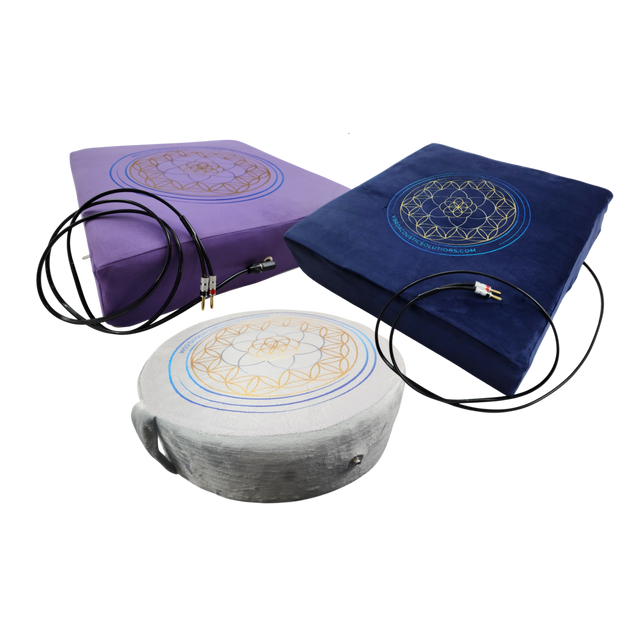
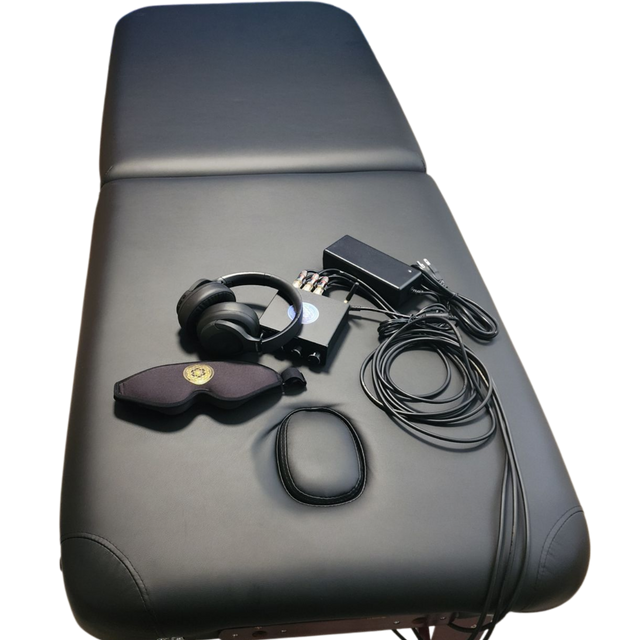
Dla pacjentów, którzy czują się uwięzieni w cyklu bólu i napięcia, regulacja układu nerwowego może być brakującym elementem. W tym miejscu narzędzia somatyczne mogą uzupełniać fizjoterapię. Terapia wibroakustyczna, na przykład, jest badana jako nieinwazyjny sposób wspierania relaksacji, zmniejszania pobudzenia i poprawy świadomości ciała poprzez wibracje dźwiękowe o niskiej częstotliwości. W odpowiednim środowisku tego rodzaju bodziec może pomóc niektórym pacjentom na tyle uspokoić się, aby skuteczniej tolerować ruch, pracę manualną lub praktyki regeneracyjne. Nie jest to substytut wykwalifikowanej rehabilitacji, ale może naturalnie wpasować się w szerszą, opartą na dowodach strategię zarządzania bólem.
Co dzieje się podczas fizjoterapii w zarządzaniu bólem przewlekłym
Pierwsza faza jest zazwyczaj bardziej szczegółowa, niż ludzie się spodziewają. Dokładna ocena to nie tylko ocena bólu i kilka ćwiczeń rozciągających. Często obejmuje ona historię objawów, ocenę ruchu, ograniczenia funkcjonalne, czynniki zaostrzające, wzorce regeneracji, jakość snu, poziom stresu i przekonania na temat bólu. Te informacje pomagają określić, czy głównym problemem jest podrażnienie tkanek, utrata zdolności, wysoka wrażliwość układu nerwowego, czy mieszanka wszystkich trzech.
Stąd plan zazwyczaj ma kilka równoległych celów. Jednym z nich jest poprawa funkcjonowania w życiu codziennym, np. dłuższe spacery, dłuższe siedzenie, podnoszenie z mniejszym strachem lub wygodniejszy sen. Innym jest zmniejszenie zmienności objawów, tak aby złe dni stały się mniej intensywne lub rzadsze. Trzecim jest odbudowa zaufania do ciała.
Leczenie może obejmować techniki manualne, ale sama opieka pasywna zazwyczaj nie wystarcza do trwałej zmiany. Ćwiczenia są często kluczowe, choć nie zawsze w formie, której ludzie się spodziewają. W bólu przewlekłym ćwiczenia rehabilitacyjne mogą zaczynać się od prostych, niskonakładowych wzorców, które poprawiają tolerancję i konsekwencję, zanim przejdą do bardziej wymagającej pracy siłowej lub wytrzymałościowej.
Edukacja to również leczenie. Pacjenci, którzy rozumieją wzorce zaostrzeń, tempo i wrażliwość na ból, często osiągają lepsze postępy, ponieważ przestają interpretować każdy wzrost objawów jako uszkodzenie. Ta zmiana może zmniejszyć strach, poprawić przestrzeganie zaleceń i wspierać stabilniejszą regenerację.
Często używane narzędzia w opiece
Fizjoterapeuta może wykorzystywać ćwiczenia mobilności, pracę nad stabilizacją, stopniowany trening siłowy, kondycjonowanie aerobowe, terapię manualną, ciepło lub zimno, coaching mechaniki ciała oraz techniki obniżania napięcia oparte na oddechu. W zależności od przypadku, może również współpracować z innymi specjalistami w zakresie zarządzania lekami, wsparcia zdrowia behawioralnego lub integracyjnych modalności.
Kluczem jest dopasowanie. Pacjent z zapaleniem stawów może potrzebować innej strategii obciążenia niż ktoś z fibromialgią. Były sportowiec z uporczywym bólem biodra może dobrze reagować na strukturalny, progresywny opór, podczas gdy pacjent dotknięty traumą z rozległym napięciem może potrzebować wolniejszego podejścia, w pierwszej kolejności skupionego na regulacji.
Jak sprawdzić, czy leczenie działa
Poprawa w przewlekłym bólu nie zawsze jest liniowa, co może być zniechęcające, jeśli oczekujesz prostej drogi od bólu do jego braku. Lepszym miernikiem jest to, czy Twój system staje się bardziej adaptowalny.
Oznaki postępu to mniejsza liczba dni regeneracji po aktywności, głębszy sen, mniejsze poczucie zagrożenia, powrót do zadań, których zaprzestałeś, i mniejszy strach przed ruchem. Intensywność bólu również może się poprawić, ale funkcja i odporność często zmieniają się w pierwszej kolejności.
W tym miejscu oczekiwania wymagają również niuansów. Niektórzy ludzie osiągają znaczące zmniejszenie bólu. Inni doświadczają znaczących korzyści w jakości życia, nawet jeśli niektóre objawy pozostają. Celem nie zawsze jest zerowe odczucie. Często jest to większa swoboda, większa zdolność i mniejsza nadmierna reakcja układu nerwowego.
Kiedy fizjoterapia potrzebuje wsparcia innych metod
Fizjoterapia to solidny fundament, ale przewlekły ból może być na tyle złożony, że jedno narzędzie nie zawsze jest wystarczające. Jeśli sen jest słaby, regeneracja spowalnia. Jeśli lęk jest wysoki, napięcie ochronne może pozostać intensywne. Jeśli przeciążenie sensoryczne utrzymuje ciało w stanie czujności, tolerancja na ćwiczenia może pozostać niska.
Dlatego opieka multidyscyplinarna często działa najlepiej. Fizjoterapię można łączyć z poradnictwem, leczeniem farmakologicznym, masażem, praktykami opartymi na uważności oraz technologiami wspomagającymi relaksację i regulację sensoryczną. Dla niektórych osób, zwłaszcza tych bardzo spiętych, wrażliwych na dotyk lub łatwo ulegających zaostrzeniom, dodanie uspokajających bodźców sensorycznych może uczynić proces rehabilitacji bardziej zrównoważonym.
Terapia wibroakustyczna klasy klinicznej jest jednym z przykładów modalności, która może wspierać ten proces. Wibracje dźwiękowe o niskiej częstotliwości mogą tworzyć formę delikatnej stymulacji somatycznej, którą niektórzy pacjenci odczuwają jako ugruntowującą, kojącą i fizycznie ułatwiającą. W domu lub w gabinecie terapeutycznym tego rodzaju bodziec może pomóc w wypełnieniu luki między przytłoczeniem objawami a aktywnym uczestnictwem w rehabilitacji. Nie jest to substytut wykwalifikowanej rehabilitacji, ale może naturalnie wpasować się w szerszą, opartą na dowodach strategię zarządzania bólem.
Wybór odpowiedniego specjalisty do fizjoterapii w zarządzaniu bólem przewlekłym
Kwalifikacje mają znaczenie, ale nastawienie również. Dobry specjalista traktuje ból przewlekły poważnie, nie sprawiając, że czujesz się kruchy. Rozumie biomechanikę i gojenie tkanek, ale także sensytyzację, tempo i naukę regulacji somatycznej.
Szukaj kogoś, kto wyjaśnia powody planu, dostosowuje leczenie na podstawie Twojej reakcji i mierzy sukces na podstawie znaczących funkcji życiowych, a nie tylko wyniku bólu. Pacjenci z bólem przewlekłym często mają historię lekceważenia lub nadmiernego leczenia. Dobra fizjoterapia powinna być ustrukturyzowana, oparta na współpracy i dowodach.
Powinna również pozostawić miejsce na złożoność. Jeśli Twój ból ma komponenty mechaniczne, zapalne i układu nerwowego, Twój plan opieki powinien to odzwierciedlać. Najlepsi klinicy nie zmuszają każdego pacjenta do tego samego protokołu.
Wyleczenie z bólu przewlekłego rzadko polega na znalezieniu jednej idealnej interwencji. Częściej chodzi o stworzenie środowiska terapeutycznego, w którym ciało czuje się wystarczająco bezpieczne, aby się zmienić. Fizjoterapia może być potężną częścią tego procesu, zwłaszcza gdy jest połączona z konsekwentną edukacją, realistycznym postępem i wspierającą opieką układu nerwowego, która pomaga w końcu utrzymać regenerację.
Najnowsze posty

DIY Transducer Kit Review for Therapy Spaces
Read article
Somatic Sound Therapy Versus Massage: Key Differences
Read article