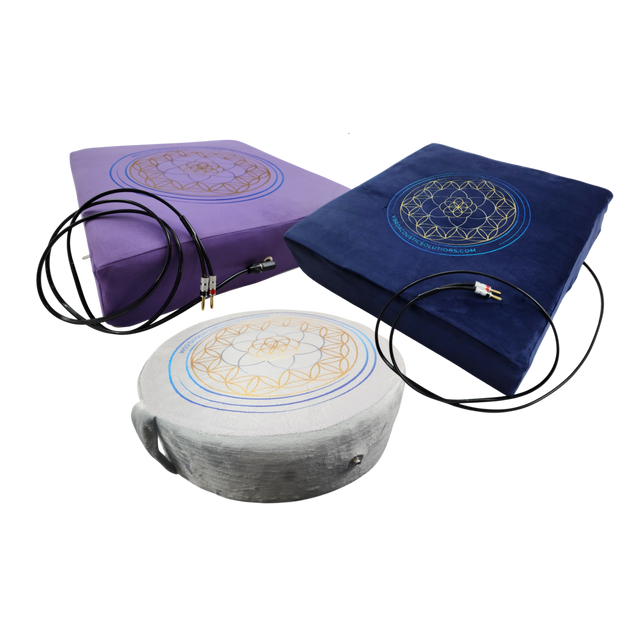
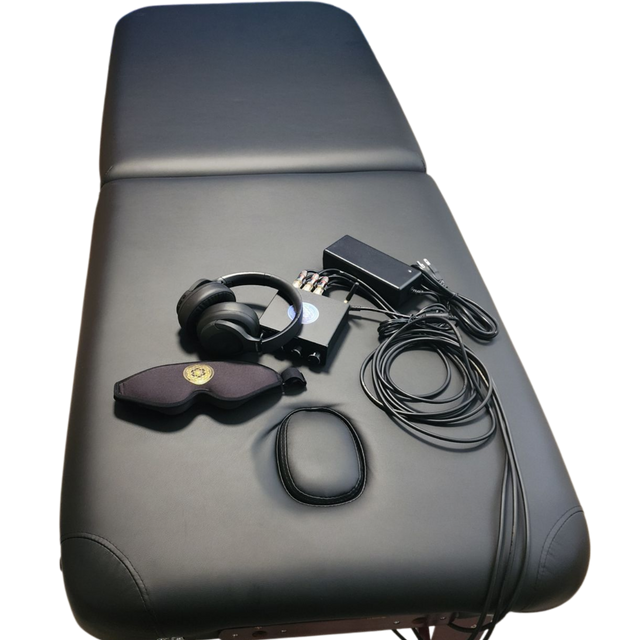
A clinical guide to vibroacoustic therapy begins with a sensation most people recognize immediately: low-frequency sound is not only heard, it is felt. When carefully selected frequencies travel through a bed, cushion, or treatment table, they create rhythmic mechanical movement in the body. This tactile sound input can give the nervous system a clear, predictable signal of safety, helping many people shift from muscular guarding and sensory overload toward rest, recovery, and regulation.
For practitioners, the value of vibroacoustic therapy is not simply adding music to a session. It is the intentional use of sound, vibration, positioning, pacing, and clinical observation. For home users, the same principles create a more reliable way to use a vibroacoustic system without turning every session into a complicated protocol.
How Vibroacoustic Therapy Works in the Body
Vibroacoustic therapy uses low-frequency sound, generally in the range of about 20 to 120 Hz, delivered through transducers built into a supportive surface. The transducers convert an audio signal into vibration. Rather than listening only through the ears, the client experiences frequency through the back, pelvis, legs, and other contact points with the equipment.
At these lower frequencies, sound produces a gentle mechanical oscillation. The body responds through touch receptors in the skin and deeper tissues, while the auditory system processes the accompanying music or tones. This combined input is one reason vibroacoustic therapy can feel more settling than ordinary background music. The experience is immersive, yet non-invasive.
Frequency also influences how the vibration is perceived. A 30 Hz tone may feel slow, heavy, and grounding through the pelvis or lower back. Frequencies around 40 Hz often feel more distinct and organized, while 60 to 80 Hz can create a lighter, more activating tactile sensation. Above 100 Hz, vibration may be perceived more locally at the surface, depending on the system, body position, and volume.
The clinical goal is not to chase a single ideal frequency. It is to match the sensory input to the person in front of you. Someone arriving in a highly activated state may respond best to a quieter, slower program with a gradual volume ramp. Someone seeking post-exercise recovery may prefer a somewhat more present tactile field, provided it remains comfortable and does not create fatigue or agitation.
Clinical Guide to Vibroacoustic Therapy: Screening First
A thoughtful intake makes vibroacoustic therapy more effective and more responsible. Before the first session, ask what the client hopes to support, how they typically respond to sound and touch, whether they have a history of sensory sensitivity, and what helps them feel physically secure on a treatment table or bed.
Also review relevant health history and current care. Clients with acute injury, recent surgery, pregnancy, implanted medical devices, seizure conditions, severe osteoporosis, active blood clots, or significant cardiovascular concerns should consult their qualified medical provider before using a vibroacoustic system. When a client is under active medical or mental health care, vibroacoustic therapy can be coordinated as a supportive wellness modality within their broader plan.
For trauma-informed care, consent is ongoing rather than a one-time form. Explain that the client controls the experience: they can request a lower volume, a different track, a pause, a change in body position, or an end to the session at any time. Offer a blanket, bolster, or weighted support if appropriate. Predictability matters, especially for clients who arrive with chronic tension, hypervigilance, ADHD-related sensory overwhelm, or autism-related sensory needs.
Establish a Baseline
Before starting, take 30 to 60 seconds to establish a baseline. Ask the client to rate physical tension, stress, discomfort, or felt sense of regulation on a simple 0-to-10 scale. Observe breathing pace, facial tension, speech speed, and ability to settle into the surface.
This is not a diagnostic tool. It is a practical way to notice whether the session is moving the client toward their intended state. At the end, repeat the same check-in. Over several visits, these observations can reveal patterns that are far more useful than relying on a generic frequency chart alone.
Selecting Frequencies and Audio Programs
Clinical-grade vibroacoustic therapy is strongest when the audio choice has a clear purpose. Low frequencies can be delivered as pure tones, pulsed tones, music with enhanced bass content, or purpose-built vibroacoustic tracks. Each approach has a different feel.
Pure tones make it easier to identify a client’s sensory preference. A practitioner might begin around 30 to 40 Hz at a low level, then adjust slowly based on comfort and body response. Pulsed low-frequency programs can add a rhythmic quality that some clients find organizing, particularly when paired with slow breathing. Music-based programs often feel more emotionally accessible and may work well in massage, somatic sessions, or home relaxation routines.
There is no universal prescription, but these ranges offer a useful starting point:
- Around 20 to 40 Hz: Often chosen for grounding, settling, and a deeper felt sense of vibration.
- Around 40 to 60 Hz: Often used when a client prefers a more defined, steady tactile signal.
- Around 60 to 100 Hz: May feel more alerting or localized and can suit recovery-focused or shorter sessions.
- Around 100 to 120 Hz: Typically experienced as a finer surface vibration and should be adjusted carefully for sensory comfort.
Structuring a Session That Supports Regulation
For a first session, 15 to 25 minutes of vibration is often sufficient. This gives the practitioner time for intake, positioning, orientation, and an unhurried transition back to the room. More experienced clients may enjoy 30 to 45 minutes, but longer is not automatically better. The right duration depends on sensitivity, goals, energy level, and how the person feels after the session.
A simple clinical structure has three phases. Begin with two to five minutes of quiet orientation, including position adjustments and a brief explanation of what the client may feel. Then introduce the low-frequency program gradually and maintain a stable, comfortable level for the central portion of the session. End with a slow fade rather than an abrupt stop, followed by a few minutes of stillness.
During the session, watch for signs that the dose needs adjustment. Slower breathing, softened jaw tension, a calmer voice, or spontaneous sighing may indicate that the body is settling. Flinching, bracing, dizziness, discomfort, irritability, or an urge to get off the surface are signals to reduce intensity, change the track, pause, or stop.
Positioning changes the experience. Supine positioning often distributes vibration broadly through the back body. Side-lying may feel more secure for clients who do not like lying flat. A vibroacoustic cushion can provide focused support while seated, making it practical for home offices, sensory spaces, and shorter regulation breaks. Massage table attachment kits allow practitioners to integrate tactile sound without replacing a trusted table.
Pairing Vibroacoustic Therapy With Other Care
Vibroacoustic therapy can stand on its own as a restorative session, yet it also pairs naturally with massage therapy, breathwork, guided relaxation, meditation, gentle mobility, and somatic education. Timing matters. Before hands-on work, low-frequency vibration may help a client arrive and soften protective tension. After massage or movement, it can create a quieter integration period.
For home users, consistency usually matters more than elaborate programming. A 15-minute evening session at a comfortable level may become part of a sleep preparation ritual. A brief session after work can create a boundary between sustained mental effort and personal time. Athletes and active adults may use a recovery-oriented session after training, while allowing comfort, hydration, and overall recovery needs to guide the routine.
Keep documentation simple but meaningful. Record the frequency range or audio program, session length, intensity setting, body position, client-reported response, and any adjustments made. This helps practitioners refine care over time and gives home users a clearer picture of what supports them best.
Building Trust Through Dose, Choice, and Consistency
The most effective vibroacoustic sessions rarely feel dramatic. They feel appropriately dosed. A person leaves with less effort in their body, more awareness of their breath, or a renewed sense that rest is possible. That response may emerge in one session, or it may build gradually through repeated exposure to safe, predictable sensory input.
Vibroacoustic Solutions systems are designed to make this kind of clinical-grade tactile sound experience practical across treatment rooms and home environments. Start gently, stay responsive to the body, and let each session provide information for the next one. The work is not about forcing a state of calm. It is about offering the nervous system a steady invitation to find its way there.
Najnowsze posty


DIY Vibroacoustic Kit Review for Home and Clinic
Read article