Układ nerwowy, który zbyt długo pozostaje w stanie czujności, rzadko reaguje na zwiększony nacisk. Reaguje na powtarzające się doświadczenia bezpieczeństwa: wolniejszy wydech, przewidywalne rutyny, wspierający dotyk, regenerujący sen i bodźce sensoryczne, które ciało może odbierać bez potrzeby napinania się. Ten przewodnik po regeneracji układu nerwowego wyjaśnia, jak działają te bodźce i jak włączyć je do realistycznej codziennej praktyki.
Regeneracja nie jest przełącznikiem, który się przestawia po jednym spokojnym wieczorze. Jest to proces pomagania autonomicznemu układowi nerwowemu w bardziej elastycznym przechodzeniu między aktywacją, odpoczynkiem, połączeniem i naprawą. Zarówno dla użytkowników domowych, jak i dla praktyków, celem nie jest wyeliminowanie każdej reakcji na stres. Jest nim zwiększenie zdolności organizmu do rozpoznawania, że stresująca chwila minęła.
Co faktycznie oznacza regeneracja układu nerwowego
Autonomiczny układ nerwowy nieustannie skanuje wewnętrzne i zewnętrzne warunki. Gałąź współczulna mobilizuje energię do działania: tętno może wzrosnąć, mięśnie mogą się napiąć, uwaga zawęża się, a trawienie może zejść na dalszy plan. Gałąź przywspółczulna wspomaga regenerację poprzez wolniejsze rytmy serca, trawienie, gotowość do snu i zaangażowanie społeczne.
Żaden stan nie jest z natury zły. Zdrowy układ nerwowy potrzebuje mobilizacji, aby dotrzymać terminu, ćwiczyć, opiekować się rodziną lub reagować na rzeczywiste zagrożenie. Problem pojawia się, gdy aktywacja pozostaje wysoka po zakończeniu zapotrzebowania, lub gdy system staje się tak wyczerpany, że następuje drętwienie, wyłączenie, zmęczenie lub rozłączenie.
Regeneracja układu nerwowego to stopniowa odbudowa zdolności regulacyjnych. Możesz zauważyć to jako łatwiejsze zasypianie, szybszą regenerację po konflikcie, mniejsze napięcie szczęki lub ramion, poprawę trawienia, mniej epizodów przeciążenia sensorycznego lub większą zdolność do zatrzymania się przed reakcją. Te zmiany często następują w niewielkich przyrostach, dlatego konsekwentna praktyka ma większe znaczenie niż intensywność.
Dlaczego wibracje o niskiej częstotliwości mogą tak bardzo ugruntowywać
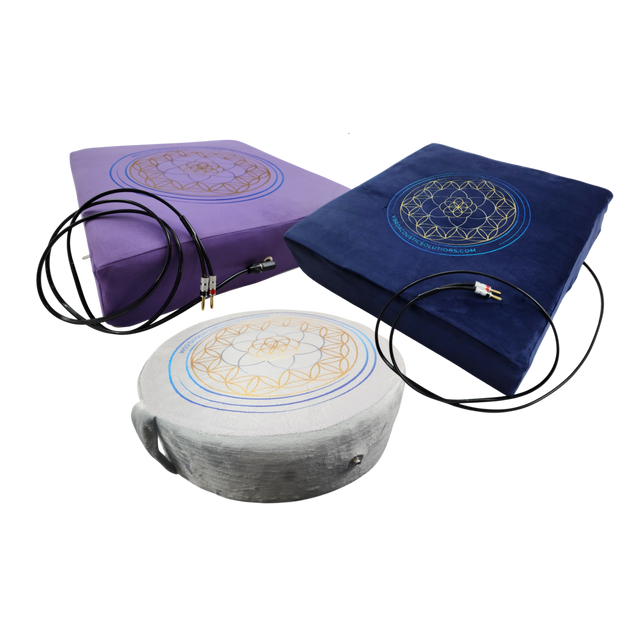
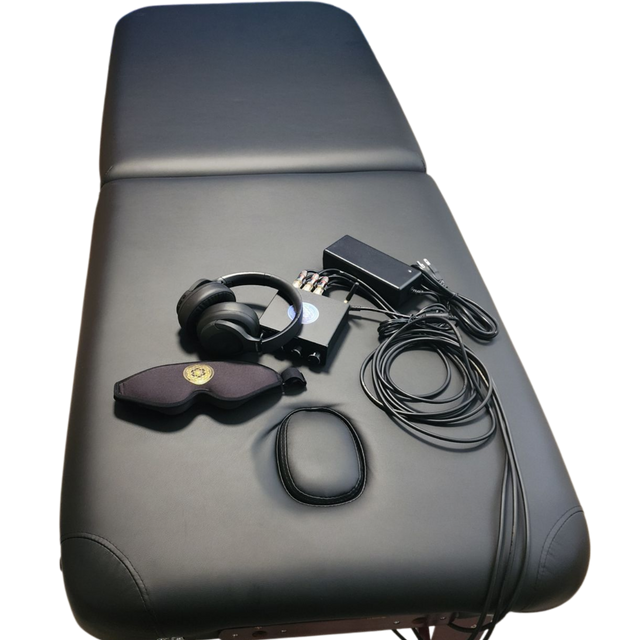
Terapia wibroakustyczna dostarcza słyszalny dźwięk za pośrednictwem głośników lub przetworników, które przekształcają dźwięk o niskiej częstotliwości w fizyczną wibrację. Zamiast tylko słyszeć ton, ciało czuje go przez łóżko, poduszkę, krzesło lub stół zabiegowy. Ten dotykowy komponent jest kluczowy dla doświadczenia.
Niskie częstotliwości są powszechnie dostarczane w zakresie około 20 do 120 Hz. W tym zakresie wibracje mogą być odbierane przez skórę, mięśnie i tkankę łączną jako rytmiczny, całościowy sygnał sensoryczny. Częstotliwości około 30 do 60 Hz często dają głębokie uczucie uspokojenia i fizycznej substancji, podczas gdy częstotliwości w zakresie 60 do 100 Hz mogą dawać uczucie bardziej ożywiające lub skupione na mięśniach, w zależności od głośności, pozycji ciała i indywidualnej osoby je odbierającej.
Mechanizm nie polega jedynie na relaksacji poprzez dźwięk. Delikatna, rytmiczna wibracja angażuje mechanoreceptory w skórze i głębszych tkankach. Te receptory sensoryczne wysyłają informacje do mózgu dotyczące nacisku, ruchu i pozycji ciała. Gdy te informacje są przewidywalne, komfortowe i powtarzalne, mogą dać układowi nerwowemu jasny sygnał organizujący: ciało jest wspierane, środowisko jest stabilne i nie ma natychmiastowej potrzeby przygotowywania się na uderzenie.
Dlatego też ważna jest głośność i wybór częstotliwości. Większa intensywność nie jest automatycznie lepsza. Dla osoby wysoce uwrażliwionej, niższa głośność, krótsza sesja i prostszy pejzaż dźwiękowy mogą być bardziej regulujące niż intensywna sesja ze zmieniającymi się częstotliwościami. Najlepszy terapeutyczny bodziec to taki, który ciało może odbierać bez oporu.
Rola rytmu, oddechu i nerwu błędnego
Nerw błędny jest główną drogą komunikacji między mózgiem a narządami, w tym sercem, płucami i układem pokarmowym. Jest on zaangażowany w zdolność organizmu do odpoczynku, regeneracji, trawienia i kontaktów społecznych. Chociaż żadne pojedyncze narzędzie nie kontroluje aktywności nerwu błędnego, praktyki wspierające wolne oddychanie, komfortową wokalizację, delikatny ruch i uspokajające bodźce sensoryczne mogą przyczynić się do regulacji parasympatycznej.
Przydatnym celem dla wielu dorosłych jest wolniejszy rytm oddychania, około pięciu do sześciu oddechów na minutę, bez wysiłku. Często wygląda to tak, że rozluźniony wdech trwa około czterech sekund, a wydech około sześciu sekund. Połączenie tego tempa z wibracjami o niskiej częstotliwości może stworzyć spójne doświadczenie sensoryczne: oddech zwalnia, ciało odbiera stały rytm, a uwaga ma coś fizycznego, na czym może spocząć.
Zmienność rytmu serca, czyli HRV, jest jedną z miar często używanych w badaniach do obserwacji elastyczności autonomicznej. Naturalnie zmienia się ona wraz z oddychaniem, snem, stresem, lekami, chorobą i aktywnością. Może być informatywna, ale nie powinna stać się kolejnym wskaźnikiem wydajności. Bardziej znaczące pytanie jest proste: czy po sesji czujesz się bardziej spokojny, obecny i zdolny do zaangażowania się w swoje życie?
Stwórz praktykę regeneracji opartą na sygnałach bezpieczeństwa
Praktyczny przewodnik po regeneracji układu nerwowego nie powinien wymagać idealnej porannej rutyny ani godziny nieprzerwanej ciszy. Powinien pomóc Ci stworzyć powtarzalne wskazówki, które pasują do Twojego rzeczywistego harmonogramu. Zacznij od zidentyfikowania warunków sensorycznych, które pomagają Twojemu ciału rozluźnić się zamiast napinać.
Dla niektórych jest to sesja wibroakustyczna o niskiej częstotliwości w przyciemnionym pokoju. Dla innych jest to ciepło, obciążony koc, znany zapach, spacer na świeżym powietrzu, cicha muzyka instrumentalna lub siedzenie z zaufaną osobą. Układ nerwowy uczy się poprzez powtarzanie, więc wybieraj praktyki, do których możesz wracać w zwykłe dni.
Wystarczy prosta 15-20-minutowa sesja wibroakustyczna, aby rozpocząć. Połóż się lub usiądź w pozycji podpartej, wybierz komfortowy program niskich częstotliwości i ustaw głośność na tyle nisko, aby Twoje ciało nie napinało się przeciwko wibracjom. Połóż dłonie na brzuchu lub żebrach, aby czuć ruch oddechu. Jeśli cisza jest bardziej komfortowa niż warstwowa muzyka, zastosuj prostsze doznania dźwiękowe.
Po sesji, jeśli to możliwe, unikaj pośpiechu do sprawdzania poczty e-mail lub wymagającego zadania. Daj sobie dwie lub trzy spokojne minuty, aby zauważyć temperaturę, oddech, napięcie mięśni i stan emocjonalny. Ten okres przejściowy uczy ciało, że odpoczynek może trwać dłużej niż urządzenie.
Wsparcie regeneracji poza sesją
Terapia wibroakustyczna najlepiej sprawdza się jako część większego środowiska regulacyjnego. Sen jest podstawą, ponieważ mózg i ciało wykonują krytyczną regenerację w nocy. Stała pora budzenia, ekspozycja na światło dzienne rano i wieczorna rutyna o mniejszej stymulacji mogą być skuteczniejsze niż próba wymuszenia snu po bardzo aktywowanym dniu.
Ruch jest równie wartościowy, ale odpowiednia dawka zależy od Twojego stanu. Intensywny trening może pomóc jednej osobie w rozładowaniu nadmiernej energii stresu, podczas gdy inna może potrzebować delikatnego spaceru, pracy nad mobilnością lub wolnych ćwiczeń siłowych, aby uniknąć dalszego wyczerpania. Zwróć uwagę, jak czujesz się od jednej do trzech godzin po ruchu, a nie tylko w jego trakcie.
Odżywianie i nawodnienie również wpływają na regulację bardziej, niż wiele osób zdaje sobie sprawę. Długie przerwy bez jedzenia, odwodnienie i intensywne spożycie kofeiny mogą wywoływać w organizmie doznania przypominające lęk lub pobudzenie. Regularne posiłki z odpowiednią ilością białka i błonnika oferują układowi nerwowemu stabilniejszą metaboliczną podstawę.
W planie regeneracji ważne jest również połączenie. Regulowana rozmowa, bezpieczna relacja terapeutyczna, wspólny śmiech lub po prostu przebywanie w pobliżu kogoś, kto czuje się spokojnie, może dostarczyć silnych sygnałów bezpieczeństwa społecznego. Dla praktyków jest to przypomnienie, że środowisko leczenia ma znaczenie: oświetlenie, temperatura, tempo, świadoma zgoda i jasna komunikacja – wszystko to kształtuje doświadczenie sensoryczne klienta.
Dostosuj dawkę zamiast forsować
Praktyki regeneracyjne powinny sprawiać, że czujesz się bardziej zasobny, a nie przytłoczony. Jeśli sesja wibroakustyczna wywołuje dyskomfort, intensywność emocjonalną, zawroty głowy, pobudzenie lub silniejszą chęć opuszczenia stołu, następnym razem zmniejsz długość sesji, głośność lub złożoność częstotliwości. Siedzenie zamiast leżenia może również być bardziej komfortowe.
Osoby z napięciem związanym z traumą, przewlekłym bólem, autyzmem, ADHD lub różnicami w przetwarzaniu sensorycznym mogą reagować bardzo indywidualnie na dźwięk i wibracje. Nie oznacza to, że modalność jest nieodpowiednia. Oznacza to, że personalizacja jest dobrym rozsądkiem klinicznym. Pięciominutowe wprowadzenie w delikatnym otoczeniu może być bardziej użyteczne niż 30-minutowa sesja zaprojektowana dla kogoś o bardzo innym profilu sensorycznym.
Jeśli cierpisz na schorzenie, jesteś w ciąży, masz wszczepione urządzenie medyczne lub obawiasz się, jak wibracje mogą na Ciebie wpłynąć, przed rozpoczęciem nowej rutyny terapeutycznej skonsultuj się z odpowiednim licencjonowanym pracownikiem służby zdrowia. Terapia wibroakustyczna może być wspierającym uzupełnieniem w ramach szerszego planu opieki, zwłaszcza gdy jej stosowanie jest przemyślane.
Stwórz cotygodniowy rytm, który się utrzymuje
Zamiast dążyć do idealnego codziennego protokołu, postaw na cotygodniowy schemat. Dwie lub trzy dłuższe sesje wibroakustyczne mogą być odpowiednie dla niektórych osób. Inni odnoszą większe korzyści z krótkich, częstych sesji, które wzmacniają poczucie bezpieczeństwa, nie stając się kolejnym obowiązkiem. Masażysta lub praktyk somatyczny może zastosować krótki okres uspokojenia przed pracą manualną, a następnie spokojniejszą fazę integracji na zakończenie.
Przez dwa tygodnie monitoruj tylko kilka sygnałów: jakość snu, napięcie mięśni, reaktywność emocjonalną, trawienie i czas potrzebny na uspokojenie po stresie. Tworzy to przydatne informacje zwrotne, nie zamieniając regeneracji w projekt bazodanowy. Jeśli jeden zakres częstotliwości, pozycja lub pora dnia konsekwentnie czują się lepiej, jest to cenna informacja.
Najskuteczniejsza praktyka dotycząca układu nerwowego to zazwyczaj ta, którą można wykonywać z cierpliwością. Wsparte ciało, stały rytm niskiej częstotliwości i kilka minut niepodzielnej uwagi mogą stać się niezawodnym przypomnieniem, że regeneracja nie musi być dramatyczna, aby była głęboko znacząca.
Najnowsze posty

DIY Transducer Kit Review for Therapy Spaces
Read article
Somatic Sound Therapy Versus Massage: Key Differences
Read article