A lot of sleep advice assumes the problem starts in the mind. Turn off screens. Lower the lights. Try magnesium. Those strategies can help, but many people are not dealing with a simple bedtime habit problem. They are dealing with a nervous system that does not shift easily out of alert mode. That is where the question becomes more specific: does vibroacoustic therapy help sleep, especially for people whose stress, pain, sensory overload, or physical tension keeps them awake?
The short answer is that it can. Vibroacoustic therapy is not a sedative, and it is not a cure-all for insomnia. But it may support sleep by helping the body move toward parasympathetic regulation, reducing muscular guarding, lowering perceived stress, and creating a predictable sensory environment that feels settling rather than stimulating. For some people, that shift is exactly what makes sleep more accessible.
What vibroacoustic therapy is actually doing
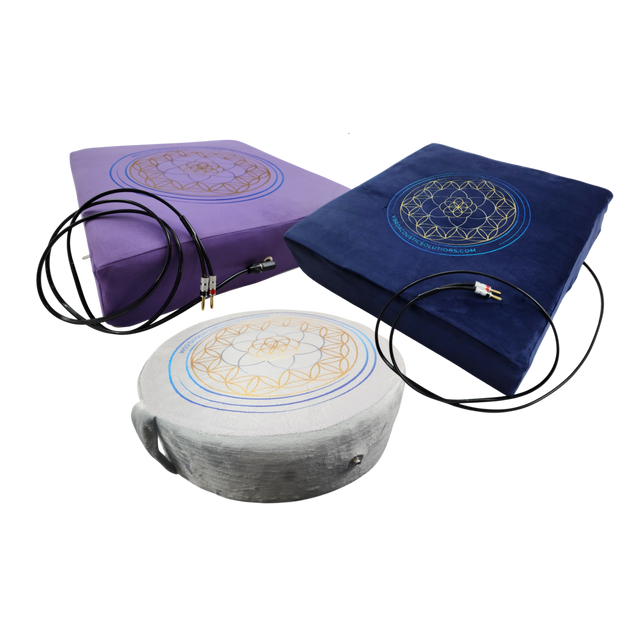
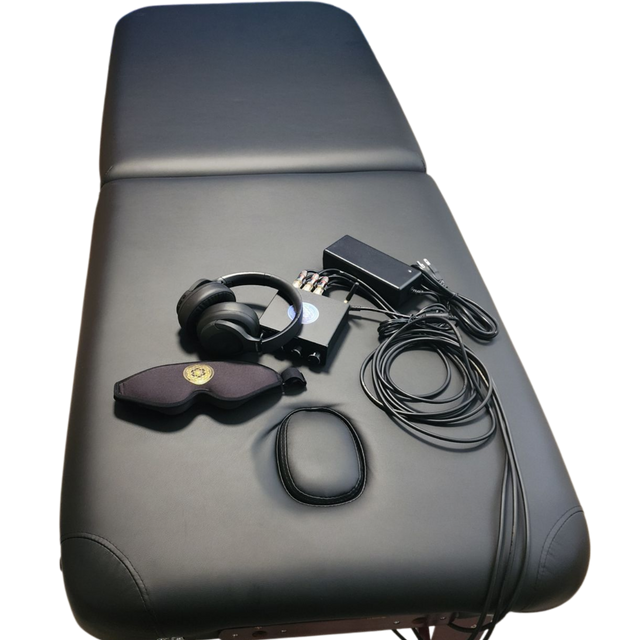
Vibroacoustic therapy uses low-frequency sound delivered through speakers or transducers embedded in a bed, mat, cushion, or treatment surface. Instead of only hearing sound, the body feels it. Those low frequencies create gentle mechanical vibration through tissues, often described as cellular micro-massage or therapeutic resonance.
From a somatic perspective, this matters because the body does not relax through thought alone. It relaxes through signals. Slow, rhythmic vibration can provide a bottom-up input to the nervous system, much like rocking, swaying, or steady pressure. When the stimulation is calibrated correctly, the body may interpret it as safe, repetitive, and regulating.
That does not mean every frequency works the same way for every person. Sleep support usually depends on slower, calming protocols rather than energizing ones. Session timing, volume, body position, and the person’s baseline level of activation all affect the result.
Does vibroacoustic therapy help sleep in practice?
For many users and practitioners, the most noticeable effect is not instant sleep but improved readiness for sleep. That distinction is important. If someone is highly activated, in pain, or mentally restless, expecting any therapy to knock them out on command is unrealistic. What vibroacoustic therapy may do is lower the barriers that keep sleep from happening.
People often report that their breathing slows, their muscles soften, and their thoughts feel less jagged after a session. Clinically, those shifts align with downregulation. When the body moves away from fight-or-flight and toward a more settled autonomic state, falling asleep can become easier and nighttime awakenings may feel less disruptive.
There is also a practical advantage to tactile sound for people who do not respond strongly to meditation apps or spoken relaxation tracks. Vibroacoustic input is physical. It does not ask the user to concentrate, visualize, or perform relaxation correctly. The body receives the signal directly.
Why sleep can improve when the nervous system feels safe
Sleep is not just the absence of wakefulness. It is an active biological state that depends on enough internal safety for the brain and body to let go of vigilance. That is why people with chronic stress, trauma-related tension, pain flare-ups, ADHD-related restlessness, or sensory dysregulation often feel tired but not sleep-ready.
Low-frequency vibration may help by supporting several processes at once. First, it can reduce perceived stress through rhythmic sensory entrainment. Second, it may decrease muscle tension that keeps the body subtly braced. Third, it can mask internal agitation with a stable sensory experience that feels more organized than the noise of an overactive system.
This is one reason vibroacoustic therapy can be relevant for both home users and practitioners. At home, it can become part of a repeatable evening regulation routine. In a clinical or wellness setting, it can prepare the body for massage, restorative care, trauma-informed work, or other sleep-supportive interventions.
What the research suggests
Research on vibroacoustic therapy is promising but still developing. The strongest evidence base is not limited to sleep alone. Studies and clinical observations more often look at pain, anxiety, stress, mood, neurological conditions, and quality of life. That matters because sleep problems are often downstream of those issues.
If a modality helps reduce pain intensity, improve relaxation, or support autonomic balance, sleep may improve as a secondary benefit. Some studies and case reports involving low-frequency sound and vibration have shown improvements in relaxation, restfulness, and sleep-related outcomes, particularly in populations dealing with stress, chronic discomfort, or nervous system dysregulation.
At the same time, the field needs more large-scale, well-controlled research focused specifically on insomnia and sleep architecture. That is the honest answer. The mechanism makes sense, the user experience is compelling, and early findings are encouraging, but this is still a category where clinical application often moves faster than formal research.
For a science-centered brand like Vibroacoustic Solutions, that means presenting sleep benefits as evidence-informed rather than overstated. The modality has real therapeutic potential, but precision matters.
Who may benefit most from vibroacoustic therapy for sleep
The people most likely to notice a difference are often those whose sleep trouble is tied to regulation rather than a primary sleep disorder alone. Someone with bedtime anxiety, physical tension, chronic pain, overstimulation, or difficulty transitioning out of a high-alert state may respond well.
This can include adults with stress-related insomnia, people recovering from physical exertion, those with trauma-related somatic tension, and neurodivergent individuals who find deep pressure and rhythmic sensory input calming. Practitioners may also find it useful for clients who struggle to settle on the treatment table or remain in a guarded physiological state throughout a session.
The results may be less dramatic if sleep disruption is driven mainly by untreated sleep apnea, medication effects, hormone shifts, circadian rhythm disruption, or a medical condition that requires direct care. Vibroacoustic therapy can still play a supportive role, but it should not replace proper evaluation when symptoms point to something more complex.
How to use it for better sleep
Sleep-focused use tends to work best when it is consistent and simple. Most people benefit more from a short, repeatable evening session than from occasional long sessions used only when they are desperate. The goal is to teach the body a pattern of downshifting.
A session of 20 to 40 minutes before bed is a practical place to start. Lower frequencies are generally preferred for calming, and volume should stay gentle enough that the body feels held rather than overstimulated. Reclined or lying positions are usually more effective than seated ones if the goal is sleep readiness.
The environment matters too. Bright light, multitasking, and late-night phone use can cancel out the regulation effect. Vibroacoustic therapy tends to work best as part of a larger physiological cue set: dimmer light, reduced stimulation, comfortable temperature, and predictable timing.
For practitioners, the same principle applies. If the goal is sleep support or deep relaxation, the session should not feel performative or intense. It should feel safe, paced, and easy for the client to receive.
When it can backfire or feel unhelpful
More stimulation is not always better. Some people, especially those with sensory sensitivity, vestibular issues, migraines, or a history of hypervigilance, may need a very gradual introduction. If the vibration is too strong, too bright in tone, or paired with frequencies that feel activating, it can have the opposite effect.
There is also an adaptation period for some users. The body may need several sessions before it recognizes the input as familiar and regulating. That does not mean the therapy is failing. It means the nervous system is learning a new sensory pathway.
And if someone expects vibroacoustic therapy to overpower caffeine, severe burnout, or months of poor sleep hygiene in one session, disappointment is likely. It is most effective as a regulation tool, not a magic override.
A better question than whether it works
Instead of asking only whether vibroacoustic therapy helps sleep, it can be more useful to ask what is preventing sleep in the first place. If the answer includes stress physiology, pain, sensory dysregulation, or a body that never fully powers down, then vibroacoustic therapy makes clinical and practical sense.
It offers something many sleep tools do not: a direct, physical route into relaxation that does not depend on effort, belief, or perfect technique. For people who need their body to feel safe before their mind can rest, that can be a meaningful difference.
Sometimes better sleep starts with less struggle, not more discipline. A well-designed vibroacoustic session can give the body a clearer path to that state.
Latest posts


Vibroacoustic Systems for Therapeutic Regulation
Read article