Możesz robić prawie wszystko dobrze w ciągu dnia i nadal leżeć obudzony o 2:13 w nocy ze zmęczonym ciałem i czujnym układem nerwowym. Ta luka to moment, w którym wiele osób zaczyna szukać sposobów na poprawę jakości snu, a odpowiedź rzadko jest pojedynczą sztuczką. Lepszy sen jest zazwyczaj wynikiem lepszej regulacji – ekspozycji na światło, obciążenia stresem, temperatury ciała, bodźców sensorycznych i zdolności mózgu do wyjścia ze stanu czujności.
Dla niektórych osób problemem jest zasypianie. Dla innych jest to fragmentaryczny sen, wczesne budzenie się lub noc, która na papierze wydaje się długa, ale nadal nie daje poczucia odświeżenia. Te wzorce mają znaczenie, ponieważ jakość snu to nie tylko jego długość. Chodzi o to, czy Twój system przechodzi przez regenerujące fazy snu z wystarczającą konsekwencją, aby wspierać regenerację, nastrój, modulację bólu i wydajność poznawczą następnego dnia.
Co faktycznie wpływa na jakość snu
Sen jest regulowany przez dwie główne siły biologiczne. Pierwszą z nich jest rytm okołodobowy, wewnętrzny system synchronizacji, który silnie reaguje na światło i ciemność. Drugą jest ciśnienie snu, które narasta im dłużej pozostajesz w stanie czuwania. Kiedy te systemy są wyrównane, sen zazwyczaj przychodzi bardziej naturalnie. Kiedy są zakłócane przez stres, nieregularne harmonogramy, ból, późnonocną stymulację lub dysregulację sensoryczną, sen staje się lżejszy i mniej przewidywalny.
Dlatego ogólne porady mogą wydawać się niekompletne. Osoba z przewlekłym stresem może potrzebować innego podejścia niż ktoś, kto zmaga się z perimenopauzą, przewlekłym bólem, niepokojem związanym z ADHD lub silnie aktywowanym układem nerwowym po traumie. Zasady są podobne, ale punkty wpływu się różnią.
Jak poprawić jakość snu poprzez regulowanie dnia
Sen nocny zaczyna się znacznie wcześniej niż pora snu. Jednym z najskuteczniejszych sposobów na poprawę jakości snu jest wzmocnienie sygnałów, które informują mózg, kiedy być czujnym, a kiedy się wyłączyć.
Poranne światło jest jednym z tych sygnałów. Ekspozycja na światło słoneczne zaraz po przebudzeniu pomaga zakotwiczyć rytm okołodobowy, co może sprawić, że wieczorne uwalnianie melatoniny będzie bardziej niezawodne. Nawet 10 do 20 minut może pomóc, zwłaszcza jeśli rano czujesz się ospały lub późno w nocy jesteś szeroko obudzony.
Czas spożycia kofeiny ma większe znaczenie, niż wiele osób zdaje sobie sprawę. Jeśli wolno metabolizujesz kofeinę, popołudniowa kawa może zmniejszyć głęboki sen, nawet jeśli zasypiasz bez większych problemów. To samo dotyczy alkoholu. Może on skrócić czas zasypiania, ale często fragmentaryzuje drugą połowę nocy i zmniejsza ogólną regenerację.
Ruch jest kolejnym regulatorem. Regularne ćwiczenia poprawiają sen u wielu dorosłych, ale czas ma znaczenie. Intensywny trening przed snem może być dla niektórych osób stymulujący, a dla innych uspokajający. Jeśli wieczorne treningi wydają się Cię pobudzać, przenieś je na wcześniejszą porę i zobacz, co się zmieni.
Stwórz rutynę przed snem, której ufa Twój układ nerwowy
Wiele osób traktuje kładzenie się spać jako nagłe wydarzenie. Pracują, przewijają, odpowiadają na wiadomości, oglądają coś intensywnego, a następnie oczekują, że ciało na rozkaz przejdzie w głęboki odpoczynek. To nie jest sposób, w jaki zwykle działa uspokojenie układu nerwowego.
Użyteczna wieczorna rutyna to mniej perfekcja, a bardziej przewidywalność. Powtarzające się sygnały uczą ciało, że zbliża się bezpieczeństwo i spokój. Niskie oświetlenie, ograniczona ekspozycja na ekrany, stałe okno czasowe na wyciszenie i cichsze bodźce sensoryczne – wszystko to może wspomóc to przejście.
Temperatura również odgrywa praktyczną rolę. Temperatura ciała musi nieznacznie spaść, aby nastąpiło zasypianie. Chłodne pomieszczenie pomaga, a ciepły prysznic lub kąpiel 60-90 minut przed snem może wspomóc ten spadek temperatury później. Małe dostosowania często mają większe znaczenie niż drogie gadżety do spania.
Jeśli Twój umysł przyspiesza w nocy, celem nie jest zmuszenie go do ciszy. Celem jest zmniejszenie obciążenia poznawczego przed snem. Może to oznaczać zapisywanie zadań na jutro, ograniczanie stymulujących treści lub praktykowanie powolnego wzorca oddychania, który wydłuża wydech. To nie są tylko wskazówki dotyczące relaksu. To sposoby na zmianę stanu autonomicznego z nadmiernego pobudzenia.
Rola bólu, napięcia i przeciążenia sensorycznego
Zaburzenia snu często są postrzegane jako problem psychiczny, ale czynniki związane z ciałem są równie ważne. Jeśli idziesz spać z napięciem mięśniowym, stanem zapalnym, podwyższonym poziomem hormonów stresu lub przeciążeniem sensorycznym, Twój mózg może pozostać w stanie czuwania, nawet jeśli czujesz się wyczerpany.
W tym miejscu podejścia somatyczne mogą być szczególnie wartościowe. Delikatna praca z ciałem, ucisk, regulacja oddechu i terapie sensoryczne oparte na dźwięku mogą pomóc zmniejszyć wewnętrzne sygnały, które utrzymują system w stanie czujności. Dla osób z przewlekłym bólem, napięciem związanym ze stresem, aktywacją związaną z traumą lub dysregulacją sensoryczną, poprawa jakości snu może zależeć od tego, czy ciało poczuje się wystarczająco bezpieczne, aby wejść w głębszy odpoczynek.
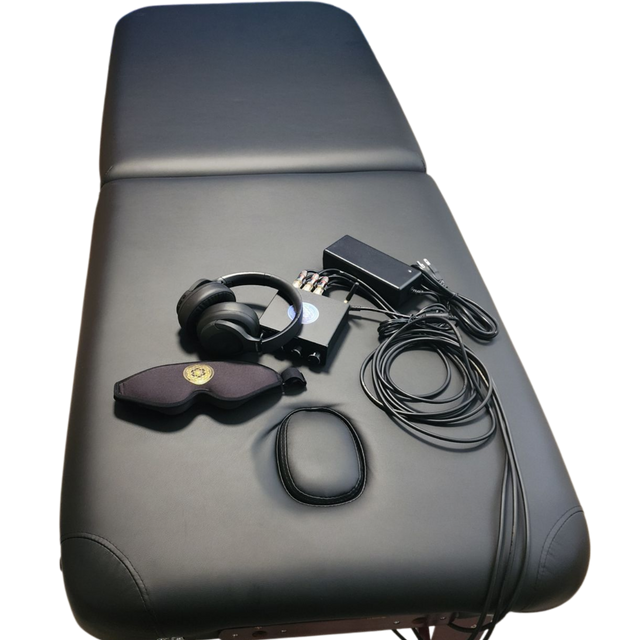
Terapia wibroakustyczna naturalnie wpisuje się w tę dyskusję, ponieważ działa przez ciało, a nie tylko przez umysł. Niskoczęstotliwościowe wibracje dźwiękowe mogą wspomagać relaksację, zmniejszać napięcie mięśniowe i promować aktywność przywspółczulnego układu nerwowego u niektórych użytkowników. To nie oznacza, że jest to cudowne lekarstwo. Oznacza to, że może służyć jako przydatne narzędzie regulacyjne dla osób, których problemy ze snem są związane z fizjologią stresu, dyskomfortem fizycznym lub trudnościami w uspokojeniu systemu w nocy.
Dla użytkowników domowych korzyścią często jest spójność. Krótka wieczorna sesja z uspokajającymi częstotliwościami i komfortową stymulacją dotykową może stworzyć powtarzalne przejście w stan odpoczynku. Dla praktyków może to być opcja wspomagająca dla klientów, którzy potrzebują głębszego wyciszenia niż może zapewnić samo werbalne doradztwo. Kiedy jest dobrze używana, technologia taka jak ta wydaje się mniej jak sztuczka ze snem, a bardziej jak terapeutyczny sygnał do regulacji.
Jak poprawić jakość snu, gdy głównym problemem jest stres
Stres zmienia architekturę snu. Nawet podczas snu ciało może pozostawać w bardziej defensywnym stanie, co może skrócić czas spędzony w fazach regeneracyjnych lub zwiększyć nocne przebudzenia. Jeśli taki jest Twój wzorzec, poprawa snu często wymaga czegoś więcej niż lepszego materaca czy bardziej rygorystycznej godziny snu.
Zacznij od zastanowienia się, co Twój układ nerwowy wnosi w wieczór. Późna praca, rozmowy o silnym ładunku emocjonalnym, intensywne media i ciągłe powiadomienia – wszystko to wzmacnia w mózgu poczucie, że musi być w gotowości. Stworzenie strefy buforowej przed snem może przynieść mierzalną różnicę.
Nie musi to być nic wyszukanego. Dwadzieścia do trzydziestu minut mniejszej stymulacji może wystarczyć, aby zmienić trajektorię nocy. Delikatne rozciąganie, regulacja oddechu, sesje dźwiękowe o niskiej częstotliwości lub ciche czytanie przy ciepłym świetle – wszystko to może pomóc. Najważniejsze jest, aby rutyna była powtarzalna i nie wymagała dodatkowego wysiłku umysłowego.
Jeśli budzisz się o 3 nad ranem z gonitwą myśli, pomocne może być unikanie zamieniania tej chwili w test wydajności. Sprawdzanie zegarka, obliczanie pozostałych godzin i próbowanie wymusić sen często zwiększa pobudzenie. Spokojniejsza strategia to utrzymywanie przyciemnionego światła, unikanie telefonu i używanie prostego, powtarzalnego sygnału, takiego jak powolne oddychanie lub praktyka relaksacji opartej na ciele, dopóki ciśnienie snu nie powróci.
Czynniki środowiskowe, które ludzie niedoceniają
Środowisko snu to nie tylko tło. Nieustannie sygnalizuje mózgowi, czy odpoczynek jest bezpieczny i trwały.
Hałas jest oczywistym czynnikiem, ale subtelne zakłócenia sensoryczne również mają znaczenie. Niestabilna temperatura w pokoju, drapiąca pościel, nadmierne światło lub ruch partnera – wszystko to może fragmentować sen, nie budząc Cię całkowicie. U osób wrażliwych te mikro-zakłócenia sumują się.
Twoja sypialnia powinna ułatwiać osiągnięcie pożądanego stanu, a nie utrudniać. Ciemna, chłodna, cicha i uporządkowana zazwyczaj sprawdza się u większości ludzi. Jeśli Twoje łóżko zaczęło kojarzyć się z pracą, przeglądaniem mediów społecznościowych lub aktywacją emocjonalną, odzyskanie go jako przestrzeni skoncentrowanej na śnie może pomóc w odbudowaniu tego skojarzenia z czasem.
Gdy lepsze nawyki nie wystarczają
Jeśli poprawiłeś swój harmonogram, środowisko i rutynę wyciszenia, a Twój sen nadal jest słaby, być może nadszedł czas, aby przyjrzeć się temu głębiej. Głośne chrapanie, dławienie się, niespokojne nogi, przewlekłe zaostrzenia bólu, zmiany hormonalne, skutki uboczne leków i zaburzenia lękowe – wszystko to może wpływać na jakość snu w sposób wymagający ukierunkowanego wsparcia.
Jest to szczególnie istotne, jeśli śpisz rozsądną liczbę godzin, ale dzień po dniu budzisz się nieodświeżony. W takich przypadkach pomocne może być śledzenie wzorców. Zwróć uwagę, o której godzinie robi się senny, jak często się budzisz, jak wyglądają Twoje wieczory i czy objawy takie jak ból, przegrzewanie się lub ruminacje pojawiają się w tych samych punktach.
Celem nie jest nadmierna czujność w kwestii snu. Chodzi o to, aby zidentyfikować, czy problem jest przede wszystkim okołodobowy, behawioralny, sensoryczny, psychologiczny czy fizjologiczny. Gdy już to wiesz, rozwiązania stają się bardziej precyzyjne.
Skuteczniejszy sposób myślenia o śnie
Jeśli chcesz wiedzieć, jak poprawić jakość snu, myśl mniej o dążeniu do idealnego snu, a bardziej o tworzeniu warunków dla niezawodnej regulacji. Sen to nie coś, co wymuszasz. To coś, na co ciało pozwala, gdy synchronizacja, środowisko i stan układu nerwowego współdziałają.
Dlatego najskuteczniejsze zmiany są często najmniej dramatyczne. Lepsza ekspozycja na światło, mniej późnej stymulacji, więcej uspokajania opartego na ciele i stabilniejszy wieczorny rytm mogą zmienić cały system. Z czasem te sygnały sumują się. Ciało zaczyna ponownie oczekiwać odpoczynku, a to oczekiwanie jest często początkiem uzdrowienia.
Najnowsze posty


Vibration Therapy Versus Massage for Recovery
Read article