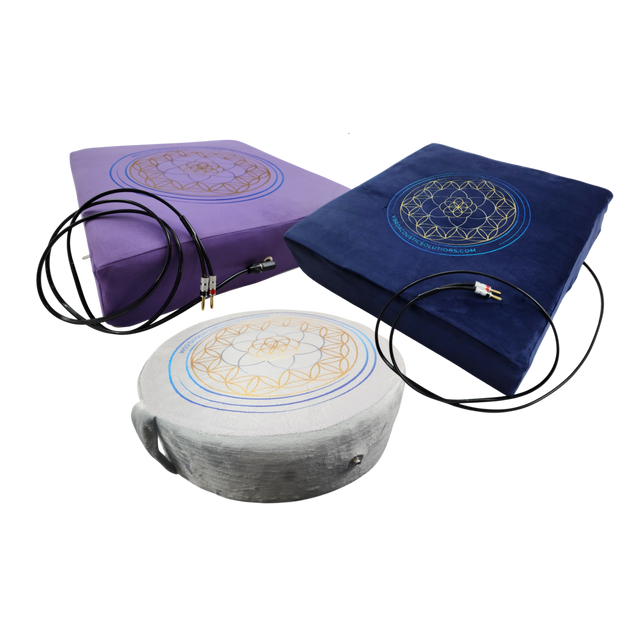
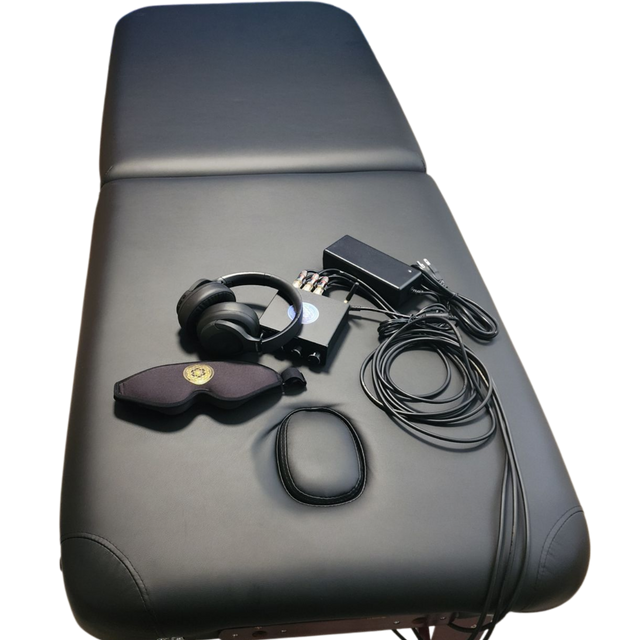
For many autistic children and adults, regulation is not a vague wellness goal. It is the difference between feeling safe in the body and feeling overwhelmed by sound, touch, movement, or internal tension. That is why interest in vibroacoustic therapy for autism keeps growing among parents, therapists, and wellness practitioners looking for non-invasive ways to support the nervous system.
This interest makes sense. Autism often involves differences in sensory processing, arousal regulation, muscle tone, sleep, anxiety, and body awareness. Vibroacoustic therapy is not a cure, and it does not replace occupational therapy, behavioral care, speech therapy, or medical treatment. What it may offer is something more specific and often very valuable - structured, low-frequency sound vibration delivered through the body in a controlled way that can help support calming, sensory organization, and somatic comfort.
What vibroacoustic therapy actually is
Vibroacoustic therapy uses low-frequency sound waves that are felt as gentle vibration through a chair, mat, cushion, table, or bed. These frequencies are paired with music or therapeutic audio and delivered through transducers built into the equipment. Instead of hearing sound only through the ears, the body receives sound mechanically through tissues and muscles.
That distinction matters. Many autistic individuals are highly sensitive to auditory input, but tactile and proprioceptive input may be processed very differently. Vibroacoustic therapy works in the body first. Depending on the setup and the person using it, the experience can feel grounding, rhythmic, predictable, and easier to tolerate than more chaotic sensory environments.
From a therapeutic standpoint, the goal is often nervous system regulation. Low-frequency vibration may influence muscle tension, breathing patterns, autonomic arousal, and perceived stress. In practical terms, that can mean helping someone settle enough to rest, transition, engage in a session, or recover after sensory overload.
Why vibroacoustic therapy for autism is being considered
Autism is not one sensory profile. Some people seek intense input. Others avoid it. Many shift between both depending on fatigue, stress, environment, and demand level. That is why any discussion of vibroacoustic therapy for autism has to start with an individual lens.
The appeal of this modality is that it can provide consistent sensory input without requiring verbal processing or active performance. A person does not need to explain what they feel in sophisticated language for the session to be useful. They can lie down, sit, notice the vibration, and let the body respond.
For some autistic users, low-frequency stimulation may support:
- Downregulation during periods of agitation or overload
- Better body awareness and proprioceptive feedback
- Reduced muscular guarding and physical restlessness
- Smoother transitions into rest or sleep
- A more tolerable sensory environment before or after therapy sessions
The sensory regulation piece
One reason vibroacoustic work fits naturally into autism support conversations is its overlap with sensory regulation principles. Predictable, rhythmic sensory input can help organize the nervous system. Occupational therapists often think in terms of how touch, movement, pressure, and vibration affect arousal and attention. Vibroacoustic therapy sits within that broader somatic framework, but with more precision than many generic relaxation tools.
The low-frequency component can create a form of whole-body sensory input that feels anchoring. For an autistic child who struggles to settle on a treatment table, or an autistic adult who carries chronic tension and hypervigilance, that anchored feeling can be the starting point for better regulation. Not because the technology overrides autism, but because it may reduce the level of internal noise the body is managing.
This is also where setup matters. The same vibration profile delivered through a full-body bed will feel different from a small cushion. Full-body systems tend to create a more immersive sensory field, while localized devices may be better for shorter sessions, targeted use, or users who need a gentler introduction.
What the research suggests - and what it does not
The evidence base around vibroacoustic therapy is promising but still developing, especially in autism-specific applications. Existing research across stress, pain, muscle relaxation, sleep, and nervous system regulation helps explain why clinicians and families are interested. There are also smaller studies and case-based observations suggesting benefits for relaxation, attention, and sensory comfort in neurodivergent populations.
Still, it is worth being precise. Research on vibroacoustic therapy for autism is not yet large enough to support sweeping claims. Autism is heterogeneous, study designs vary, and outcomes can be subjective. That does not make the modality unscientific. It means responsible use depends on measured expectations and good clinical judgment.
A stronger way to frame it is this: vibroacoustic therapy may function as a supportive regulation tool inside a broader care plan. It may help certain individuals access calmer physiological states, tolerate therapeutic work more easily, or recover from stress with less effort. Those are meaningful outcomes, especially when they improve daily function or treatment participation.
Who may benefit most
The people most likely to respond well are often those who already seek deep pressure, rhythmic movement, massage, or vibration-based sensory input. If a child loves sitting near a washing machine, using a vibrating cushion, or being wrapped and rocked, that can suggest the body responds positively to structured sensory stimulation. For adults, a history of benefiting from massage, sound therapy, weighted inputs, or somatic calming practices may point in a similar direction.
Vibroacoustic therapy can also be useful in professional settings where regulation is part of the treatment goal. Massage therapists, occupational therapy-informed practitioners, trauma-aware bodyworkers, and integrative clinics may use it to help clients settle before hands-on care or restorative sessions.
Where caution is needed is with users who are highly vibration-averse, prone to sensory defensiveness, or unable to communicate distress clearly. In those cases, shorter exposures and lower intensity are essential, and some individuals may simply prefer other regulation tools.
How to introduce vibroacoustic therapy safely
A good session starts well before the equipment turns on. The environment should be quiet, predictable, and easy to exit. For autistic users, especially children, novelty itself can be a stressor. Showing the bed, cushion, or table first, letting them touch it, and describing what will happen in simple language often helps.
Start with low intensity and short duration. Five to ten minutes may be enough for an initial experience. Watch for breathing changes, muscle softening, facial expression, stillness, or signs of increased agitation. Some users relax immediately. Others need several exposures before the body recognizes the vibration as safe.
Choice is also therapeutic. If the person can select volume, position, music style, or whether they want the session at all, that sense of control can improve outcomes. Regulation rarely happens through force.
In home settings, consistency often matters more than complexity. A short session before bedtime, after school, or following an overstimulating outing may be more effective than occasional longer sessions. In clinic settings, vibroacoustic therapy can be paired with calming routines, breathwork, guided rest, or body-based interventions.
Equipment considerations for autism support
Not every system is built for the same use case. For autism support, comfort, controllability, and sensory predictability matter more than flashy features. A full-body bed or table attachment may suit clinics or families wanting immersive sessions. Cushions and smaller portable systems may be better for flexible use at home or for clients who need a lighter sensory touch.
Frequency control is important because different ranges can feel very different in the body. So is build quality. Clinical-grade transducers, stable vibration delivery, and consistent acoustic performance make the experience more reliable, which matters when working with sensory-sensitive users.
This is where brands focused on evidence-based somatic technology, such as Vibroacoustic Solutions, stand apart from generic massage products. The goal is not random vibration. The goal is therapeutic sound delivery that supports regulation with greater precision.
Where it fits in a care plan
The most realistic role for vibroacoustic therapy for autism is as an adjunctive support. It can sit alongside occupational therapy, speech services, counseling, educational supports, and sensory-informed home routines. It may help prepare the nervous system for engagement, reduce residual tension after demanding environments, or create a reliable window of calm.
That role is especially valuable because many autistic individuals spend so much energy adapting to environments that do not match their sensory needs. A therapy that asks less cognitively and works more directly through the body can be deeply practical.
The right question is not whether vibroacoustic therapy is a standalone answer. It is whether it helps this person feel safer, steadier, and more comfortable in their own nervous system. When the answer is yes, even modest gains can matter.
The most helpful place to begin is with curiosity, not hype. Listen to the body, adjust slowly, and let regulation be the measure of success.
Latest posts