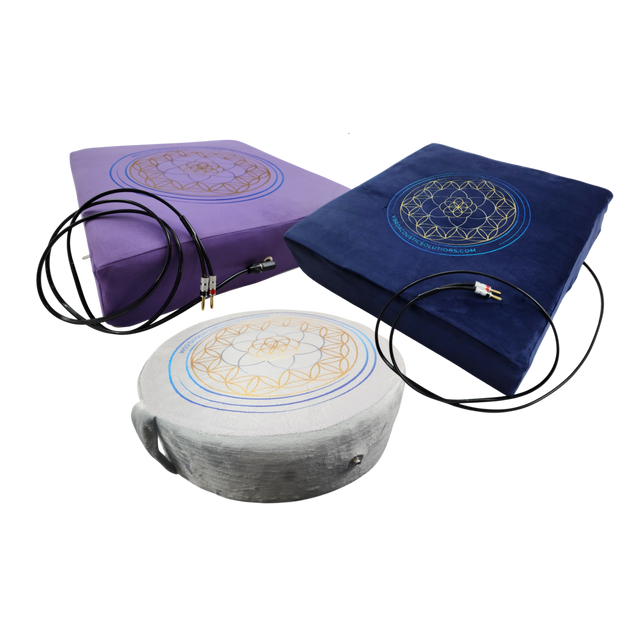
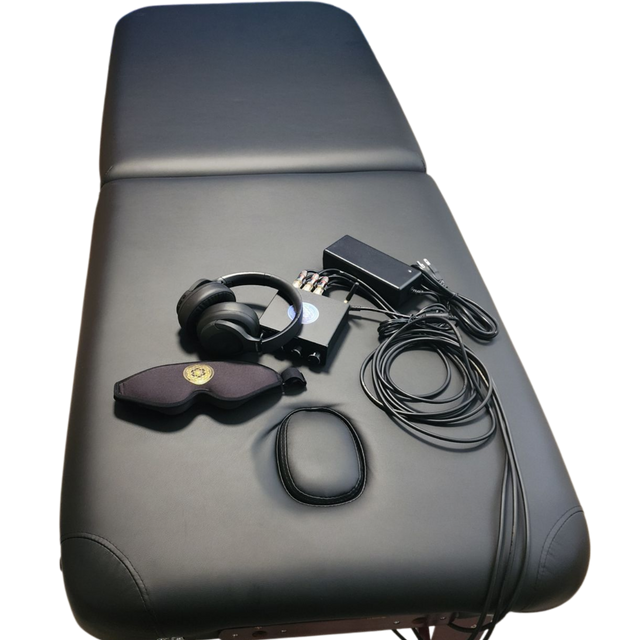
A vibroacoustic session can feel surprisingly simple: you lie or sit on a surface, hear music or tones, and feel a gentle pulse move through your back, hips, legs, or whole body. Yet the experience is built on a precise physical process. How vibroacoustic therapy works begins with low-frequency sound, typically delivered through specialized transducers that convert an audio signal into mechanical vibration your body can feel.
That distinction matters. Vibroacoustic therapy is not simply listening to relaxing music. It combines audible sound with tactile vibration, giving the nervous system two coordinated streams of sensory information at once. For people carrying chronic tension, sensory overload, poor sleep, or the physical residue of stress, that felt experience can create a practical pathway toward settling, awareness, and recovery.
How vibroacoustic therapy works: sound becomes touch
Sound is vibration traveling through a medium. In air, we hear it through the ears. In a vibroacoustic bed, cushion, or treatment-table attachment, low-frequency audio signals are sent to transducers mounted beneath or within the surface. Those transducers move back and forth, transferring mechanical energy into the body through contact.
Frequency is measured in hertz, or Hz, meaning cycles per second. A 40 Hz tone completes 40 cycles each second. Lower frequencies create slower, deeper pulses that are more readily felt through the body than high-pitched frequencies. Most vibroacoustic systems emphasize a low-frequency range of roughly 30 to 120 Hz, although the ideal setting depends on the person, the equipment, the music, and the therapeutic goal.
At about 20 to 60 Hz, vibration is often experienced as a broad, grounding rumble. In the 60 to 120 Hz range, the sensation may feel more localized or energizing, depending on where the transducers contact the body. The audible track can include music, nature-based sound, therapeutic tones, or voice-guided relaxation, while the low-frequency channel carries the physical component.
The result is a multisensory intervention: sound enters through hearing, while vibration is received through the skin, muscles, connective tissues, and sensory receptors that register pressure and movement.
The body’s response to rhythmic vibration
The body is continually collecting sensory information. Mechanoreceptors in the skin and deeper tissues respond to touch, pressure, stretch, and vibration. When a stable low-frequency signal is delivered through a supportive surface, those receptors send information to the brain and spinal cord about what is happening in the body right now.
For many people, this predictable sensory input is inherently organizing. A slow, even pulse can give attention something concrete to follow, especially when thoughts are racing or the body feels guarded. Instead of asking someone to think their way into calm, vibroacoustic therapy offers a physical cue that can be noticed breath by breath.
This is part of the science of somatic regulation. The nervous system evaluates internal and external signals for safety, effort, novelty, and demand. Gentle vibration, paired with a comfortable position and appropriate sound, may support a shift away from high-alert activation and toward a more settled state. People often describe warmth, heavier limbs, slower breathing, reduced muscle holding, or the sense that their body has finally been given permission to rest.
The vagus nerve is frequently part of this conversation because it is closely involved in autonomic regulation, heart rate, digestion, and recovery states. Vibroacoustic therapy does not directly stimulate the vagus nerve in the same way as an implanted or electrical clinical device. Rather, its combination of soothing sensory input, diaphragmatic breathing, relaxation, and rhythmic sound may support the broader conditions associated with parasympathetic activity.
Why low frequencies can feel so profound
Low-frequency vibration travels effectively through solid materials, including a therapy table, mattress, or cushion. This allows the body to receive sound as a physical experience rather than only an auditory one. A well-designed system distributes vibration without harsh rattling or sharp pressure points, helping the user remain comfortable enough to soften into the session.
Practitioners sometimes describe this as a form of cellular micro-massage. The phrase refers to the subtle mechanical movement created in tissues by vibration, not a substitute for hands-on manual therapy. At a comfortable intensity, that movement can complement relaxation, body awareness, and the sense of ease many clients seek before or after massage, psychotherapy, movement work, or recovery-focused care.
Research in vibroacoustic therapy has explored outcomes including relaxation, pain perception, stress, sleep quality, and quality of life across varied populations. Small clinical studies and reviews have reported promising changes in perceived pain and anxiety, particularly when low-frequency stimulation is integrated into a therapeutic setting. Results vary because protocols differ widely: frequencies, session length, music selection, equipment design, and participant needs all influence the response.
That variability is not a weakness of the modality. It is a reminder that vibroacoustic therapy is most effective when it is personalized. A person seeking gentle sensory regulation may prefer a quiet 30 Hz to 50 Hz session at low volume. An athlete using a session as part of a recovery routine may enjoy a more dynamic music-based program. The body’s feedback should guide the settings.
Music, tones, and meaningful frequencies
Vibroacoustic therapy can use pure tones, pulsed frequencies, or music that has been specifically mixed to contain a strong low-frequency channel. Music often adds emotional context. A familiar instrumental track, slow ambient composition, or rhythmic soundscape can make it easier to stay present with the physical vibration.
Many people also feel drawn to 432 Hz music, Solfeggio tones, the 7.83 Hz Schumann resonance, and other frequency traditions because of their cultural meaning, spiritual associations, or deeply personal experience of resonance. These sound choices can make a session feel intentional and restorative. From an equipment perspective, it is helpful to distinguish the audible tuning of a musical track from the low-frequency vibration delivered by the transducers. A system may play a 432 Hz-tuned piece of music while also delivering tactile frequencies such as 40 Hz or 60 Hz through the table.
This flexibility lets home users and practitioners create sessions that honor both technical goals and personal preference. The best soundscape is often the one that helps the person feel safe, comfortable, and willing to stay connected to their body.
What a well-designed session looks like
A typical session lasts 20 to 45 minutes. The user reclines on a vibroacoustic bed, cushion, or adapted massage table with the vibration set at a level that is clear but never overwhelming. The aim is not to make the body shake. It is to provide a steady, comfortable signal that can be felt without bracing against it.
For a first session, start conservatively. Choose a simple program, lower the volume, and use modest vibration intensity. Spend the first few minutes noticing whether the sensation feels calming, neutral, stimulating, or too strong. A comfortable setup may include a blanket, a knee bolster, headphones if the space is noisy, and enough time after the session to sit quietly before returning to activity.
In a clinical or wellness practice, vibroacoustic therapy can be used as a standalone regulation session or integrated before a treatment to help clients arrive in their bodies. It can also be valuable after bodywork, counseling, or movement-based care when the goal is to rest and integrate. For home use, consistency is often more useful than intensity. Several shorter, pleasant sessions each week may be easier to sustain than an occasional long session.
Choosing frequency and intensity with care
There is no universal “best” frequency. A person with sensory sensitivity may prefer lower amplitude and a predictable, unchanging tone. Someone who finds stillness difficult may respond well to a gentle musical rhythm. If vibration creates discomfort, agitation, numbness, dizziness, or pain, lower the intensity, change the program, or stop the session.
Equipment quality also shapes the experience. Clinical-grade systems need stable transducers, supportive materials, reliable audio control, and a frequency response designed for felt low-end sound. A cushion may be ideal for a desk chair or sofa. A massage-table conversion kit can bring vibroacoustic support into an existing practice without replacing the table. A full bed offers the most immersive contact area for dedicated relaxation and recovery sessions.
People with a medical condition, recent procedure, implanted device, pregnancy, or concerns about vibration exposure should discuss appropriate use with a qualified healthcare professional. Vibroacoustic therapy is a supportive wellness modality and can fit thoughtfully alongside individualized medical and therapeutic care.
The most valuable part of vibroacoustic therapy is often what happens when the session ends: you notice your jaw is softer, your breath is deeper, or your attention has returned to the place it has been trying to protect all day. That is a meaningful place to begin.
Latest posts


Vibroacoustic Systems for Therapeutic Regulation
Read article