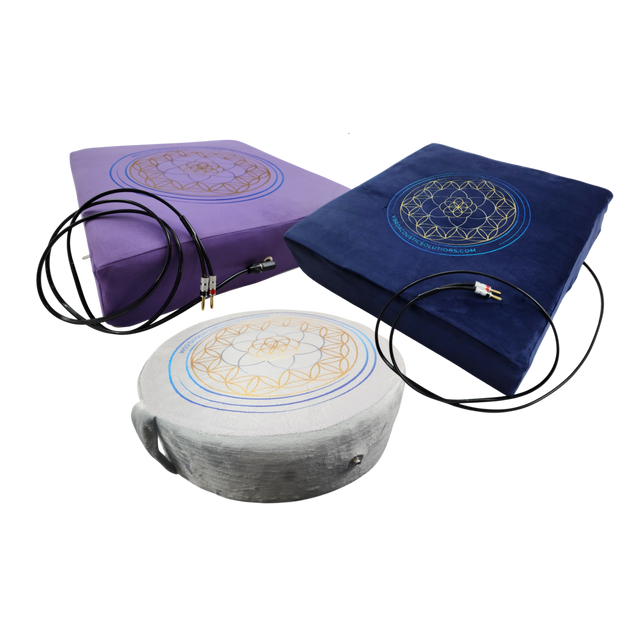
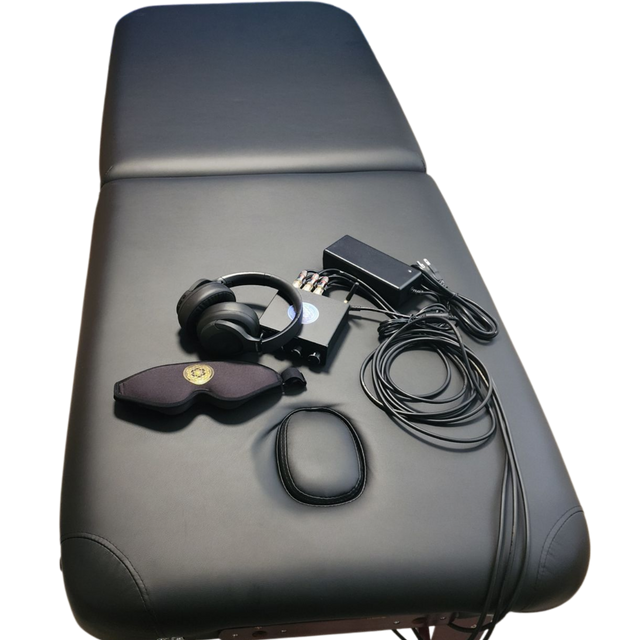
Większość projektów wellness typu "zrób to sam" kończy się niepowodzeniem z jednego powodu: kopiują one wygląd systemu terapeutycznego, nie rozumiejąc, co sprawia, że jest on terapeutyczny. Wibroakustyka DIY jest inna. Jeśli Twoim celem jest prawdziwe wsparcie układu nerwowego, ulga w bólu, regulacja sensoryczna lub rekonwalescencja, ustawienie ma takie samo znaczenie jak dźwięk.
System wibroakustyczny to nie tylko głośnik pod krzesłem. Jest to metoda dostarczania wibracji dźwiękowych o niskiej częstotliwości przez ciało w kontrolowany i powtarzalny sposób. Kiedy jest dobrze wykonana, może stworzyć ugruntowane doznania sensoryczne, które wspierają relaksację, krążenie, rozluźnienie mięśni i regulację parasympatyczną. Kiedy jest źle wykonana, może wydawać się nierówna, nadmiernie stymulująca lub nieskuteczna.
Dlatego ważne jest praktyczne, oparte na nauce podejście. Niezależnie od tego, czy jesteś użytkownikiem domowym, który adaptuje fotel, czy praktykiem adaptującym stół do masażu, cel jest ten sam: stworzenie bezpiecznej, spójnej wibracji mechanicznej, którą ciało może faktycznie odbierać.
Co naprawdę oznacza wibroakustyka DIY
Wibroakustyka DIY to w swej istocie przekształcanie istniejących mebli lub sprzętu zabiegowego w powierzchnię, która przewodzi terapeutyczne niskie częstotliwości. Zazwyczaj wiąże się to z zastosowaniem przetworników dotykowych, wzmacniacza, routingu sygnału i powierzchni, która pozwala wibracjom przenikać do ciała bez nadmiernego tłumienia.
Kluczowym słowem jest "terapeutyczne". Terapia wibroakustyczna jest stosowana do czegoś więcej niż tylko stworzenia atmosfery. Często jest badana pod kątem redukcji stresu, poprawy snu, regulacji autonomicznej, przewlekłych napięć, wsparcia przetwarzania sensorycznego i fizycznej rekonwalescencji. Wyniki te zależą od dostarczanej częstotliwości, kontaktu z ciałem, czasu trwania sesji oraz komfortu i stabilności ustawienia.
W tym miejscu wiele osób popełnia błąd. Standardowy system audio jest przeznaczony do przewodnictwa powietrznego – tego, co słyszysz. Zastosowania wibroakustyczne w dużej mierze zależą od przewodnictwa dotykowego – tego, co czujesz przez tkanki, powięzi i układ kostny. Budujesz dla reakcji somatycznej, a nie tylko dla jakości dźwięku.
Kto powinien rozważyć ustawienie DIY?
DIY może mieć sens, jeśli masz już solidne krzesło, stół do masażu, łóżko zabiegowe lub platformę, którą chcesz ulepszyć. Może to być również sprytna opcja dla praktyków, którzy potrzebują dodać funkcję wibroakustyczną bez wymiany całego pomieszczenia zabiegowego.
Dla użytkowników domowych atrakcyjność tkwi w przystępności cenowej i elastyczności. Możesz potrzebować wsparcia dla snu, wyciszenia po pracy, zarządzania chronicznym bólem lub bardziej uspokajającego środowiska sensorycznego. Dla profesjonalistów atrakcyjnością jest często integracja. Terapeuta masażu, praktyk somatyczny lub studio rekonwalescencji może chcieć włączyć wibracje o niskiej częstotliwości do istniejących sesji.
Mimo to, DIY nie zawsze jest najlepszym rozwiązaniem. Jeśli potrzebujesz prostoty plug-and-play, bardzo dopracowanej prezentacji klinicznej lub przewidywalnych wyników u wielu klientów, bardziej praktyczny może okazać się system stworzony specjalnie do tego celu. DIY oferuje personalizację, ale wymaga również cierpliwości, testowania i gotowości do rozwiązywania problemów.
Najważniejsze komponenty
Funkcjonalna konstrukcja wibroakustyczna zazwyczaj zaczyna się od przetworników dotykowych, a nie od konwencjonalnych głośników. Przetworniki są zaprojektowane do przekształcania sygnału audio w wibracje poprzez powierzchnię. Ważne jest umiejscowienie, ponieważ chcemy, aby ciało odbierało częstotliwości równomiernie w kluczowych punktach styku, takich jak plecy, miednica czy nogi.
Potrzebny jest również wzmacniacz, który będzie w stanie odpowiednio wysterować przetworniki. Systemy o zbyt małej mocy często wytwarzają słaby lub niespójny sygnał. Systemy o zbyt dużej mocy mogą powodować silne wibracje, zniekształcenia lub niepotrzebne obciążenie sprzętu. Dopasowanie impedancji i mocy nie jest opcjonalne, jeśli chcemy uzyskać bezpieczną i stabilną pracę.
Samo umeblowanie odgrywa kluczową rolę. Sztywny stół do masażu, drewniana platforma lub konstrukcyjnie solidny fotel rozkładany będą przenosić wibracje inaczej niż gruba poduszka z pianki pamięciowej. Zbyt dużo wyściółki pochłania energię, zanim dotrze ona do ciała. Zbyt mało wyściółki może sprawiać wrażenie intensywnego mechanicznie, a nie terapeutycznego. Zawsze istnieje równowaga między komfortem a transmisją.
Źródło dźwięku również ma znaczenie. Niektórzy użytkownicy polegają na wyselekcjonowanych utworach muzycznych o niskiej częstotliwości. Inni używają programów specyficznych dla częstotliwości, opracowanych w celu relaksacji, wspierania snu lub sesji pracy z ciałem. Najważniejsze jest, aby materiał źródłowy był odpowiedni do odtwarzania dotykowego. Nie każda piosenka z basem tworzy użyteczne doświadczenie wibroakustyczne.
Jak myśleć o częstotliwości i reakcji ciała
Niskie częstotliwości są sercem terapii wibroakustycznej, ale więcej nie znaczy lepiej. Częstotliwości, które są zbyt intensywne, zbyt chaotyczne lub dostarczane bez odpowiedniego wsparcia, mogą stać się stymulujące zamiast regulujące.
Różne zakresy mogą wywoływać różne odczucia. Niższe pasma mogą dawać uczucie uziemienia i ciężkości, podczas gdy nieco wyższe zakresy niskich częstotliwości mogą być bardziej aktywizujące lub zlokalizowane. Wrażliwość indywidualna również się różni. Klient wrażliwy na traumę, użytkownik autystyczny lub osoba z przewlekłym bólem może reagować bardzo inaczej niż sportowiec szukający wsparcia w regeneracji.
Dlatego projekt sesji jest tak samo ważny jak sprzęt. Czas trwania, intensywność i progresja powinny być celowe. Rozpoczynanie od krótszych sesji o niższej intensywności jest często bezpieczniejszą drogą, zwłaszcza dla początkujących użytkowników lub układów nerwowych, które łatwo ulegają przeciążeniu.
Wibroakustyka DIY do domowego krzesła lub łóżka
W przypadku użytku domowego, najbardziej efektywne projekty DIY zazwyczaj zaczynają się od realistycznego pytania: gdzie ten system będzie faktycznie używany konsekwentnie? Fotel w salonie, fotel grawitacyjny lub podstawa łóżka często działają lepiej niż ambitna platforma na zamówienie, która nigdy nie staje się częścią codziennej rutyny.
Jeśli adaptujesz krzesło, skup się na strefach kontaktu z ciałem. Przetworniki powinny być zamontowane w miejscach, gdzie wibracje mogą przenikać do tułowia i miednicy bez uczucia fragmentaryczności. Jeśli umieścisz wszystko zbyt nisko lub zbyt daleko od siebie, doświadczenie może wydawać się oderwane. Jeśli wszystko jest skupione w jednym miejscu, może to być rozpraszające.
Konstrukcje oparte na łóżku mogą być doskonałe do relaksacji i wsparcia snu, ale wymagają dodatkowej uwagi na tłumienie. Grube materace szybko pochłaniają wibracje. W niektórych przypadkach montaż pod twardszą nakładką lub warstwą podtrzymującą poprawia transmisję. Wyzwaniem jest zachowanie komfortu, jednocześnie pozwalając niskim częstotliwościom dotrzeć do ciała.
Pamiętaj o zarządzaniu kablami, ciepłem i ochronie sprzętu. Terapeutyczne ustawienie powinno być spokojne i niezawodne, a nie przypominać tymczasowy eksperyment z elektroniką.
Przekształcanie stołu do masażu lub profesjonalnej powierzchni zabiegowej
Praktycy muszą myśleć szerzej niż o osobistych preferencjach. Ustawienie w klinice powinno uwzględniać różne typy ciała, wrażliwości i cele leczenia. Równomierny rozkład wibracji staje się ważniejszy, gdy wiele klientów korzysta z tego samego systemu.
Stoły do masażu są często silnym kandydatem do konwersji wibroakustycznej, ponieważ już zapewniają bezpośredni kontakt z ciałem w kontrolowanym środowisku. Głównym wyzwaniem jest utrzymanie stabilności stołu i zachowanie przepływu pracy terapeuty. Umiejscowienie sprzętu nie powinno kolidować z dostępem, komfortem klienta ani higieną.
W środowisku profesjonalnym subtelność często działa lepiej niż intensywność. Wielu klientów najlepiej reaguje, gdy stymulacja wibroakustyczna wspiera sesję, zamiast ją dominować. Podczas zabiegów na ciało, ćwiczeń oddechowych lub sesji somatycznych, dostarczanie niskich częstotliwości może pogłębić poczucie bezpieczeństwa i świadomości interoceptywnej, gdy jest płynne, równomierne i dobrze dopasowane do tempa.
Z tego powodu wielu praktyków wybiera zestawy do konwersji lub strukturyzowane komponenty, zamiast składać losowe elementy audio. Vibroacoustic Solutions pomogło zdefiniować ten pośredni obszar – czyniąc DIY bardziej dostępnym, nie usuwając jednocześnie logiki terapeutycznej, która nadaje tej metodzie wiarygodności.
Najczęstsze błędy, które zmniejszają wyniki
Najczęstszym błędem jest traktowanie wibracji jak basu rozrywkowego. Terapeutyczna wibroakustyka powinna być spójna i wspierająca, a nie przypominać subwoofera trzęsącego pokojem. Innym błędem jest złe dopasowanie powierzchni. Jeśli krzesło, stół lub łóżko pochłania zbyt dużo energii, użytkownik może słyszeć dużo niskich tonów, ale odczuwać bardzo niewiele znaczącego przeniesienia.
Ludzie również niedoceniają umiejscowienia. Technicznie sprawny przetwornik może działać słabo, jeśli zostanie zamontowany na słabym punkcie ramy lub w miejscu, które nie pokrywa się ze strefami kontaktu z ciałem. Testowanie jest częścią procesu.
A potem jest intensywność. Głośniejsze i silniejsze nie oznacza lepsze. Dla wielu użytkowników, zwłaszcza tych z nadwrażliwością sensoryczną, dysautonomią, historią wstrząsów mózgu, napięciem związanym z traumą lub przewlekłym zmęczeniem, delikatny i spójny bodziec jest bardziej terapeutyczny niż agresywne wibracje.
Kwestie bezpieczeństwa i przeciwwskazań
Ponieważ terapia wibroakustyczna bezpośrednio oddziałuje z ciałem, użytkownicy DIY powinni myśleć w kategoriach klinicznych nawet w domu. Zacznij ostrożnie. Sprawdź istotne problemy medyczne. Jeśli ktoś ma ostre urazy, niestabilne schorzenia sercowo-naczyniowe, pewne implantowane urządzenia, problemy związane z ciążą, ryzyko napadów padaczkowych lub znaczną wrażliwość na dźwięk, przed użyciem wskazane jest skonsultowanie się ze specjalistą.
Komfort jest również sygnałem bezpieczeństwa. Jeśli sesja sprawia, że ktoś czuje się pobudzony, boli go głowa, ma nudności, drętwienie lub jest niezwykle zmęczony, coś wymaga regulacji. Może to oznaczać mniejszą intensywność, krótsze sesje, inne częstotliwości lub lepszy projekt powierzchni. Uregulowany układ nerwowy zazwyczaj reaguje uspokojeniem, a nie napięciem.
Kiedy DIY wystarczy – a kiedy nie
Dobrze zbudowany system DIY może absolutnie dostarczyć znaczącej wartości terapeutycznej. Dla wielu osób jest to najbardziej praktyczna droga do opieki wibroakustycznej. Obniża barierę wejścia i pozwala, aby istniejące meble lub sprzęt zabiegowy stały się prawdziwym narzędziem wsparcia somatycznego.
Ale DIY ma swoje ograniczenia. Jeśli prowadzisz ruchliwą klinikę, obsługujesz bardzo wrażliwe populacje lub szukasz standaryzowanej wydajności przy minimalnym czasie konfiguracji, systemy specjalnie zbudowane często uzasadniają swoje koszty. Precyzja, trwałość i powtarzalność mają większe znaczenie, gdy zastosowanie staje się bardziej kliniczne. Jeśli nadal chcesz zaoszczędzić pieniądze, poszukaj niedrogich, gotowych do instalacji zestawów wibroakustycznych DIY, które są łatwe i szybkie w instalacji i eliminują potrzebę rozwiązywania problemów lub ustalania najlepszego sposobu konfiguracji lub znajdowania odpowiednich komponentów, które dobrze ze sobą współpracują.
Najlepiej myśleć o wibroakustyce DIY nie jako o skrócie, ale jako o przemyślanej konstrukcji. Wykonana z odpowiednich komponentów i z terapeutycznym nastawieniem, może zmienić zwykłe krzesło, łóżko lub stół w przestrzeń, która pomaga ciału uspokoić się, zregenerować i poczuć się na tyle bezpiecznie, aby się wyleczyć.
Najnowsze posty

DIY Transducer Kit Review for Therapy Spaces
Read article
Somatic Sound Therapy Versus Massage: Key Differences
Read article