Odczuwasz terapię wibroakustyczną o częstotliwości 40 Hz, zanim ją przeanalizujesz. To ważne, ponieważ nie jest to tylko dźwięk słyszany przez uszy. Jest to energia akustyczna o niskiej częstotliwości dostarczana przez ciało jako mechaniczne wibracje, tworząc bodziec dotykowy, który oddziałuje z mięśniami, tkanką łączną, krążeniem i układem nerwowym. Kiedy ludzie pytają, dlaczego 40 Hz przyciąga tak wiele uwagi, prawdziwa odpowiedź zaczyna się od fizyki i neurofizjologii, a nie od modnego języka wellness.
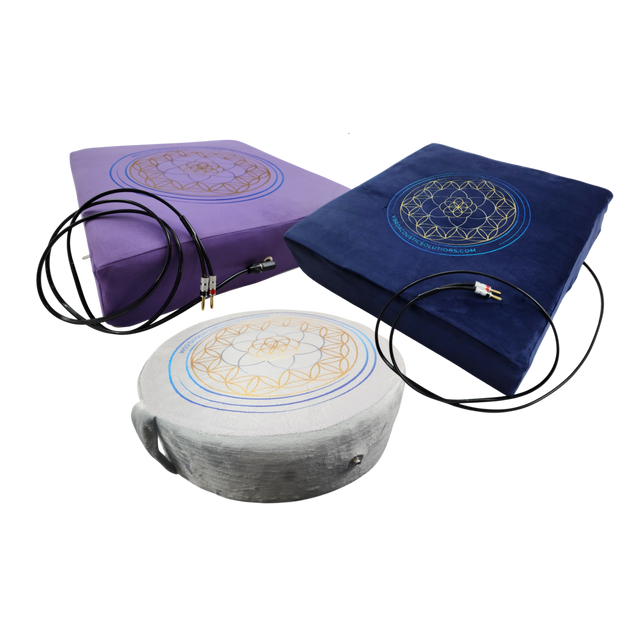
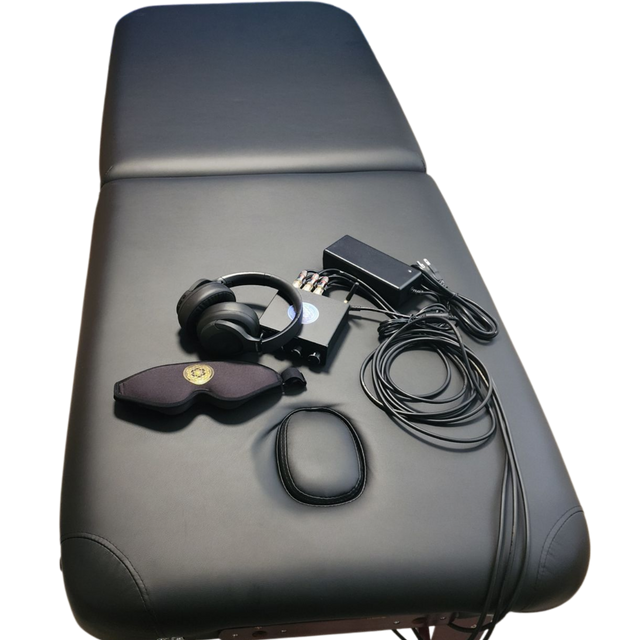
Terapia wibroakustyczna wykorzystuje sinusoidalne niskie częstotliwości, zazwyczaj dostarczane przez przetworniki wbudowane w łóżko, matę, krzesło lub stół zabiegowy. Te częstotliwości poruszają się przez tkanki jako delikatne oscylacje. Przy 40 Hz, ta oscylacja mieści się w zakresie, który wielu użytkowników odczuwa jako wystarczająco silny, aby wyraźnie go poczuć, a jednocześnie na tyle spokojny, aby pozostać regulującym, a nie nadmiernie stymulującym. Wynik może przypominać strukturalny masaż wewnętrzny – nie przypadkowe wibracje, ale specyficzne rytmiczne wejście, wokół którego ciało może się zorganizować.
Dlaczego terapia wibroakustyczna 40 Hz przyciąga uwagę
Nie każda częstotliwość działa tak samo. Niższe częstotliwości są zazwyczaj odczuwane głębiej i bardziej fizycznie, podczas gdy wyższe częstotliwości mogą stać się bardziej powierzchowne lub sensoryczne. W pracy wibroakustycznej, częstotliwości od około 20 Hz do 120 Hz są często używane do różnych celów terapeutycznych, ale 40 Hz stało się szczególnie interesujące, ponieważ znajduje się na styku relaksacji opartej na ciele i badań związanych z mózgiem.
Mechanicznie, 40 Hz tworzy powtarzające się fale ciśnienia, które mogą wspierać rozluźnienie mięśni, świadomość ciała i zmniejszanie wysokiego pobudzenia współczulnego. To jest strona somatyczna. Neurologicznie, 40 Hz pokrywa się również z pasmem częstotliwości gamma badanym w neuronauce. Aktywność gamma jest kojarzona z uwagą, integracją sensoryczną i pewnymi procesami poznawczymi. To pokrycie nie oznacza, że każda sesja wibracji 40 Hz bezpośrednio zmienia funkcje mózgu w taki sam sposób, w jaki odczyt EEG odzwierciedla fale mózgowe. To są różne zjawiska. Mimo to, wspólna wartość częstotliwości skłoniła badaczy do zadawania pytań, czy rytmiczna stymulacja 40 Hz, w tym podejścia słuchowe i sensoryczne, może mieć znaczące efekty.
W tym miejscu liczy się wiarygodność. Istnieje prawdziwe naukowe zainteresowanie stymulacją 40 Hz. Istnieje również tendencja w internecie do przeceniania tego, co zostało udowodnione. Najsilniejsze twierdzenia kliniczne powinny być formułowane ostrożnie. Terapia wibroakustyczna przy 40 Hz może wspierać regulację, relaksację, ulgę w bólu i zaangażowanie terapeutyczne. Szersze twierdzenia dotyczące odwracania neurodegeneracji lub wytwarzania wysoce specyficznych wyników mózgowych są nadal badane i nie powinny być przedstawiane jako udowodniony fakt.
Co 40 Hz robi w ciele
Bezpośrednim efektem terapii wibroakustycznej 40 Hz jest mechaniczne sprzężenie tkanek. Powtarzające się wibracje o niskiej częstotliwości mogą działać jak mikromasaż, tworząc subtelne pulsowanie w mięśniach i powięziach. Dla niektórych osób zmniejsza to ochronę i pomaga ciału uwolnić nagromadzone napięcie. Dla innych poprawia interocepcję – zdolność odczuwania tego, co dzieje się wewnętrznie – co może być szczególnie przydatne w opiece traumatycznej, regeneracji po przewlekłym stresie i pracy nad regulacją sensoryczną.
Istnieje również aspekt regulacyjny. Przewidywalne wejście rytmiczne może pomóc układowi nerwowemu przejść od czujności do poczucia bezpieczeństwa. Nie dzieje się tak, ponieważ 40 Hz jest magicznie uspokajające w każdym przypadku. Dzieje się tak, ponieważ ciało często dobrze reaguje na stałe, tolerowane, wzorzyste informacje sensoryczne. W odpowiednio zaprojektowanym systemie dźwięk i wibracje są zsynchronizowane, dając zarówno układowi słuchowemu, jak i dotykowemu spójny sygnał do przetworzenia.
Niektórzy użytkownicy zgłaszają również zmniejszenie odczuwania bólu podczas lub po sesjach. Może to być związane z kilkoma mechanizmami działającymi razem, w tym rozluźnieniem mięśni, zwiększonym lokalnym krążeniem, konkurującymi bodźcami sensorycznymi i zmianami w stanie autonomicznym. Ból to nie tylko problem tkankowy. Wpływa na niego również interpretacja zagrożenia, napięcia i przeciążenia przez układ nerwowy. Metoda, która może zmniejszyć sztywność fizyczną, jednocześnie poprawiając poczucie bezpieczeństwa, może mieć realną wartość kliniczną.
Co sugerują badania dotyczące terapii wibroakustycznej 40 Hz
Literatura dotycząca terapii wibroakustycznej jest szersza niż tylko jedna częstotliwość, i to jest ważny kontekst. Badania analizowały wibracje dźwiękowe o niskiej częstotliwości w przypadku bólu, spastyczności, relaksacji, objawów związanych z chorobą Parkinsona, wsparcia rehabilitacji i redukcji stresu. Wyniki różnią się w zależności od populacji, długości sesji, metody dostarczania oraz tego, czy interwencja jest stosowana samodzielnie, czy też wraz z innymi terapiami.
Badania dotyczące specyficznej stymulacji 40 Hz zyskały szerszą uwagę w ostatnich latach ze względu na badania obejmujące stymulację sensoryczną o częstotliwości gamma. Niektóre badania przedkliniczne i wczesne badania na ludziach badały, czy stymulacja słuchowa lub świetlna o częstotliwości 40 Hz może wpływać na synchronizację neuronalną i markery zdrowia mózgu. Ta praca jest obiecująca, ale nie jest tym samym, co stwierdzenie, że wszystkie systemy wibracyjne 40 Hz oparte na ciele wytwarzają te same efekty. Metoda dostarczania ma znaczenie. Dawka ma znaczenie. Populacja pacjentów ma znaczenie.
W przypadku zastosowań wibroakustycznych, bardziej uzasadniony wniosek jest taki: 40 Hz to terapeutycznie znacząca niska częstotliwość z wiarygodną podstawą do wspierania relaksacji, organizacji sensorycznej i regulacji układu nerwowego, i istnieje ona w krajobrazie badawczym, który aktywnie się rozwija. Jest to poważna częstotliwość zainteresowania, ale nie cudowny skrót.
Kto może odnieść największe korzyści
Terapia wibroakustyczna 40 Hz często przemawia do osób, które nie chcą dodatkowego wysiłku umysłowego w swojej rutynie leczenia. Chcą interwencji opartej na ciele. Może to obejmować dorosłych z przewlekłym stresem, zaburzeniami snu, napięciem mięśni, wypaleniem, wzorcami utrzymywanymi w wyniku traumy i przeciążeniem sensorycznym. Może być również przydatna w ustawieniach profesjonalnych, gdzie klienci mają trudności z ułożeniem się na stole lub pozostaniem w kontakcie ze swoim ciałem.
Masażyści i praktycy somatyczni często zauważają, że wibracje o niskiej częstotliwości pomagają klientom szybciej się zrelaksować. Zamiast spędzać połowę sesji na próbie spowolnienia układu nerwowego, stół lub mata rozpoczyna ten proces już od pierwszych minut. Kliniki integracyjne mogą również wykorzystywać ją jako narzędzie wspierające przed pracą manualną, po ćwiczeniach, podczas sesji relaksacyjnych lub jako część szerszego planu powrotu do zdrowia.
Mimo to, 40 Hz nie zawsze jest idealnym punktem wyjścia. Niektórzy klienci wolą łagodniejsze amplitudy lub odnoszą korzyści z przechodzenia przez szereg częstotliwości zamiast pozostawania przy jednej. Osoby z wysoką wrażliwością sensoryczną mogą potrzebować niższej intensywności i krótszych sesji. Ocena kliniczna ma większe znaczenie niż szum wokół częstotliwości.
Jak wygląda sesja
Dobrze zaprojektowana sesja 40 Hz zazwyczaj jest rytmiczna, stabilna i uziemiająca. Wibracje powinny być wyczuwalne, ale nie szarpiące. W systemach klinicznych, kontrola amplitudy ma tak samo duże znaczenie jak wybór częstotliwości. Zbyt mała moc wyjściowa, a częstotliwość może nie być znacząca dla ciała. Zbyt duża, a doświadczenie może być rozpraszające lub męczące.
Muzyka jest często nakładana na niskoczęstotliwościowy nośnik, ale efekt terapeutyczny nie zależy od inspirujących ścieżek dźwiękowych czy mistycznych ram. Rdzeniem interwencji jest fizycznie dostarczana sinusoidalna wibracja. Muzyka może poprawić komfort, otwartość emocjonalną i przyjemność z sesji, ale mechanizm rozpoczyna się od samego sygnału niskiej częstotliwości.
Długość sesji często mieści się w zakresie od 15 do 30 minut, choć czasem stosuje się dłuższe sesje. Dla użytkowników domowych, spójność zazwyczaj ma większe znaczenie niż intensywność. Umiarkowana, powtarzalna praktyka zazwyczaj przewyższa okazjonalne sesje, które są zbyt silne lub zbyt długie.
Wybór zestawu do terapii wibroakustycznej 40 Hz
Jeśli oceniasz sprzęt, same deklaracje dotyczące częstotliwości nie wystarczą. System powinien być w stanie dostarczyć dokładne niskie częstotliwości za pomocą niezawodnych przetworników z wystarczającą głębią i spójnością, aby stworzyć efekt terapeutyczny. Jakość wykonania, konstrukcja powierzchni, kontrola amplitudy i łatwość użycia – wszystko to wpływa na wyniki.
Dla praktyków ważna jest integracja. Nasadka na stół do masażu, poduszka lub system łóżka powinny wspierać Twoją pracę, a nie ją komplikować. Dla użytkowników domowych, komfort i prostota często decydują o konsekwencji. Najlepszy system to ten, który jest używany regularnie i bezpiecznie.
W tym miejscu edukacja staje się częścią produktu. Marki takie jak Vibroacoustic Solutions pomagają uczynić terapię wibroakustyczną klasy klinicznej bardziej dostępną, ale prawdziwa wartość to nie tylko przystępność cenowa. To zapewnienie użytkownikom jaśniejszego zrozumienia tego, co robią częstotliwości, jak je stosować i gdzie kończy się dowód, a zaczyna spekulacja.
Gdzie kończy się nauka, a zaczyna szum medialny
40 Hz stało się magnesem na przesadne twierdzenia. Zobaczysz język sugerujący, że może on uniwersalnie zrównoważyć mózg, naprawić prawie każdą dolegliwość lub wywołać gwarantowane rezultaty neurologiczne. Tego rodzaju komunikaty osłabiają zaufanie do metody, która ma już realny potencjał terapeutyczny.
Bardziej ugruntowane podejście jest lepsze. Terapia wibroakustyczna 40 Hz to obiecująca technologia somatyczna. Może dostarczać strukturyzowane bodźce sensoryczne, wspierać wyciszenie, poprawiać świadomość ciała i uzupełniać opiekę ukierunkowaną na powrót do zdrowia. Może również w znaczący sposób przecinać się z pojawiającymi się badaniami dotyczącymi mózgu. Ale te możliwości należy traktować z precyzją, a nie z mitologią.
Dla wielu ludzi to jest w zasadzie najbardziej uspokajająca część. Nie potrzebujesz wielkich twierdzeń, aby ta praca była wartościowa. Jeśli częstotliwość może pomóc ciału poczuć się bezpieczniej, bardziej miękko i bardziej zorganizowanie, to jest to już klinicznie istotne. A kiedy narzędzia terapeutyczne są zarówno świadome dowodów, jak i fizycznie namacalne, to zazwyczaj zasługują na swoje miejsce w prawdziwej praktyce.
Jeśli 40 Hz to częstotliwość, która przyciąga Twoją uwagę, niech to będzie początek bardziej świadomego pytania: nie czy jest magiczna, ale czy jest odpowiednim narzędziem do regulacji, regeneracji lub w otoczeniu terapeutycznym, które próbujesz zbudować.
Najnowsze posty


Clinical Vibration Table Review for Therapists
Read article
Clinic Essentials for Sound Therapy That Work
Read article