A practitioner usually knows the moment a tool will either fit the room or create friction. Vibroacoustic therapy is no different. When you start comparing practitioner vibroacoustic equipment options, the real question is not simply which system looks most advanced. It is which format supports your treatment style, your client population, your physical space, and your clinical goals without adding unnecessary complexity.
That matters because vibroacoustic therapy sits at the intersection of nervous system regulation, sensory input, and body-based recovery. The equipment is not just furniture with speakers inside. A well-designed system delivers low-frequency sound vibration in a controlled, repeatable way that can support relaxation, pain management, downregulation, and somatic settling. For practitioners, the delivery format changes the experience as much as the frequency program itself.
How to evaluate practitioner vibroacoustic equipment options
Before looking at beds, mats, cushions, or conversion kits, it helps to think like a clinician rather than a shopper. The best equipment choice depends on session length, hands-on versus hands-off work, and whether vibroacoustic therapy is your primary service or an enhancement layered into an existing modality.
If you run a massage or bodywork practice, table compatibility may matter more than having a dedicated vibroacoustic bed. If you are building a sensory regulation room, full-body immersion may be the priority. If your client population includes trauma survivors, autistic clients, or people with chronic pain, the way vibration is delivered can influence comfort, perceived safety, and tolerance. More stimulation is not always better. Sometimes a more contained setup creates better clinical outcomes because it feels predictable and less overwhelming.
You also want to think about throughput. A system that works beautifully for one extended nervous system reset per day may not be ideal for a busy practice that needs quick room turnover and multiple back-to-back sessions.
Full-size vibroacoustic beds
A dedicated vibroacoustic bed is often the most immersive option for a professional setting. It typically offers full-body contact, a stronger sense of containment, and a more clearly differentiated therapeutic experience. For clinics that want vibroacoustic therapy to be a featured service, this format tends to feel the most intentional and clinical-grade.
The main advantage is consistency. The client lies down, the body is evenly supported, and the transducers are positioned to deliver broad vibrational coverage. That can be especially useful for stress recovery, sleep-focused sessions, generalized muscle tension, and deep relaxation protocols where stillness matters.
There are trade-offs. Beds require dedicated floor space and a higher upfront investment. They also lock you into a specific treatment format. If your practice relies heavily on manual therapy, a full-size bed may be less flexible than a solution that integrates with your existing table. For some practitioners, that is perfectly acceptable. For others, it can limit workflow.
Massage table attachment systems
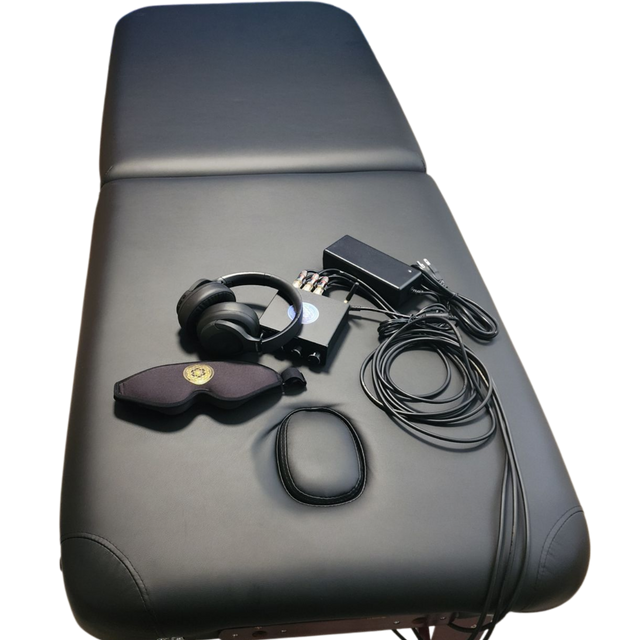
For massage therapists, bodyworkers, and integrative practitioners who already have a well-established treatment room, table attachment systems are often the most practical entry point. These systems convert an existing massage table into a vibroacoustic platform, allowing you to add low-frequency therapy without replacing your core setup.
This option makes sense when touch remains central to the session. You can combine manual therapy, breathwork, guided relaxation, or recovery-focused bodywork with embedded sound vibration. That combination can be clinically valuable because the nervous system is receiving tactile input and low-frequency resonance at the same time.
The benefit is efficiency. You preserve familiar ergonomics, avoid crowding your room, and create a lower barrier to implementation. The limitation is that immersion may be somewhat less dramatic than with a purpose-built bed, depending on the system design and transducer layout. Still, for many practitioners, flexibility outweighs that difference.
Cushions, mats, and targeted systems
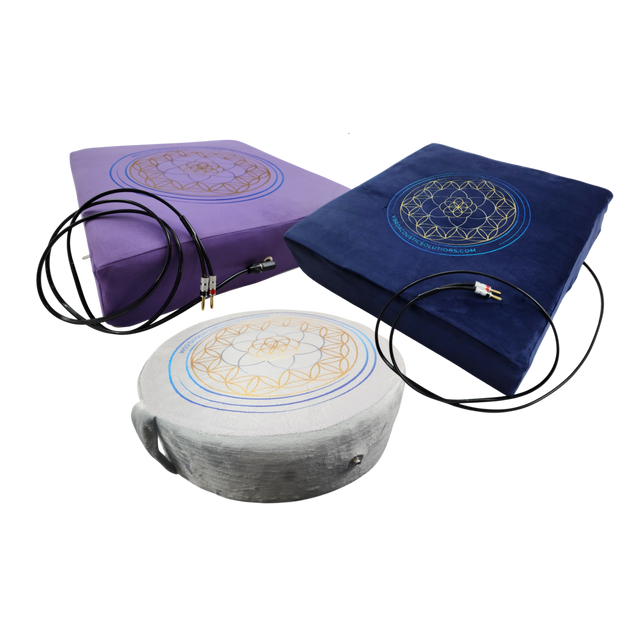
Not every practice needs full-body delivery. Cushions and smaller targeted systems can work well in offices, multipurpose wellness spaces, or practices where seated treatment is more common. They are especially useful when clients are receiving guided meditation, counseling support, energy regulation work, or shorter recovery sessions.
Targeted systems can also serve a very specific clinical purpose. A practitioner working with neck and shoulder tension, seated stress regulation, or post-exertion recovery may not need a large platform. In some cases, localized contact actually improves compliance because the client feels more at ease with a smaller amount of sensory input.
That said, smaller systems require realistic expectations. They can be highly effective for focused use, but they usually will not create the same enveloping full-body effect as a bed or full-table installation. If your brand promise centers on immersive somatic sessions, a cushion alone may feel too limited.
DIY conversion kits for existing furniture
DIY conversion kits appeal to practitioners who want affordability and customization. They allow treatment tables, loungers, or other furniture to become vibroacoustic therapy platforms. For clinics trying to expand services without a major capital purchase, this can be a smart category.
The strength of a conversion kit is adaptability. You can build around the furniture you already use, choose a footprint that fits your room, and test demand before investing in a larger dedicated system. For newer practices, this may be the difference between offering vibroacoustic therapy now and postponing it indefinitely.
The trade-off is setup quality. Conversion-based systems depend heavily on installation, furniture structure, and acoustic compatibility. A poorly matched surface can reduce the precision of vibration delivery or create an experience that feels less refined. Practitioners who choose this path should value adjustability but also respect the importance of engineering.
Matching equipment to your clinical model
The most useful way to narrow practitioner vibroacoustic equipment options is to match the system to your dominant use case.
If you provide hands-on bodywork, integrated table systems are often the cleanest fit. If you run passive recovery sessions, a dedicated bed may create a stronger premium offering. If your work is regulation-focused and office-based, a cushion or compact platform may be sufficient. If you are still validating demand, a conversion kit can reduce financial risk.
Client profile matters just as much. Athletes and recovery clients may appreciate stronger, more physically noticeable stimulation. Clients with trauma histories or sensory sensitivity may respond better to gentler amplitudes, smoother transitions, and formats that feel safe rather than intense. Pediatric and neurodivergent populations often require even more attention to predictability, positioning, and tolerable duration.
Technical considerations practitioners should not ignore
Frequency programming gets a lot of attention, but hardware design deserves equal scrutiny. The number and placement of transducers, the stability of the treatment surface, and the quality of the audio-vibration relationship all affect outcomes. Clinical credibility comes from repeatability. If one session feels grounded and the next feels uneven, trust drops quickly.
You should also consider sanitation, durability, and ease of use. In a professional setting, equipment must be easy to clean between sessions and simple enough that staff can operate it without confusion. A beautiful system that creates operational friction will eventually be used less often.
Noise management matters too. Some systems are designed to deliver strong low-frequency output with minimal distraction, while others may create unwanted audible sound or mechanical noise. That may not be a major issue in a home environment, but in a clinical or wellness practice it can affect the therapeutic atmosphere.
Cost, positioning, and return on investment
Price should be viewed through the lens of service design. A lower-cost system can be the right choice if it helps you integrate vibroacoustic therapy quickly and consistently. A more expensive system may make sense if it supports premium session pricing, distinct treatment branding, or a higher-value client experience.
What practitioners sometimes miss is that underbuying can be as limiting as overspending. If the equipment is too basic for your clinical goals, clients may not perceive enough difference to book again. On the other hand, buying the largest and most advanced platform without a plan for scheduling, education, and client communication can leave a strong system underutilized.
This is where science-based positioning matters. When vibroacoustic therapy is explained as a method of somatic regulation, low-frequency stimulation, and evidence-informed recovery support, the equipment becomes easier to place within a legitimate treatment framework. That is especially important for clinics that want the modality to feel therapeutic rather than trendy.
Vibroacoustic Solutions has helped shape this conversation by offering practitioner-friendly formats that make clinical-grade access more realistic, especially for providers who want flexibility without losing the research-centered foundation of the modality.
Choosing equipment with room to grow
The best equipment is rarely the one with the longest feature list. It is the one that helps you deliver a calm, repeatable, therapeutic experience your clients actually want to return for. For some practitioners that means a dedicated bed. For others, it means upgrading an existing massage table or starting with a conversion system that fits the room and the budget.
If you choose with your treatment model in mind, the equipment stops feeling like a gadget and starts functioning like part of your clinical method. That is usually the point where vibroacoustic therapy becomes more than an add-on. It becomes a reliable space for regulation, recovery, and deeper therapeutic work.
Latest posts


Vibroacoustic Systems for Therapeutic Regulation
Read article