A nervous system under strain rarely announces itself with one clear symptom. It can show up as tight shoulders that never quite release, restless sleep, a short fuse, sensitivity to noise, digestive discomfort, or the feeling that rest does not reach deep enough. Vibroacoustic therapy is designed for this exact territory: using audible sound and precisely delivered low-frequency vibration to give the body a physical, rhythmic signal of safety, support, and settling.
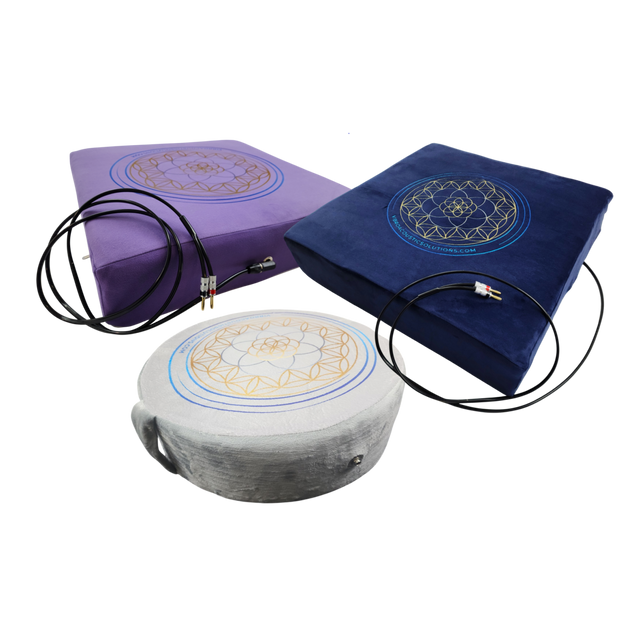
Rather than asking someone to think their way out of stress, a vibroacoustic system introduces sensation through the body. Low-frequency sound moves through a bed, cushion, or treatment table and is felt as gentle vibration. That input can help shift attention away from constant mental scanning and toward the immediate experience of breath, contact, rhythm, and weight.
The nervous system responds to sensory input first
The autonomic nervous system continually evaluates the environment and the body for signals of demand or safety. It regulates involuntary processes such as heart rate, breathing, muscle tone, digestion, temperature, and alertness. Its sympathetic branch prepares us for action. Its parasympathetic branch supports recovery, restoration, and digestion.
Neither state is inherently bad. Sympathetic activation is necessary when we need energy, focus, or protection. Difficulty arises when the system has limited opportunities to downshift after a demanding day, persistent pain, disrupted sleep, sensory overload, or prolonged emotional stress.
Vibroacoustic therapy works through the senses before it becomes a conscious experience. A transducer converts an audio signal into physical vibration. When the body is in contact with the surface, low frequencies travel through tissue as a tactile stimulus. The ears hear the music or tones while the skin, muscles, and connective tissue feel the rhythm. This pairing is one reason the experience can feel more grounding than sound played through speakers alone.
Why low frequencies feel different in the body
Most vibroacoustic sessions use frequencies broadly between 20 and 120 Hz, a range that is both heard and physically perceived through a supportive surface. Frequencies around 30 to 60 Hz often create a slow, enveloping sensation. The 60 to 100 Hz range may feel more defined, rhythmic, and muscular, depending on the person, the volume, and the equipment setup.
This is not simply about making a surface shake. Mechanical vibration interacts with sensory receptors in the skin and deeper tissues, including receptors responsive to pressure, stretch, and vibration. These signals travel through the peripheral nervous system to the brain, where they are integrated with sound, posture, memory, emotion, and the surrounding environment.
Rhythm matters as much as frequency. A predictable pulse gives the brain a pattern it can anticipate. Slow, steady musical phrasing can also encourage slower breathing. Research on paced breathing has repeatedly found that breathing near six breaths per minute, approximately 0.1 Hz, can support heart rate variability and baroreflex function, both closely tied to autonomic regulation. Vibroacoustic therapy does not force a breathing rate, but a calm, repetitive sensory environment can make slower, fuller breathing easier to access.
For some people, the most meaningful change is muscular. When the nervous system detects ongoing demand, muscles may remain subtly braced around the jaw, neck, hips, abdomen, or low back. Comfortable low-frequency vibration can create a form of gentle mechanical stimulation sometimes described as cellular micro-massage. The body receives repeated movement without effort, which can make it easier to notice and release held tension.
A bottom-up route to regulation
Many wellness practices ask for focused attention, insight, or discipline. Those can be valuable tools, yet they may feel out of reach when someone is overwhelmed, exhausted, or disconnected from bodily cues. Vibroacoustic therapy offers a bottom-up approach: begin with sensation, then allow the mind and nervous system to respond.
A 2022 review of vibroacoustic therapy literature noted promising applications for pain, anxiety, relaxation, and quality of life, while also reflecting the variety of protocols used across studies. That variety is meaningful. Frequency, session length, music selection, body position, volume, and the individual’s sensory profile all shape the outcome. There is no universal setting that fits every nervous system.
For a person who feels chronically activated, lower volume and slower, simpler music may be the most supportive place to begin. For someone seeking recovery after physical exertion, a slightly more rhythmic program in the 50 to 80 Hz range may feel restorative. A client with sensory sensitivity may prefer a shorter session, perhaps 10 to 15 minutes, with gradual volume changes and clear control over the experience.
The goal is not to push the body into relaxation. Regulation is different from sedation. It means expanding the capacity to move flexibly between activation and rest, with greater awareness of what the body needs.
Supporting vagal pathways through comfort and rhythm
The vagus nerve is a major communication pathway between the brain and organs including the heart, lungs, and digestive tract. It is involved in heart rhythm, digestion, vocalization, and social engagement. People often speak about “vagal tone” as a shorthand for the body’s ability to recover from stress and return to a more settled state.
Vibroacoustic therapy does not stimulate the vagus nerve in the same direct way as a medical electrical device. Its role is more environmental and sensory: it can create conditions that support vagal pathways through comfortable touch-like vibration, slower breathing, soothing auditory input, and a supported reclining position. These inputs may reduce the felt need for guarding and make a restorative state more available.
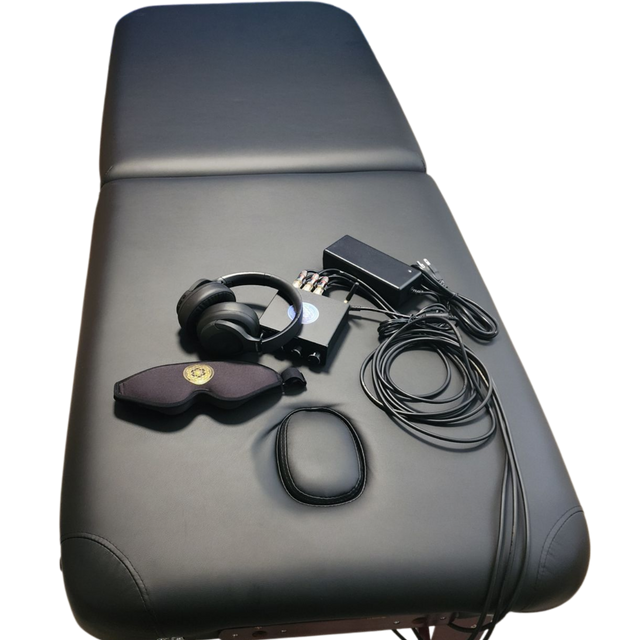
This distinction matters for practitioners. A vibroacoustic bed or massage table attachment kit is not a replacement for clinical assessment, trauma-informed care, or medical treatment. It is a therapeutic tool that can complement massage, psychotherapy, physical rehabilitation, meditation, and recovery routines by adding a measurable sensory layer to the session.
How to use vibroacoustic therapy for nervous system support
Consistency usually matters more than intensity. A home user may benefit from 15 to 30 minutes in the evening, using a comfortable volume that allows the vibration to be felt without becoming distracting. Lying down with a blanket, reducing bright light, and letting the session end gradually can help the nervous system recognize the practice as a reliable transition into rest.
For practitioners, start with consent and curiosity. Ask clients how they experience vibration, whether they prefer gentle or more noticeable intensity, and whether sound played near the ears feels comfortable. A first session can be brief and observational. Notice breathing, facial tension, temperature, spontaneous sighing, or feedback about comfort rather than assuming that stillness always means relaxation.
Music choices deserve the same care as frequency settings. Slow instrumental tracks, nature soundscapes, drone-based compositions, and certain sacred or contemplative tones can each create a distinct emotional atmosphere. Frequencies such as 432 Hz or Solfeggio-based music hold personal and cultural meaning for many listeners. When paired with tactile low-frequency vibration, these sound environments can become deeply personal rituals of rest, reflection, and reconnection.
The right dose is personal
More vibration is not necessarily more therapeutic. If a session feels agitating, numb, overly intense, or emotionally overwhelming, reduce the volume, shorten the session, change the music, or pause. Some people respond best to a quiet 10-minute session. Others enjoy 30 minutes of full-body vibration after a demanding workday or between clients in a busy practice.
This individualized approach is especially useful for people with ADHD, autism-related sensory differences, trauma-related tension, chronic stress, or sleep disruption. The same input can be organizing for one person and too stimulating for another. Choice, predictability, and the ability to adjust settings are central to a supportive experience.
Vibroacoustic Solutions systems are built around that principle: clinical-grade low-frequency delivery with practical control over the sound environment, whether the setting is a treatment room, a massage practice, or a home recovery space.
A regulated nervous system is not one that never reacts. It is one that can receive support, complete a stress response, and find its way back to steadiness. A few minutes of well-designed vibration, sound, and stillness can become a meaningful place to practice that return.
Najnowsze posty

How to Install Transducers on Massage Tables
Read article

A Sleep Routine Vibroacoustic Example That Works
Read article